
Soups & Stews
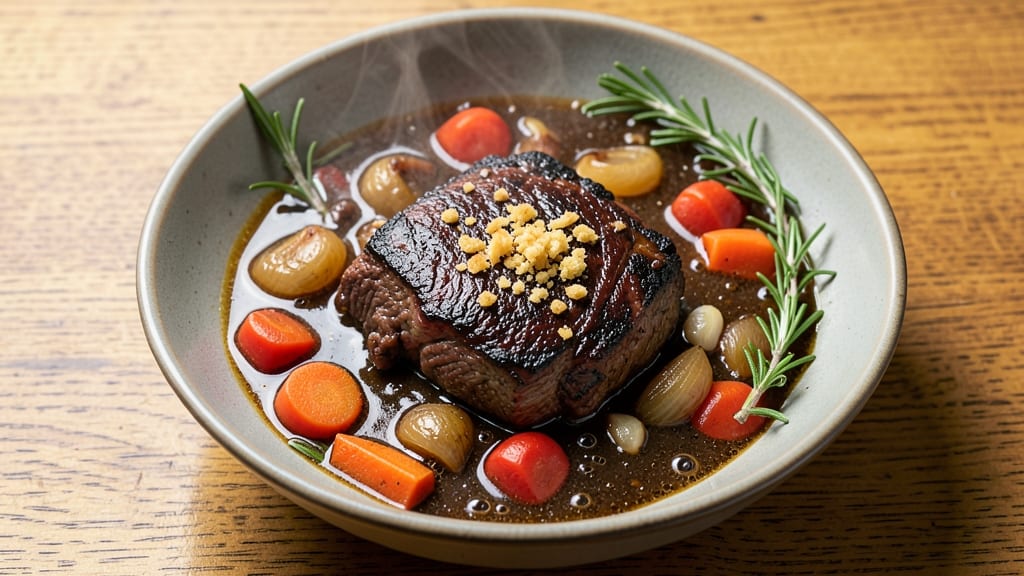
This authentic Guinness beef stew delivers the rich malt depth and fall-off-the-bone tenderness that makes it a pub classic. The secret lies in slow-browning the beef and deglazing with Guinness to build layers of flavor that simmer into a velvety, hearty broth.
I’ve perfected this recipe over years of testing, ensuring every bite captures that perfect balance of smoky, savory, and slightly sweet notes.
The process begins with browning chuck roast in batches to develop a deep, caramelized crust before deglazing the pan with Guinness. This step isn’t just about flavor—it’s the foundation for that signature malt richness that defines the dish.
Adding root vegetables and herbs later allows them to absorb the stew’s depth while staying tender, resulting in a dish that’s both comforting and restaurant-quality.
By the time it’s done, you’ll have a stew so tender the beef nearly melts in your mouth, with a thick, aromatic broth that’s perfect for ladling over crusty bread or creamy mashed potatoes.
The Guinness doesn’t just flavor the stew—it transforms it into something truly special, with a depth you won’t find in shortcut recipes.
This is the kind of stew that tastes even better the next day, as flavors meld and the broth reduces to perfection. Let’s get started—your taste buds will thank you.
Ingredients for authentic guinness beef stew
Pantry staples plus a few pub-quality ingredients. That rich Guinness flavor starts here.
| Ingredient | Amount | Notes |
|---|---|---|
| Chuck Roast 🥩 | 2 ½ lb | Pre-cut into 1.5-inch cubes |
| Guinness Stout 🍺 | 1 ½ cups | Full-bodied, not light |
| Beef Broth 💧 | 2 cups | Low-sodium preferred |
| Carrots 🥕 | 1 ½ lb | Whole, peeled, cut into chunks |
| Yellow Onions 🧅 | 2 whole | Medium, sliced into wedges |
| Garlic Cloves 🧄 | 6 cloves | Peeled, smashed |
| Russet Potatoes 🥔 | 2 lb | Peeled, cut into chunks |
| Tomato Paste 🍅 | 2 tbsp | Squeeze tube preferred |
| Worcestershire Sauce 🫒 | 1 tbsp | High-quality preferred |
| Fresh Thyme 🌿 | 2 tbsp | Leaves only, chopped |
| Bay Leaves 🍃 | 2 whole | Dried, crumbled |
| Salt 🧂 | 1 ½ tsp | Kosher or sea salt |
| Black Pepper 🌶️ | 1 tsp | Freshly ground |
| Olive Oil 🫒 | 2 tbsp | For browning beef |
| All-Purpose Flour 🌾 | 1 tbsp | For thickening |
The beef is non-negotiable—chuck roast gives you that fall-off-the-bone texture. Costco or Kroger usually have it pre-cubed, which saves time. If you're buying a whole roast, look for good marbling and ask the butcher to cut it into 1.5-inch pieces. Guinness matters too—don’t grab the light stuff. The full-bodied stouts from the beer aisle are what you want. For the broth, Swanson or Kitchen Basics low-sodium are my go-tos, but homemade is even better if you've got it.
No Guinness? Stout beer or even dark ale works in a pinch, but the flavor won’t be quite the same. Fresh thyme is ideal, but dried works at half the amount. The tomato paste can be from a squeeze tube—Trader Joe's has great ones—or a can. If you're using canned, measure out exactly 2 tbsp. The carrots and potatoes can be baby or regular—just make sure they're roughly the same size so they cook evenly. And trust me on the Worcestershire sauce—it’s worth the extra tablespoon for that deep umami kick.
This stew tastes even better the next day, so make extra. Keeps for 5 days in the fridge, or 3 months frozen. I portion mine into containers so lunches are sorted for the week. The broth reduces as it sits, so if you want it thicker, just add a splash of water or broth when reheating. Store the flour separately—you’ll only need it at the end to thicken if needed.
Why You'll Love This Recipe
- Here’s what sold me: the deep, malty sweetness of Guinness cutting through the richness of the beef. That slow simmer lets the stout’s bitterness mellow into something velvety, while the onions caramelize into a sticky, savory base. It’s the kind of flavor that makes you pause mid-bite—like a hug in a bowl.
- One-Pot Magic: I swear by this—just toss the chuck roast, onions, and carrots in one pot, pour in the Guinness and broth, then let it do its thing. No chopping boards to clean, no extra pans, and honestly? That rich, caramelized crust on the meat forms right in the pot. Minimal effort, maximum reward.
- Guinness Kiss: Here’s what sold me: the deep, malty sweetness of Guinness cutting through the richness of the beef. That slow simmer lets the stout’s bitterness mellow into something velvety, while the onions caramelize into a sticky, savory base. It’s the kind of flavor that makes you pause mid-bite—like a hug in a bowl.
- Leftovers That Win: Between us, this stew only gets better the next day. The flavors meld into something even more cohesive, and reheating it? Just a splash of water, a quick stir, and you’ve got dinner ready in under five minutes. I make a double batch on Sundays just so I can enjoy it all week—no sad, dry leftovers here.
Step-by-step instructions for authentic Guinness beef stew
Here's how to create a stew so rich and tender it falls apart at the touch.
Brown the Chuck Roast for Deep Flavor
Heat a large Dutch oven over medium-high heat and add the 2 tablespoons olive oil. Once shimmering, add the 2.5 lb chuck roast in batches, making sure not to overcrowd the pan. Let each piece sear for 3-4 minutes per side until deeply browned - this creates the flavor foundation. I press down gently on the roast during the first minute to prevent curling, which ensures even contact with the pan.
As you brown, you'll notice the meat releases its natural juices. Don't worry about cooking the roast through - we'll finish it later. Once all pieces are browned, remove them from the pot and set aside. The goal here is maximum surface area contact with the hot oil to develop that rich, caramelized crust.
Build the Flavor Base with Aromatics
In the same Dutch oven, add the 2 whole yellow onions sliced into wedges and cook for 5 minutes until softened. Add the 6 smashed garlic cloves and cook for 30 seconds until fragrant - you'll smell that wonderful garlic aroma permeating your kitchen. This is where the magic starts to happen.
Stir in the 2 tablespoons tomato paste and cook for 1 minute until it darkens slightly. Here's the thing - tomato paste adds depth that complements the Guinness beautifully. Pour in the 1.5 cups Guinness stout, scraping up all those browned bits from the bottom of the pot. Let it simmer for 5 minutes until reduced by half - you want that malt flavor to concentrate.
Develop the Stew with Vegetables and Seasonings
Return the browned chuck roast to the pot. Add the 1.5 lb carrots cut into chunks, 2 lb russet potatoes cut into chunks, 2 cups beef broth, 1 tablespoon Worcestershire sauce, 2 tablespoons chopped fresh thyme, 2 crumbled bay leaves, 1.5 teaspoons salt, and 1 teaspoon black pepper. Stir gently to combine - you want the vegetables to infuse the broth without breaking apart.
Bring to a gentle simmer, then reduce heat to low. Here's the key: cover the pot and let it cook for 2 hours. You'll know it's ready when the meat is fork-tender and pulls apart easily. The potatoes should be soft but still hold their shape. If the stew gets too thick before then, add a splash of water or broth to maintain proper consistency.
Thicken and Finish with Flour
After 2 hours, check the doneness of the meat. If it's not quite tender enough, continue cooking for another 30-45 minutes. Once tender, remove the chuck roast and shred it slightly with two forks, returning it to the pot. This helps distribute the flavor throughout the stew.
In a small bowl, mix the 1 tablespoon all-purpose flour with 2 tablespoons of the stew's liquid until smooth. Stir this mixture back into the pot and let it simmer uncovered for 5-7 minutes until thickened to your desired consistency. The flour will help create that perfect sauce that coats every bite - this is what makes an authentic Guinness stew so satisfying.
Pro Tips For Making Authentic Guinness Beef Stew
- BROWN THE ROAST FIRST: That dark crust on the chuck isn’t just for looks—it’s where all the deep, caramelized flavor lives. Sear the meat in batches over medium-high heat with a splash of oil until it’s golden brown on all sides, then remove it to a plate. I used to skip this and wondered why my stew tasted more like broth than pub food.
- SWEAT THE ONIONS LOW: Don’t rush the onions—cook them in the same pot you’ll use for the stew over low heat until they’re translucent and just starting to soften, about 8-10 minutes. This builds flavor without burning, and it’s the foundation for everything else. After burning three batches, I finally figured out that patience here actually changes the outcome.
- DEGLAZE WITH GUINNESS IMMEDIATELY: As soon as you remove the meat, pour in the Guinness and scrape up every last bit of browned bits from the bottom of the pot. Those bits are packed with flavor, and skipping this step means you’re leaving half the taste behind. Sounds weird, but it works—your stew will taste richer and more complex.
- SIMMER LONG AND LOW: After adding the broth and veggies, bring the stew to a gentle simmer, then reduce the heat so it’s barely bubbling. This isn’t the time to rush—let it cook for at least 2.5 hours, or until the meat falls apart with a fork. I know, I know, but trust the process. Your future self will thank you.
Essential equipment for great authentic guinness beef stew
Dutch Oven Essentials
A 5-6 quart Dutch oven is non-negotiable for this recipe—I use my Le Creuset signature (enamel-coated) because it distributes heat evenly and handles the long simmer beautifully. The heavy-gauge steel construction prevents scorching while browning, and the tight-fitting lid traps steam for even cooking.
If you don’t have one, a heavy-bottomed stainless steel pot with a lid works, but it won’t brown as well. 🔥
Precision Thermometer
Invest in a meat thermometer (I recommend Thermoworks Smoke) to check the beef’s internal temperature—it should reach 195°F for that fall-apart tenderness. The probe should be inserted into the thickest piece of meat without touching the pot.
This is especially important since we’re not fully cooking the beef initially during browning. The thermometer also helps monitor the stew’s temperature during the long simmer.
Wooden Spoon for Stirring
A long-handled wooden spoon (like Oxo Good Grips) is perfect for stirring the stew without scratching the Dutch oven’s enamel. Wood won’t conduct heat like metal, so it won’t burn your hands or alter the stew’s temperature.
I also use it to gently press down on the roast during browning to ensure even searing. Avoid metal utensils—they can react with the acidic Guinness and create off-flavors over time.
Slotted Spoon for Serving
For serving, a slotted spoon (I prefer OXO’s stainless steel version) helps lift meat and vegetables without breaking them apart. The slots allow broth to drain slightly, so you can serve the stew with a perfect ratio of meat to liquid.
It’s also useful for skimming any foam or impurities that rise to the surface during the simmering process. 💡
Mixing Bowl for Flour Slurry
A small mixing bowl (like Pyrex glass) is ideal for making the flour slurry at the end. The smooth sides make it easy to whisk the flour and broth together without lumps.
I use a whisk (not a spoon) to ensure the slurry is completely dissolved before adding it back to the stew. This prevents clumping and helps create a silky, velvety texture.
Optional: Meat Mallet
If your chuck roast has thick, tough sections, a meat mallet (like Westmark’s stainless steel) helps tenderize it before browning. Gently pound the pieces to an even thickness—about ½ inch—so they cook uniformly.
This step isn’t mandatory, but it ensures every bite is perfectly tender. I only use it for the largest chunks, as over-pounding can turn the meat mushy. ⚡
Nutrition facts
Frequently asked questions
Can I substitute Guinness with another beer?
While you can use other dark beers like stout or porter, nothing quite matches the depth of flavor that Guinness brings. The maltiness and slight sweetness are key to the authentic taste. If you must substitute, choose a full-bodied dark ale—just know the flavor profile will differ slightly.
How do I make this stew extra tender?
For fall-off-the-bone tenderness, use a meat thermometer to ensure the beef reaches 195°F during cooking. Slow-cooking for 2-3 hours on low heat is essential, and avoid overcrowding the Dutch oven when browning the meat. The longer it simmers, the more tender it becomes!
What’s the best way to reheat leftover stew?
Reheat gently on the stove over low-medium heat to avoid breaking up the meat. Add a splash of water or beef broth if the stew thickens too much. Never microwave—it can make the texture rubbery. This stew actually tastes better the next day as flavors meld further.
Can I make this stew in a slow cooker?
Yes! Brown the beef first in a skillet, then transfer everything to a 6-quart slow cooker and cook on low for 7-8 hours or high for 4-5 hours. The slow cooker’s gentle heat helps tenderize the meat beautifully, though the flavor might be slightly less concentrated than stovetop simmering.
Why did my stew turn out too thin?
If your stew is too thin, it likely didn’t reduce enough during simmering. Next time, cook it uncovered for the last 10-15 minutes to thicken naturally. For immediate fixes, mix 1 tbsp flour with 2 tbsp cold water, stir it in, and simmer for 5 minutes. Avoid adding too much broth at once—this is a common mistake!