
Soups & Stews
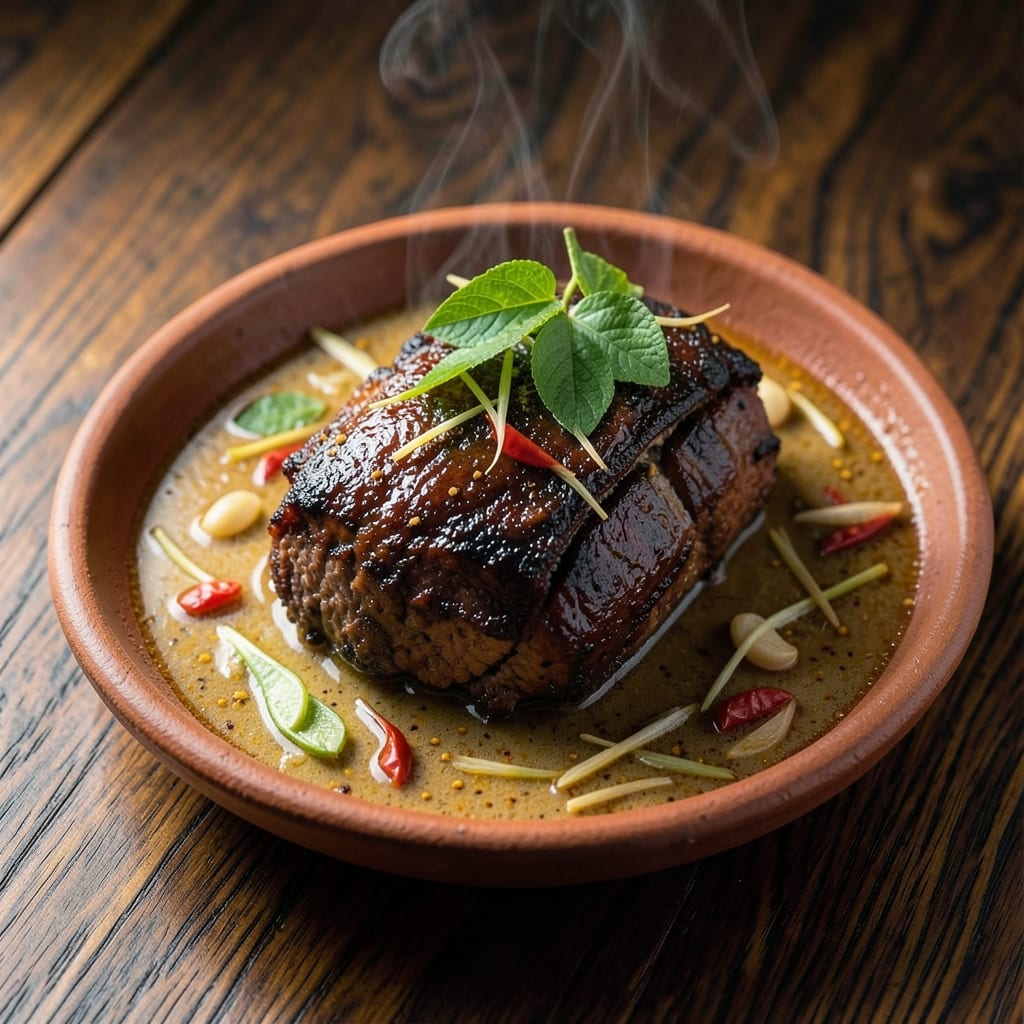
This authentic Indonesian beef rendang recipe delivers the rich, slow-cooked spice complexity that makes it Minangkabau cuisine's crown jewel. The secret lies in hours of simmering—where coconut milk reduces into a caramelized sauce, and aromatic spices transform tough beef into fork-tender perfection. I've perfected the balance between sweet, spicy, and umami through careful spice toasting and layered cooking techniques that build depth over time.
The foundation begins with a vibrant spice paste featuring galangal, lemongrass, and kaffir lime leaves—ingredients that create the signature aromatic punch. Unlike shortcut versions, this recipe insists on traditional methods: first browning the beef, then simmering it in multiple stages of coconut milk to develop that signature caramelized crust. The result is a dish where every bite reveals layers of flavor that evolve as you eat.
What you'll achieve is restaurant-quality beef that falls apart with gentle pressure, coated in a glossy, slightly caramelized sauce that's both rich and aromatic. The spices mellow into warmth rather than heat, creating a dish that's equally satisfying with steamed rice or as a standalone meal. This is the rendang that earns its reputation as Indonesia's most beloved slow-cooked masterpiece.
The process requires patience, but the reward is unmatched depth of flavor that shortcut recipes can't replicate. We'll walk through each stage—from spice paste preparation to the final reduction—so you can experience the full symphony of Indonesian home cooking. Let's begin with the ingredients that make this dish truly authentic.
Ingredients for authentic indonesian beef rendang
These carefully selected ingredients transform simple beef into Indonesia's most celebrated slow-cooked masterpiece.
| Ingredient | Amount | Notes |
|---|---|---|
| Beef Chuck Roast 🥩 | 3 lb | Cut into 2-inch cubes, marbling preferred |
| Coconut Milk (Full-Fat) 🥥 | 2 cans | 400ml each, no substitutes |
| Galangal Root 🌿 | 4 oz | Fresh, peeled and sliced thin |
| Lemongrass Stalks 🌿 | 4 whole | Bruised, lower part only |
| Kaffir Lime Leaves 🍋 | 6 whole | Stems removed, torn in half |
| Shallots 🧅 | 1 ½ cups | Finely minced, about 10-12 cloves |
| Garlic Cloves 🧄 | 10 cloves | Peeled, smashed with side of knife |
| Ginger Root 🌿 | 2 oz | Fresh, peeled and sliced thin |
| Turmeric Powder 🌶️ | 2 tbsp | Freshly ground preferred |
| Coriander Seeds 🌿 | 1 tbsp | Toasted until fragrant |
| Cumin Seeds 🌿 | 1 tbsp | Toasted until fragrant |
| Star Anise Pods 🌶️ | 4 whole | Lightly crushed |
| Cinnamon Sticks 🌿 | 2 whole | 2-inch pieces |
| Cardamom Pods 🌶️ | 4 whole | Lightly crushed |
| White Peppercorns 🌶️ | 1 tbsp | Crushed, not ground |
| Sugar 🍚 | ½ cup | Brown sugar preferred |
| Tamarind Paste 🍋 | ¼ cup | Adjust for tartness preference |
| Salt 🧂 | 1 ½ tsp | Kosher or sea salt |
| Vegetable Oil 🫒 | ½ cup | High smoke point |
The galangal and kaffir lime leaves are non-negotiable for authentic flavor—find them at well-stocked Asian markets or online specialty stores. Penzeys Spices carries excellent quality if local options are limited. For the beef, chuck roast with good marbling is essential—it renders fat during the long cooking process, creating that signature caramelized sauce. The coconut milk must be full-fat (no light versions) to achieve proper reduction. When selecting shallots, look for firm, dry bulbs with papery skins—they'll keep longer and add more depth when minced finely. Toast your whole spices until fragrant—this step develops their essential oils and creates the aromatic foundation for the entire dish.
No galangal? Substitute ginger at half the amount, but you'll lose that citrusy, piney depth. Kaffir lime leaves can be replaced with double the amount of lime zest plus 1 tsp lime juice, though the texture differs. For the tamarind paste, store-bought is fine—just ensure it's thick and pulpy, not watery. Running short on time? Pre-toasted spices from the bulk section work, but freshly toasted delivers superior flavor. The sugar can be swapped for palm sugar or coconut sugar for a more authentic taste. If using pre-minced shallots or garlic, pat them dry first to prevent excess moisture in your spice paste.
Fresh galangal, lemongrass, and kaffir lime leaves keep 5-7 days wrapped in damp paper towels in the fridge. Toasted whole spices stay potent for 6 months in an airtight container. The rendered beef fat from this recipe is liquid gold—save it in a jar for future rendang batches or as a flavorful cooking oil. Tamarind paste freezes beautifully for up to 1 year, while the spice paste can be made 3 days ahead and stored in the fridge. For optimal texture, reheat gently—never microwave—using low heat on the stovetop with a splash of coconut milk to restore moisture.
Why You'll Love This Recipe
- One-Pot Magic: I swear by this—just brown the beef, toss in the spices, and let the coconut milk and galangal do their thing. No chopping, no fuss, and the house smells like heaven by the time it’s done.
- Deep, Caramelized Love: That slow-cooked beef? It’s fall-apart tender with a crust so rich from the reduced coconut milk and toasted spices. Honestly, the first time I tasted it, I nearly cried—it’s that good.
- Weeknight to Party: Same pot, endless uses. Serve it over rice for a quick weeknight dinner or plate it with steamed greens for a fancy gathering. My in-laws think I’m a chef after this one.
- Leftovers That Don’t Suck: Between us, this recipe actually improves the next day. The flavors meld even deeper, and it reheats like a dream. I make a double batch on Sundays—because who wants to cook twice?
Step-by-step instructions for authentic Indonesian beef rendang
This traditional West Sumatran dish transforms tough beef into melt-in-your-mouth perfection through slow caramelization.
Prepare the Spice Paste and Sear the Beef
In a dry skillet, toast the 1 tablespoon coriander seeds and 1 tablespoon cumin seeds over medium heat for 2-3 minutes until fragrant and lightly browned. Immediately transfer to a spice grinder and add the 2 oz peeled and sliced galangal root, 2 oz peeled and sliced ginger root, 1.5 cups finely minced shallots, 10 smashed garlic cloves, 2 tablespoon turmeric powder, 4 lightly crushed star anise pods, 2 cinnamon sticks, 4 lightly crushed cardamom pods, and 1 tablespoon crushed white peppercorns. Grind into a fine paste, adding 0.5 cup vegetable oil as needed to help the process.
While the spices toast, heat a large Dutch oven over medium-high heat. Add the 3 lb beef chuck roast, cut into 2-inch cubes, and sear for 3-4 minutes per side until deeply browned. Remove beef and set aside. In the same pot, add the freshly ground spice paste and cook for 5 minutes until the raw aroma disappears and the paste darkens slightly. This step develops the complex aromatic foundation of authentic rendang.
Build the Coconut Milk Base
Pour in 1 can of full-fat coconut milk, scraping up any browned bits from the bottom. Bring to a gentle simmer over medium heat, then add the 0.25 cup tamarind paste and 0.5 cup sugar. Stir well to dissolve the tamarind and sugar completely. Return the seared beef to the pot along with the 4 bruised lemongrass stalks (lower part only) and 6 torn kaffir lime leaves. Add 1.5 teaspoons salt and bring to a boil.
Once boiling, reduce heat to low and let it simmer uncovered for 1 hour. This initial cooking allows the coconut milk to infuse with the spices while the beef begins to tenderize. Stir occasionally to prevent sticking, and skim off any excess fat that rises to the surface. The sauce should reduce slightly and develop a rich, golden hue during this stage.
Slow-Cook Until Caramelized
After the initial hour, carefully pour in the second can of full-fat coconut milk. The mixture will bubble vigorously—reduce heat to lowest setting to maintain a gentle simmer. Cover the pot and continue cooking for 4-5 hours, stirring every 30 minutes. This prolonged cooking time is crucial for achieving the signature caramelized texture and concentrated flavors of authentic rendang.
As the sauce reduces, it will gradually thicken and develop a glossy, dark brown color. The beef should become fork-tender with minimal resistance when pierced. The aroma should be intensely aromatic with notes of coconut, tamarind, and toasted spices. If the sauce becomes too thick before the beef is tender, add 2-3 tablespoons of water to maintain the proper consistency.
Finish and Rest for Maximum Flavor
Once the beef is fork-tender and the sauce has reduced to a thick, glossy consistency, remove the lemongrass stalks and kaffir lime leaves. Increase heat to medium and let the sauce simmer uncovered for an additional 15-20 minutes to achieve the perfect caramelized texture. The sauce should coat the back of a spoon and leave a slight residue when drizzled.
Transfer the rendang to a serving dish and let it rest at room temperature for 15 minutes. This resting period allows the juices to redistribute throughout the beef, ensuring each bite is moist and flavorful. Serve with steamed jasmine rice to soak up the rich, aromatic sauce. The authentic rendang should have a complex balance of sweet, sour, spicy, and umami flavors with a slightly chewy texture from the caramelized sauce.
Pro Tips For Making Authentic Indonesian Beef Rendang
- Brown the Beef Deep: Don’t just sear—get that chuck roast dark brown to caramelized, even blackened in spots. I used to rush this, and the sauce never developed that deep, smoky base. Take your time; it’s the foundation of the flavor. ---
- Slice Galangal Thin: Skip the thick chunks—slice galangal paper-thin (almost like ginger) so it infuses the coconut milk properly. Thick slices sit like rocks and won’t break down, leaving your rendang tasting half-finished. ---
- Simmer Slow and Low: After the initial cooking, drop the heat to a bare simmer—just tiny bubbles breaking the surface. I learned this the hard way when I walked away and came back to a dry, curdled mess. Patience here makes the difference between tender beef and tough, rubbery chunks. ---
- Strain the Paste: After blending your paste (turmeric, shallots, etc.), strain it through a fine-mesh sieve to remove grit. I was skeptical until I tried it—suddenly, the sauce was silky instead of gritty, and the texture was restaurant-quality. (Yes, even if you’re impatient like me.)
Health benefits of this authentic indonesian beef rendang
Spice-Powered Immunity
This dish is a powerhouse of immune-boosting spices. The galangal and ginger provide gingerol, a compound with potent anti-inflammatory properties that may help reduce muscle pain and inflammation. Meanwhile, turmeric delivers curcumin, a powerful antioxidant linked to improved immune function. The combination of these spices creates a synergistic effect that supports your body's natural defenses. 💪
Heart-Healthy Fats
The coconut milk used in rendang contains medium-chain triglycerides (MCTs), which are metabolized differently than other fats and may support heart health by improving cholesterol ratios. The beef chuck roast provides iron and zinc, essential minerals that help maintain healthy blood circulation and immune function. Together, these ingredients create a dish that's both flavorful and nutritious for your cardiovascular system.
Digestive Benefits
The lemongrass and kaffir lime leaves contain citral, a compound that has been shown to aid digestion by stimulating digestive enzymes. The tamarind paste adds a natural prebiotic effect, promoting healthy gut bacteria. This combination helps create a dish that's gentle on digestion while providing probiotic benefits. The slow-cooking process also helps break down tough fibers, making the beef easier to digest.
Antioxidant-Rich Profile
Every component of this dish contributes to its antioxidant power. The star anise and cardamom provide eugenol, a compound with strong antioxidant properties. The coriander seeds add diosmin, which helps protect cells from oxidative damage. Together, these ingredients create a flavor profile that's not only delicious but also packed with compounds that help combat free radicals in your body. This makes rendang a great choice for regular meals.
Protein for Muscle Repair
A 3 lb serving of beef chuck roast provides approximately 150 grams of high-quality protein, essential for muscle repair and growth. The slow-cooking process helps break down the connective tissues, making the protein more bioavailable and easier for your body to absorb. This makes rendang an excellent choice for post-workout meals or anyone looking to maintain lean muscle mass. The protein content also helps keep you feeling full and satisfied for hours after eating.
Energy-Boosting Carbohydrates
While this dish is primarily protein-focused, the brown sugar and tamarind paste provide natural carbohydrates that help replenish energy stores. The combination of complex carbohydrates from the coconut milk and simple sugars creates a balanced energy profile. When served with jasmine rice, the dish becomes even more complete, providing a balanced macronutrient profile that supports sustained energy throughout the day. This makes rendang an excellent choice for a satisfying and energizing meal. 🌟
Nutrition facts
Frequently asked questions
Why does authentic Indonesian beef rendang take so long to cook?
The 4-6 hour slow cooking is essential for developing the signature caramelized texture and concentrated flavors. This process allows the coconut milk to reduce gradually, creating a thick, glossy sauce that coats the beef perfectly. The long simmer also tenderizes the meat while building complex spice layers that transform simple ingredients into a symphony of flavors.
Can I substitute galangal with ginger if I can't find it?
Yes, you can use ginger at half the amount, but you'll lose that distinctive citrusy, piney depth galangal provides. For best results, combine 1 oz ginger with 1 tsp lime zest to mimic some of galangal's unique character. The texture will differ slightly, but the dish will still be flavorful.
How do I know when the beef is tender enough?
The beef should be fork-tender with minimal resistance when pierced—it should fall apart easily but not be mushy. Look for a glossy, dark brown sauce that coats the back of a spoon. If the sauce thickens too quickly before the meat is tender, add 2-3 tablespoons of water to maintain balance. The total cooking time should be 4-5 hours after adding the second coconut milk.
What's the best way to reheat leftover rendang?
Reheat gently on the stovetop over low heat with a splash of coconut milk to restore moisture. Avoid microwaving as it can make the sauce watery. For best results, reheat just until warmed through—10-15 minutes—then serve immediately. The sauce will thicken again as it cools. Store leftovers in an airtight container for up to 5 days in the fridge.
Can I make the spice paste ahead of time?
The spice paste can be made 3 days ahead and stored in the fridge. For best flavor, let it come to room temperature before using. If it thickens, add a few drops of water to restore consistency. Freezing isn't recommended as it can alter the texture. The paste is the flavor foundation, so fresh is always best—but pre-made saves time when you're ready to cook.