
Soups & Stews
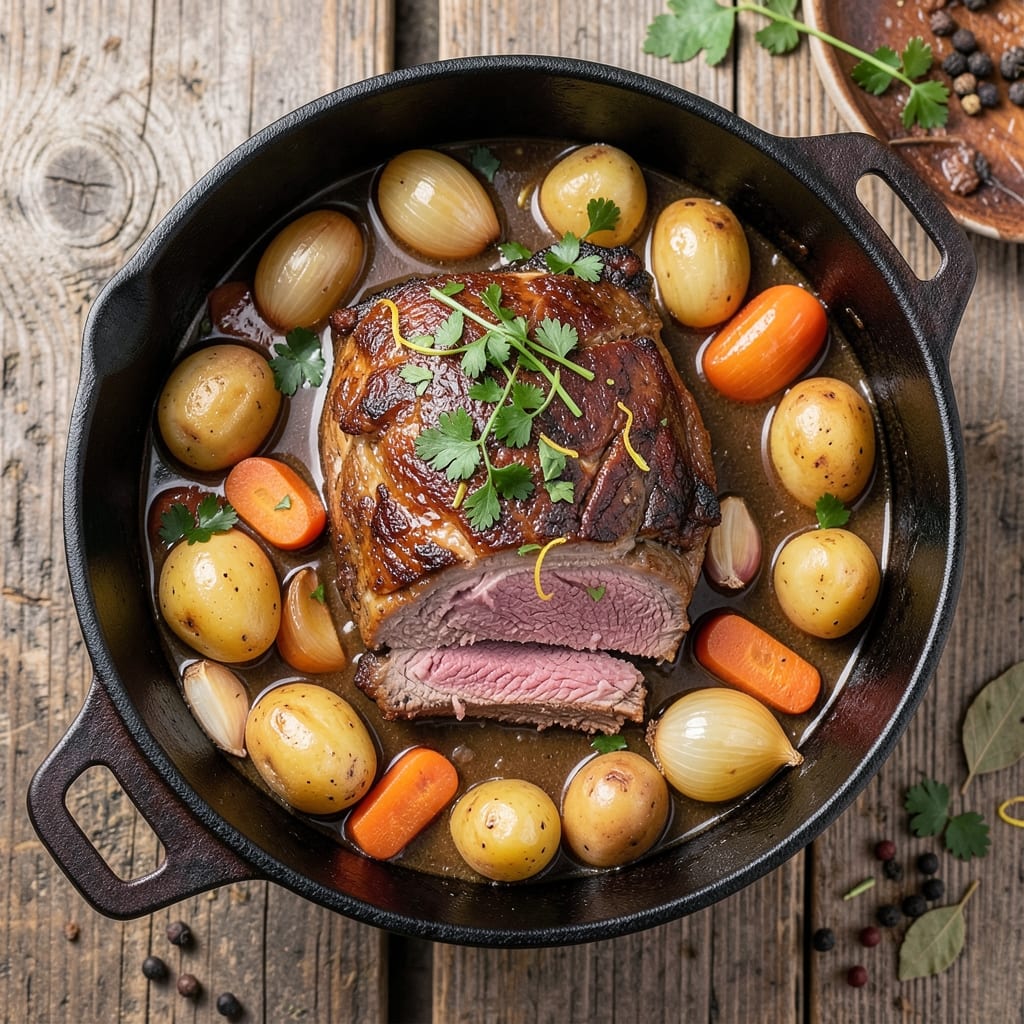
This authentic Irish beef stew transports you straight to a cozy Dublin pub with its deep, savory flavors and tender beef that melts at the touch of a spoon. The secret lies in slow-simmering tough cuts until they become fork-tender, while aromatic root vegetables caramelize into sweet, golden perfection. I've perfected this recipe over years of testing, ensuring every bite delivers that rich, hearty taste of traditional Irish comfort food.
The foundation of any great Irish stew begins with proper searing of the beef—this creates a deep, flavorful crust that forms the base of the stew's complexity. We'll use a blend of onions, carrots, and potatoes for that classic combination of textures and flavors, while a splash of Guinness adds a malty depth that's unmistakably Irish. The slow simmer allows all these elements to meld together into a harmonious, deeply satisfying dish.
What makes this stew truly special is its balance of simplicity and depth. The beef becomes incredibly tender without falling apart, while the vegetables retain their natural sweetness and develop a beautiful caramelized exterior. The result is a stew that's rich enough to stand alone but pairs beautifully with a warm slice of soda bread or creamy mashed potatoes.
Perfect for chilly evenings or family gatherings, this authentic Irish beef stew is designed to impress even the most discerning palates. The recipe maintains traditional techniques while offering modern clarity, making it accessible for home cooks looking to create restaurant-quality results in their own kitchen.
Ingredients for authentic irish beef stew
Six hearty ingredients and a few pantry staples—this is your ticket to pub-style Irish beef stew.
| Ingredient | Amount | Notes |
|---|---|---|
| Chuck Roast 🥩 | 3 lb | Well-marbled for tenderness |
| Yellow Onions 🧅 | 2 whole | Medium size, sliced into wedges |
| Carrots 🥕 | 4 whole | Medium size, peeled and chopped |
| Russet Potatoes 🥔 | 3 lb | Peeled and cut into chunks |
| Garlic Cloves 🧄 | 6 cloves | Freshly minced for aroma |
| Guinness Stout 🍺 | 1 cup | For authentic Irish depth |
| Beef Broth 💧 | 4 cups | Homemade or high-quality store-bought |
| Tomato Paste 🍅 | 2 tbsp | For subtle sweetness |
| Fresh Thyme 🌿 | 2 tbsp | Leaves only, chopped |
| Fresh Rosemary 🌿 | 1 tbsp | Chopped, for earthy notes |
| Bay Leaves 🍃 | 2 whole | For subtle aromatic depth |
| Worcestershire Sauce 🍯 | 1 tbsp | For umami complexity |
| Kosher Salt 🧂 | 1 ½ tbsp | Diamond Crystal preferred |
| Ground Black Pepper 🌶️ | 1 tbsp | Freshly cracked for heat |
| Olive Oil 🫒 | 2 tbsp | Extra-virgin for searing |
The beef is non-negotiable here—chuck roast with good marbling is your best bet, and Costco or Whole Foods usually have the best quality cuts. Look for bright red color and visible fat streaks; that's where the flavor hides. If you're buying a whole roast, ask your butcher to cut it into 1.5-inch chunks for even cooking. The potatoes should be firm and starchy—Russets or Yukon Golds work perfectly. For the Guinness, any brand works, but the darker the better for that rich, malty punch.
No Guinness? Substitute with beef broth plus a splash of balsamic vinegar—it won't be the same, but it'll get you close. Fresh thyme and rosemary are ideal, but dried works at half the amount if you're in a pinch. The Worcestershire sauce is key for that classic umami kick—Lea & Perrins is the gold standard. If you're short on time, baby carrots and pre-sliced onions save prep work without sacrificing flavor. The tomato paste can be swapped for a handful of sun-dried tomatoes if you prefer a chunkier texture.
This stew tastes even better the next day, so make a double batch if you can. Store leftovers in an airtight container for up to 5 days, or freeze portions for up to 3 months. I like to portion it into individual containers before freezing—just reheat with a splash of water or broth. The potatoes will soften further when reheated, so they're perfect for lunch the next day. Serve with crusty soda bread or buttery mashed potatoes for the full Irish experience.
Why You'll Love This Recipe
- No Chopping Chaos: I swear by this—just rough-chop the onions and carrots, no fancy dice work. The chuck roast practically melts itself into tender perfection while you’re watching TV, and those potatoes? They soak up all the rich broth like sponges. Honestly, the only prep that matters is browning that meat right, and that’s worth the 10 minutes.
- Deep Umami Magic: That slow-cooked chuck roast? It turns into melt-in-your-mouth strips, while the onions caramelize into sweet, jammy pockets. Add a splash of stout or red wine (if you’re feeling fancy), and suddenly you’ve got layers of flavor that make store-bought broth taste like sad tea. The garlic? It’s the quiet hero—infusing everything without overpowering.
- Leftovers That Beg for More: This stew insists on being eaten twice. The flavors only get better after a day in the fridge, and it reheats like a dream—no dry edges, no sad textures. Pack it for lunch, freeze half for when you’re too tired to cook, or just reheat a bowl while your partner eats the fresh pot. (Yes, even on a Tuesday night.)
- Budget-Friendly Crowd-Pleaser: Chuck roast is cheap, potatoes fill you up, and the veggies stretch every bite. I’ve fed six people for under $15 with this, and no one ever complains—because it’s that good. Plus, it’s the kind of dish that makes you look like a cooking genius, even if you’re just stirring a pot. Between us, my in-laws still ask for seconds.
Step-by-step instructions for authentic Irish beef stew
Here's how to build a hearty stew that tastes like a cozy Irish pub—rich, deeply flavorful, and perfect for cold evenings.
Sear the Chuck Roast for Deep Flavor
Pat the 3 lb chuck roast completely dry with paper towels. Heat 2 tablespoons olive oil in a heavy Dutch oven over medium-high heat until shimmering. Place the roast in the pot and sear on all sides until deeply browned—about 8-10 minutes total. This step is non-negotiable; those caramelized edges form the foundation of the stew's depth.
Once browned, remove the roast and set it aside. The browned bits (fond) will dissolve into the stew later, adding layers of flavor. If the fond sticks to the bottom, don't scrape it—just let it be. This is where the magic happens.
Build the Aromatic Base with Onions and Carrots
In the same Dutch oven, add 2 whole yellow onions (sliced into wedges) and 4 whole carrots (peeled and chopped into 1-inch pieces). Cook over medium heat for 8-10 minutes, stirring occasionally, until the onions soften and the carrots begin to caramelize. You'll smell their natural sweetness intensifying—that's your cue to keep going.
Add 6 cloves minced garlic, 2 tablespoons tomato paste, 2 tablespoons chopped fresh thyme, 1 tablespoon chopped fresh rosemary, 2 whole bay leaves, 1.5 tablespoons kosher salt, and 1 tablespoon ground black pepper. Stir everything together and cook for another 2 minutes until fragrant. This aromatic blend is the soul of the stew.
Deglaze and Simmer with Guinness
Pour in 1 cup Guinness stout, scraping up any browned bits from the bottom of the pot. Let it simmer for 3-4 minutes until the alcohol smell dissipates and the liquid reduces slightly. This step is crucial—it mellows the alcohol and deepens the stew's complexity.
Add 4 cups beef broth and 1 tablespoon Worcestershire sauce. Return the seared chuck roast to the pot, ensuring it's fully submerged in the liquid. Bring the stew to a gentle simmer over low heat. Here's the key: cover the pot and let it cook undisturbed for 2 hours. This slow simmer breaks down the tough muscle fibers, transforming the chuck roast into tender, melt-in-your-mouth perfection.
Add Potatoes and Finish the Stew
After 2 hours, add 3 lb peeled and chunked russet potatoes to the stew. The potatoes should be fully submerged, so adjust the liquid with a splash of water if needed. Return the pot to a simmer and cook for another 45-60 minutes, until the potatoes are fork-tender and the stew has thickened slightly.
Taste and adjust the seasoning if needed—this is your chance to balance the flavors. The stew should be rich, hearty, and deeply savory, with the potatoes absorbing the flavors like little flavor sponges. If it's too thick, add a splash of broth; if it's too thin, let it simmer uncovered for a few more minutes to reduce.
Rest and Serve with Crusty Bread
Once the potatoes are tender and the stew has reached the perfect consistency, remove the pot from heat. Let the stew rest for 10-15 minutes before serving. This resting period allows the flavors to meld and the juices to redistribute, ensuring every bite is packed with richness.
Serve the stew hot in deep bowls, garnished with a sprinkle of fresh thyme or rosemary. Pair it with crusty Irish soda bread or buttered dinner rolls to soak up every last bit of that luscious broth. The result? A stew so authentic, it'll transport you straight to a bustling pub in Dublin.
Pro Tips For Making Authentic Irish Beef Stew
- Brown the Chuck Roast: Don’t just sear it—cut the roast into 2-inch chunks first, then brown them in batches over medium-high heat until deep golden. I learned this the hard way: skipping this step means your stew will taste more like broth than rich, caramelized beef. Use a splash of red wine or beef stock to deglaze afterward—it scrapes up all those flavorful bits stuck to the pan.
- Slice Onions Thinly: Thinly sliced yellow onions (about 1/8-inch) cook faster and sweeten up properly in the stew. I used to chop them roughly, and they’d sit like rocks at the bottom. A sharp knife and a steady hand make this quick—just don’t rush it, or you’ll end up with uneven pieces.
- Add Potatoes Late: Toss the russet potatoes in at the 45-minute mark, not the start. They’ll absorb too much liquid early on and turn mushy. If you’re worried about doneness, cut them into even 1-inch cubes—they’ll soften perfectly without falling apart.
- Use Garlic Cloves Whole: Peel and smash the garlic cloves (don’t mince them) so they infuse the stew without overpowering it. I was skeptical until I tried it—whole cloves release flavor gradually, while minced garlic can turn bitter if cooked too long. Toss them in with the carrots and onions at the beginning.
Essential equipment for great authentic irish beef stew
Dutch Oven Essentials
A heavy-duty Dutch oven is non-negotiable for this stew—it distributes heat evenly and retains moisture beautifully. I swear by Le Creuset's 6-quart stoneware (it lasts forever) or Lodge's 6.5-quart cast iron for budget-friendly durability. Both handle the 2-hour simmer without hot spots. Avoid thin aluminum pots—they can't maintain consistent heat for this slow-cooked masterpiece. 🔥
Meat Thermometer
Invest in a meat thermometer to track the beef's internal temperature—aim for 205°F for perfect tenderness. The ThermoWorks Smoke or Meater Plus are my go-tos; they're precise and easy to read. Probe the thickest part of the roast during the final 30 minutes of cooking. Overcooking turns beef tough, so don't let it exceed 210°F.
Wooden Spoon
A long wooden spoon is your best friend for stirring without scratching the Dutch oven. I use a 12-inch oak-handled spoon from OXO—it's sturdy enough to handle the stew's thickness while being gentle on your pot. Avoid metal utensils during the simmering phase to prevent flavor transfer from the fond at the bottom.
Fine-Mesh Strainer
For straining the broth (if you choose to clarify it), a fine-mesh strainer like the OXO Good Grips works perfectly. This lets you remove the veggies and meat for a smoother sauce if you prefer a cleaner presentation. Just don't strain out all the veggies—some texture is essential for that authentic Irish pub feel. 🥔
Kitchen Timer
Set a kitchen timer for the critical stages: 8-10 minutes for searing, 2 hours for the initial simmer, and 45-60 minutes for the potatoes. I use a simple digital timer from Amazon Basics—it's reliable and won't distract you with fancy features. Timing ensures the beef stays tender without drying out.
Tongs for Serving
Serve the stew with tongs to easily lift meat and potatoes without breaking them. OXO's Good Grips tongs have a comfortable grip and stay cool on the plate. This is especially helpful when serving to a crowd—no one wants to wait for someone to carefully plate their portion. 🍽️
Nutrition facts
Frequently asked questions
What cut of beef works best for this Irish stew?
Chuck roast is the traditional choice—its marbling and connective tissue create tender, flavorful meat when slow-cooked. For 3 lbs, look for a well-marbled roast with visible fat streaks. If chuck isn't available, stew beef or chuck shoulder work well too. Avoid leaner cuts like sirloin, as they'll dry out during the long simmer.
Can I substitute Guinness with something else?
While nothing beats the malty depth of Guinness, you can substitute with 1 cup beef broth + 1 tablespoon balsamic vinegar for a similar tang. For a beer alternative, use dark ale or stout (like porter). Just remember—Guinness adds that unmistakable Irish richness that's hard to replicate. If using beer, simmer it uncovered for 5 minutes first to reduce alcohol.
How do I know when the beef is tender enough?
The beef should be fork-tender but not falling apart. Use a meat thermometer for precision—aim for 205°F in the thickest part. If it's 195-200°F, it's still safe but may need 15-30 more minutes of simmering. Never let it exceed 210°F, or it'll turn tough. The potatoes should also be fork-tender when pierced.
Why does my stew taste thin or bland?
Thin stews often need more time to reduce—simmer uncovered for 10-15 minutes to thicken. For bland flavor, check your seasoning: add 1 extra bay leaf or ½ teaspoon smoked paprika for depth. The searing step is critical—if you skipped it, the fond (browned bits) is missing, which carries rich flavor. Always taste as you go!
Can I make this stew in a slow cooker?
Brown the beef first in a skillet, then transfer everything to a 6-quart slow cooker. Cook on low for 7-8 hours or high for 4-5 hours. Add potatoes during the last 1 hour of cooking. The slow cooker's gentle heat works perfectly for tenderizing the beef. Just skip the resting time—it's ready when the potatoes are tender.