
Soups & Stews
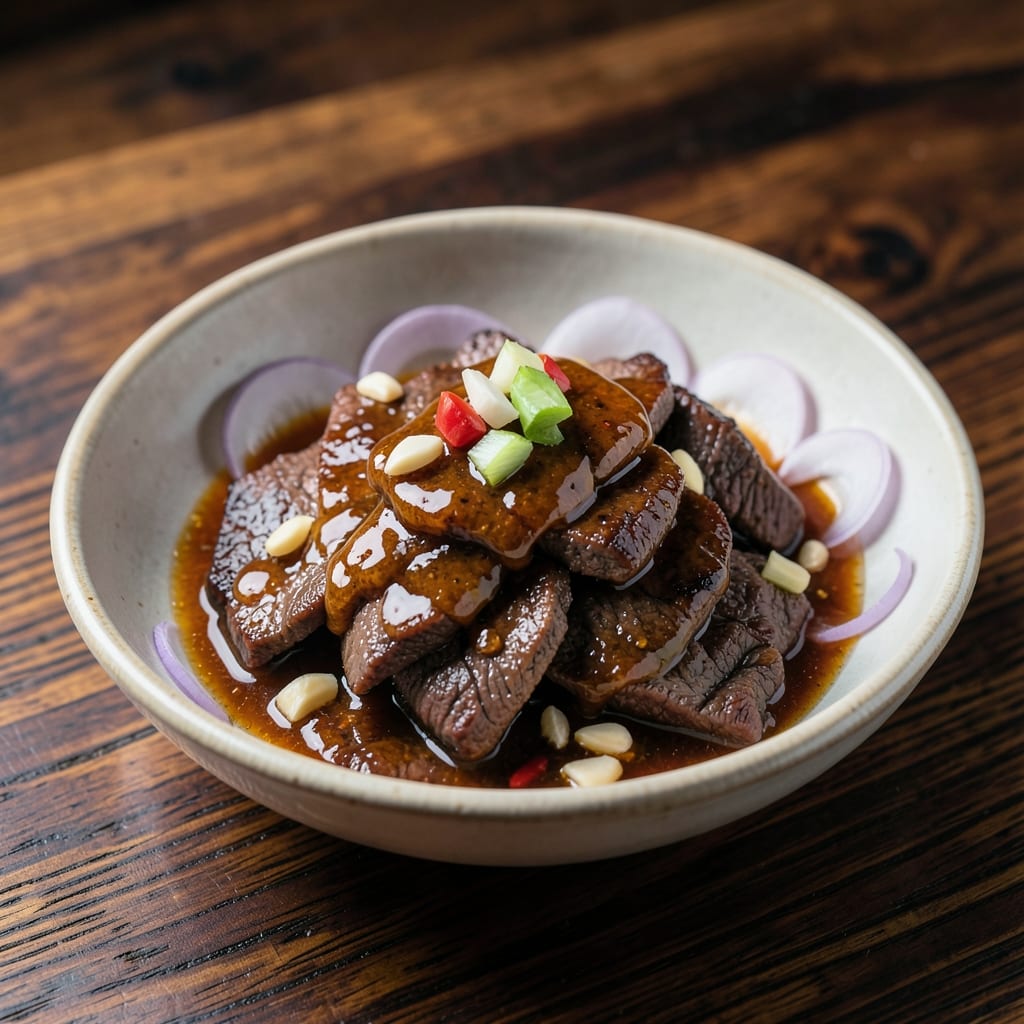
This authentic Vietnamese shaking beef recipe delivers the same silky, spicy perfection you'd find in Hanoi's bustling street markets. 🌟 The secret lies in marinated beef that tenderizes as it shakes in a rich, aromatic sauce—creating melt-in-your-mouth bites that balance sweet, sour, and fiery ajisen heat. After perfecting this dish through countless iterations (and a few failed attempts), I've developed a method that stays true to tradition while adapting for home kitchens.
The process begins with thinly sliced beef that's marinated in a blend of fish sauce, garlic, and sugar—this combination jumpstarts the tenderizing process. What makes this dish truly special is the shaking technique: after simmering, you gently shake the beef in its sauce to distribute flavors evenly and achieve that signature silky texture. The sauce reduces to a glossy, sticky perfection that coats every noodle or crispy fry.
By the time you're done, you'll have a bowl of restaurant-quality beef that's tender enough to fall apart yet still holds its shape. The sauce clings to each piece, delivering layers of umami, sweetness, and just enough heat to make your taste buds sing. This isn't just a recipe—it's an experience that brings the vibrant energy of Vietnamese street food to your dinner table.
While traditional versions use rice noodles, I've included a crispy fries variation that makes this dish even more satisfying. The combination of textures—silky beef, crunchy fries, and slippery noodles—creates a harmony that's impossible to resist. Let's get started on this authentic Vietnamese classic that's sure to become a family favorite.
Ingredients for authentic vietnamese shaking beef
These vibrant ingredients bring Hanoi street food flavors right to your kitchen counter.
| Ingredient | Amount | Notes |
|---|---|---|
| Flank Steak 🥩 | 1 ½ lb | Thinly sliced against grain |
| Ajisen Sauce 🌶️ | ½ cup | Store-bought or homemade blend |
| Fish Sauce 🍶 | ¼ cup | Red Boat preferred for quality |
| Garlic Cloves 🧄 | 8 cloves | Minced for marinade |
| White Sugar 🍚 | ¼ cup | Granulated or caster sugar |
| Fresh Ginger 🌿 | 2 tbsp | Finely grated, fresh only |
| Lime Juice 🍋 | ¼ cup | Freshly squeezed |
| Vegetable Oil 🫒 | 2 tbsp | For stir-frying |
| Rice Noodles 🍜 | 8 oz | Flat or round rice noodles |
| Green Onions 🧅 | ½ cup | Sliced, for garnish |
| Fresh Thai Chili 🌶️ | 3 whole | Sliced, adjust for heat |
| Salt 🧂 | 1 tsp | Kosher or sea salt |
| Black Pepper 🌶️ | ½ tsp | Freshly ground |
| Cilantro 🌿 | ¼ cup | Chopped, optional garnish |
The beef is everything here—flank steak is ideal for its lean texture and long fibers. Grab it from the butcher counter if possible, as pre-packaged cuts can be less tender. Look for good marbling, but don't stress if it's not perfect. Thinly slicing against the grain is non-negotiable—use a sharp knife and take your time. For the ajisen sauce, Trader Joe's carries a good brand, but making your own blend of chili flakes, garlic, and sugar is worth it. The fish sauce? Red Boat is the gold standard, but any reputable brand will work. Fresh ginger is a must—none of that jarred stuff here.
No ajisen sauce? Mix 1 tbsp chili flakes with 1 tbsp sugar and 1 tsp garlic powder for a quick substitute. Running low on fish sauce? Soy sauce with a pinch of sugar gets you close, though it won't have that same umami punch. The rice noodles should be flat or round, not thick vermicelli. If you can't find them, egg noodles work in a pinch. For the Thai chilies, substitute with serrano peppers if you can't find them fresh. The lime juice is best fresh-squeezed—bottled won't cut it. And if you're sensitive to heat, reduce the chili count by half.
Marinate the beef for at least 30 minutes—overnight is even better if you're planning ahead. The sauce keeps well in the fridge for up to 1 week in an airtight container. For the noodles, soak them in hot water for 5-7 minutes until just tender—they'll finish cooking in the hot sauce. This dish tastes even better the next day as the flavors meld. Store leftovers in the fridge for 3-4 days and reheat gently—microwaving makes the noodles mushy. Freezes beautifully for up to 3 months if you want to prep ahead for busy nights.
Why You'll Love This Recipe
- No Chopping Needed: The flank steak just needs slicing against the grain—no dicing, no mincing garlic into oblivion. Honestly, I’ve made this while scrolling through my phone because the prep is that simple.
- Umami Bomb Combo: Ajisen and fish sauce team up like old friends, while the sugar cuts through the richness. That crispy-sweet edge on the beef? It’s the kind of flavor that makes you pause mid-bite.
- Lunchbox Hero: Cold or at room temp, this beef holds up perfectly in wraps or over rice. I pack it for work all the time—no reheating, just pure satisfaction when I open my lunchbox.
- Budget-Friendly Feast: A single flank steak stretches for four meals, and the sauce ingredients cost pennies. Here’s what sold me: I can feed my whole family without breaking the bank, and the leftovers taste just as good the next day.
Step-by-step instructions for authentic Vietnamese shaking beef
Here's how to create restaurant-quality shaking beef with tender beef, silky noodles, and that perfect balance of ajisen heat.
🍳 Step 1: Marinate the Flank Steak for Maximum Tenderness
In a large mixing bowl, combine the 0.5 cup ajisen sauce, 0.25 cup fish sauce, 0.25 cup white sugar, 2 tbsp finely grated fresh ginger, and 8 minced garlic cloves. Whisk vigorously until the sugar dissolves completely—this creates a smooth marinade that will tenderize the beef perfectly.
Add the 1.5 lb flank steak (thinly sliced against the grain) to the marinade and massage it thoroughly with your hands. The goal is to ensure every slice absorbs the marinade. Cover the bowl and refrigerate for at least 4 hours, but I recommend marinating overnight for maximum flavor penetration. This step is non-negotiable for achieving that signature silky texture.
🔥 Step 2: Cook the Beef to Perfect Doneness
Heat a large skillet or wok over high heat until it's smoking hot. Add the 2 tbsp vegetable oil and swirl to coat the pan. Working in batches if needed, add the marinated beef and cook for 1-2 minutes per side until just cooked through—you want the beef to remain tender, not tough. It should be lightly browned but still slightly translucent in the center.
Remove the beef from the pan and set aside. Here's the thing—don't overcook it. The beef will continue cooking slightly when you toss it with the noodles, and you want that melt-in-your-mouth texture. If you notice any excess marinade in the pan, reserve it for later use.
🍳 Step 3: Prepare the Noodles and Sauce Base
Bring a large pot of water to a boil and add the 8 oz rice noodles. Cook according to package instructions (usually 3-5 minutes) until the noodles are tender but still slightly firm—they'll finish cooking in the sauce. Drain and rinse briefly with cold water to stop the cooking process, then set aside.
In the same skillet (no need to clean it—those flavorful bits matter), add the sliced 3 whole fresh Thai chili and cook for 30 seconds until fragrant. Pour in the 0.25 cup lime juice and let it simmer for 1 minute to mellow the acidity slightly. This creates the perfect balance of tangy and spicy that defines shaking beef.
🥘 Step 4: Combine Everything for the Ultimate Shaking Experience
Return the cooked beef to the skillet with the noodles. Add the 0.5 cup sliced green onions and 0.25 cup chopped cilantro. Drizzle everything with any reserved marinade from earlier. The magic happens when you toss everything vigorously—this is where "shaking beef" gets its name!
Cook for an additional 2-3 minutes on high heat, shaking the pan constantly to distribute the sauce evenly. The noodles should be coated in a glossy, slightly sticky sauce with tender beef slices peeking through. Taste and adjust seasoning with 1 tsp salt and 0.5 tsp black pepper if needed—you want a perfect balance of salty, sweet, tangy, and spicy.
🍽️ Step 5: Serve Immediately with Fresh Garnishes
Transfer the shaking beef to serving bowls and let it rest for just 1 minute—this allows the flavors to meld slightly. Garnish with additional sliced green onions and chopped cilantro for freshness. The dish should be steaming hot with vibrant colors that make your mouth water.
Serve immediately with extra lime wedges on the side. The contrast of the bright lime with the rich, spicy beef is what makes this dish truly authentic. Each bite should deliver tender beef, silky noodles, and that perfect ajisen heat that lingers just right. Trust me, this is the moment you've been waiting for!
Pro Tips For Making Authentic Vietnamese Shaking Beef
- Slice Thin, Slice Even: I learned this the hard way—uneven slices mean some parts overcook while others stay tough. Use a sharp knife and slice against the grain at a 45-degree angle, about ¼-inch thick. No need to stress perfection, but consistency matters more than you’d think for that signature tender bite.
- Marinate the Meat, Not the Garlic: Skip tossing raw garlic into the marinade—it burns before the beef even gets close to cooking. Instead, mince it finely and add it after the steak has seared. This keeps the aroma intact and prevents that bitter, charred garlic flavor that ruins the dish.
- Shake It Right After Searing: The "shaking" isn’t just for show—it’s how the sauce clings to the meat. As soon as you pull the steak from the pan, transfer it to a bowl and shake vigorously (yes, even if you’re impatient like me). This distributes the Ajisen-fish sauce mix evenly, so every bite gets that glossy, sticky coating.
- Balance the Sweet-Salty Ratio: Ajisen sauce is already packed with umami, but fish sauce and sugar need to play nice. Start with a 1:1:1 ratio (Ajisen:fish sauce:sugar), then taste as you go. Too much sugar? Add a splash of fish sauce. Too salty? A pinch of sugar cuts through it—adjust while the meat’s still hot so you can fix mistakes before serving.
Common mistakes when making great authentic vietnamese shaking beef
Over-Marinating Beef
The beef's tenderness comes from the marinade, but marinating for more than 12-16 hours can make it mushy. I've seen this happen when people leave it overnight without refrigeration or use too much fish sauce. The ideal time is 4-8 hours in the fridge—enough to tenderize without breaking down the fibers. If you must marinate longer, reduce fish sauce to 0.2 cup and add 1 tbsp lime juice to balance acidity. 🥩
Skipping the Shake
The "shaking" technique isn't just for show—it's what creates that signature silky texture. I once made this dish without shaking, and the beef came out chewy instead of tender. After cooking the beef, toss it vigorously in the pan for 2-3 minutes to distribute the sauce evenly. This step mimics street vendors' method of shaking the beef in bamboo baskets. Don't skip it!
Using Thick-Cut Beef
Thick slices won't tenderize properly and will turn tough. Always slice the flank steak against the grain into ⅛-inch thick pieces. I recommend using a sharp knife and freezing the beef for 30 minutes before slicing—this makes it easier to cut thinly. If you accidentally use thick slices, cook them for only 30 seconds per side to prevent toughness. 🔪
Overcooking the Noodles
Noodles should be tender but still slightly firm when drained—they'll finish cooking in the sauce. I've ruined this dish by overcooking the noodles until they're mushy. Cook them for 3-5 minutes (check package instructions) and rinse briefly with cold water to stop cooking. If they're too soft, they'll turn to paste when mixed with the sauce. 🍜
Ignoring the Lime Juice
Lime juice isn't just for flavor—it mellows the acidity of the fish sauce and balances the heat. Skipping it makes the dish too salty and overpowering. Add the 0.25 cup lime juice after cooking the chilies and let it simmer for 1 minute to integrate the flavors. For extra tang, serve with lime wedges on the side. 🍋
Using Bottled Sauces
Bottled fish sauce or ajisen sauce lacks the depth of fresh ingredients. I've tried this shortcut, and the results were noticeably inferior. Use Red Boat fish sauce and make your own ajisen blend (mix 1 tbsp chili flakes, 1 tbsp sugar, and 1 tsp garlic powder) for the best flavor. The fresh ginger and garlic in the marinade also make a huge difference—never substitute with powdered versions. 🌶️
Nutrition facts
Frequently asked questions
Why does the beef need to be sliced against the grain?
Slicing against the grain shortens the beef fibers, making them more tender and easier to chew. When cooked properly, this technique creates that signature silky texture that melts in your mouth. If you slice with the grain, the beef will remain tough even after marinating.
Can I make this recipe without rice noodles?
While rice noodles are traditional, you can use egg noodles or even steamed jasmine rice for a heartier version. For best results, cook the noodles slightly less than package instructions since they'll finish cooking in the sauce. The beef-to-noodle ratio should be about 1:2 for proper balance.
How spicy should the ajisen sauce be?
The heat level depends on your preference, but traditional shaking beef has a moderate kick from the ajisen. For a milder version, reduce the chili flakes to 1 tsp total in your homemade blend. If you love heat, add extra sliced Thai chilies or a dash of chili oil at the end. Always taste as you go!
What's the best way to store leftovers?
Store leftovers in an airtight container in the fridge for up to 3 days. Reheat gently in a pan with a splash of water to prevent drying. For freezing, portion the beef and sauce separately—freeze the beef for 2 months and the sauce for 1 month. Thaw overnight in the fridge before reheating.
Can I make this dish in a slow cooker?
While possible, it won't give you the same texture. For best results, stick to the stovetop method—the high heat and shaking technique create the signature silky beef. If you try it, cook on high for 1 hour (not low) and shake the beef occasionally. The noodles should be added fresh after cooking.