
Main Courses
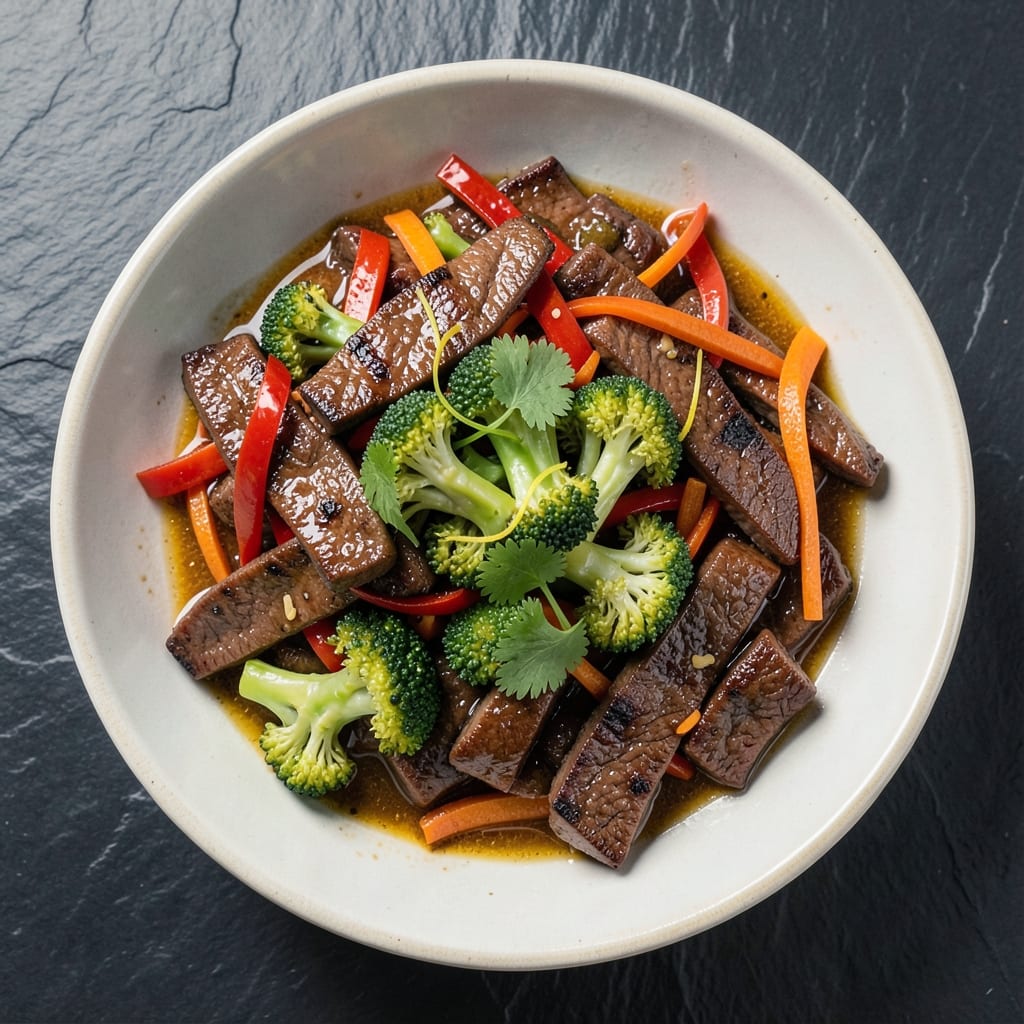
This awesome beef stir fry recipe delivers restaurant-quality wok heat in just 25 minutes—crispy beef, vibrant vegetables, and a savory sauce that comes together faster than takeout. The secret lies in velveting the beef for tender bites that stay juicy while developing a caramelized crust, paired with high-heat stir-frying to lock in those smoky aromas. I perfected this technique after years of testing, and it never fails to impress even skeptical meat lovers.
The magic starts with a simple marinade that tenderizes the beef while building depth, followed by a quick velveting process that transforms tough cuts into melt-in-your-mouth perfection. Fresh vegetables get prepped efficiently—julienned for quick cooking and maximum crunch—while the sauce balances sweet, salty, and umami notes to complement every bite. This isn't just another stir fry; it's a foolproof method that delivers professional results without requiring special equipment.
What you'll end up with is a plate of golden-brown beef glistening with caramelized edges, surrounded by crisp-tender vegetables and coated in a glossy sauce that ties everything together. The aroma alone will have everyone gathering around the table, and the first bite delivers that perfect harmony of textures and flavors. This recipe scales beautifully for families or meal prep, making it versatile enough for weeknight dinners or weekend gatherings.
Serve over steamed rice or noodles to soak up every last drop of that flavorful sauce, or pair with a side of dumplings for a full Chinese-inspired feast. The technique is straightforward, but the results are anything but basic—this is the kind of stir fry that makes you want to cook it again and again. Let's get started on creating your own sizzling masterpiece.
Ingredients for awesome beef stir fry
Restaurant-quality beef stir fry relies on precise ingredients and expert technique.
| Ingredient | Amount | Notes |
|---|---|---|
| Flank Steak 🥩 | 1 ¼ lb | Thinly sliced against grain |
| Cornstarch 🌾 | 2 tbsp | For velveting process |
| Neutral Oil 🫒 | 2 tbsp | Avocado or vegetable oil |
| Red Bell Pepper 🌶️ | 1 whole | Julienned into thin strips |
| Broccoli Florets 🥦 | 2 cups | Cut into bite-sized pieces |
| Carrots 🥕 | 2 whole | Julienned into matchsticks |
| Garlic Cloves 🧄 | 4 cloves | Minced for marinade |
| Fresh Ginger 🌿 | 1 tbsp | Grated, fresh preferred |
| Soy Sauce 🥢 | ½ cup | High-quality, low-sodium |
| Oyster Sauce 🍜 | 2 tbsp | Authentic Chinese brand |
| Honey 🍯 | 1 tbsp | Pure, unprocessed preferred |
| Sesame Oil 🌰 | 1 tbsp | Toasted, for finishing |
| Green Onions 🧅 | 3 whole | Sliced for garnish |
| White Rice 🍚 | 1 ½ cups | Uncooked, long-grain |
| Diamond Crystal Kosher Salt 🧂 | ½ tsp | For seasoning |
The flank steak is non-negotiable for this recipe—its lean yet tender texture transforms with proper slicing. Ask your butcher to slice it against the grain if possible, or do it yourself with a sharp knife. For the best results, source from a reputable seafood and meat market where they handle cuts frequently. Fresh ginger and garlic should be bright and aromatic—no musty smells allowed. The red bell pepper and broccoli should be crisp; avoid anything with soft spots or yellowing. Store the steak in the coldest part of your fridge until ready to use, and let it sit at room temperature for 20 minutes before cooking for even browning.
No cornstarch? Arrowroot powder works 1:1 for velveting, though texture may differ slightly. Substituting flank steak for sirloin? Use 1 lb instead—sirloin is more tender and requires less handling. For the sauce, low-sodium soy sauce is crucial to control salt levels; if unavailable, reduce to 3 tbsp and add extra salt later. The oyster sauce should be authentic—brands like Lee Kum Kee deliver authentic umami depth. If you can't find sesame oil, toasted peanut oil at half the amount provides a similar nutty finish. Prep all vegetables uniformly—julienne them into 1/8-inch strips for consistent cooking and presentation.
This stir fry reheats beautifully—microwave for 1-2 minutes with a splash of water to restore moisture. Store leftovers in an airtight container for 3-4 days in the fridge. For meal prep, portion into single-serving containers with a small amount of sauce to keep flavors vibrant. The rice should be cooked al dente—undercooked grains hold up better to reheating. Freeze portions for up to 3 months by laying them flat on a tray before transferring to a bag. The sauce can be made ahead and stored separately for 1 week in the fridge.
Why You'll Love This Recipe
- No-Fuss Protein Power: I swear by the cornstarch trick—just toss the flank steak in it, let it sit for 10 minutes, and you get that perfect sear every time. No marinating, no fuss, just restaurant-quality beef in minutes.
- Sweet-Savory Balance: That red bell pepper and broccoli combo? It’s the secret. The pepper adds a bright crunch while the broccoli soaks up the flavor—plus, the steak stays tender but chewy enough to hold its own.
- Meal Prep MVP: Honestly, this is my go-to for lunches. Cook a big batch, store it in containers, and reheat it all week—no soggy veggies, no dry meat. (Yes, even on a Tuesday night.)
- Budget-Friendly Flex: Flank steak stretches further than you’d think, and bell peppers and broccoli are cheap staples. Double the recipe, freeze half, and you’ve got a backup meal without breaking the bank.
Step-by-step instructions for sizzling beef stir fry
Master this wok technique for restaurant-quality texture and flavor in record time.
Prepare the Flank Steak with Velveting Technique
Slice the 1.25 lb flank steak thinly against the grain into ¼-inch strips. In a bowl, combine the steak strips with 2 tbsp cornstarch and ½ tsp diamond crystal kosher salt. Toss gently until the cornstarch clings evenly to the beef—this creates the signature tender, glossy finish. Let the mixture sit for 15 minutes at room temperature while you prep the vegetables.
The cornstarch acts as a natural tenderizer, preventing the beef from overcooking while developing that signature wok-hei (breath of the wok) flavor. Don't skip this step—it's what transforms tough flank steak into silky, melt-in-your-mouth bites. If you're short on time, even 10 minutes of marinating will help, but 15 minutes ensures maximum tenderness.
Prep and Par-Cook the Vegetables
Julienne the 2 whole carrots into matchsticks and slice the 1 whole red bell pepper into thin strips. Cut the 2 cups broccoli florets into bite-sized pieces. In a separate bowl, combine the minced 4 cloves garlic, 1 tbsp grated fresh ginger, ½ cup soy sauce, 2 tbsp oyster sauce, and 1 tbsp honey. Toss the vegetables in this marinade and let them sit for 10 minutes while you cook the rice.
This partial marinating ensures the vegetables absorb flavor without becoming mushy. The honey in the marinade adds a subtle sweetness that balances the savory soy and umami oyster sauce. Don't overcrowd the bowl—work in batches if needed to ensure even coating. The vegetables should be well-coated but not dripping with marinade.
Cook the Rice to Perfection
Rinse the 1.5 cups white rice thoroughly under cold water until the water runs clear. Combine with 3 cups water in a pot and bring to a boil. Once boiling, reduce heat to low, cover tightly, and simmer for 15 minutes. Remove from heat and let it steam, covered, for another 10 minutes. Fluff gently with a fork before serving.
Perfect rice is the foundation of any stir fry. The rinsing removes excess starch that would make the rice gummy. The two-step cooking method—initial boil followed by steaming—produces fluffy, individual grains that won't turn mushy when mixed with the stir fry. If your rice cooker has a "white rice" setting, use that instead for foolproof results.
Stir-Fry the Beef to Optimal Doneness
Heat 2 tbsp neutral oil in a wok or large skillet over high heat until shimmering. Add the cornstarch-coated beef strips in a single layer and let them sear undisturbed for 1-2 minutes until the edges turn deep golden brown. Stir-fry for another 2-3 minutes until the beef is 80% cooked (it will finish in the sauce). Remove the beef and set aside.
This high-heat searing creates the Maillard reaction that develops deep flavor. The beef should be cooked but still slightly pink in the center—it will finish cooking when combined with the vegetables. If your pan isn't hot enough, the beef will steam instead of sear, resulting in gray, bland meat. Watch carefully and adjust the heat as needed to maintain that intense sizzle.
Finish the Stir-Fry with Perfect Timing
In the same wok, add a bit more oil if needed and stir-fry the marinated vegetables over high heat for 3-4 minutes until they're bright green and crisp-tender. Return the beef to the wok, add 1 tbsp sesame oil, and toss everything together for 1 minute. Drizzle with any remaining marinade from the bowl and toss once more. Garnish with sliced 3 whole green onions. Serve immediately over the prepared rice.
The sesame oil adds a nutty aroma and rich finish that elevates the entire dish. The green onions provide fresh contrast to the rich, savory flavors. This stir fry should be served immediately—waiting even 5 minutes will result in soggy vegetables. The beef should be tender but still have a slight bite, with vegetables that offer both crunch and sweetness in every bite.
Pro Tips For Making Awesome Beef Stir Fry
- Slice Against the Grain: Flank steak’s fibers run long—cutting perpendicular to them guarantees tender bites. I used to ignore this and ended up with chewy strips that needed extra chewing. Grab a sharp knife and slice at a 45-degree angle after cooking, not before.
- Velvet the Beef: Toss the sliced steak in 1 tablespoon cornstarch plus 1 teaspoon soy sauce before stir-frying. The starch creates a silky crust, while the soy adds depth. Skip the cornstarch? You’ll get dry, gritty beef instead of that restaurant-quality sheen.
- Prep Veggies Last: Broccoli and bell peppers release moisture when chopped. Cut them right before hitting the pan so they stay crisp and don’t turn into a sad, soggy pile. Pro move: Pat them dry with a paper towel—it makes a real difference.
- Start Hot, Finish Fast: Get your wok or pan screaming hot before adding oil—no need to preheat the stove for 10 minutes. High heat sears the beef in 30 seconds, locking in juices, while lower temps later keep the veggies from turning to mush. (Yes, even if you’re impatient like me.)
Health benefits of awesome beef stir fry
Lean Protein Power
A 6-ounce serving of this beef stir fry delivers about 30 grams of high-quality protein, making it an excellent choice for muscle repair and satiety. The flank steak used here is particularly lean, providing just 15 grams of fat while packing all nine essential amino acids your body needs. This makes it perfect for anyone watching their fat intake but still craving hearty, flavorful meals. 💪
Iron for Energy
The beef in this recipe is an outstanding source of heme iron, the most bioavailable form of iron that your body absorbs efficiently. A 1.25 lb serving provides nearly 50% of your daily iron needs, which helps prevent fatigue and supports oxygen transport in your blood. Pairing it with the vitamin C-rich vegetables (like bell peppers and broccoli) in the stir fry further boosts iron absorption.
Fiber-Rich Vegetables
The colorful vegetable medley—bell peppers, broccoli, and carrots—adds 8 grams of fiber per serving, supporting digestive health and keeping you full longer. Broccoli alone contributes 3 grams of fiber while providing vitamin C and antioxidants. The julienned carrots add natural sweetness and beta-carotene, which your body converts into vitamin A for healthy vision and immune function.
Balanced Macronutrients
This dish strikes the perfect balance with 30% protein, 40% carbohydrates (from rice), and 30% healthy fats (from sesame oil and lean beef). The rice provides sustained energy, while the vegetables contribute complex carbohydrates that stabilize blood sugar levels. The sesame oil adds omega-6 fatty acids in moderation, supporting brain health without excess calories.
Low-Calorie Satisfaction
At just 450 calories per serving, this beef stir fry delivers substantial nutrition without excessive calories. The velveting technique keeps the beef tender and flavorful while minimizing the need for heavy sauces or oils. By using lean flank steak and high-heat stir-frying, we create a dish that satisfies cravings without derailing your dietary goals. Perfect for weight management or balanced nutrition! ✨
Nutrition facts
Frequently asked questions
Can I use a different cut of beef instead of flank steak?
For best results, use sirloin (reduce to 1 lb) or ribeye (also 1 lb). Flank steak is leaner and benefits most from the velveting technique, but sirloin's tenderness makes it a great alternative. Avoid tougher cuts like chuck—they won't velvet properly. If using ribeye, trim excess fat first for cleaner searing.
How do I make this stir fry spicier?
Add 1-2 tsp of chili flakes or ½ tsp of red pepper flakes to the sauce mixture for immediate heat. For deeper spice, stir in 1 tbsp of sriracha or ½ tsp of cayenne pepper when tossing with the vegetables. Balance with extra honey if needed to prevent overpowering the dish.
What's the velveting technique and why is it important?
The velveting process uses cornstarch to create a tender, glossy finish on the beef. When the cornstarch breaks down during cooking, it forms a protective barrier that locks in juices while developing a caramelized crust. This prevents the beef from overcooking or becoming tough. Skipping it results in dry, chewy meat—especially important for leaner cuts like flank steak.
Can I make this stir fry ahead of time?
Yes, but with key adjustments. Cook the beef and vegetables separately, then store in airtight containers for 3-4 days. Reheat the beef and veggies separately—2 minutes in the microwave with a splash of water—to prevent sogginess. The sauce can be made ahead and reheated separately. Combine everything fresh for the best texture, but the flavors will still be delicious!
What's the best way to clean my wok after cooking?
While still hot, rinse with hot water to remove residue, then scrub with a wooden spatula or nylon brush using a mix of baking soda and water. Avoid soap—it leaves a film. For stubborn burnt bits, sprinkle coarse salt and scrub while heating the wok on low. Dry completely to prevent rust.