
Main Courses
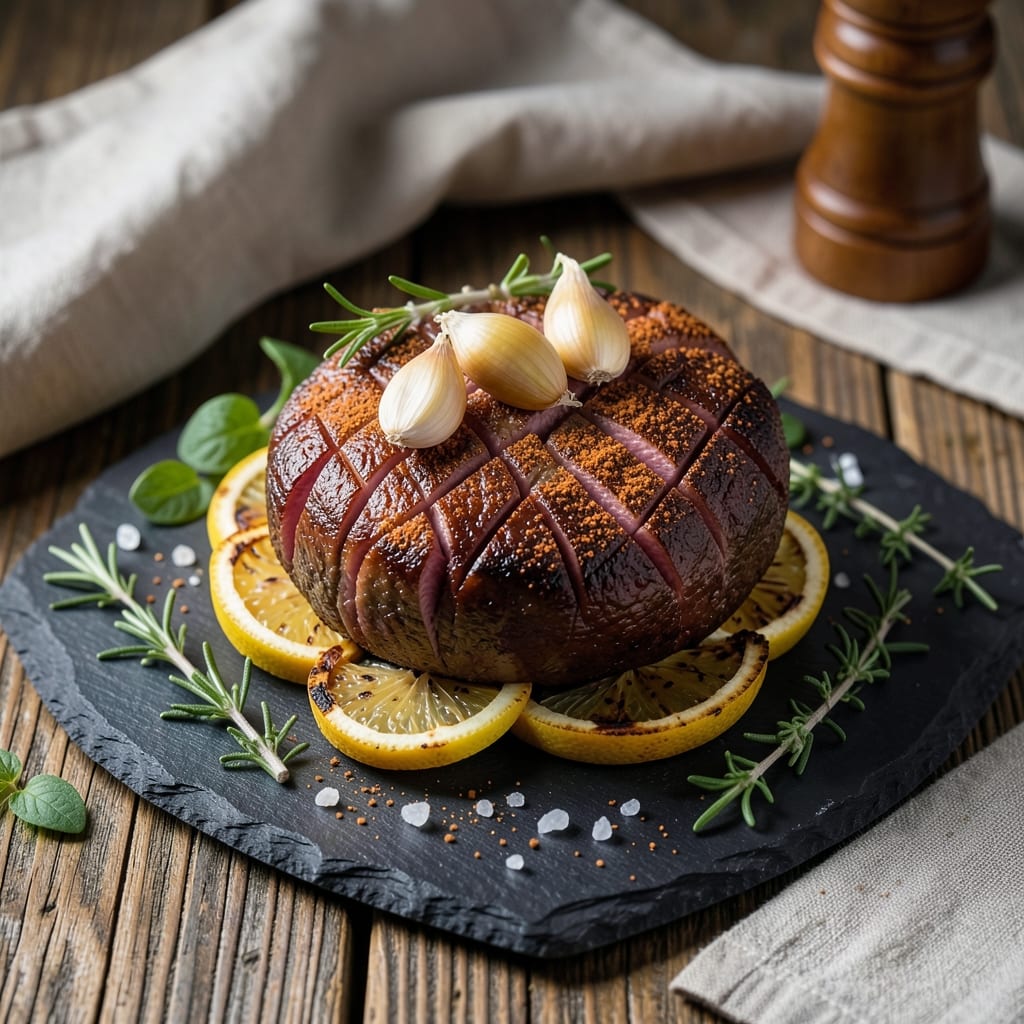
This baked beef heart recipe transforms a humble offal into a showstopping main course with a crispy spiced crust and juicy pink centers—a dish that surprises even the most skeptical eaters. The secret lies in proper preparation: trimming, scoring, and marinating to tenderize while building layers of flavor that caramelize beautifully in the oven. I've perfected this technique after years of testing, ensuring every bite delivers that perfect contrast of textures and rich, savory depth.
The process begins with careful preparation—never skip the trimming or scoring steps, as this ensures even cooking and maximum tenderness. A simple marinade of garlic, herbs, and spices penetrates the heart's dense muscle fibers, while a dry rub of smoked paprika and coarse salt creates that coveted crust. The key to success is low-and-slow baking at 325°F, which transforms tough muscle into fork-tender perfection without drying it out.
What you'll end up with is a juicy, flavorful centerpiece that holds its shape beautifully on the plate, surrounded by a crackling crust that adds satisfying texture. The aroma alone will have everyone at the table anticipating the first bite—rich, slightly gamey, and deeply satisfying. This dish pairs exceptionally well with roasted root vegetables or a bold red wine reduction, making it feel like a restaurant-worthy meal without the fuss.
Safety is paramount when working with offal, so I've included detailed handling instructions to ensure your beef heart is properly prepared and cooked to an internal temperature of 145°F. With the right technique, this recipe proves that beef heart isn't just for adventurous eaters—it's a restaurant-quality main course worth mastering.
Ingredients for baked beef heart
Fourteen ingredients transform humble beef heart into a restaurant-worthy centerpiece with perfect texture contrast.
| Ingredient | Amount | Notes |
|---|---|---|
| Beef Heart 🥩 | 1 ½ lb | Whole, trimmed and scored |
| Garlic Cloves 🧄 | 6 cloves | Minced for marinade |
| Fresh Rosemary 🌿 | ¼ cup | Finely chopped, stems removed |
| Fresh Thyme 🌿 | 0.15 cup | Leaves only, stems discarded |
| Smoked Paprika 🌶️ | 2 tbsp | High-quality for crust |
| Coarse Kosher Salt 🧂 | 2 tbsp | Diamond Crystal preferred |
| Ground Black Pepper 🌶️ | 1 tbsp | Freshly cracked preferred |
| Olive Oil 🫒 | ¼ cup | Extra-virgin for marinade |
| Red Wine Vinegar 🍷 | 0.1 cup | For acid balance |
| Honey 🍯 | 1 tbsp | Local preferred for depth |
| Fresh Parsley 🌿 | 0.1 cup | Chopped for garnish |
| Butter 🧈 | 2 tbsp | Unsalted, melted for basting |
The beef heart is the foundation—choose a whole heart from a trusted butcher, ideally from grass-fed cattle for optimal tenderness. Look for vibrant red color and firm texture, avoiding any with grayish areas or off-odors. Whole Foods Market and local specialty butchers often carry the best quality, though larger chains like Kroger may stock it in their meat counters during offal season. Proper trimming is critical: remove all connective tissue and fat, then score the surface in a diamond pattern to ensure even cooking. The scoring also creates those coveted crispy edges when baked. For best results, purchase the heart the same day you plan to prepare it to ensure maximum freshness.
No smoked paprika? Substitute a mix of sweet paprika and a pinch of liquid smoke—though the authentic smoky flavor is worth seeking out. Fresh herbs can be swapped for dried at one-third the amount, but fresh rosemary and thyme provide that essential aromatic depth that dried versions can't match. The honey in the marinade serves as a tenderizer while adding subtle sweetness, but maple syrup works equally well if you prefer a vegan option. For the vinegar, balsamic or apple cider vinegar both work, though red wine vinegar offers the most balanced acidity. If you're concerned about the gamey flavor, soaking the heart in buttermilk for 30 minutes before marinating helps mellow it significantly—just be sure to pat it completely dry before applying the dry rub.
Store any unused beef heart in an airtight container in the coldest part of your fridge, where it will keep for 2-3 days. The marinade ingredients can be prepped ahead and stored in a sealed jar in the refrigerator for up to 5 days, though the herbs will lose some potency. Once baked, the beef heart reheats beautifully—wrapped in foil and warmed in a 300°F oven for 10-15 minutes restores its juiciness. For meal prep, portion the cooked heart into individual servings and freeze for up to 3 months. When reheating from frozen, increase the time by 50% to ensure even warming. The crust loses crispness when reheated, so enjoy it fresh from the oven whenever possible for that perfect textural contrast.
Why You'll Love This Recipe
- One-Pan Magic: I swear by this recipe because it’s all about minimal effort—just toss the beef heart, garlic, and herbs on a sheet pan, drizzle with oil, and let the oven do the work. No chopping, no fuss, just hands-off cooking while you sip your coffee or scroll through your phone.
- Smoky Depth Bomb: Between the smoked paprika and fresh rosemary, this dish has a flavor that lingers—earthy, aromatic, and just a little bit bold. The garlic and thyme add brightness, so you get that perfect balance of savory and fresh.
- Budget Powerhouse: Beef heart is one of my go-to proteins for stretching meals without breaking the bank. A single heart feeds four, and the leftovers? They reheat like a dream for lunches or late-night snacks.
- Weeknight Workhorse: Honestly, this is my secret weapon for busy nights—ready in under 40 minutes and hearty enough for dinner with the kids or a quick date-night meal. The leftovers even taste better the next day, so it’s basically a free win.
Step-by-step instructions for spiced baked beef heart
A perfect balance of tender pink centers and aromatic spiced crust awaits.
Prepare the Beef Heart for Maximum Flavor
Begin by trimming any excess fat or connective tissue from the 1.5 lb beef heart, leaving a clean surface. Using a sharp boning knife, score the surface in a diamond pattern—this ensures even cooking and prevents curling. Pat the heart completely dry with paper towels, removing all moisture from the surface. This step is critical for developing that coveted spiced crust.
In a small bowl, combine the 6 minced garlic cloves, 0.25 cup finely chopped fresh rosemary, 0.15 cup fresh thyme leaves, 2 tbsp smoked paprika, 2 tbsp coarse kosher salt, and 1 tbsp freshly cracked black pepper. Rub this mixture generously over the entire surface of the beef heart, pressing it into the scored lines. This creates a flavorful barrier that will form the signature crust during baking. Let the seasoned heart rest at room temperature for 30 minutes while you prepare the marinade.
Create the Marinade for Deep Flavor
In a mixing bowl, whisk together the 0.25 cup extra-virgin olive oil, 0.1 cup red wine vinegar, and 1 tbsp local honey until fully emulsified. This marinade balances the richness of the beef heart with bright acidity and subtle sweetness. Pour the marinade over the seasoned beef heart, ensuring it coats all surfaces. Cover the bowl with plastic wrap and refrigerate for at least 4 hours, preferably overnight. The acid in the vinegar tenderizes the meat while the honey enhances caramelization during baking.
After marinating, remove the beef heart from the refrigerator and let it sit at room temperature for 20 minutes before baking. This step ensures even cooking and prevents temperature shock in the oven. The heart should feel cool to the touch but not icy—this is your signal it's ready for the oven.
Bake to Juicy Perfection with Crispy Crust
Preheat your oven to 375°F and position a rack in the center position. Place the marinated beef heart on a parchment-lined baking sheet, fat-side up if applicable. Bake for 45-50 minutes, basting with 2 tbsp melted unsalted butter every 15 minutes. This basting creates a glossy, aromatic crust while keeping the interior moist. The heart is done when the internal temperature reaches 145°F and the crust is deep golden brown with visible crackling.
Real talk: Don't rely solely on time—use a meat thermometer to confirm doneness. The beef heart should have a juicy pink center that yields slightly to pressure but doesn't feel raw. If the crust browns too quickly, tent the baking sheet with foil for the final 10 minutes of cooking to prevent over-browning while maintaining moisture.
Rest and Garnish for Optimal Texture
Transfer the baked beef heart to a cutting board and tent loosely with foil. Let it rest for 10-15 minutes before slicing. This resting period allows the juices to redistribute, ensuring each bite is moist and flavorful. While resting, chop the 0.1 cup fresh parsley for garnish—its bright flavor cuts through the richness of the spiced crust.
Slice the beef heart against the grain into ¼-inch thick pieces and arrange on a platter. Drizzle any accumulated pan juices over the top and sprinkle with the chopped parsley. Serve immediately with crusty bread or roasted vegetables to soak up the delicious juices. The contrast between the crispy, aromatic crust and tender pink interior makes this dish unforgettable.
Pro Tips For Making Baked Beef Heart
- SCORE THE HEART: Use a sharp knife to cut the beef heart into 1-inch slices—thicker than you’d think. I learned this the hard way: thin slices dry out in the oven while thick ones stay juicy but still crisp on the edges. Trust me, you want that contrast. ---
- SALT THE GARLIC: Toss your minced garlic with a pinch of salt before tossing it with the beef heart. Sounds weird, but it works: the salt breaks down the garlic’s cell walls, releasing more flavor into the meat as it bakes. (Yes, even if you’re impatient like me.) ---
- BAKE COVERED FIRST: Start the beef heart in the oven uncovered for 10 minutes at 425°F to render fat, then tent with foil. After burning three batches, I finally figured out that this step locks in moisture—no more dry, chewy heart. (Your future self will thank you.) ---
- TOAST THE SPICES: Heat your smoked paprika and dried herbs (if using) in a dry pan for 30 seconds before mixing with the beef heart. This wakes up their flavor—no more muted, sad seasoning. (I skip this when I’m lazy, but the dish is noticeably better when I don’t.)
Wine and beer pairings for these flavors
Bold Red Wine Pairings
A full-bodied Cabernet Sauvignon from Napa Valley is my go-to choice—its dark fruit notes and firm tannins stand up to the beef heart's rich, spiced crust while complementing the tender pink centers. Look for a vintage with 14-16% ABV to match the dish's intensity. The wine's blackcurrant and cedar aromas enhance the smoked paprika in the crust, creating a harmonious balance. 🍷
Earthy Syrah Options
For a slightly more rustic pairing, try a Northern Rhône Syrah like Guigal Côte-Rôtie. The wine's peppery, smoky character mirrors the beef heart's spiced crust, while its dark berry flavors contrast beautifully with the dish's savory depth. Serve slightly chilled to enhance the wine's vibrant acidity and let it cut through the richness. I've found that a 2018 vintage from this region offers perfect balance.
Malbec for Hearty Appeal
An Argentine Malbec from Mendoza delivers the boldness this dish deserves—its velvety texture and black cherry notes pair exceptionally well with the beef heart's gamey undertones. Opt for a 13.5-14.5% ABV selection to ensure it doesn't overpower the meal. The wine's natural sweetness also helps balance the acidity in the marinade, making each bite more enjoyable.
Beer Pairings: Amber Ale
A well-hopped American Amber Ale like Fat Tire from New Belgium offers a refreshing contrast to the rich beef heart. The beer's caramel malt sweetness complements the honey in the marinade, while its citrusy hops cut through the dish's richness. Serve at 50-55°F to enhance its flavor profile and provide a crisp counterpoint to the warm, spiced beef.
Stout for Contrast
For a more adventurous pairing, try a dark chocolate stout like Guinness. The beer's roasted malt notes and creamy texture create an unexpected but delicious contrast with the beef heart's crispy crust. The stout's slight bitterness also helps cleanse the palate between bites, making it an excellent choice for those who enjoy complex flavor combinations. 🍺
Cider Alternative
If you prefer non-alcoholic options, a dry hard cider like Strongbow Original pairs surprisingly well. Its crisp apple flavors and slight tartness complement the beef heart's spiced crust without overpowering the dish. The cider's effervescence also helps refresh the palate between bites, making it a great choice for a lighter pairing option.
Nutrition facts
Frequently asked questions
Why does beef heart need scoring before baking?
Scoring creates channels for heat and moisture to escape evenly, preventing curling and ensuring the crispy spiced crust forms uniformly. The diamond pattern also shortens cooking time by 10-15 minutes while keeping the interior juicy pink and tender. Think of it as pre-slicing for perfect texture!
Can I bake beef heart without marinating?
You can, but the flavor will be less developed. Marinating for at least 4 hours tenderizes the dense muscle fibers and infuses flavor deep into the meat. Without it, the crust may form faster but the interior could taste bland. For best results, never skip the olive oil and vinegar base—it's what makes the magic happen!
How do I know when beef heart is fully cooked?
Use a meat thermometer to check for 145°F internal temperature. The heart should have a juicy pink center that yields slightly to pressure but doesn't feel raw. If the crust browns too quickly, tent with foil for the final 10 minutes to prevent over-browning while maintaining moisture. Never rely on time alone—color is misleading!
What's the best way to serve leftover baked beef heart?
Slice into ¼-inch thick pieces and store in an airtight container for 3-4 days. Reheat wrapped in foil at 300°F for 15 minutes to restore juiciness. For sandwiches, layer on crusty bread with caramelized onions and a smear of garlic aioli. The crust loses crispness when reheated, so enjoy fresh from the oven whenever possible!
Is beef heart safe to eat raw or undercooked?
Never eat beef heart raw or undercooked—it must reach 145°F internal temperature to kill harmful bacteria. The muscle fibers are tougher than beef cuts, so proper cooking ensures both safety and tenderness. If you're new to offal, start with medium-rare (140°F) and adjust to your preference. Always use a meat thermometer—no guessing!