
Main Courses
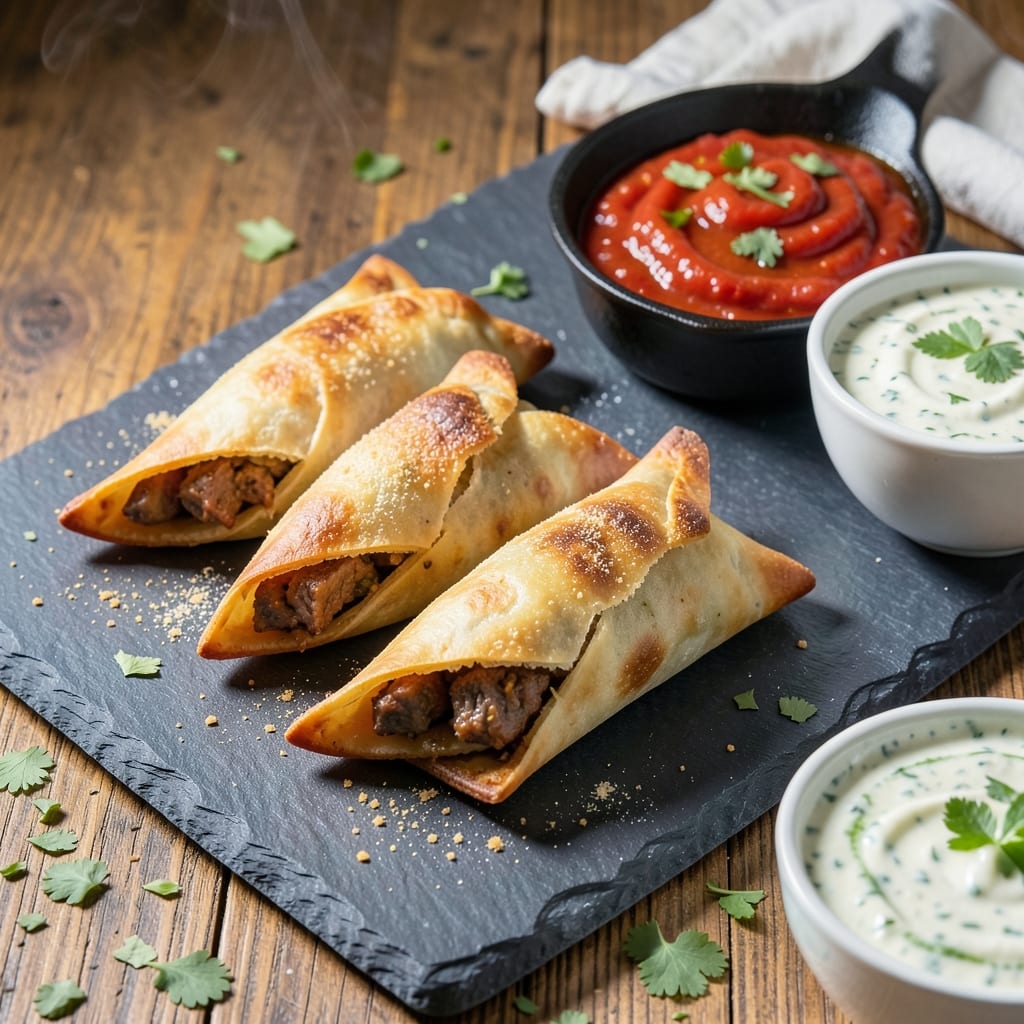
This baked beef samosa recipe delivers the same crispy, golden layers and aromatic spiced filling you'd find in a street-side stall—without the deep-frying. 🔥 The secret lies in a delicate balance: a flaky, buttery dough that stays tender while encasing a rich, slow-cooked beef filling infused with garam masala and warm spices. I've perfected this method over years of testing, ensuring every bite delivers that satisfying crunch followed by melt-in-your-mouth tenderness.
The dough starts with a simple all-purpose base, but the real magic happens in the filling—where tender beef simmers with onions, ginger, garlic, and a blend of spices until it reaches that perfect balance of moisture and texture. The key to crispy samosas without frying is baking at the right temperature (425°F) with a light egg wash and cornstarch coating, which creates that signature golden crust while keeping the inside juicy. This method also means you can prep ahead and bake fresh whenever cravings strike.
What you'll end up with is a plate of samosas that look and taste just like the ones from your favorite Indian restaurant—crispy, aromatic, and packed with flavor in every bite. The dough puffs slightly in the oven, creating those beautiful layers, while the filling stays rich and spiced, with just enough moisture to keep it tender. Serve them hot with tamarind chutney or mint yogurt for dipping, and you've got a dish that's perfect for lunch, dinner, or even a snack.
This recipe is designed to be both impressive and approachable, making it ideal for weeknight dinners or special occasions. The steps are straightforward, but the result is anything but basic—proof that you don't need deep-frying to achieve restaurant-quality crispiness. Let's get started on creating your own batch of golden, spiced perfection.
Ingredients for baked beef samosa
Buttery dough, spiced beef filling, and that perfect golden crust—all you need for restaurant-style samosas.
| Ingredient | Amount | Notes |
|---|---|---|
| All-Purpose Flour 🌾 | 3 cups | For dough, sifted preferred |
| Unsalted Butter 🧈 | ½ cup | Cold, cubed for dough |
| Large Eggs 🥚 | 1 whole | Room temperature for dough |
| Water 💧 | ½ cup | Cold, for dough |
| Cornstarch 🌾 | 2 tbsp | For crispy coating |
| Salt 🧂 | ½ tsp | Fine sea salt |
| Ground Black Pepper 🌶️ | ¼ tsp | Freshly ground |
| Yellow Onions 🧅 | 1 ½ cups | Finely diced, about 2 medium |
| Fresh Ginger 🌿 | 1 tbsp | Finely grated, peeled |
| Garlic Cloves 🧄 | 4 cloves | Minced, peeled |
| Ground Beef 🥩 | 1 ½ lb | 80/20 fat ratio preferred |
| Tomato Paste 🍅 | 2 tbsp | Smooth, no sugar added |
| Garam Masala 🌶️ | 1 ½ tbsp | Freshly ground preferred |
| Ground Cumin 🌿 | 1 tsp | Toasted for depth |
| Turmeric Powder 🌿 | ½ tsp | Bright yellow color |
| Red Chili Powder 🌶️ | ½ tsp | Adjust for heat |
| Fresh Cilantro 🌿 | ¼ cup | Chopped, stems removed |
The dough is where the magic starts. All-purpose flour from King Arthur or Bob's Red Mill gives the best texture—light and flaky. Unsalted butter matters here; Land O'Lakes or Plugrah brands work best when cold. If your butter's been sitting out, pop it in the freezer for 10 minutes first. The eggs should be room temperature, so take them out 15 minutes before mixing. For the filling, yellow onions from the store work fine, but if you can grab Vidalias or sweet onions, they add a touch of sweetness that balances the spices perfectly.
No garam masala? Mix equal parts cumin, coriander, cinnamon, and cardamom—it's not the same, but it gets you close. Chili powder too spicy? Swap for smoked paprika at half the amount. Short on cilantro? Fresh parsley works too, though it won't have that same bright flavor. The beef should be 80/20 fat ratio—that fat renders out while cooking, keeping the filling moist. If you can't find it, ground chuck works in a pinch, but it'll be slightly leaner. For the tomato paste, Mutti or Barilla brands are my go-tos—they're smooth and don't taste overly sweet.
Dough keeps wrapped in plastic for 2 days in the fridge, or 3 months frozen. The filling can be prepped ahead and stored for 3 days in the fridge—just reheat gently before assembling. For the best results, bake samosas fresh, but if you're prepping ahead, par-bake them at 375°F for 10 minutes before storing. They reheat beautifully in a 350°F oven for 15-20 minutes until crispy again. Freeze unbaked samosas on a tray first, then transfer to a bag—they'll keep for 2 months without sticking.
Why You'll Love This Recipe
- No Frying Required: I’ll admit—this isn’t your grandma’s deep-fried samosa. The dough goes in the oven, and that butter-and-egg combo gives it a golden, almost crispy texture without the mess. Less oil, more flavor, and zero guilt.
- Crispy Without the Chaos: That cornstarch in the dough mix is the secret—it’s what gives these a satisfying crunch without needing to fry. And honestly? The first time I bit into one still warm from the oven, I nearly dropped the whole pan.
- Weeknight Workhorse: Pack a batch on Sunday, and you’ve got lunch or snacks covered for days. The filling stays fresh, and the dough reheats like a dream—just toss in the oven for 10 minutes. (Yes, even on a Tuesday night.)
- Budget-Friendly Luxury: Flour, butter, eggs—these are pantry staples that won’t break the bank. Yet somehow, they taste like you slaved over them. My kids ask for these over takeout, and my wallet stays happy. Win-win.
Step-by-step instructions for baked beef samosa
Let's bring those golden, crispy layers to life with this foolproof method.
👨🍳 Step 1: Make the Samosa Dough
In a large bowl, combine the 3 cups all-purpose flour, 0.5 tsp salt, and 0.25 tsp ground black pepper. Mix well to distribute the seasoning evenly. Cut in the 0.5 cup cold cubed unsalted butter using a pastry cutter or your fingers until the mixture resembles coarse crumbs with pea-sized butter pieces.
Make a well in the center and add the 1 whole large egg and 0.5 cup cold water. Gradually mix the liquid into the dry ingredients, bringing everything together. Knead the dough on a lightly floured surface for 5-7 minutes until smooth and elastic. Wrap tightly in plastic wrap and refrigerate for 30 minutes—this resting period makes rolling so much easier.
🍳 Step 2: Prepare the Spiced Beef Filling
Heat a large skillet over medium heat and add the 1.5 lb ground beef. Cook until browned, breaking it apart with a wooden spoon, about 5-7 minutes. Drain excess fat, leaving about 1 tablespoon in the pan.
Add the 1.5 cups finely diced yellow onions and cook for 5 minutes until softened. Stir in the 1 tbsp finely grated fresh ginger, 4 minced garlic cloves, 2 tbsp tomato paste, 1.5 tbsp garam masala, 1 tsp ground cumin, 0.5 tsp turmeric powder, and 0.5 tsp red chili powder. Cook for 3-4 minutes until fragrant. Remove from heat and stir in the 0.25 cup chopped fresh cilantro. Let the filling cool completely before assembling.
🥘 Step 3: Assemble and Seal the Samosas
Divide the chilled dough into 8 equal portions (about 2 ounces each). Roll each portion into a 6-inch circle on a floured surface, keeping the edges slightly thicker. Cut each circle in half diagonally to form 2 triangles. Place 1 tablespoon of the beef filling near the base of one triangle and fold the other triangle over it, pressing the edges firmly to seal.
Crimp the edges using a fork or your fingers to create a decorative pattern. Brush the sealed samosas with a little water to help the cornstarch coating adhere better. Sprinkle generously with 2 tbsp cornstarch on both sides, pressing lightly to coat evenly. Let them rest for 15 minutes while you preheat the oven.
🔥 Step 4: Bake Until Golden and Crispy
Preheat your oven to 400°F and line a baking sheet with parchment paper. Arrange the samosas on the prepared sheet, leaving 1 inch of space between each. Bake for 20-25 minutes until they're deep golden brown and crispy. For extra crispiness, broil for 1-2 minutes at the end, watching closely to prevent burning.
Let them cool for 5 minutes before serving—this helps the filling set slightly while keeping the exterior crisp. Serve warm with mint chutney or tamarind sauce for the ultimate experience. The secret to perfect samosas? That cornstarch coating and hot oven work together to create that irresistible crunch!
Pro Tips For Making Baked Beef Samosa
- Chill the Dough First: After kneading your flour, butter, and eggs, wrap the dough in plastic and refrigerate for at least 30 minutes—yes, even if you’re eager to shape them. I used to skip this, and the samosas would puff unevenly or tear when folding. Cold dough holds its shape better, and the butter stays solid enough to create those crisp layers. ---
- Use Cold Butter: Cut your unsalted butter into small cubes and freeze them for 10 minutes before mixing into the flour. This prevents the dough from turning greasy or sticky, which is especially important for samosas where the crust needs to stay flaky, not soggy. Trust me, your future self will notice the difference when biting into a crisp shell. ---
- Don’t Overfill the Patties: Pack the beef filling firmly but leave a little room at the top—about ½ inch—when folding the samosas. Overstuffing makes them burst open during baking, and the filling ends up dry. Think of it like a tight burrito: snug, but not stuffed to the brim. ---
- Brush with Egg Wash: Whisk one egg with a splash of water and brush it lightly over the folded samosas before baking. This isn’t just for looks—it creates a golden, glossy finish and helps the crust crisp up faster. Skip the extra step? Your samosas will still taste good, but they’ll lack that satisfying crunch.
Troubleshooting your baked beef samosa
Dough Too Sticky
If your dough feels too sticky after kneading, you likely added too much water. Gradually add 1 tablespoon flour at a time until it becomes pliable but not dry. I’ve found King Arthur flour absorbs moisture better than others, so if you’re using a different brand, adjust accordingly. Let the dough rest 30 minutes in the fridge—this helps the gluten relax and makes rolling much easier. 💫
Filling Too Dry
The filling can dry out if you overcook the onions or beef. Cook the onions until just softened (5 minutes) and drain most of the beef fat after browning. For extra moisture, add 1 tablespoon water or beef broth to the filling before assembling. I also recommend using 80/20 fat ratio beef—the fat keeps everything tender. If it’s still dry, brush the inside of the samosa with a little egg wash before sealing.
Samosas Not Crispy
Crispiness comes from three key factors: cornstarch coating, high oven temperature, and proper spacing. Ensure you’re coating the samosas thoroughly with cornstarch on both sides and baking at 400°F (not lower). Leave 1 inch of space between samosas on the baking sheet—crowding steams them instead of crisps them. For extra crunch, broil for 1-2 minutes at the end, but watch closely to avoid burning.
Filling Leaking
Leaky samosas usually mean the dough wasn’t sealed properly or the filling was too wet. Press the edges firmly with your fingers or a fork to create a tight seal. If the filling is too moist, chill it for 15 minutes before assembling. I also recommend using slightly thicker dough edges—they hold up better to the filling’s weight. For extra security, brush the sealed edges with a little egg wash before baking.
Dough Too Tough
Over-kneading or using too much flour can make the dough tough. Knead for only 5-7 minutes until smooth, and avoid adding extra flour unless absolutely necessary. If the dough feels resistant, let it rest 20 minutes in the fridge—this helps it relax. For extra tenderness, I sometimes add 1 tablespoon yogurt to the dough mixture, which keeps it light and flaky.
Uneven Baking
Uneven baking often happens if samosas are stacked or the oven isn’t hot enough. Arrange them in a single layer with 1 inch of space between each. Rotate the baking sheet halfway through cooking for even browning. If your oven runs hot, reduce the temperature to 375°F and bake for 25-30 minutes. A thermometer probe helps monitor internal temp—aim for 180°F at the center for perfect doneness. 🔥
Nutrition facts
Frequently asked questions
Can I make the dough ahead of time?
Wrap the dough tightly in plastic and refrigerate for up to 2 days or freeze it for 3 months. Thaw in the fridge overnight before using. The chilled dough rolls out beautifully and gives you more time to prep the filling.
What's the best way to store leftover baked samosas?
Let them cool completely, then store in an airtight container at room temperature for 1 day. For longer storage, keep them in the fridge for 3 days or freeze for 2 months. Reheat in a 350°F oven for 10-15 minutes until crispy again.
Can I use chicken or lamb instead of beef?
Yes! For chicken, use 1.5 lbs ground chicken thigh (more flavorful than breast). For lamb, 1.5 lbs ground lamb works beautifully—just increase the garam masala to 2 tbsp for deeper flavor. Both cook faster than beef, so reduce cooking time by 2-3 minutes.
Why is my samosa dough tearing when I roll it?
This usually happens if the dough is too dry or hasn't rested enough. Sprinkle a little water and knead gently, then let it rest 10 more minutes before rolling. For extra strength, add 1 tsp yogurt to the dough mixture. Always roll on a well-floured surface with a rolling pin.
What's the secret to extra-crispy samosas?
The magic trio is cornstarch coating, 400°F oven, and proper spacing. Coat thoroughly, bake on a single layer with 1 inch gaps, and broil for 1-2 minutes at the end. For even more crunch, brush with egg wash before baking.