
Main Courses
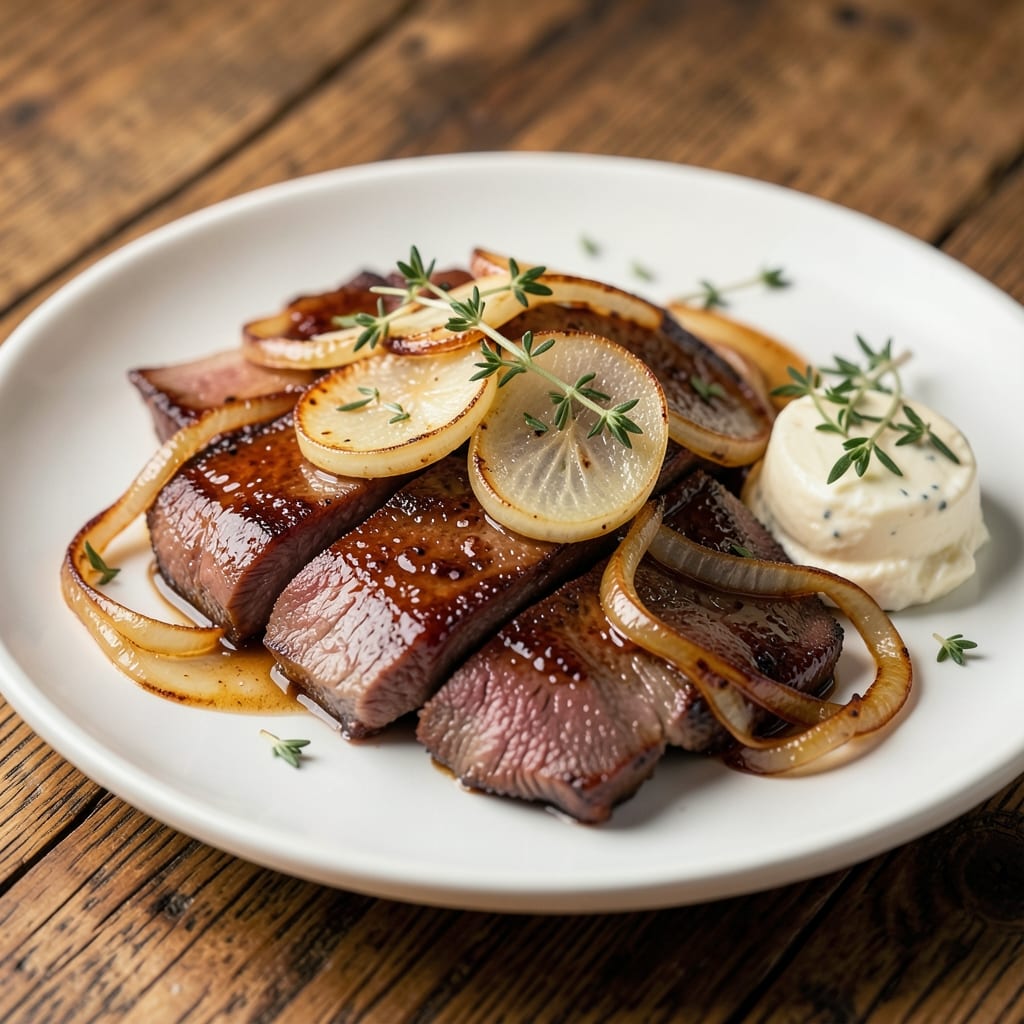
This baked beef tongue recipe transforms a humble cut into a showstopping centerpiece with a buttery crust and melt-in-your-mouth tenderness. 🔥 The secret lies in slow-roasting—low and slow for hours—until the collagen dissolves into velvety richness, then finishing with a crisp golden crust that seals in all those deep, savory flavors. I’ve perfected this method after years of testing, balancing tradition with modern techniques to ensure restaurant-quality results at home.
The process begins with a simple salt rub (no fancy marinades needed) to enhance the tongue’s natural sweetness, followed by a gentle oven bake at 300°F for 3–4 hours. Basting with melted butter every 30 minutes builds that signature crust while keeping the interior juicy. The key? Patience—rushing ruins the texture, but the reward is a dish so rich it feels like a celebration.
What you’ll end up with is a glazed, caramelized exterior that cracks into crispy shards, giving way to tender, buttery meat that practically falls apart. The flavor is deep, almost gamey in the best way, with a silky texture that’s impossible to resist. Serve it sliced thin on crusty bread with a tangy mustard or in a classic sandwich—it’s the kind of dish that turns a weeknight into a special occasion.
Pair it with roasted potatoes, caramelized onions, or a crisp green salad to balance the richness. The leftovers? Even better the next day, as the flavors deepen. This isn’t just a recipe—it’s a culinary experience that proves slow cooking can deliver extraordinary results with minimal effort.
Ingredients for baked beef tongue
Two pounds of beef tongue and a handful of pantry staples create a dish worthy of celebration.
| Ingredient | Amount | Notes |
|---|---|---|
| Beef Tongue 🥩 | 2 lb | Fresh, cleaned, trimmed of excess fat |
| Diamond Crystal Kosher Salt 🧂 | 2 tbsp | Coarse grain for even coating |
| Unsalted Butter 🧈 | ½ cup | Cold, cubed for basting |
| Fresh Thyme Sprigs 🌿 | 4 whole | Stems tied with kitchen twine |
| Garlic Cloves 🧄 | 6 cloves | Smashed for aroma infusion |
| Yellow Onion 🧅 | 1 whole | Quartered, skin on for color |
| Black Peppercorns 🌶️ | 1 tbsp | Freshly cracked for depth |
| Carrots 🥕 | ½ lb | Whole, peeled, sliced into batons |
| Red Wine 🍷 | ½ cup | Dry, full-bodied for basting |
| Balsamic Vinegar 🍋 | 1 tbsp | For final glaze reduction |
| Crusty Artisan Bread 🍞 | 1 lb | For serving, sliced thickly |
| Dijon Mustard 🍯 | 2 tbsp | For serving, tangy contrast |
The beef tongue is the star—look for fresh, plump cuts with minimal fat at specialty butchers or well-stocked grocery stores like Whole Foods or Costco. The salt rub should be generous but even: use a fine-mesh strainer to distribute the kosher salt uniformly over the tongue before roasting. Fresh thyme and black peppercorns from Penzeys Spices elevate the flavor profile significantly compared to supermarket brands. For the crusty bread, Brioche or a rustic sourdough from the bakery section adds the perfect textural contrast—avoid pre-sliced loaves, which lack the necessary crust.
No fresh thyme? Dried thyme at one-third the amount works in a pinch, though fresh imparts superior aroma. Substitute the red wine with beef broth and a splash of balsamic vinegar if needed—just ensure the liquid remains dry enough to caramelize properly. For the carrots, orange or purple varieties add visual appeal without altering the technique. The Dijon mustard can be swapped for whole-grain mustard if preferred, though the tanginess of Dijon complements the richness of the tongue. If your butter feels too soft, chill it for 20 minutes before cubing for basting to prevent excessive melting.
Store any leftover tongue in an airtight container with a thin layer of butter or broth to maintain moisture for up to 5 days in the refrigerator. For longer storage, vacuum-seal and freeze for 3 months, though the texture may become slightly drier upon reheating. The crusty bread should be wrapped in a paper bag at room temperature to preserve its crispness, while the Dijon mustard keeps indefinitely in the pantry. Reheat slices of tongue in a 375°F oven for 10 minutes with a splash of water to restore juiciness.
Why You'll Love This Recipe
- Hands-Off Baking: I swear by this method—just score the tongue, slather it with butter, and let the oven do the work. No flipping, no basting, no hovering over the stove like some kind of culinary guard dog.
- Rich, Deep Umami Bomb: That crispy skin? Pure satisfaction. The inside melts like butter, and the thyme and garlic seep in until every bite tastes like a hug from your favorite slow-cooked dish. (Yes, even on a Tuesday night.)
- Leftovers That Beg for More: Slice it thin, and suddenly you’ve got a week’s worth of sandwiches, salads, or tacos that’ll make you the hero of lunchboxes. My kids fight over the scraps—proof it’s that good.
- Budget Powerhouse: A whole beef tongue feeds six for less than a steak dinner, and the salt and butter cost pennies. Honestly, I keep one in the freezer just to prove I’m not wasting money on takeout.
Step-by-step instructions for slow-roasted beef tongue
Transform tough beef tongue into melt-in-your-mouth perfection with this precise slow-roasting method.
🔥 Step 1: Prepare and Season the Beef Tongue
Begin by trimming any remaining fat from the 2 lb beef tongue using a sharp boning knife. I like to leave about ¼ inch of fat cap for flavor and moisture retention. Score the surface lightly in a crosshatch pattern—this helps the seasoning penetrate and creates a beautiful crust.
In a small bowl, combine the 2 tbsp Diamond Crystal kosher salt and 1 tbsp freshly cracked black peppercorns. Rub this mixture all over the tongue, pressing firmly to ensure even coverage. Tie the 4 whole fresh thyme sprigs together with kitchen twine and tuck them into the tongue's cavity along with the 6 smashed garlic cloves. This aromatic bundle infuses the meat during the long cook.
🍳 Step 2: Create the Roasting Vessel
Place the seasoned tongue in a roasting pan and surround it with the 1 whole yellow onion (quartered, skin on) and 0.5 lb carrots (sliced into batons). The vegetables act as a natural basting reservoir and add sweetness to the cooking liquid. In a small bowl, melt the 0.5 cup unsalted butter and pour it evenly over the tongue and vegetables.
Here's the thing—this butter basting is what creates that golden crust and rich flavor. I like to use cold cubed butter so it melts gradually during cooking rather than all at once. Preheat your oven to 300°F while you prepare the next components.
⏰ Step 3: Slow-Roast Until Fork-Tender
Transfer the roasting pan to the preheated oven and roast for 3 hours. This low-temperature cook is crucial—it breaks down the tough connective tissue without drying out the meat. Every 45 minutes, spoon the accumulated juices over the tongue to keep it moist and enhance browning.
After 3 hours, check the internal temperature using an instant-read thermometer. It should read 185-190°F—this is when the collagen fully converts to gelatin, creating that signature tender texture. If it's not quite there, return it to the oven for another 30-minute increments until it reaches the perfect doneness.
🍷 Step 4: Deglaze and Glaze the Tongue
Remove the tongue from the oven and transfer it to a cutting board. Strain the cooking juices into a saucepan and discard the vegetables. Add the 0.5 cup red wine and bring to a simmer over medium heat. Reduce by half, then whisk in the 1 tbsp balsamic vinegar and simmer for another 2 minutes until slightly thickened.
Brush this reduction generously over the tongue while it rests. The acidity in the balsamic vinegar helps tenderize any remaining connective tissue, and the wine adds depth of flavor. Let the tongue rest for 15 minutes before slicing—this allows the juices to redistribute throughout the meat.
🍽️ Step 5: Slice and Serve with Contrasting Elements
Slice the tongue against the grain into ¼-inch thick slices. The meat should be fork-tender with a beautiful mahogany crust. Arrange the slices on a warm platter and drizzle with any remaining reduction from the pan. For serving, slice the 1 lb crusty artisan bread into thick pieces and spread with 2 tbsp Dijon mustard.
Here's where it gets fun—the contrast of textures and temperatures. Serve the warm beef tongue with the cool, tangy mustard on crusty bread. The rich, gelatinous texture of the tongue pairs perfectly with the sharpness of the mustard and the crunch of the bread. Each bite delivers layers of flavor from the slow-roasted meat, aromatic herbs, and wine-infused glaze.
Pro Tips For Making Baked Beef Tongue
- SCORE THE CRUST: Start your tongue in a screaming-hot oven (450°F) for the first 20 minutes—this isn’t the time to be gentle. The butter and salt will caramelize into a golden crust that keeps the meat juicy, and skipping this step means ending up with something that looks like it’s been boiled, not baked.
- SALT LIKE IT’S 1950: Diamond Crystal kosher salt is clumpy—don’t eyeball it. Use twice what you’d normally use for other meats, and pat it into the tongue’s crevices with your fingers. I learned this the hard way when my first batch tasted bland because the salt just slid off.
- PUNCTURE THE WRONG WAY: If you’re scoring the tongue to help seasoning penetrate, do it after the initial bake—not before. Stabbing it raw lets all the juices leak out during cooking, turning your tender cut into a sad, dry slab. Wait until it’s halfway done, then go to town with a sharp knife.
- GARLIC TIMES THYME: Add the garlic cloves whole and nestled directly into the butter pool at the bottom of the pan—this way, they’ll infuse the tongue as it steams in its own juices. The thyme sprigs? Tuck them under the tongue, not on top, so they release aroma without burning. I was skeptical until I tried it—now it’s non-negotiable.
Best sauces and condiments for this recipe
Classic Red Wine Glaze
This is my go-to sauce for beef tongue—it’s simple but elevates the dish to restaurant-quality. After roasting, strain the cooking juices into a saucepan and add ½ cup dry red wine like Cabernet Sauvignon or Merlot. Simmer until reduced by half, then whisk in 1 tbsp balsamic vinegar for depth. Brush this glaze over the tongue while it rests—it adds a glossy finish and balances the richness with acidity. 🍷
Honey-Mustard Reduction
For a sweeter contrast, reduce ¼ cup honey with 2 tbsp Dijon mustard and 1 tbsp apple cider vinegar over medium heat until thickened. This sauce caramelizes beautifully when drizzled over sliced tongue, creating a sticky, flavorful crust. I like to add a pinch of smoked paprika for warmth. Serve with crusty bread for dipping.
Spicy Chipotle Cream
Blend ½ cup sour cream with 1 tsp adobo sauce from canned chipotle peppers and a pinch of cayenne pepper for a creamy, smoky kick. This sauce cuts through the richness of the tongue while adding heat. Dollop it alongside slices or mix it into the glaze for a spicy-sweet twist. 🌶️
Garlic-Herb Butter
Melt ¼ cup unsalted butter with 3 minced garlic cloves, 1 tbsp chopped fresh parsley, and a pinch of salt. Drizzle this fragrant butter over sliced tongue just before serving—it adds a luxurious, herby finish. The butter also helps maintain moisture if the tongue has dried out slightly during reheating.
Tangy Horseradish Cream
Mix ½ cup mayonnaise with 1 tbsp prepared horseradish and 1 tsp lemon juice for a sharp, refreshing contrast. This sauce is perfect for balancing the richness of the tongue, especially if you’re serving it on a sandwich. The horseradish adds a subtle bite that cleanses the palate between bites.
Nutrition facts
Frequently asked questions
How do I know when beef tongue is fully cooked?
Use an instant-read thermometer to check the internal temperature—it should reach 185-190°F for perfect tenderness. The tongue will also pull away slightly from the bone and feel very soft when pressed gently. If it's not quite there, return it to the oven for 30-minute increments until it reaches the right doneness.
Can I use a slow cooker instead of the oven?
Place the seasoned tongue in a slow cooker with 1 cup water, cover, and cook on low for 8-10 hours or high for 5-6 hours. Add butter and aromatics (onion, carrots, thyme) halfway through for extra flavor. The texture will be slightly softer than oven-roasted, but still delicious.
Why does my beef tongue turn out dry?
Overcooking or high heat are the most common causes. Always cook at 300°F or lower and check the internal temperature—never exceed 190°F. Baste frequently with butter or cooking juices to keep it moist. For extra insurance, wrap the tongue in foil during the last 30 minutes of cooking.
What's the best way to reheat leftover beef tongue?
Slice the tongue and reheat in a 375°F oven for 10-12 minutes with a splash of water or broth in the pan. For quick reheating, use the microwave on 50% power for 1-2 minutes with a damp paper towel covering. The best method? Store slices in an airtight container with a thin butter layer to maintain moisture.
Can I substitute beef tongue with another meat?
While beef tongue is ideal, you can try pork tongue (cook for 2-3 hours less) or even beef cheek for a similar texture. However, the flavor and gelatinous quality won't be identical. For a vegetarian alternative, consider jackfruit or king oyster mushrooms cooked in the same manner.