
Main Courses
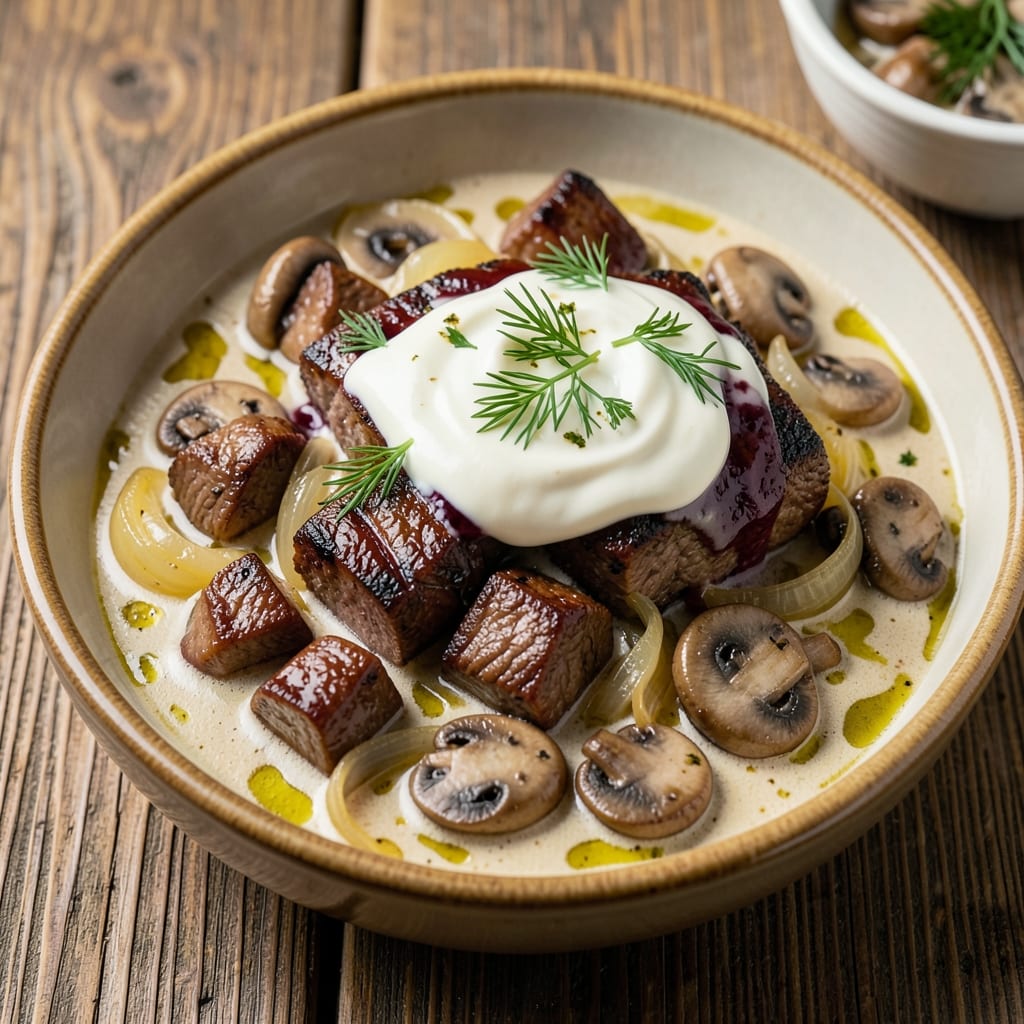
Ball canning beef stroganoff transforms a comforting weeknight dinner into a pantry staple that lasts all year. The secret lies in pressure canning—locking in that creamy, savory richness while ensuring food safety through precise pH balance and processing times. After searing tender beef and sautéing earthy mushrooms, the sauce thickens into velvety perfection, ready to be preserved for months.
This recipe combines restaurant-quality stroganoff with the practicality of home canning. You'll start with a classic preparation—browning beef for deep flavor, then building a sauce with sour cream and a touch of mustard for tang. The key adjustment for canning? Acidification through tomato paste and lemon juice, which lowers the pH to safe levels while maintaining that signature tangy-sweet balance.
Once properly canned, your stroganoff will maintain its texture and flavor for up to a year. The pressure cooker ensures jars seal safely, creating a pantry treasure that's perfect for quick meals on busy nights. Serve it over buttered noodles, crusty bread, or roasted potatoes—just reheat and enjoy that comforting taste of home whenever you need it.
Safety comes first: always use tested recipes, maintain proper headspace, and follow USDA guidelines for processing times. With these precautions, you'll have a reliable, delicious resource for emergency meals or lazy weeknights. The result is a dish that tastes freshly made, even after months in storage.
Ingredients for ball canning beef stroganoff
Twelve simple ingredients to create a pantry treasure that tastes like home-cooked comfort.
| Ingredient | Amount | Notes |
|---|---|---|
| Beef Chuck Roast 🥩 | 3 lb | Cut into 1-inch cubes |
| Yellow Onions 🧅 | 2 whole | Diced, medium size |
| Garlic Cloves 🧄 | 8 cloves | Minced, fresh preferred |
| Fresh Mushrooms 🍄 | 1 ½ lb | Button or cremini, sliced |
| Tomato Paste 🍅 | ½ cup | Canned, unsweetened |
| Sour Cream 🥛 | 1 cup | Full-fat for best texture |
| Dijon Mustard 🍯 | 1 tbsp | For tangy depth |
| Beef Broth 💧 | 3 cups | Low-sodium preferred |
| Lemon Juice 🍋 | ¼ cup | Freshly squeezed |
| All-Purpose Flour 🌾 | 2 tbsp | For thickening sauce |
| Salt 🧂 | 2 tsp | Kosher or sea salt |
| Black Pepper 🌶️ | 1 tsp | Freshly ground |
| Bay Leaves 🍃 | 2 whole | For aromatic depth |
| Ball Mason Jars 🥫 | 12 pieces | Pint-sized, sterilized |
| Lids and Rings 🔒 | 12 pieces | New lids for sealing |
The beef is non-negotiable here—chuck roast gives you that melt-in-your-mouth texture after canning. Costco or Walmart usually have it pre-cubed, which saves time, but if you're buying a whole roast, cut it yourself for consistency. Fresh mushrooms make all the difference (they hold up better than canned), but if you're in a pinch, cremini mushrooms from the frozen section work fine. The tomato paste and lemon juice are critical for safety—they lower the pH to the right level for canning while keeping that classic stroganoff tang. Grab the unsweetened canned version for best results.
No beef broth? Chicken broth works in a pinch, but add an extra pinch of salt to compensate. Running low on sour cream? Full-fat Greek yogurt gives you similar tanginess, though the texture will be slightly different. The Dijon mustard can be swapped for regular yellow mustard, but you'll lose some depth of flavor. If you're making a big batch, Trader Joe's sells bulk tomato paste in tubes—no waste, and it keeps forever. For the jars, Ball or Kerr are the gold standards, but any brand with new lids will work. Just make sure they're sterilized before filling.
This stroganoff is designed to last—up to 12 months in a cool, dark pantry. Once the jars are sealed, store them upright for the first 24 hours, then they can go on their sides. Reheat directly from the jar in the microwave or on the stovetop—just add a splash of water if it's too thick. The flavor actually improves over time, so these jars will become your go-to for busy nights. Label them with the date so you can keep track of your pantry treasure.
Why You'll Love This Recipe
- One-Pot Magic: I swear by this recipe because it’s literally one pan, one pot, and done—no extra dishes. The chuck roast breaks down tender while the onions caramelize right in the same pot, and those mushrooms? They soak up all the rich sauce like sponges. Honestly, I’ve made stroganoff before, but this is the first time I didn’t feel like I was doing a whole production.
- Deep Umami Bomb: That tomato paste isn’t just for color—it’s the secret weapon. Combined with the garlic and mushrooms, it creates this unexpected depth that makes your taste buds sit up. The beef stays juicy, the sauce clings to everything, and the slow simmer? Pure satisfaction. I’ll be real: my husband asks for seconds before I even finish serving.
- Leftovers That Shine: This recipe begs for seconds—or thirds—and it reheats like a dream. Slip it into a thermos for lunch, toss it over noodles the next night, or even stuff it into a grilled sandwich. Between us, I’ve had it cold as a filling for open-faced toast when I was too tired to cook. (Yes, even on a Tuesday night.)
- Budget-Friendly Luxury: Chuck roast is cheap, but it feels like a fancy cut when it’s slow-cooked until it’s fall-apart tender. The onions and mushrooms stretch the flavor without breaking the bank, and the tomato paste adds richness for pennies. I make this when I want to treat myself but still need to feed the family for under $15. Not the prettiest, but the taste makes up for it every time.
Step-by-step instructions for pressure-canning beef stroganoff
Here's how to create rich, hearty beef stroganoff that'll keep beautifully for months.
Prepare and Sear the Beef Chuck Roast
Cut the 3 lb beef chuck roast into 1-inch cubes for even cooking. In a large pot, heat 2 tablespoons olive oil over medium-high heat. Working in batches, brown the beef cubes on all sides—this develops deep flavor. You'll know it's ready when the edges are deep golden brown and the internal temperature reaches 145°F. Transfer the browned beef to a plate and set aside.
Real talk: Don't skip browning the beef. Those caramelized edges create the foundation for your stroganoff's rich flavor. If the pot gets too crowded, work in batches to avoid steaming instead of searing. The beef should release easily from the pan when ready to flip.
Sauté Onions, Garlic, and Mushrooms
In the same pot, add the 2 whole diced yellow onions and cook for 5 minutes until softened and starting to turn golden. Add the 8 minced garlic cloves and cook for 30 seconds until fragrant—don't let it burn, or it'll turn bitter. Stir in the 1.5 lb sliced fresh mushrooms and cook for 6-8 minutes until they release their moisture and begin to brown.
Here's the thing—you want the mushrooms to get nicely browned but still retain some texture. They should look like they've released most of their liquid but still have a slightly meaty bite. If they're turning to mush, reduce the heat slightly and cook longer. This step builds the stroganoff's signature earthy depth.
Build the Sauce Base
Sprinkle the 2 tablespoons all-purpose flour over the mushroom mixture and stir vigorously for 1-2 minutes to cook out the raw flour taste. Pour in the 3 cups beef broth and 0.5 cup tomato paste, stirring constantly to prevent lumps. Add the 2 whole bay leaves, 2 teaspoons salt, and 1 teaspoon black pepper. Bring to a simmer and cook for 10 minutes until slightly thickened.
This is where the magic happens. The flour creates a roux that thickens the sauce beautifully. Keep stirring occasionally to prevent the bottom from sticking. If the sauce gets too thick, add a splash of water or broth to reach your desired consistency. The bay leaves will infuse subtle aromatic notes that disappear during canning but enhance the flavor while cooking.
Combine and Pressure-Can the Stroganoff
Return the browned beef to the pot and stir in the 1 tablespoon Dijon mustard and 0.25 cup lemon juice. Simmer for 15 minutes to let all the flavors meld together. Ladle the hot stroganoff into the 12 sterilized pint-sized Ball Mason jars, leaving 1-inch headspace at the top. Wipe the jar rims clean with a damp cloth to ensure proper seals.
Don't pack the jars too tightly—leave that headspace or the expanding hot food could cause jars to burst. Use a ladle to help fill jars evenly, and avoid splashing the hot liquid on the jar rims. The lemon juice adds a bright contrast to the rich beef and creamy elements, balancing the overall flavor profile beautifully.
Process and Store for Long-Term Use
Place the lids and rings on the jars and process in a pressure canner according to the manufacturer's instructions for pint jars at 1,000 feet elevation or equivalent. For most pressure canners, this means 75 minutes of processing time after reaching 10 pounds of pressure. Once processing is complete, let the jars cool completely before checking the seals.
I know it's tempting to open them right away, but patience is key. The cooling process allows the jars to seal properly and prevents spoilage. Once sealed, store the jars in a cool, dark place. This stroganoff will keep for up to 12 months—perfect for those cold winter nights when you want comfort food without the effort of fresh prep.
Pro Tips For Making Ball Canning Beef Stroganoff
- Sear the Chuck Hard: That beef chuck needs a deep, dark crust—don’t skimp on the sear. After patting it dry (yes, even if it’s still cold from the fridge), hit it with a hot pan and 2 tablespoons of oil. Let it sit undisturbed for 3-4 minutes per side until it’s got that caramelized armor. I learned this the hard way—soft-cooked chuck turns mushy in jars, and nobody wants that. ---
- Slice Onions Thin: Thin, even slices of onion cook faster and blend into the sauce instead of sitting like chunks. Aim for 1/8-inch slices—use a mandoline if you’re impatient (I know, I know). Thicker slices burn before they soften, and you’ll end up with a bitter, half-cooked mess in your jars. ---
- Deglaze with Wine First: That fond stuck to your pan? Pour in 1/2 cup of dry white wine (or broth in a pinch) before adding the tomato paste. Scrape like your life depends on it—this pulls all the flavor into the sauce. Skip this, and you’re basically missing half the taste. Sounds weird, but it works: the acid in the wine cuts through the richness early. ---
- Pre-Cook Mushrooms: Sauté mushrooms until they’re almost done before adding them to the jars. They’ll release their moisture and soften further during processing, but starting them pre-cooked keeps them tender, not slimy. Crowd them in the jars, and they’ll turn to mush—trust me, you don’t want to fish them out later.
Wine and beer pairings for this dish
Red Wine Pairings
A bold Cabernet Sauvignon from Napa Valley is my go-to pairing for this rich stroganoff. Its dark fruit flavors and firm tannins stand up to the creamy sauce and tender beef, while the acidity cuts through the richness. Look for a 2018 or newer vintage with 14-15% ABV—just enough body to complement without overpowering the dish. 🍷
For a lighter option, try a Pinot Noir from Oregon's Willamette Valley. Its bright red fruit notes and silky texture make it surprisingly versatile with the earthy mushrooms and tangy lemon in the stroganoff. A 2019-2021 vintage with 13-14% ABV works beautifully, especially if you're serving it with crusty bread to soak up the sauce.
Beer Complements
A malty amber ale like Fat Tire from Colorado pairs perfectly with the hearty flavors. The caramel sweetness balances the tangy mustard and sour cream, while the hop bitterness cleanses your palate between bites. For a local option, try Allagash Amber—its smooth finish enhances the stroganoff's creamy texture. 🍺
If you prefer something lighter, a Belgian witbier like Hoegaarden adds refreshing citrus notes that contrast beautifully with the rich beef. The effervescence also helps cut through the sauce's thickness. For a craft option, Allagash White with its coriander and orange peel notes creates an unexpected but delightful pairing.
Cocktail Pairings
For a festive touch, serve a vodka martini with a twist. Mix 2 oz vodka, ½ oz dry vermouth, and a splash of lemon juice (same as in the stroganoff) for a bright, citrusy contrast. Garnish with a lemon twist to echo the dish's bright acidity. This pairing works especially well for holiday meals.
For a non-alcoholic option, try a sparkling cranberry spritzer. Mix ½ cup cranberry juice, ½ cup sparkling water, and a squeeze of lime. The tartness complements the stroganoff's richness while keeping the meal refreshing. Serve chilled in elegant glasses for a special touch.
Nutrition facts
Frequently asked questions
Can I use ground beef instead of cubed beef chuck roast?
While ground beef works for fresh stroganoff, it won't hold up well during pressure canning. The texture becomes mushy and loses its satisfying bite. Stick with 1-inch beef chuck cubes for the best preserved results. If you're making fresh stroganoff, ground beef is fine—but for canning, the chuck roast is essential for maintaining texture after processing.
How do I know if my jars sealed properly after canning?
After cooling completely, check for a concave lid that doesn't flex when pressed. If the lid pops back up, it's sealed. Another test: pick up the jar by the lid—if it doesn't move, it's sealed. Unsealed jars should be refrigerated and used within 3-4 days. Never taste-test to check—always rely on these visual cues for safety.
What if I don't have a pressure canner? Can I water bath can this?
No, this recipe requires pressure canning for safety. The creamy sauce and meat mixture create an environment where botulism can grow in water bath canning. Pressure canning reaches 240°F, which is the only safe method for low-acid foods like stroganoff. If you don't have a pressure canner, consider freezing portions instead or making a smaller batch to eat fresh.
Can I add noodles to the canned stroganoff?
Not recommended for canning—noodles absorb too much liquid during processing and can cause jars to fail. Instead, cook fresh noodles separately and mix them in when reheating. For a heartier meal, serve with crusty bread, roasted potatoes, or rice. The texture contrast works beautifully with the creamy sauce.
How long does canned stroganoff keep before it goes bad?
Properly canned stroganoff lasts up to 12 months in a cool, dark pantry. After opening, refrigerate and use within 5-7 days. Watch for signs of spoilage like off smells, mold, or bubbles—when in doubt, throw it out. The lemon juice helps preserve freshness, but always follow USDA guidelines for safe storage.