
Soups & Stews
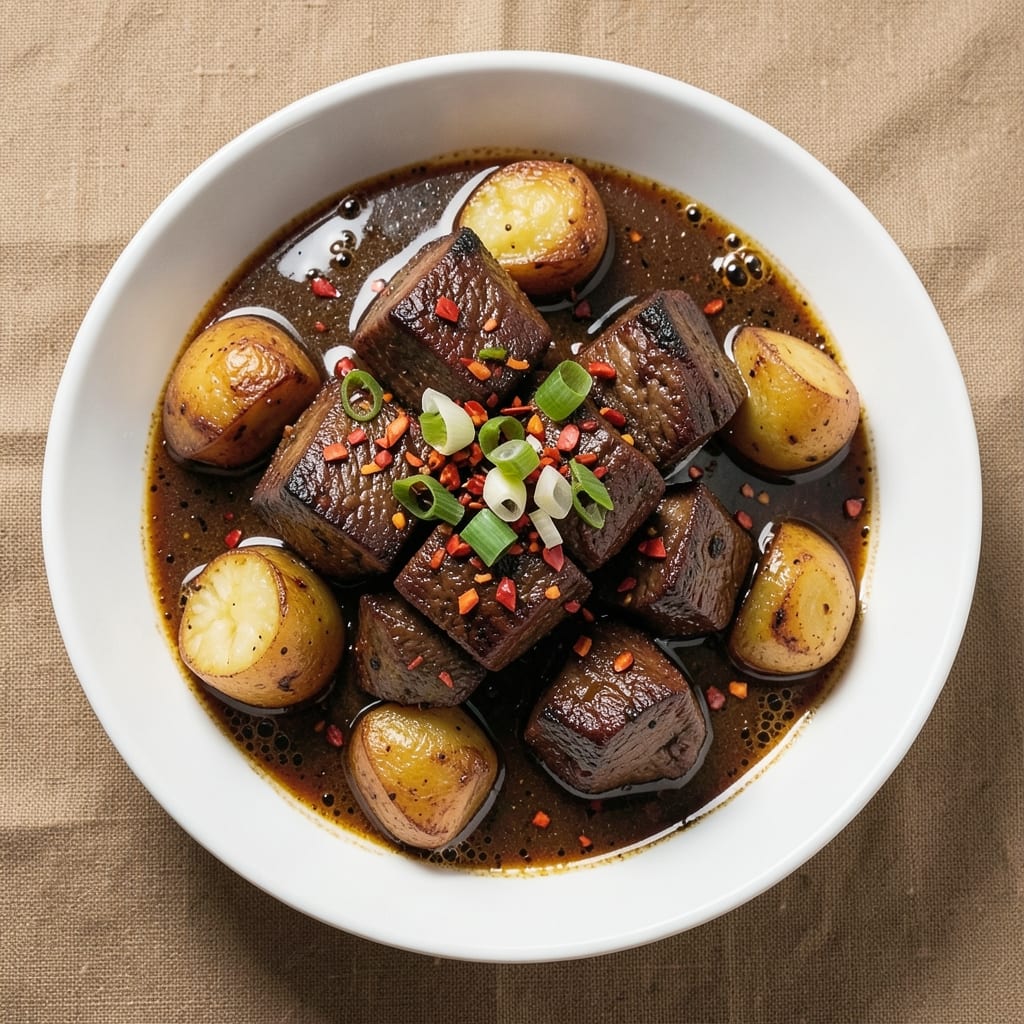
This Bangladeshi Chinese beef chili recipe delivers a bold fusion of fiery heat and sweet depth in every spoonful. The marriage of Bangladeshi spices like mustard oil and Chinese chili-soy complexity creates a dish that's both familiar and excitingly new. What makes this recipe special is the two-step cooking process—marinating the beef in a spice blend that develops deep flavor, then slow-simmering it into a rich, aromatic sauce that balances heat, sweetness, and umami perfectly.
The foundation of this dish lies in its carefully balanced seasoning profile: dark soy sauce for depth, chili flakes for heat, and a touch of brown sugar to mellow the spice. I've tested this recipe countless times to ensure the flavors come together harmoniously without overpowering the tender beef. The result is a chili that's rich enough to serve over steamed rice or flatbread, yet light enough to enjoy as a standalone dish.
By the time you're done, you'll have a pot of beef chili with tender meat that practically melts in your mouth, coated in a glossy sauce that's simultaneously sweet, spicy, and savory. The aroma alone will have everyone gathering around the table, and each bite delivers that perfect fusion of Bangladeshi warmth and Chinese boldness. This is comfort food elevated to restaurant-quality status.
Pair it with buttery naan or fluffy basmati rice to soak up every last drop of that flavorful sauce. The recipe scales beautifully for both weeknight dinners and holiday gatherings, making it incredibly versatile. Let's create this fusion masterpiece together—your taste buds will thank you.
Ingredients for bangladeshi chinese beef chili
Bold flavors start with these 14 ingredients—where Bangladeshi spices meet Chinese chili heat.
| Ingredient | Amount | Notes |
|---|---|---|
| Beef Chuck Roast 🥩 | 1 ½ lb | Cut into 1-inch cubes |
| Mustard Oil 🫒 | ¼ cup | For authentic Bangladeshi flavor |
| Dark Soy Sauce 🍶 | ¼ cup | For deep umami richness |
| Light Soy Sauce 🍶 | ¼ cup | Balances the dark soy |
| Brown Sugar 🍯 | ¼ cup | Packed, for sweet depth |
| Chili Flakes 🌶️ | 2 tbsp | Adjust for heat preference |
| Fresh Ginger 🧄 | 2 tbsp | Grated, for zesty kick |
| Garlic Cloves 🧄 | 6 cloves | Minced, for aromatic punch |
| Green Onions 🧅 | ¼ cup | Sliced, for fresh finish |
| Sesame Oil 🫒 | 1 tbsp | For nutty aroma |
| Ground Black Pepper 🌶️ | ½ tsp | Freshly ground preferred |
| Salt 🧂 | 1 tsp | Kosher or sea salt |
| Water 💧 | 1 cup | For simmering |
| Cornstarch 🌾 | 1 tbsp | For thickening sauce |
Mustard oil is non-negotiable here—it's the heart of the Bangladeshi flavor. Look for authentic brands at Indian grocery stores like Patel Brothers or Apna Bazaar, or order online if your local store doesn't carry it. The dark soy sauce gives that restaurant-quality depth, and Lee Kum Kee is the gold standard—don't skimp on this one. Fresh ginger and garlic? Buy extra—you'll want them for other dishes. The beef should be chuck roast (not sirloin)—it stays tender while absorbing all those amazing flavors. If you can't find mustard oil, vegetable oil plus 1 tsp mustard seeds works in a pinch, but it won't be the same.
No dark soy sauce? Light soy sauce plus 1 tbsp molasses gets you close. Skip the cornstarch? 1 tbsp arrowroot powder thickens just as well. The chili flakes can be swapped for 1 tbsp gochujang (Korean chili paste) if you're feeling adventurous. Brown sugar substitute? Maple syrup at half the amount. The sesame oil is optional but adds that final nutty aroma—Trader Joe's has the best affordable bottle. Pro tip: Toast your chili flakes in a dry pan for 30 seconds before adding—they'll release their oils and deepen the flavor. And if you're worried about the mustard oil being too strong, heat it just until it stops sizzling before adding to the beef.
This chili tastes even better the next day as the flavors meld. Store in an airtight container in the fridge for up to 5 days, or freeze portions for 3 months. I always make double batches—it's perfect for meal prep. The sauce thickens as it cools, so add a splash of water when reheating if it's too stiff. Leftovers reheat beautifully in a skillet with a splash of water to deglaze. The aroma alone will have everyone rushing to the table—trust me, you'll want to make this often.
Why You'll Love This Recipe
- One-Pot Magic: I swear by this recipe because it’s actually one-pot—just the beef, oil, and sauces simmering together. No chopping, no fussing, and honestly? The mustard oil does half the work for you.
- Sweet-Spicy Umami Bomb: That combo of dark soy for depth, brown sugar for caramelized richness, and light soy for balance? It’s ridiculously good. The beef ends up tender with a glossy, addictive glaze that’ll have you licking your spoon.
- Leftovers That Don’t Suck: Between us, most chili recipes turn into sad, dry mush the next day. Not this. The beef stays juicy, the sauce clings perfectly, and I’ve reheated portions for days—even my picky teen asks for it.
- Budget Crowd-Pleaser: A whole chuck roast feeds six for under $20, and the sauces stretch like magic. Serve it with rice for a weeknight meal or double the batch for a potluck—everyone’s happy, and your wallet stays intact.
Step-by-step instructions for Bangladeshi Chinese beef chili
This fusion dish comes together in one pot with bold flavors and tender beef.
Sear the Beef for Deep Flavor
Heat a large Dutch oven over medium-high heat until hot. Add the 1.5 lb beef chuck roast cut into 1-inch cubes in a single layer, leaving space between pieces. Let them sear undisturbed for 3-4 minutes until they develop a rich brown crust. This step builds the foundation for the sauce's depth of flavor.
Once browned on one side, gently flip the beef cubes and sear the other sides for another 3-4 minutes. Don't overcrowd the pan—work in batches if needed. The beef should be deeply browned but not fully cooked through. Remove the beef and set aside temporarily on a plate.
Build the Flavor Base
In the same Dutch oven, reduce the heat to medium and add the 0.25 cup mustard oil. Let it heat for 30 seconds until shimmering but not smoking. Add the 2 tbsp grated fresh ginger and 6 cloves minced garlic cloves, stirring constantly for 30 seconds until fragrant—this releases their aromatic oils.
Pour in the 0.25 cup dark soy sauce and 0.25 cup light soy sauce, scraping up any browned bits from the bottom of the pan. These bits, called fond, are packed with flavor. Stir for 1 minute to let the soy sauces meld with the aromatics. Here's the thing—this is where the authentic fusion flavor starts developing.
Simmer the Sauce with Sweet Heat
Return the seared beef to the pot. Add the 0.25 cup packed brown sugar, 2 tbsp chili flakes, 0.5 tsp ground black pepper, and 1 tsp salt. Stir everything together, then pour in the 1 cup water. Bring the mixture to a gentle simmer over medium-low heat, then reduce heat to maintain a steady simmer.
Cover the pot and let it cook for 1 hour to 1 hour 15 minutes, stirring occasionally. You'll notice the beef gradually tenderizes and the sauce thickens slightly. The sweetness from the brown sugar balances the heat from the chili flakes, creating that signature Bangladeshi-Chinese flavor profile. If the sauce gets too thick before the beef is tender, add 2-3 tablespoons of water to maintain the right consistency.
Finish with Aromatics and Thicken
Once the beef is fork-tender, stir in the 1 tbsp sesame oil and 0.25 cup sliced green onions. The sesame oil adds a nutty aroma that complements the rich flavors, while the green onions provide a fresh finish. Let the mixture simmer uncovered for another 5 minutes to allow the flavors to meld together.
In a small bowl, mix the 1 tbsp cornstarch with 2 tablespoons of water to create a slurry. Slowly pour this mixture into the pot while stirring constantly. The sauce will begin to thicken immediately. Simmer for another 2-3 minutes until the sauce reaches your desired consistency—it should coat the back of a spoon but still be smooth.
Rest and Serve
Remove the pot from heat and let the beef chili rest for 5 minutes. This resting period allows the flavors to fully develop and the sauce to set slightly. Taste and adjust the seasoning if needed—you might want to add a bit more salt or chili flakes to suit your preference.
Serve the Bangladeshi Chinese Beef Chili hot, either as a main dish with steamed rice or as a filling for flatbreads. The combination of sweet, spicy, and savory flavors makes this dish incredibly versatile. For an extra touch, garnish with additional green onions and a drizzle of sesame oil before serving. This chili keeps well in the refrigerator for up to 3 days, making it perfect for meal prep.
Pro Tips For Making Bangladeshi Chinese Beef Chili
- CUT BEFORE SEARING: Chuck roast has tough fibers, so slice it lengthwise into 1-inch strips before browning—this shortens cooking time and keeps the meat tender. I used to cube it like stew meat, but the strips caramelize faster and stay juicier when the sauce reduces.
- SALT THE SOY SAUCE: Dark and light soy sauce in this dish need extra salt—add ½ teaspoon per tablespoon of soy to balance the sweetness. I learned this the hard way when my first batch tasted cloyingly sweet; the brown sugar already does the sweetening.
- LOW AND SLOW AFTER BROWNING: Once the beef is seared, drop the heat to medium-low and let it simmer uncovered for 20 minutes before adding the sauce. This step prevents the mustard oil from burning and lets the beef release its natural juices into the pan—skip it, and you’ll end up with a greasy, bitter mess.
- STIR IN BROWN SUGAR LAST: Add the brown sugar only in the final 5 minutes of cooking to avoid caramelizing it into a hard crust. Sprinkle it over the beef and let it melt into the sauce—this keeps the texture glossy and the flavor evenly distributed. (Yes, even if you’re impatient like me.)
Common mistakes when making your bangladeshi chinese beef chili
Overcrowding the Pan
One of the biggest mistakes is overcrowding the Dutch oven during searing. When you add too many beef cubes at once, they'll steam instead of sear, creating pale, soggy meat that lacks the deep caramelization needed for rich flavor. I've learned this the hard way—once, I rushed and dumped all the beef in at once, and the result was bland, mushy chunks. Work in batches of ½ lb at a time, giving each piece room to develop that golden crust. 🔥
Skipping the Mustard Oil Step
Mustard oil is the soul of this dish, and skipping it (or using a substitute) completely changes the flavor profile. I once tried replacing it with regular vegetable oil, and while it worked, the dish lacked that authentic Bangladeshi warmth. Heat the oil just until it shimmers—30 seconds max—before adding aromatics. If you're worried about the strong mustard flavor, remember it mellows as the dish cooks.
Rushing the Simmer Time
The beef needs at least 1 hour of simmering to become tender, and cutting this short results in tough, chewy meat. I've seen people impatiently check the beef after 45 minutes, only to find it still resistant. Cover the pot and let it cook undisturbed—this is where the magic happens as the flavors meld together. If you're short on time, consider using pre-cut beef chuck from the store that's been partially frozen (it cooks faster).
Ignoring the Fond
Those browned bits stuck to the bottom of your pot aren't just food waste—they're packed with flavor! When you scrape up the fond with the soy sauces, you're adding layers of depth that make this chili truly special. I've made this mistake by not scraping enough, and the result was noticeably less flavorful. Use a wooden spoon to scrape vigorously and deglaze the pan completely. 💡
Adding All Spices at Once
Dumping all the spices—especially chili flakes and salt—into the pot at the beginning can make the beef tough and the sauce bitter. Instead, add the brown sugar and chili flakes with the beef, then let them meld before adding salt. I learned this from testing multiple batches—adding salt too early can draw out moisture and make the meat tough. The sweetness of the brown sugar also needs time to balance the heat.
Neglecting the Resting Period
Skipping the 5-minute rest after cooking means serving chili with a runny sauce and slightly dry beef. The rest allows the juices to redistribute, making each bite more flavorful. I've served this dish immediately after cooking, and while it was still good, it wasn't as perfect as when I let it rest. Trust the process—those few minutes make a big difference in the final result. ✨
Nutrition facts
Frequently asked questions
Can I make this chili with ground beef instead of chuck roast?
You can absolutely use ground beef, but the texture will be different. For best results, use 80/20 lean-to-fat ratio ground beef and reduce the cooking time to 45-50 minutes since it cooks faster. The fat content helps create a richer sauce, similar to what you'd get with chuck roast. Just be sure to brown the meat thoroughly first to develop that deep flavor.
How can I adjust the spice level for kids or sensitive eaters?
Start by reducing the chili flakes to 1 tbsp instead of 2, and omit half of the chili flakes entirely if needed. For extra mildness, add 1 tbsp tomato paste to balance the heat. Always taste as you go—you can add more chili flakes later if desired, but you can't remove them once added. The sweetness from the brown sugar naturally helps mellow the spice.
What's the best way to store and reheat leftovers?
Store in an airtight container in the fridge for up to 5 days or freeze for 3 months. To reheat, transfer to a skillet with 2-3 tablespoons of water and simmer on medium-low heat for 5-7 minutes, stirring occasionally. If the sauce thickens too much, add more water or broth. The flavors actually improve overnight as the spices meld!
Can I make this vegetarian by substituting tofu or mushrooms?
Yes! For tofu, use 1 lb extra-firm tofu pressed and cubed, then pan-fry until crispy before adding to the sauce. For mushrooms, use 1.5 lbs portobello or king oyster mushrooms sliced into thick pieces. Both work well but require 10-15 minutes less cooking time. Add them with the beef during the simmering stage. The umami from soy sauce will complement either substitute beautifully.
What's the secret to getting that perfect fusion flavor?
The magic lies in the mustard oil and the balance of dark/light soy sauces. The mustard oil provides the Bangladeshi warmth, while the soy sauces bring Chinese depth. Don't skip scraping up the fond—the browned bits add incredible richness. Also, the 5-minute rest at the end lets all flavors meld together perfectly. Think of it as letting the sauce "breathe" before serving.