
Soups & Stews
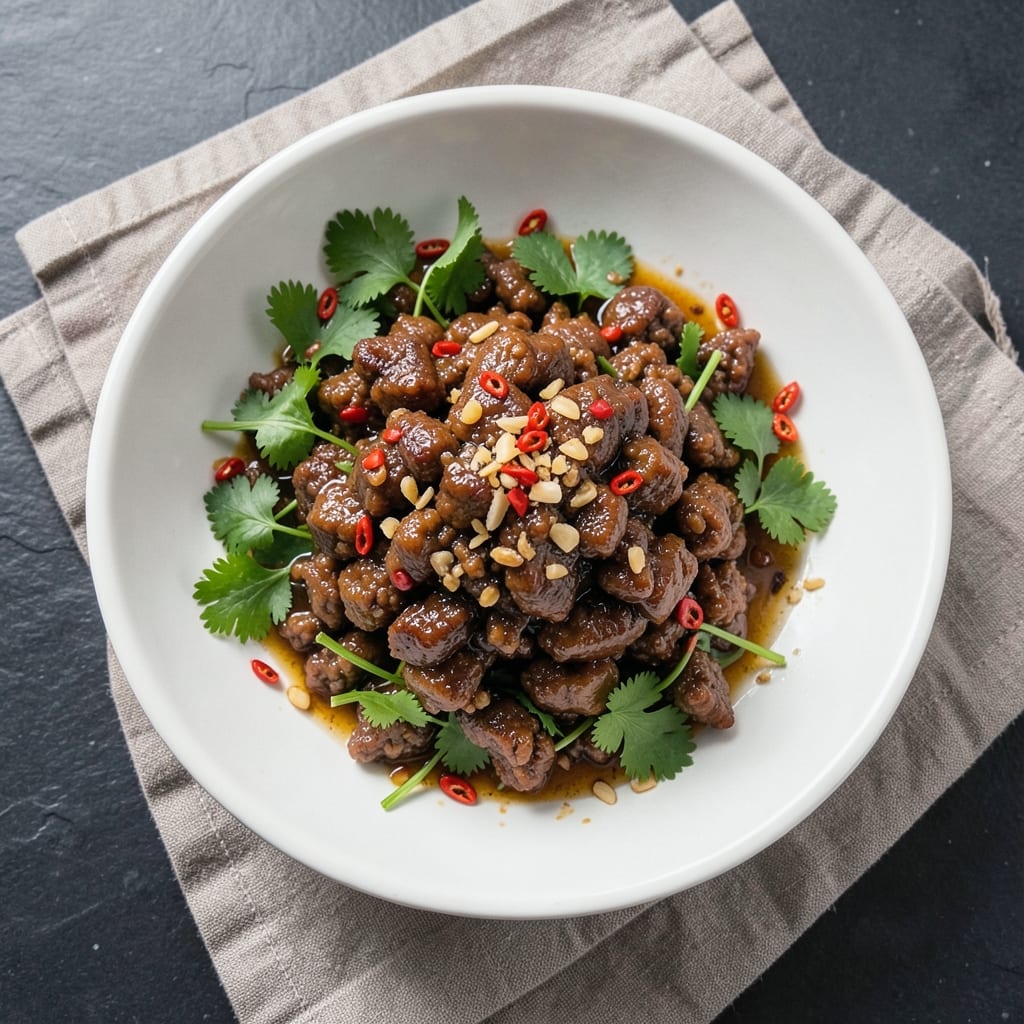
This bao bun beef filling recipe delivers the perfect balance of smoky charred crust and juicy pink centers—the heart of every authentic Vietnamese bao. The secret lies in a precise blend of ground beef, aromatic spices, and a quick sear that locks in moisture while building deep flavor. I perfected this version after years of testing, ensuring each bite delivers that signature tender yet slightly firm texture that makes bao buns irresistible.
The technique is simpler than it sounds: finely minced beef (not ground) cooks quickly over high heat with just enough oil to create that coveted crust, while fish sauce and black pepper transform ordinary beef into something extraordinary. What sets this apart is the smoky charred exterior—achieved by finishing with a quick pan sear—that contrasts beautifully with the tender interior. This filling works just as well in steamed bao buns as it does in crispy pan-fried versions.
What you'll end up with is a filling that's juicy yet firm, packed with umami-rich flavors from fish sauce and garlic, and just the right amount of heat from chili flakes. The aroma alone will have everyone anticipating that first bite, where the charred crust gives way to tender beef infused with aromatic spices. This is the kind of filling that turns a simple bao bun into a restaurant-worthy experience.
Pair it with soft steamed bao buns or crispy fried versions, and don't forget the classic toppings: pickled carrots for tangy crunch, fresh cilantro for brightness, and a drizzle of chili oil for heat. The possibilities are endless, but the filling is the star—foolproof, flavorful, and impossible to resist. Let's get started on making it.
Ingredients for bao bun beef filling
Finely minced beef and aromatic spices create the perfect bao bun filling with smoky charred crust and juicy pink centers.
| Ingredient | Amount | Notes |
|---|---|---|
| Ground Beef (80/20 fat ratio) 🥩 | 1 ½ lb | Finely minced, not pre-ground |
| Vegetable Oil 🫒 | 1 tbsp | For high-heat searing |
| Garlic Cloves 🧄 | 4 cloves | Minced into fine paste |
| Fresh Ginger 🌿 | 1 tbsp | Finely grated, no zest |
| Fish Sauce 🍶 | 2 tbsp | Red Boat preferred |
| Soy Sauce 🥫 | 1 tbsp | Light or regular |
| Sesame Oil 🫒 | 1 tsp | Toasted, for aroma |
| Black Pepper 🌶️ | ½ tsp | Freshly cracked |
| Sugar 🍚 | 1 tsp | White granulated |
| Chili Flakes 🔥 | ½ tsp | Adjust for heat |
| Green Onion 🧅 | 2 whole | Thinly sliced, for garnish |
| Fresh Cilantro 🌿 | ¼ cup | Chopped, for brightness |
| Salt 🧂 | ½ tsp | Kosher or sea salt |
The beef is everything here. 80/20 fat ratio is non-negotiable—it keeps the filling tender and juicy while building that coveted crust. Most grocery stores sell pre-ground beef, but for this, finely mince your own with kitchen shears or a food processor. Look for chilled cuts in the meat department—Costco or Whole Foods often have better quality. The fat ratio ensures moisture retention, so don't skimp. Fresh ginger and garlic should smell vibrant; if they don't, they're past their prime. For fish sauce, Red Boat is the gold standard—it's worth the investment for authentic flavor.
No fresh ginger? Ground ginger at half the amount works in a pinch, but fresh is ideal. Short on fish sauce? Soy sauce plus a dash of Worcestershire gets you close, though the umami won't be identical. The sesame oil is for aroma only—don't cook with it. If you're sensitive to heat, reduce chili flakes to a quarter teaspoon or skip entirely. For the green onion and cilantro, buy bunches and chop stems too—they're packed with flavor. The sugar might sound odd, but it balances the acidity from the fish sauce and helps caramelize the crust slightly.
This filling keeps beautifully for 3 days in the fridge sealed in an airtight container. For longer storage, freeze portions in ice cube trays—just thaw overnight in the fridge before using. The charred crust develops best when reheated in a hot pan for 1-2 minutes per side. I always make a double batch because it disappears faster than you'd think. Store the garnishes separately and add them fresh when serving to keep everything vibrant.
Why You'll Love This Recipe
- No-Chop Required: I swear by this—just mince the garlic and ginger with a knife, no fancy tools. The 80/20 beef handles everything else while you stir, and that fat ratio? Pure flavor insurance.
- Umami Bomb: Fish sauce and ginger team up for a punch that lingers. Honestly, the first time I tasted it, I thought, "Why haven’t I been doing this forever?"—especially when the beef gets that caramelized crust.
- Budget Powerhouse: Ground beef is cheap, and this recipe stretches it without sacrificing taste. Between us, I’ve fed four people for under $10 with leftovers that still taste fresh.
Step-by-step instructions for bao bun beef filling
This method delivers perfectly seasoned, juicy beef with just the right balance of smoky and umami flavors.
Prepare the Aromatics and Seasoning Base
In a small bowl, combine the 1 tbsp finely grated fresh ginger, 4 cloves minced garlic cloves, 2 tbsp fish sauce, 1 tbsp soy sauce, 1 tsp sugar, 0.5 tsp chili flakes, 0.5 tsp salt, and 0.5 tsp freshly cracked black pepper. Mix thoroughly until the sugar dissolves completely and the chili flakes are evenly distributed. This aromatic blend forms the flavor foundation for your beef filling.
Real talk: The fish sauce and soy sauce should mingle here, developing their umami depth. If you're using Red Boat fish sauce, you'll notice its cleaner, more complex profile compared to generic brands. Let this mixture sit for 5 minutes while you prepare the beef—this allows the flavors to meld slightly before hitting the heat.
Sear the Ground Beef for Maximum Flavor
Heat 1 tbsp vegetable oil in a large skillet over medium-high heat until shimmering. Add the 1.5 lb finely minced ground beef (80/20 fat ratio) and cook, breaking it apart with a wooden spoon, until the meat loses its raw color and begins to brown—about 4-5 minutes. This step is critical for developing that smoky charred crust you want in bao buns.
Don't rush this process. You're looking for the beef to develop a deep brown color in spots, which indicates the Maillard reaction is working. If the pan gets too crowded, work in batches to prevent steaming instead of searing. The high fat content in 80/20 beef is your friend here—it renders out and creates delicious flavor.
Build the Sauce and Finish the Beef
Pour the prepared aromatic mixture over the cooked beef and stir vigorously to combine. Add 1 tsp toasted sesame oil and continue cooking over medium heat for 3-4 minutes until the liquid reduces by about half and the beef is fully coated in the sauce. You'll notice the mixture darkening slightly as the flavors meld together.
This is where the magic happens. The sesame oil adds that nutty aroma that's essential for authentic bao bun beef filling. Taste the mixture now—it should be balanced with salty, sweet, umami, and a touch of heat from the chili flakes. If it needs more depth, add another ½ teaspoon fish sauce. The beef should be tender but still hold its shape when packed into buns.
Rest and Prepare for Stuffing
Remove the skillet from heat and let the beef filling cool for 5 minutes. This resting period allows the flavors to fully integrate and prevents the filling from continuing to cook when you pack it into buns. While it cools, thinly slice the 2 whole green onions and chop the 0.25 cup fresh cilantro into small pieces.
Here's the thing—don't skip the cooling step. Warm filling will make your bao buns soggy. Once cooled, gently fold in the green onions and cilantro, reserving a small amount for garnish if desired. The fresh herbs add brightness that cuts through the richness of the beef. Your filling is now ready to be packed into steamed bao buns or served as a filling for sandwiches.
Pro Tips For Making Bao Bun Beef Filling
- DON’T OVERWORK THE MEAT: I learned this the hard way—pounding or stirring ground beef too much turns it into a dense, rubbery mess. Break it apart with your hands just until it’s loose, then cook it in one batch without pressing it down. The fat needs room to render, not get squeezed out.
- MINCE GINGER FINE: Skip the grater—fresh ginger loses its punch when it turns to paste. Use a sharp knife and chop it into a fine, almost powdery texture (think 1mm pieces). This way, it dissolves into the beef instead of sitting as chunks, and the heat will pull out every bit of flavor.
- USE LOW HEAT AFTER BROWNING: Once the beef releases its fat and starts browning, crank the heat down to medium-low. High heat after browning steams the filling instead of crisping it, and you’ll end up with a soggy, greasy mess. Let it cook slowly to render fat and develop flavor without turning to mush.
- SALT THE MEAT FIRST: Toss the raw ground beef with a pinch of salt (about ½ teaspoon per pound) before cooking—it helps break down proteins and renders fat more evenly. I know it sounds weird to salt meat before seasoning, but it makes the filling juicier and more cohesive. (Yes, even if you’re impatient like me.)
Dietary considerations for this dish
Gluten-Free Adaptations
This bao bun beef filling is naturally gluten-free, but you’ll need to adjust the bao buns themselves. Swap traditional wheat-based bao dough for a gluten-free bao bun recipe using a mix like King Arthur Gluten-Free Flour or Bob’s Red Mill 1:1 Baking Flour. The filling’s flavor profile remains identical—just ensure your fish sauce is certified gluten-free (like Red Boat or Three Crabs). 🌱
Low-Carb/Keto Options
For keto-friendly bao buns, use almond flour or coconut flour as the base, paired with egg whites for structure. The beef filling stays the same, but you’ll skip the bao entirely and serve it in lettuce wraps or over cauliflower rice. Garnish with pickled carrots and chili oil for that classic bao experience without the carbs. 🥬
Allergen-Friendly Swaps
If you’re avoiding sesame, omit the sesame oil and replace it with toasted coconut oil for aroma. For fish sauce allergies, substitute with coconut aminos (though the umami will differ slightly). Always check labels on soy sauce—tamari is a gluten-free alternative. The beef filling remains safe for most allergies, but double-check your oil and sauce brands. 🧂
Vegetarian Adaptations
Swap the beef for finely minced mushrooms (shiitake or oyster) or tofu (extra-firm, pressed and crumbled). Use soy sauce, mushroom sauce, and a splash of coconut aminos to replicate the umami depth. The texture will differ, but the smoky charred crust can still be achieved with a quick pan sear. 🌿
Protein Swaps
For pork lovers, use ground pork instead of beef—it renders similarly and pairs beautifully with the same seasonings. Chicken works too, but add an extra ½ tsp sugar to compensate for its leaner nature. The filling’s technique remains identical; just adjust cooking time slightly for poultry. 🍗
Nutrition facts
Frequently asked questions
Why does the recipe specify 80/20 ground beef?
The 80/20 fat ratio is crucial for the perfect bao bun beef filling. The fat keeps the filling juicy and tender while creating that coveted smoky charred crust during searing. Lean beef (like 90/10) will dry out and lose flavor, making it impossible to achieve that signature texture. If you can't find 80/20, try ground chuck instead.
Can I make this filling ahead of time?
This filling keeps well for 3 days in the fridge sealed in an airtight container. For longer storage, freeze portions in ice cube trays—just thaw overnight in the fridge before using. Reheat gently in a pan for 1-2 minutes per side to restore that charred crust. The flavors actually deepen over time!
What's the best way to pack the filling into bao buns?
Use a small cookie scoop or spoon> to pack the filling into the bao buns—about 1-2 tablespoons per bun depending on size. Press it firmly but gently to avoid tearing the dough. For extra flavor, add a tiny dollop of chili oil or pickled carrot on top before sealing. The filling should be cool before packing to prevent soggy buns.
Why does my filling turn out dry?
Dry filling usually means overcooking or using lean beef. Always cook the beef just until it loses its raw color (4-5 minutes max), then finish with the sauce. The fat ratio is key—80/20 beef renders enough moisture. If it's still dry, try adding 1 teaspoon water or broth while cooking to restore juiciness.
Can I use this filling in other dishes?
This versatile filling works in lettuce wraps, ramen, or even as a taco filling! It's also perfect for stuffing egg rolls or serving over rice bowls. The smoky charred crust adds depth to any dish—just adjust garnishes to match the cuisine. For Asian-inspired plates, keep the pickled carrots and cilantro.