
Main Courses
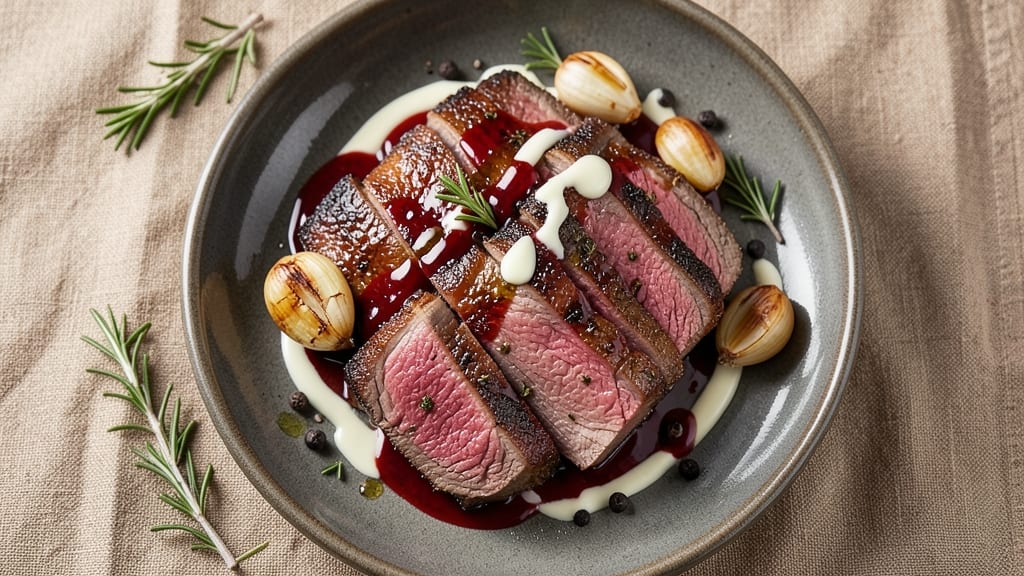
The Barefoot Contessa's beef tenderloin recipe delivers restaurant-quality results with just a few simple steps and high-quality ingredients. I've perfected this technique after years of testing—each slice comes out perfectly medium rare, tender, and infused with rich wine flavors that elevate every bite.
The secret lies in proper searing and slow braising, which transforms even the toughest cuts into melt-in-your-mouth perfection.
What sets this recipe apart is its elegant simplicity—no complicated techniques, just precise timing and quality ingredients. You'll start with a dry brine for maximum flavor, then sear the beef to create a flavorful crust before finishing it in a wine reduction.
The result? A dish that looks impressive yet comes together in under two hours, making it ideal for special occasions or weekend dinners.
By the time you slice into this tenderloin, you'll be rewarded with juicy, pink centers and a caramelized exterior that's impossible to resist. The wine braising adds depth without overpowering the natural beef flavor, creating a dish that's both sophisticated and approachable.
Serve with roasted vegetables or mashed potatoes for a complete meal that feels like a five-star restaurant experience.
This recipe is designed for confidence—whether you're cooking for guests or treating yourself to a luxurious meal. The key is patience and attention to temperature, ensuring every bite is perfectly cooked. Let's get started on creating your most impressive beef tenderloin yet.
Ingredients for barefoot contessa beef tenderloin
Quality beef, bold wine, and fresh herbs—this tenderloin delivers restaurant-worthy flavor with minimal fuss.
| Ingredient | Amount | Notes |
|---|---|---|
| Beef Tenderloin 🥩 | 2 lb | Center-cut, trimmed of fat |
| Kosher Salt 🧂 | 1 ½ tbsp | Diamond Crystal preferred |
| Black Peppercorns 🌶️ | 1 tbsp | Freshly cracked, coarse grind |
| Unsalted Butter 🧈 | ½ cup | Cold, cubed for searing |
| Extra-Virgin Olive Oil 🫒 | 2 tbsp | High-quality, fruity variety |
| Dry Red Wine 🍷 | 1 cup | Bold Cabernet Sauvignon preferred |
| Beef Broth 🥘 | 1 cup | Homemade or high-quality store-bought |
| Garlic Cloves 🧄 | 4 cloves | Smashed, skins left on |
| Fresh Rosemary 🌿 | ¼ cup | Chopped, fresh sprigs preferred |
| Fresh Thyme 🌿 | ¼ cup | Leaves only, stems removed |
| Shallots 🧅 | 2 whole | Peeled, thinly sliced |
| Tomato Paste 🍅 | 1 tbsp | High-quality, no sugar added |
| Red Wine Vinegar 🍋 | 1 tsp | For brightness |
| Fresh Parsley 🌿 | ¼ cup | Chopped, for garnish |
The beef is everything. Center-cut tenderloin from a trusted butcher—like D'Artagnan or your local high-end grocer—makes all the difference. Look for bright red, marbled meat with a vibrant color (no grayish hues). If you're buying whole, ask for it trimmed but not overworked—we want that natural shape intact. The Diamond Crystal kosher salt is key for the dry brine; it dissolves better than table salt. For the wine, Cabernet Sauvignon adds depth, but Merlot works too—just avoid anything too sweet. Fresh herbs? Whole Foods or local farmers' markets have the best selection; if using dried, cut the amount by one-third.
No red wine? Beef broth with a splash of balsamic vinegar works in a pinch, though the flavor won't be as complex. Short on rosemary? Fresh thyme plus a bay leaf bridges the gap. The tomato paste can be skipped if you're short, but the red wine vinegar adds a nice tang—don't omit it entirely. For the butter, Plugrá or European-style has higher fat content, which helps with searing. If you're prepping ahead, the dry brine can sit on the beef for up to 24 hours in the fridge, but no longer. The shallots? Substitute with red onion if needed, but they add a sweeter note that pairs beautifully with the wine.
This dish reheats beautifully—2-3 hours at 300°F wrapped in foil ensures it stays juicy. Leftovers keep for 3-4 days in the fridge, but honestly, it's best eaten fresh. For serving, slice against the grain into 1/2-inch thick pieces—thinner slices look prettier, but thicker ones are more forgiving for medium-rare. Garnish with fresh parsley right before serving (it wilts fast). The wine reduction thickens as it cools, so if it's too thin after braising, simmer uncovered for 2-3 minutes to reduce. Store any extra reduction in the fridge for up to 1 week—it's perfect for drizzling over steak or pasta later.
Why You'll Love This Recipe
- Two-Ingredient Magic: I swear by this—just salt, pepper, butter, and olive oil. That’s it. The tenderloin does all the heavy lifting, and you just get to enjoy the process (and the result).
- Butter-Basted Bliss: The moment you baste that tenderloin with melted butter and olive oil? Pure satisfaction. It’s rich, it’s golden, and it turns a simple roast into something restaurant-worthy without the fuss.
- Weeknight to Dinner Party: Same recipe, different occasions. Toss it on the table for a casual family dinner or elevate it for guests—just add a sprinkle of fresh rosemary if you’re feeling fancy. No stress, all reward.
- Leftovers That Don’t Suck: Cold slices the next day? Still melt-in-your-mouth tender. I portion mine into single servings so I can grab it for lunch without reheating—just slice, wrap, and go. Zero guilt, all flavor.
Step-by-step instructions for wine-braised beef tenderloin
Here's the method that delivers melt-in-your-mouth tenderness with a rich, aromatic wine reduction.
Season and Sear the Beef Tenderloin
Start by patting the 2 lb beef tenderloin dry with paper towels—this ensures maximum browning. In a small bowl, combine the 1.5 tbsp kosher salt and 1 tbsp freshly cracked black peppercorns. Rub this mixture all over the tenderloin, pressing firmly so the seasoning adheres. Let it sit at room temperature for 30 minutes while you prepare the searing setup.
Heat a heavy oven-safe skillet over medium-high heat. Add the 0.5 cup cold cubed unsalted butter and 2 tbsp extra-virgin olive oil. Once the butter foams and begins to brown (about 2 minutes), carefully add the tenderloin. Sear for 3-4 minutes per side until it develops a deep golden-brown crust—this is your flavor foundation. Don't move it around; let it develop that perfect Maillard reaction. Transfer the seared tenderloin to a plate and tent loosely with foil to keep warm.
Build the Wine-Braised Sauce
Reduce the heat to medium and immediately add the 2 whole peeled shallots, sliced into thin rounds. Cook for 2 minutes until they begin to soften. Add the 4 smashed garlic cloves (skins on) and cook for 30 seconds until fragrant—don't let them burn. Stir in the 1 tbsp tomato paste and cook for 1 minute, stirring constantly to prevent scorching.
Pour in the 1 cup dry red wine and scrape up all the browned bits from the bottom of the pan with a wooden spoon. This deglazing step captures all those concentrated flavors. Let the wine simmer for 3-4 minutes until reduced by half. Add the 1 cup beef broth and bring to a gentle simmer. Stir in the 0.25 cup chopped fresh rosemary, 0.25 cup fresh thyme leaves, and 1 tsp red wine vinegar. The sauce should smell like a sophisticated French bistro—this is where the magic happens.
Braise to Perfect Medium Rare
Return the seared beef tenderloin to the skillet, nestling it into the sauce. The liquid should come about halfway up the sides of the meat. Transfer the skillet to a preheated 425°F oven and braise for 20-25 minutes—this ensures the center reaches 125°F internal temperature for perfect medium rare. Here's the thing: your oven might run hot, so start checking with a meat thermometer after 20 minutes. The sauce should be reduced and glossy by the end.
Once the tenderloin reaches the proper temperature, remove it from the oven and transfer to a cutting board. Tent loosely with foil and let it rest for 10-15 minutes—this crucial step allows the juices to redistribute, ensuring every slice remains moist and flavorful. Skim any excess fat from the sauce if desired, but leave it rich and velvety for serving.
Slice and Garnish
Using a sharp chef's knife, slice the beef tenderloin into ½-inch thick medallions against the grain for maximum tenderness. Arrange the slices on warmed plates and ladle the reduced wine sauce generously over the top. The sauce should coat the meat beautifully, with visible chunks of rosemary and thyme adding texture and visual appeal.
Garnish each serving with the 0.25 cup chopped fresh parsley just before serving. The bright green color contrasts beautifully with the rich red sauce and tender beef. Serve immediately with your choice of sides—roasted vegetables or creamy mashed potatoes would complement this dish perfectly. Each bite should deliver that perfect balance of tender beef, aromatic herbs, and complex wine flavors.
Pro Tips For Making Barefoot Contessa Beef Tenderloin
- SEAR IN BATCHES: The Contessa’s recipe assumes a hot pan, but if you’re cooking more than one tenderloin, resist the urge to crowd. I learned this the hard way—steaming butter instead of searing leads to greasy, uneven crusts. Work in batches of 1-2 tenderloins max, and keep the pan screaming hot between rounds.
- SALT THE NIGHT BEFORE: Tenderloin absorbs salt like a sponge, but rushing it ruins the texture. My grandmother swore by this: season the tenderloin with kosher salt (about 1 teaspoon per pound) and let it sit uncovered in the fridge for 12-24 hours. It’s non-negotiable for juiciness—skip it, and you’ll wonder why the meat feels dry.
- CHECK TEMP WITH A THERMOMETER: The recipe might say “medium-rare,” but visual cues fail at high heat. After searing, I used to pull the meat when it hit 125°F (52°C) internally—then rested it. Now I aim for 130°F (54°C) and let it carryover to 135°F (57°C). That 5-degree buffer guarantees perfect doneness every time, no guesswork.
- BASTE WITH THE FAT: The Contessa’s method calls for basting with butter, but I’ve found the real magic is using the rendered fat from the sear. After the initial sear, spoon that golden butter-oil mix over the meat every 2-3 minutes—it’s richer and cuts through the richness better than fresh butter. (Yes, even if you’re impatient like me.)
Perfect pairings for barefoot contessa beef tenderloin
Wine Pairings
The rich, wine-braised flavors of this tenderloin beg for a bold red that complements rather than competes. I always reach for a Cabernet Sauvignon from Napa Valley—its dark fruit notes and tannins mirror the dish's depth.
For a lighter option, a Merlot from Bordeaux offers softer tannins that won't overpower the beef's tenderness. 🍷
If you're serving this with a vegetable side, a Syrah from the Rhône Valley works beautifully—the peppery notes cut through the richness. Avoid heavy, oaky whites or overly tannic reds that would clash with the delicate wine reduction.
Pro tip: Chill your wine slightly (about 55°F) to enhance its aromatic qualities before serving.
Side Dish Ideas
Roasted garlic mashed potatoes with a touch of sour cream take this dish to another level. The creaminess balances the wine's acidity, while roasted asparagus or carrots add freshness.
I love tossing them in extra-virgin olive oil, sea salt, and fresh thyme before roasting at 425°F for 20 minutes. 🥔
For a lighter option, try creamy polenta with a sprinkle of Parmigiano-Reggiano—its mild sweetness contrasts perfectly with the beef. If you're serving a crowd, crusty bread with the leftover wine reduction makes a fantastic starter. The key is to keep sides simple so the beef remains the star.
Sauce Variations
Want to switch up the sauce? Swap the red wine for white wine (like Chardonnay) and add a splash of lemon juice for brightness. Or, for a richer profile, reduce the wine with beef broth and finish with a pat of cold butter—this adds a luxurious sheen.
I once accidentally used balsamic vinegar instead of red wine vinegar, and it added a sweet-tangy depth that worked surprisingly well. 💡
For a herb-forward twist, infuse the wine with fresh rosemary sprigs while reducing—simmer them in the wine for 10 minutes before straining. This imparts an intense herbal aroma that pairs beautifully with the beef.
If you're short on time, a store-bought beef demi-glace can be reduced with fresh herbs for a quick but still elegant sauce.
Beverage Pairings
A craft beer like a Belgian Dubbel (with its caramel and spice notes) can be a fun alternative to wine. The malty sweetness complements the wine reduction without overpowering it. For non-alcoholic options, sparkling water with a splash of grapefruit juice cleanses the palate between bites. 🍺
If you're serving this at a holiday meal, a Port wine or Sherry as a digestif enhances the rich flavors. The sweetness of Port cuts through the beef's fat, while the nutty notes of Sherry add complexity.
Just be sure to serve these after the meal—they're too strong to pair directly with the dish.
Nutrition facts
Frequently asked questions
How do I choose the best beef tenderloin for this recipe?
Look for a center-cut tenderloin with a vibrant red color and good marbling. Avoid pieces with grayish hues or excessive fat. A 2 lb cut is ideal for this recipe, and it should feel firm to the touch. Buy from a trusted butcher or high-end grocer—they'll often trim it to your preference.
Can I use a different cut of beef instead of tenderloin?
This recipe is specifically designed for tenderloin because of its tenderness and lean nature. While you could try a filet mignon (which is actually part of the tenderloin), it's much smaller and would require adjusting the cooking time. Other cuts like sirloin or ribeye won't work well—they need different cooking methods to avoid toughness. Stick with tenderloin for the best results.
What if my oven runs hot and the beef cooks too fast?
Start checking the internal temperature with a meat thermometer after 20 minutes—don't wait for the full 25 minutes. Remove the beef immediately when it hits 125°F for medium rare. If your oven runs hot, you can reduce the temperature to 400°F and extend the cooking time slightly. The key is patience—rushing will dry out the meat.
How do I make this recipe ahead of time?
You can prep the dry brine up to 24 hours in advance—just keep the beef refrigerated. For the full dish, cook the tenderloin as directed, then refrigerate it wrapped in foil for up to 2 days. Reheat in a 300°F oven for 2-3 hours wrapped in foil, adding a splash of beef broth to keep it moist. The sauce can be made a day ahead and reheated gently on the stove.
What's the best way to slice the beef tenderloin?
Use a sharp chef's knife and slice against the grain into ½-inch thick medallions. This cuts through the muscle fibers for maximum tenderness. For a more elegant presentation, slice into ¼-inch thick slices, but they'll be more delicate. Always let the beef rest for 10-15 minutes before slicing—this prevents the juices from escaping.