
Main Courses
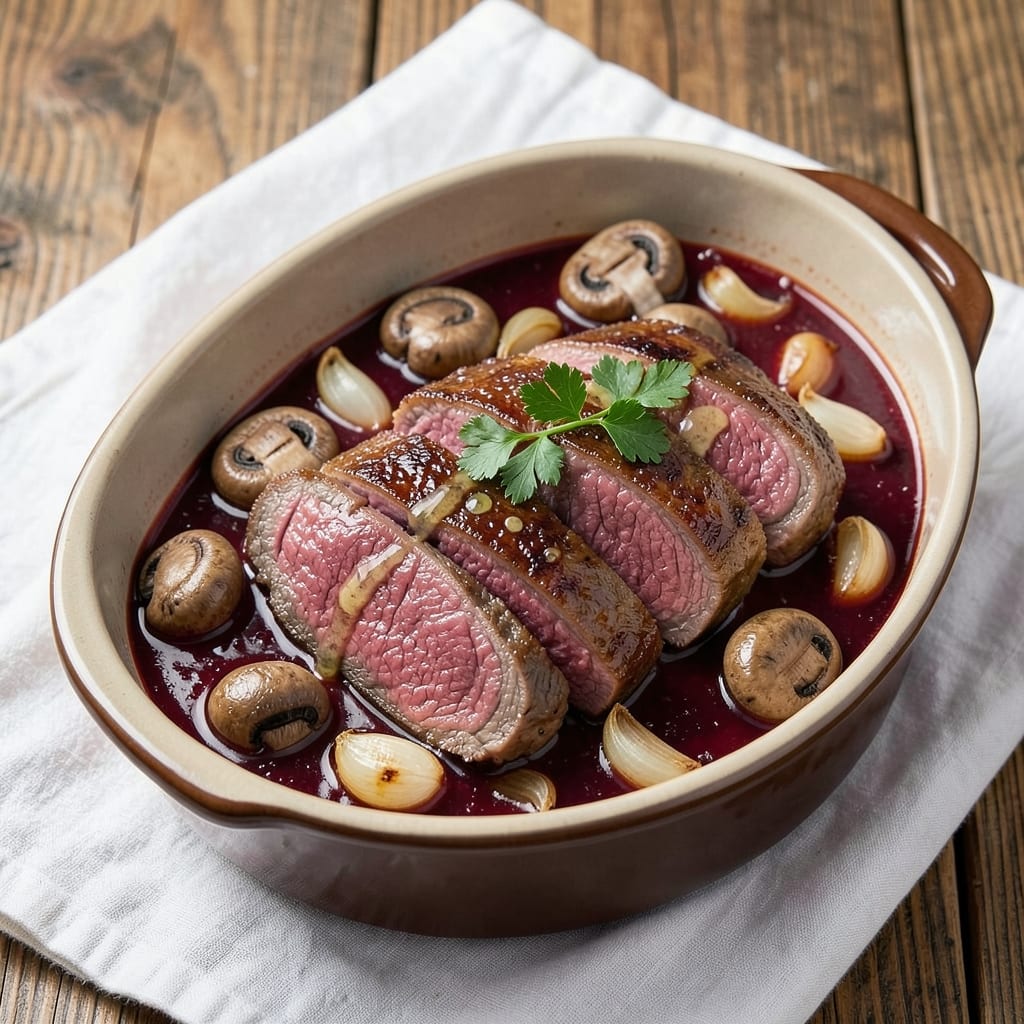
This Barefoot Contessa filet beef bourguignon recipe transforms a simple weeknight into a French bistro experience—rich, wine-infused beef tenderized in a deep, aromatic sauce. The secret lies in searing the beef to lock in juices before braising it with red wine, mushrooms, and herbs, creating layers of flavor that develop over time. With just one pot and minimal fuss, you'll achieve restaurant-quality results that feel like a celebration.
The process begins with a quick sear to build flavor, followed by deglazing the pan to capture every caramelized bit. Adding red wine and simmering until reduced creates a velvety sauce that coats tender filet beef and earthy mushrooms. Barefoot Contessa’s signature style shines here—elegant yet approachable, with techniques that feel professional but are actually simple to master.
By the time you serve this dish, you’ll have perfectly tender beef swimming in a deep red sauce, studded with mushrooms and herbs. The aroma alone will have everyone gathered around the table, and the first bite delivers that perfect balance of richness and acidity. This is the kind of meal that turns ordinary dinners into memorable occasions.
Pair it with creamy mashed potatoes or crusty bread to soak up every last drop of that luxurious sauce. The best part? This recipe delivers restaurant-quality results without requiring advanced skills or hours in the kitchen. Let’s get cooking!
Ingredients for barefoot contessa filet beef bourguignon
Rich beef, deep wine, and earthy mushrooms—just 14 ingredients for restaurant-quality bourguignon.
| Ingredient | Amount | Notes |
|---|---|---|
| Filet Mignon 🥩 | 1 ½ lb | Center-cut, 1-inch thick slices |
| Dry Red Wine 🍷 | 1 cup | Bold like Cabernet Sauvignon |
| Beef Stock 🥄 | 1 cup | Homemade or high-quality store-bought |
| Shallots 🧅 | 3 whole | Minced, about 0.25 cup |
| Garlic Cloves 🧄 | 4 cloves | Minced, not pressed |
| Button Mushrooms 🍄 | 16 whole | Sliced, stems removed |
| Fresh Thyme 🌿 | 2 sprigs | Leaves only, about 1 tbsp |
| Fresh Rosemary 🌿 | 1 sprig | Leaves only, about 1 tsp |
| Tomato Paste 🍅 | 2 tbsp | Squeeze tube preferred |
| Unsalted Butter 🧈 | 3 tbsp | Cold, cut into cubes |
| All-Purpose Flour 🌾 | 1 tbsp | For thickening sauce |
| Olive Oil 🫒 | 2 tbsp | For searing |
| Kosher Salt 🧂 | 1 ½ tsp | Divided, plus more to taste |
| Freshly Ground Black Pepper 🌶️ | ½ tsp | Freshly cracked |
The filet mignon is non-negotiable here—look for center-cut slices with good marbling. Whole Foods or your butcher shop will have the best quality. If you're buying a whole filet, ask for it to be sliced 1-inch thick. The wine? Bold reds like Cabernet Sauvignon work best—whatever's open in your fridge will do in a pinch. For mushrooms, button or cremini are perfect, but avoid the pre-sliced kind—they bruise fast. Fresh herbs make all the difference, so grab thyme and rosemary from the grocery store's produce section (they're usually sold near the basil).
No red wine? Beef stock with a splash of balsamic vinegar gets you close. Swapping mushrooms? Cremini or shiitake work just as well. The tomato paste can be a squeeze tube from Trader Joe's—no need for a can. For extra richness, add a splash of heavy cream at the end (but Barefoot Contessa keeps it classic). The flour is just for thickening—don't skip it, but don't overdo it either. And if you're short on time, pre-minced garlic and shallots from the store save 10 minutes of chopping.
This sauce gets better the next day—honestly, it's worth making ahead. Keeps for 4-5 days in the fridge, freezes for 3 months. Portion out the beef and sauce separately if you're freezing. The herbs? Store them in damp paper towels for up to 5 days. And if you're serving with mashed potatoes, make them the same day—the sauce pairs perfectly with warm, creamy spuds.
Why You'll Love This Recipe
- One-Pan Magic: I swear by this—sear the filet, toss in the shallots and garlic, pour the wine, and let it simmer. No chopping boards, no extra pots, just one pan that does all the work while you sip that same red wine you’re cooking with.
- Wine-Infused Richness: That dry red wine doesn’t just flavor the sauce—it melts into the beef, turning every bite into pure satisfaction. The beef stock deepens it further, so you’re not just eating a dish; you’re tasting a whole experience.
- Leftovers That Beg for More: Honestly, I almost always make too much because the next day’s lunch is just as good. Reheat it gently, and the filet stays tender while the sauce thickens into something even more decadent—perfect for lazy afternoons.
- Date Night or Weeknight Win: Between us, this is my go-to for both fancy dinners and Tuesday nights. Dress it up with crusty bread for company, or serve it over mashed potatoes when it’s just me and a movie. The recipe doesn’t judge.
Step-by-step instructions for wine-reduced filet beef bourguignon
This elegant one-pot masterpiece delivers restaurant-quality depth with simple techniques.
Sear the Filet Mignon to Perfection
Heat the 2 tablespoons olive oil in a heavy Dutch oven over medium-high heat until shimmering. Pat the 1.5 lb filet mignon slices completely dry with paper towels—this ensures maximum browning. Season both sides generously with ½ teaspoon kosher salt and ¼ teaspoon freshly ground black pepper. Working in batches if needed, add the filet to the pan and sear for 2-3 minutes per side until deeply golden brown with a crust. The edges should look caramelized, and the steak should release easily when prodded with a spatula.
Remove the seared filet and set aside on a plate. Don't clean the pan yet—those precious browned bits are flavor gold. Reduce the heat to medium and add 1 tablespoon olive oil if needed to prevent sticking. This initial searing creates the foundation for your rich, wine-reduced sauce.
Build the Flavor Base with Aromatics
Add the 3 whole shallots and 4 cloves garlic cloves to the same Dutch oven, stirring to coat in the rendered juices. Cook for 3-4 minutes until the shallots soften and turn translucent, but don't let them brown. Stir in the 2 tablespoons tomato paste and cook for another 1 minute, stirring constantly to prevent burning. This step develops the sauce's depth and balances the acidity from the wine.
Add the 16 whole button mushrooms and cook for 5 minutes until they release their moisture and begin to soften. Sprinkle with the remaining 1 teaspoon kosher salt and ¼ teaspoon freshly ground black pepper. Stir in the 2 sprigs fresh thyme and 1 sprig fresh rosemary, crushing the herbs slightly with the back of a spoon to release their essential oils. The kitchen should now smell like a French bistro—this is where the magic begins.
Deglaze and Simmer the Wine Reduction
Pour in the 1 cup dry red wine, scraping up all the browned bits from the bottom of the pan with a wooden spoon. This deglazing step captures all the meaty flavor you worked so hard to create. Let the wine simmer for 5-6 minutes until reduced by half, stirring occasionally. The alcohol should cook off, leaving behind concentrated wine flavors and a glossy sheen.
Add the 1 cup beef stock and bring to a gentle simmer. Return the seared filet to the pot, spooning some of the sauce over the top to keep it moist. Cover and simmer on low heat for 1-1.5 hours, turning the filet occasionally, until it reaches 130°F internal temperature. The sauce should thicken slightly as it reduces, coating the meat in a velvety wine reduction. This slow cooking ensures tender, melt-in-your-mouth filet with deep flavor.
Thicken and Finish the Sauce
Remove the filet from the pot and set aside on a warm plate. Increase the heat to medium and whisk in the 1 tablespoon all-purpose flour to create a roux. Cook for 1-2 minutes until the flour is fully incorporated and the sauce begins to thicken. Slowly whisk in the 3 tablespoons cold unsalted butter, one cube at a time, until the sauce becomes glossy and emulsified.
Return the filet to the pot and spoon the sauce generously over the top. Let it sit for 5 minutes off the heat to allow the flavors to meld. Taste and adjust seasoning with additional kosher salt or freshly ground black pepper as needed. The sauce should coat the back of a spoon and have a perfect balance of richness, acidity, and herbal notes. Serve immediately with crusty bread or mashed potatoes to soak up every last drop of that luxurious sauce.
Pro Tips For Making Barefoot Contessa Filet Beef Bourguignon
- Sear the Filet First: If you skip the initial sear, you’re missing the best part—the crust. Sear the filet in batches over high heat until deep brown (3-4 minutes per side), then remove it and set aside. This isn’t just for flavor; it’s the foundation of the dish.
- Deglaze Aggressively: After browning the shallots and garlic, don’t just splash in the wine—scrape the bottom of the pan with a wooden spoon. Those browned bits are flavor bombs, and letting them dissolve into the sauce is non-negotiable. I used to rush this, and the sauce always tasted flat.
- Don’t Boil the Wine: Once the wine hits the pan, turn the heat down immediately. You want it to simmer gently, not bubble like a pot of pasta water. Boiling it turns the wine harsh and alcoholic, and you’ll end up with a sauce that tastes like cooking wine. Low and slow is the way.
- Use Cold Stock: When adding the beef stock, let it cool slightly first—just enough to not shock the wine. Hot stock can make the wine release its alcohol too fast, leading to a bitter sauce. I learned this after a particularly sad batch where the wine turned sharp. Now I just run the stock under cold water for 30 seconds.
Dietary considerations for this barefoot contessa filet beef bourguignon
Gluten-Free Adaptations
This bourguignon is naturally gluten-free, but the flour used to thicken the sauce needs a swap. Replace the 1 tablespoon all-purpose flour with 1 tablespoon gluten-free all-purpose flour blend like Bob’s Red Mill 1:1. For extra richness, use 1 tablespoon cornstarch instead—it thickens beautifully without altering flavor. Just whisk it with 1 tablespoon cold water first to avoid lumps. 🌾
Dairy-Free Options
The sauce relies on butter for its velvety finish, but you can easily adapt it. Swap the 3 tablespoons unsalted butter for 3 tablespoons dairy-free butter like Miyoko’s or Earth Balance. For extra depth, add 1 teaspoon nutritional yeast when finishing the sauce—it adds a cheesy, umami note without dairy. The texture will be just as luxurious.
Low-Carb Modifications
Skip the mashed potatoes and serve this bourguignon over cauliflower mash or a bed of roasted Brussels sprouts>. The rich sauce pairs perfectly with low-carb sides. For extra protein, add ½ cup cooked lentils> to the pot during the final 30 minutes> of simmering. They absorb the sauce beautifully and add heartiness without carbs.
Vegetarian Swaps
For a vegetarian version, replace the filet with 1.5 lbs portobello mushrooms> or hearts of palm>. Sear them first in olive oil, then proceed with the recipe. Add 1 cup cooked chickpeas> during the final 20 minutes> to bulk up the dish. The mushrooms and chickpeas soak up the sauce just like the beef, creating a satisfying, meaty texture. 🍄
Allergen-Friendly Tips
Always check labels on beef stock—some brands contain hidden gluten or dairy. For soy-free cooking, avoid Worcestershire sauce (used in some beef stocks). If you're sensitive to nightshades, omit the tomato paste and replace it with 1 teaspoon smoked paprika> for depth. Fresh herbs and mushrooms carry the dish without relying on allergens.
Nutrition facts
Frequently asked questions
Can I use a different cut of beef instead of filet mignon?
While filet mignon delivers the most tender, melt-in-your-mouth texture, you can substitute with ribeye or sirloin for a more budget-friendly option. Cut the beef into 1-inch cubes instead of slices, as they'll need slightly more cooking time to reach 130°F internal temperature. The sauce will still cling beautifully to the meat, though the texture will be slightly firmer.
Why does the sauce need to reduce before adding the beef back?
The reduction concentrates the wine's flavors and creates a glossy, velvety texture that coats the beef perfectly. When you reduce the wine by half, the alcohol cooks off and the remaining liquid becomes more flavorful. This step also prevents the sauce from becoming watery when the beef is added back. Think of it as creating a flavorful broth that tenderizes the meat as it simmers.
How do I know when the filet is fully cooked?
Use a meat thermometer to check the internal temperature—it should reach 130°F for medium-rare tenderness. Filet mignon is best served slightly underdone in the center, as it continues cooking slightly while resting. If you don't have a thermometer, cut into a small piece: it should feel slightly springy with a warm center, not firm or cold.
Can I make this recipe in a slow cooker?
Yes! Sear the beef and aromatics in a skillet first, then transfer everything to a slow cooker. Add the wine, stock, and herbs, then cook on low for 6-7 hours or high for 3-4 hours. Finish by thickening the sauce on the stovetop with flour and butter, as slow cookers can't handle that step. The texture will be slightly different but still delicious.
What's the best way to reheat leftovers?
Reheat gently in a skillet over low heat with a splash of beef stock or water to prevent drying. Avoid microwaving—the sauce can split and become grainy. For best results, warm the sauce separately and toss the beef in it at the end. Leftovers taste even better the next day as the flavors meld further!