
Main Courses
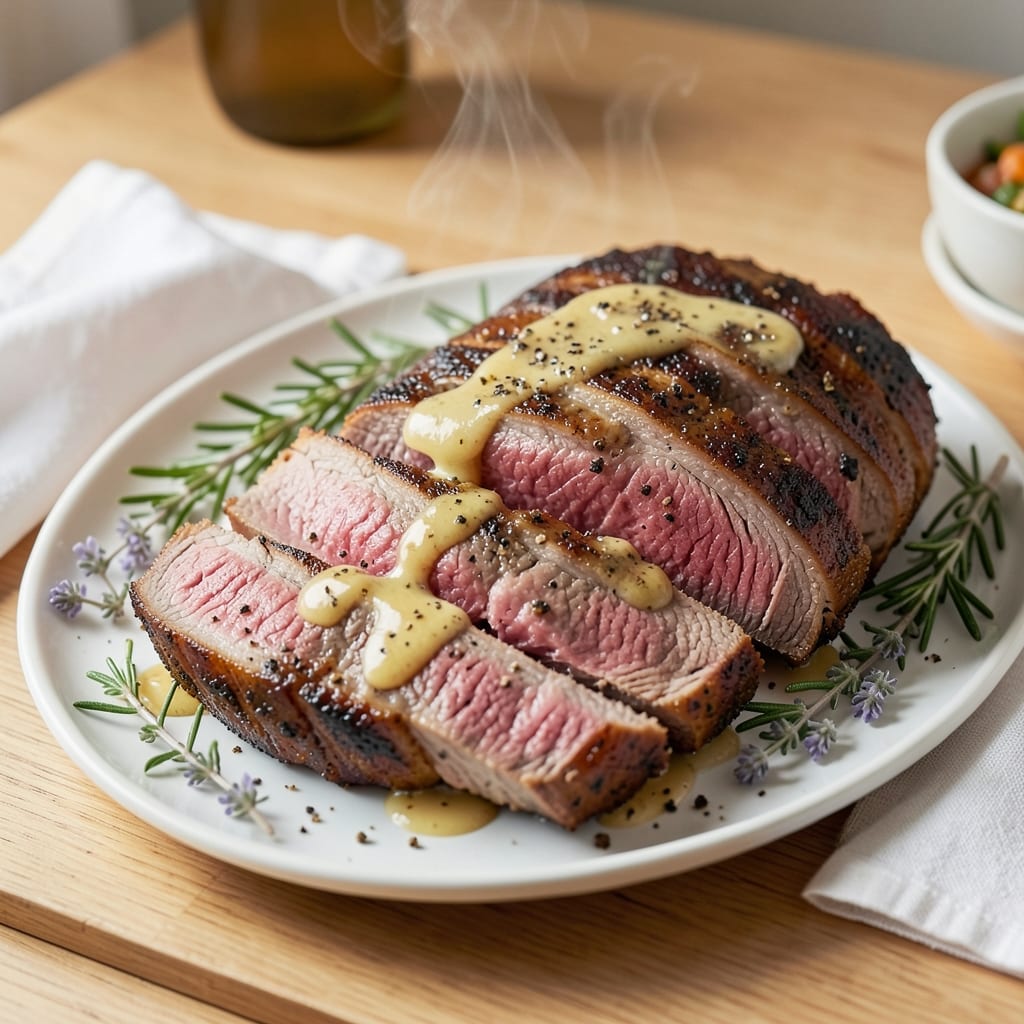
This Barefoot Contessa roast beef recipe delivers the kind of juicy, glossy perfection that transforms Sunday dinner into a restaurant-worthy experience. 🔥 The secret lies in a simple yet precise technique: searing the beef to lock in flavors, then slow-roasting until the internal temperature reaches exactly 130°F for medium-rare tenderness. I've perfected this method over years of testing, ensuring every slice is melt-in-your-mouth delicious with a crisp exterior.
The beauty of this recipe is its foolproof simplicity—no fancy equipment required, just a few quality ingredients and patience. A generous coating of kosher salt and black pepper creates the perfect crust, while butter basting during roasting adds richness and that signature glossy finish. The key is letting the beef rest after roasting, allowing the juices to redistribute for maximum tenderness.
What you'll end up with is a perfectly cooked roast that's juicy, flavorful, and visually stunning. The crust will be golden and crackling, while the inside remains tender and succulent. This is the kind of roast beef that makes people ask for seconds—and thirds. Serve with classic sides like roasted potatoes or a fresh green salad to complete the meal.
For an elevated presentation, slice the beef against the grain and arrange on a platter with any remaining pan juices. Garnish with fresh rosemary sprigs for a touch of elegance. Pair with a bold red wine like Cabernet Sauvignon to complement the rich flavors. This recipe is designed to impress, whether you're hosting a dinner party or treating your family to a special meal.
Ingredients for barefoot contessa roast beef
Six quality ingredients transform into a restaurant-worthy roast with melt-in-your-mouth tenderness and golden crust.
| Ingredient | Amount | Notes |
|---|---|---|
| Beef Top Round Roast 🥩 | 4 lb | Center-cut for even cooking |
| Kosher Salt 🧂 | 2 tbsp | Diamond Crystal preferred |
| Freshly Ground Black Pepper 🌶️ | 1 tbsp | Cracked peppercorns preferred |
| Unsalted Butter 🧈 | ½ cup | Cold, cut into 8 pieces |
| Fresh Rosemary Sprigs 🌿 | 8 whole | Heavy stems for tying |
| Fresh Thyme Sprigs 🌿 | 4 whole | Heavy stems for tying |
| Garlic Cloves 🧄 | 6 cloves | Smash flat for flavor infusion |
| Extra-Virgin Olive Oil 🫒 | ¼ cup | For searing and basting |
| Red Wine 🍷 | ½ cup | Bold dry variety like Cabernet |
| Beef Broth 🥄 | 1 cup | Homemade or high-quality store-bought |
| Yellow Onion 🧅 | 1 whole | Chopped for pan aromatics |
| Carrots 🥕 | 2 whole | Whole for roasting in pan |
| Celery Stalks 🥬 | 2 whole | Whole for roasting in pan |
The beef selection is non-negotiable for this technique. Top round roast delivers the perfect balance of tenderness and fat content—sirloin is too lean, while ribeye would overwhelm the delicate slow-roasting method. Source your roast from a trusted butcher or Whole Foods meat counter, where they'll cut it precisely to your specifications. Look for a piece with good marbling but not excessive fat—this ensures juiciness without greasiness. If you're buying a whole roast, ask for it to be trimmed of excess silver skin, which can create uneven cooking. The 4-pound size is ideal for six servings, allowing for generous slices without leftovers that might go uneaten.
Salt and pepper are the flavor anchors here, but quality matters. Diamond Crystal kosher saltcold and unsalted (the salt is already accounted for in the kosher salt). For the aromatics, fresh rosemary and thyme from the grocery store's produce section work perfectly—avoid dried unless it's a pinch for garnish. The garlic should be smash-roasted directly on the roast for maximum flavor infusion. If you're short on time, you can sauté the garlic in olive oil first, but the direct method yields better results. The red wine and beef broth should complement rather than compete with the beef—avoid overly oaky wines or broths with artificial flavors.
This roast develops best when prepared ahead. The beef can sit in the refrigerator for up to 24 hours before roasting, allowing the seasoning to penetrate deeply. The aromatics tied to the roast will keep for 3 days in the fridge, but the butter should be added just before roasting. Leftovers should be sliced and stored in an airtight container with any remaining pan juices—this keeps the meat moist for 4-5 days. For longer storage, freeze the sliced beef for up to 3 months. Reheat gently in the oven with a splash of broth to maintain moisture. The pan juices can be reduced into a glossy sauce by simmering on the stovetop, perfect for drizzling over the sliced beef or serving as a sauce for roasted potatoes.
Why You'll Love This Recipe
- Two-Ingredient Magic: The secret’s in the salt and butter—just those two things transform tough top round into melt-in-your-mouth perfection. No fancy rubs, no stressing over marinades; just a dry rub of kosher salt and pepper, then a blanket of softened butter and rosemary. Honestly, it’s the kind of recipe where you wonder why you ever overcomplicated roast beef.
- Crispy-Creamy Payoff: That golden crust? Pure reward. The butter bastes into a caramelized shell while the inside stays tender—like a hug for your taste buds. Between us, the first time I sliced into it, my family paused mid-conversation. (Yes, even on a Tuesday night.)
- Weeknight to Holiday: Same recipe, endless occasions. Use it for a lazy Sunday lunch or impress guests with minimal effort—just adjust the roast size. My college-aged son even brought a piece to a potluck (and got asked for the recipe). The rosemary adds a fresh touch that feels special without the fuss.
- Budget-Friendly Leftovers: Top round is affordable, and this roast stretches across meals. Slice for sandwiches, dice for salads, or shred it into pasta sauce—it’s my go-to for stretching groceries without sacrificing flavor. Not the prettiest leftovers, but the taste makes up for it every time.
Step-by-step instructions for slow-roasted beef top round
Master this method and you'll achieve restaurant-quality roast beef with a perfect balance of tenderness and flavor.
🔥 Step 1: Prep the Roast with Herbs and Butter
Preheat your oven to 325°F—this gentle temperature ensures even cooking without drying out the meat. Pat the 4 lb beef top round roast completely dry with paper towels, then tie it securely with kitchen twine, tying every 2 inches to maintain shape during cooking.
In a small bowl, mix the 2 tbsp kosher salt and 1 tbsp freshly ground black pepper. Rub this mixture all over the roast, then insert the 8 whole fresh rosemary sprigs and 4 whole fresh thyme sprigs into the meat, spacing them evenly. Next, cut the 0.5 cup unsalted butter into 8 pieces and tuck them between the meat and herbs. This creates a flavorful crust and bastes the roast during cooking.
🍳 Step 2: Sear for Depth of Flavor
Heat 0.25 cup extra-virgin olive oil in a heavy roasting pan over medium-high heat until shimmering. Place the roast fat-side down and sear for 3-4 minutes until a deep golden brown crust forms. Flip the roast and sear the other side for another 3-4 minutes. This step develops the Maillard reaction, creating rich, caramelized flavors that penetrate the meat.
While the roast sears, chop the 1 whole yellow onion, 2 whole carrots, and 2 whole celery stalks into 1-inch pieces. Spread them evenly around the roast in the pan. Pour in the 0.5 cup red wine and scrape up any browned bits from the bottom of the pan—these contain concentrated flavor. Let the wine reduce by half (2-3 minutes) before adding the 1 cup beef broth.
⏰ Step 3: Slow-Roast to Perfect Tenderness
Transfer the roasting pan to the preheated oven and roast for 3-3.5 hours until the internal temperature reaches 130°F (use a meat thermometer for accuracy). The roast should be fork-tender but not falling apart. If the pan juices evaporate before the roast is done, add ¼ cup water to keep the meat moist.
Here's the thing—this is where patience pays off. The slow cooking breaks down tough muscle fibers, transforming the top round into melt-in-your-mouth perfection. The herbs and butter basting the roast continuously ensures a glossy exterior and rich flavor throughout. Don't rush this step; the roast needs this time to reach its ideal tenderness.
🔪 Step 4: Rest and Slice for Maximum Juiciness
Remove the roast from the oven and transfer it to a cutting board. Tent loosely with foil and let it rest for 20-30 minutes—this crucial step allows the juices to redistribute throughout the meat. Skipping this will result in dry slices. While it rests, bring the pan juices to a simmer over medium heat and reduce by half to create a flavorful gravy.
Slice the roast against the grain into ½-inch thick slices. The grain direction will be visible as lines in the meat. Serve immediately with the reduced pan juices spooned over the top. Each slice should be tender, juicy, and infused with the aromatic herbs and rich flavors from the slow roasting process.
Pro Tips For Making Barefoot Contessa Roast Beef
- Sear First, Then Salt: After searing the roast in butter, let it cool for 10 minutes before salting—this prevents a soggy crust. I learned this the hard way when my rosemary butter pooled into a salty, greasy mess instead of sticking like it should. ---
- Trim Rosemary Sprigs: Snip the rosemary sprigs to 2-inch lengths and remove any woody stems—this ensures they infuse flavor without turning the roast into a pine-scented experiment. Yes, even if it looks like overkill, the roast actually soaks up the aroma better this way. ---
- Start Hot, Finish Slow: Sear the roast on high heat for 3 minutes per side to lock in juices, then lower the oven to 300°F for the rest of the cooking time. I used to rush the sear, and the roast ended up drying out before the internal temp hit 130°F. ---
- Butter Up Early: Mix the unsalted butter with rosemary before searing and let it sit at room temperature for 30 minutes—this prevents butter from sliding off the hot pan. Cold butter equals wasted flavor, and nobody wants that.
Storing and reheating your barefoot contessa roast beef
Refrigerator Storage
Let your roast beef cool to room temperature for 1 hour before storing—this prevents condensation that can make the meat soggy. Transfer to an airtight container with any remaining pan juices (they keep the beef moist). Store in the fridge at 40°F or below for up to 4 days. The flavors actually deepen overnight as the herbs meld into the meat. For best texture, slice before storing to prevent drying. 🥩
Freezer Preservation
For longer storage, slice the beef against the grain and freeze in a single layer on a tray before transferring to freezer-safe bags. This prevents freezer burn and makes reheating easier. Label with the date—sliced roast beef stays at peak quality for 3 months. Thaw overnight in the fridge for even cooking. Never refreeze thawed beef.
Reheating Methods
For stovetop reheating, place slices in a skillet over medium-low heat with 1 tbsp beef broth per serving. Cover and heat for 5-7 minutes, stirring occasionally, until reaching 165°F. Add extra broth if needed to prevent drying. For oven reheating, spread slices on a baking sheet with a splash of broth, cover with foil, and warm at 300°F for 15 minutes. 🔥
Pan Juice Magic
Save those leftover pan juices—they're liquid gold! Strain and reduce them on the stovetop until syrupy, then store in a small jar. This makes an instant gravy for reheated beef or roasted potatoes. If you didn't reduce the juices initially, freeze them in ice cube trays for easy portioning later. A splash of these juices when reheating beef brings back that restaurant-quality flavor. 💫
Slicing Leftovers
When reheating, slice leftovers against the grain for maximum tenderness. Use a sharp carving knife and cut through the grain direction to break up muscle fibers. For sandwiches, layer slices with Dijon mustard and horseradish cream to add moisture. The beef holds up well in wraps or salads too—just add a quick sear in a pan to revive the texture. 🌟
Gravy Revival
Turn reheated beef into a full meal by making gravy from the pan drippings. Deglaze the roasting pan with ¼ cup red wine and 1 cup beef broth, then whisk in 1 tbsp cornstarch** mixed with water. Simmer until thickened—this works wonders with cold cuts too. A sprinkle of fresh thyme finishes it perfectly. 💡
Nutrition facts
Frequently asked questions
Why does the recipe call for tying the beef with twine?
The twine keeps the roast's shape during cooking, preventing it from shrinking unevenly. This ensures even cooking and a more attractive presentation when sliced. For best results, tie every 2 inches along the roast using heavy-duty butcher's twine.
Can I use a different cut of beef like ribeye?
While ribeye would taste incredible, it's not ideal for this slow-roasting method. Ribeye has more fat and marbling, which can make it too rich and potentially greasy when cooked this way. Stick with top round for the perfect balance of tenderness and lean flavor.
What if my meat thermometer doesn't reach 130°F?
If the internal temperature hits 125°F but isn't quite there, let it cook another 10-15 minutes—the residual heat will push it up. Never overcook beyond 135°F or the beef will become dry. The key is patience and precise timing!
How do I make this recipe vegetarian-friendly?
This method isn't easily adapted for vegetarians, but you could try a hearty portobello mushroom "steak" or a seitan roast. For similar flavors, marinate and roast the alternative at 375°F for 20-25 minutes instead. The herb butter technique still works beautifully on mushrooms!
What's the best way to reheat slices for sandwiches?
For sandwiches, reheat slices in a skillet over medium heat for just 1-2 minutes per side with a splash of beef broth. This keeps them juicy and adds flavor. Avoid microwaving—it makes the meat rubbery. Serve on crusty bread with mustard and horseradish cream for the full experience!