
Soups & Stews
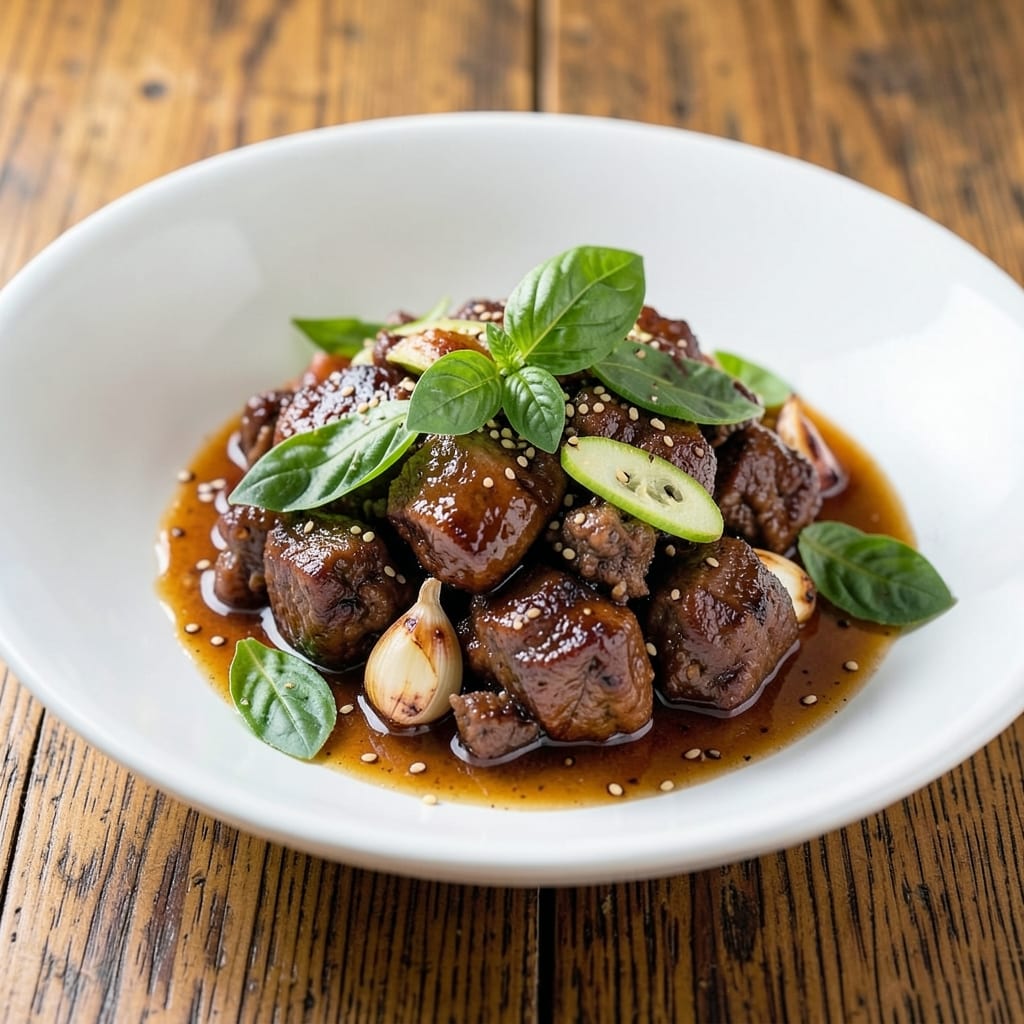
This basil minced beef recipe transforms simple ingredients into a fragrant, Thai-inspired one-pot dish that delivers restaurant-quality depth in under 45 minutes. The secret lies in toasting aromatic spices and simmering the beef until tender in a rich, basil-infused sauce that coats every bite. I developed this recipe after years of perfecting the balance between earthy Thai flavors and the freshness of basil—now you can achieve the same at home without the fuss.
The beauty of this dish is its versatility—it works equally well as a standalone meal or paired with steamed jasmine rice, buttery noodles, or crusty bread to soak up every last drop of sauce. The minced beef develops a satisfying texture, neither too crumbly nor overly mushy, while the basil adds a bright, herbaceous note that cuts through the richness. What makes this recipe truly special is how the flavors meld together during the simmering process, creating a harmonious blend that’s both comforting and exciting.
With just 10 ingredients and a single pot, you’ll create a dish that’s packed with layers of flavor—savory, slightly sweet, and herbaceous. The key steps are browning the beef for depth, building the aromatic base with garlic and ginger, and letting the basil steep in the warm sauce at the end. This isn’t just another minced beef recipe; it’s a one-pot masterpiece that brings the warmth of Thai cuisine to your table with minimal effort.
Perfect for weeknight dinners, meal prep, or impressing guests, this dish scales effortlessly and tastes even better the next day. The sauce thickens slightly as it cools, making leftovers just as satisfying. Garnish with fresh basil leaves and a sprinkle of crushed peanuts for added texture and a final touch of authenticity. Let’s get cooking—your taste buds will thank you.
Ingredients for basil minced beef
Ten simple ingredients create a fragrant Thai-inspired one-pot masterpiece with basil-infused richness.
| Ingredient | Amount | Notes |
|---|---|---|
| Minced Beef 🥩 | 1 ½ lb | 80/20 fat ratio preferred |
| Fresh Basil Leaves 🌿 | 1 cup | Packed, stems removed |
| Garlic Cloves 🧄 | 6 cloves | Minced for aromatic base |
| Fresh Ginger 🌿 | 1 tbsp | Grated, for zesty kick |
| Fish Sauce 🍶 | 2 tbsp | Red Boat brand preferred |
| Soy Sauce 🍶 | 2 tbsp | Light or dark variety |
| Brown Sugar 🍚 | 1 ½ tbsp | Packed, for subtle sweetness |
| Vegetable Oil 🫒 | 2 tbsp | High smoke point preferred |
| Thai Red Curry Paste 🌶️ | 1 tbsp | Maesri brand recommended |
| Crushed Peanuts 🥜 | ¼ cup | For garnish and texture |
| Lime Juice 🍋 | 1 tbsp | Freshly squeezed |
| Kosher Salt 🧂 | ½ tsp | Adjust to taste |
| Black Pepper 🌶️ | ¼ tsp | Freshly ground |
| Jasmine Rice 🍚 | 1 ½ cups | Uncooked, for serving |
The minced beef is the foundation, so 80/20 fat ratio is key—it keeps the texture tender while adding depth. Red Boat fish sauce and Maesri Thai curry paste are worth tracking down for authentic flavor, but store-brand soy sauce and regular curry paste work fine in a pinch. Fresh ginger and garlic should smell vibrant—if they're musty, swap for jarred minced ginger or pre-minced garlic. The basil needs to be fresh; dried won't give that bright herbal note the dish depends on. For the peanuts, Trader Joe's or Costco sell them pre-crushed at great prices, saving you the effort of pulsing them yourself.
No fish sauce? Extra soy sauce plus a dash of sugar mimics the umami punch. Running short on basil? Fresh cilantro or parsley at half the amount works, though it'll change the flavor profile slightly. The curry paste can be swapped for 1/2 tsp each turmeric, cumin, and coriander if you're avoiding ready-made mixes. For the rice, jasmine is ideal, but long-grain white or basmati will work. If you're making this ahead, skip the lime juice until serving—it brightens the dish but can make the sauce watery if added too soon.
This dish reheats beautifully—just warm through with a splash of water or broth. Keeps for 3-4 days in the fridge, though the flavors actually deepen overnight. For meal prep, portion the sauce over rice and store separately; reheat together for the best texture. The peanuts and lime juice are best added fresh, so save those steps for serving. Freezes for up to 2 months, though the basil will turn to mush—just add fresh when reheating. Double the batch; leftovers make incredible sandwiches or rice bowls the next day.
Why You'll Love This Recipe
- No-Chop Night: I swear by this—just pulse the garlic and ginger in the food processor, toss in the basil stems with the meat, and let the heat do the work. No knife skills required, just hands-off flavor.
- Umami Bomb: That fish sauce and ginger combo? It’s the secret weapon. The basil brightens it up so the dish doesn’t taste heavy—just rich, savory, and addictive in one bite. (Yes, even my picky husband finishes his plate.)
- Lunchbox Hero: Double the batch, and you’ve got tomorrow’s packed lunch sorted. Serve it cold in wraps or over rice—still tastes fresh, still packs that punch. My kids actually eat their leftovers this way.
- Budget Flex: Minced beef stretches miles, and fresh basil (even a small bunch) goes a long way when you tear those leaves instead of chopping. Fish sauce adds depth without breaking the bank—this meal feeds four for under $10.
Step-by-step instructions for basil minced beef with jasmine rice
This Thai-inspired dish comes together in one aromatic pot—simple steps, bold flavors.
Prepare the Aromatic Base
Heat the 2 tablespoons vegetable oil in a large pot or deep skillet over medium-high heat until shimmering. Add the 6 cloves minced garlic cloves and 1 tablespoon grated fresh ginger, cooking for 30 seconds until fragrant but not browned. This quick step unlocks the foundation of your dish—those aromatic oils will carry through every bite.
Next, add the 1 tablespoon Thai red curry paste and stir vigorously for 1 minute until it darkens slightly and releases its deep, earthy flavors. The paste contains chili, lemongrass, and galangal—don't rush this step. You'll know it's ready when the oil becomes fragrant and slightly darkened around the edges.
Cook the Minced Beef
Push the aromatic mixture to one side of the pot and add the 1.5 pounds minced beef in a single layer. Let it sear undisturbed for 2-3 minutes until it loses its raw color and begins to brown. This initial sear builds rich, meaty depth that won't dissolve later in the cooking process.
Once browned, use a wooden spoon to break the beef into small, even pieces while stirring. Cook for an additional 3-4 minutes until the meat is no longer pink in the center. The beef should be fully cooked but still tender—overcooking here will make it tough later. If the mixture looks dry, add 2 tablespoons water to deglaze and keep everything moist.
Build the Flavorful Sauce
Reduce heat to medium-low and stir in the 2 tablespoons fish sauce, 2 tablespoons soy sauce, and 1.5 tablespoons packed brown sugar. Let the mixture simmer for 5 minutes, stirring occasionally, until the sauce thickens slightly and the sugar caramelizes just enough to balance the saltiness.
Add the 1 cup packed fresh basil leaves and 1 tablespoon freshly squeezed lime juice, then stir gently to incorporate. The basil will wilt slightly, releasing its bright, herbal notes into the sauce. Taste and adjust seasoning—you may need an additional pinch of kosher salt or black pepper to perfect the balance of sweet, salty, sour, and umami.
Cook the Jasmine Rice
Rinse the 1.5 cups jasmine rice under cold water until the water runs clear, then drain well. Add the rice to the pot with the beef mixture and stir gently to combine. Pour in 2 cups water (or enough to cover the rice by about ½ inch) and bring to a gentle simmer over medium heat.
Once simmering, reduce heat to low, cover the pot with a tight-fitting lid, and cook for 15 minutes without disturbing. After 15 minutes, check the rice—it should be tender but still slightly firm in the center. If needed, add 2-3 tablespoons hot water through the lid's steam hole and cook another 5 minutes. The rice should absorb all the liquid and become fluffy with a slight bite.
Finish and Serve
Remove the pot from heat and let it sit covered for 5 minutes to allow the rice to finish steaming. Fluff the rice gently with a fork, then stir in the ¼ cup crushed peanuts for added texture. The peanuts add a satisfying crunch that contrasts beautifully with the tender beef and rice.
Serve immediately, garnished with additional lime wedges and fresh basil leaves if desired. Each bite delivers perfectly balanced flavors—herbal, savory, slightly sweet, and umami-rich—all in one cohesive, aromatic dish. The one-pot method keeps cleanup simple while delivering restaurant-quality results.
Pro Tips For Making Basil Minced Beef
- CRACK THE GARLIC FIRST: Smash those garlic cloves flat with the side of your knife before mincing—it releases more flavor and sticks to the beef better than finely chopped bits. I used to just chop it, and the dish never had that same punch. Trust me, this takes 10 seconds and makes a real difference.
- STOP WHEN IT’S JUST DONE: Pull the beef off the heat the second it turns brown, not when it’s fully cooked—it’ll finish steaming in the sauce. Overcooking turns it rubbery, and this dish relies on tender, juicy texture. I learned this after serving dry, sad meat to my family twice.
- USE FISH SAUCE LAST: Toss in the fish sauce only at the very end—it’s the umami bomb that needs to stay bright and sharp. Add it early, and you’ll taste raw, salty notes instead of that clean, savory finish. Think of it like seasoning: timing matters.
- CHOP BASIL COARSELY: Tear or roughly chop basil leaves instead of dicing them—whole leaves stay vibrant and release aroma better when they hit hot oil. Finely chopped basil turns to mush and dulls the flavor. This isn’t a garnish; it’s the star, so treat it like one.
Essential equipment for perfect results
One-Pot Essentials
Start with a heavy-bottomed Dutch oven (like the Le Creuset 5.5-quart)—it distributes heat evenly and prevents scorching during the simmer. The deep sides make stirring and combining ingredients easier, especially when adding rice later. I’ve made this recipe in a stainless steel skillet, but the Dutch oven’s even heat distribution ensures consistent cooking. 🔥
Knife & Cutting Tools
A sharp chef’s knife (I use Wüsthof’s 8-inch) is non-negotiable for mincing garlic and ginger efficiently. For the basil, a pair of kitchen shears speeds up stem removal—just snip the leaves off the stems in one motion. If you’re prepping ahead, a microplane for ginger creates fine, aromatic zest without overpowering the dish.
Measuring & Mixing
Precision matters with fish sauce and soy sauce—use a small measuring spoon (like OXO’s ½-tsp set) to avoid over-salting. A whisk helps emulsify the sauce when combining the fish sauce, soy sauce, and brown sugar. For the crushed peanuts, a rolling pin works, but I prefer a food processor for consistent texture—just pulse until finely chopped.
Heat Control Tools
A thermometer (like Thermoworks’ Smoke) ensures your oil reaches 350°F before adding garlic and ginger—this prevents burning and unlocks maximum flavor. For simmering, a long-handled wooden spoon keeps you from disturbing the rice while stirring. If your stove lacks precise heat control, a stovetop diffuser (like Ozeri’s) helps maintain even medium-low heat during the rice-cooking phase.
Garnish & Serve
Fresh basil leaves and lime wedges need a small plate or slotted spoon for garnishing—this keeps them separate until serving. A tongs helps arrange the crushed peanuts evenly on top. For presentation, I use a large shallow bowl to serve the rice and beef together, letting the sauce pool at the bottom for dipping.
Optional Upgrades
For extra depth, a mortar and pestle lets you toast the curry paste and spices directly in the pot before adding oil—this builds layers of aroma. If you love smoky notes, a small cast-iron skillet (like Lodge’s 10-inch) can sear the beef first, then transfer it to the Dutch oven for simmering. A fine-mesh strainer comes in handy if you want to blend the basil into the sauce for a smoother texture.
Nutrition facts
Frequently asked questions
Can I substitute ground beef with another type of minced meat?
For a richer flavor, try ground pork (80/20 ratio) or lamb mince, which pairs beautifully with the basil and Thai spices. Avoid lean cuts like chicken breast—they dry out quickly. If using turkey, increase the fat ratio to 90/10 to maintain moisture.
How do I adjust the spice level for sensitive palates?
Start by reducing the Thai red curry paste to ½ tablespoon and omit any chili flakes. For extra mildness, swap the paste with ½ teaspoon ground coriander and ¼ teaspoon turmeric. The fish sauce already adds depth without heat, so you won’t lose flavor—just complexity.
What’s the best way to store leftovers?
Let the dish cool completely, then transfer to an airtight container and refrigerate for up to 4 days. The flavors actually improve overnight! Reheat gently in a pot with 1-2 tablespoons water over low heat to restore moisture. For freezing, portion into single-serving containers and store for up to 2 months—just add fresh basil and lime when reheating.
Can I make this dish in an Instant Pot?
Yes! Sauté the garlic, ginger, and curry paste on Sauté mode first. Brown the beef, then add all remaining ingredients (except rice) and cook on High Pressure for 8 minutes. Quick-release the pressure, stir in the rice, and cook on Keep Warm for 10 minutes. The Instant Pot version finishes in 30 minutes instead of 45!
Why does my basil taste bitter in the final dish?
Bitter basil usually means it was overcooked or added too early. Always stir in the fresh basil leaves during the last 5 minutes of cooking—this preserves their bright flavor. If using large stems, remove them first. For extra freshness, add a few leaves on top just before serving.