
Main Courses
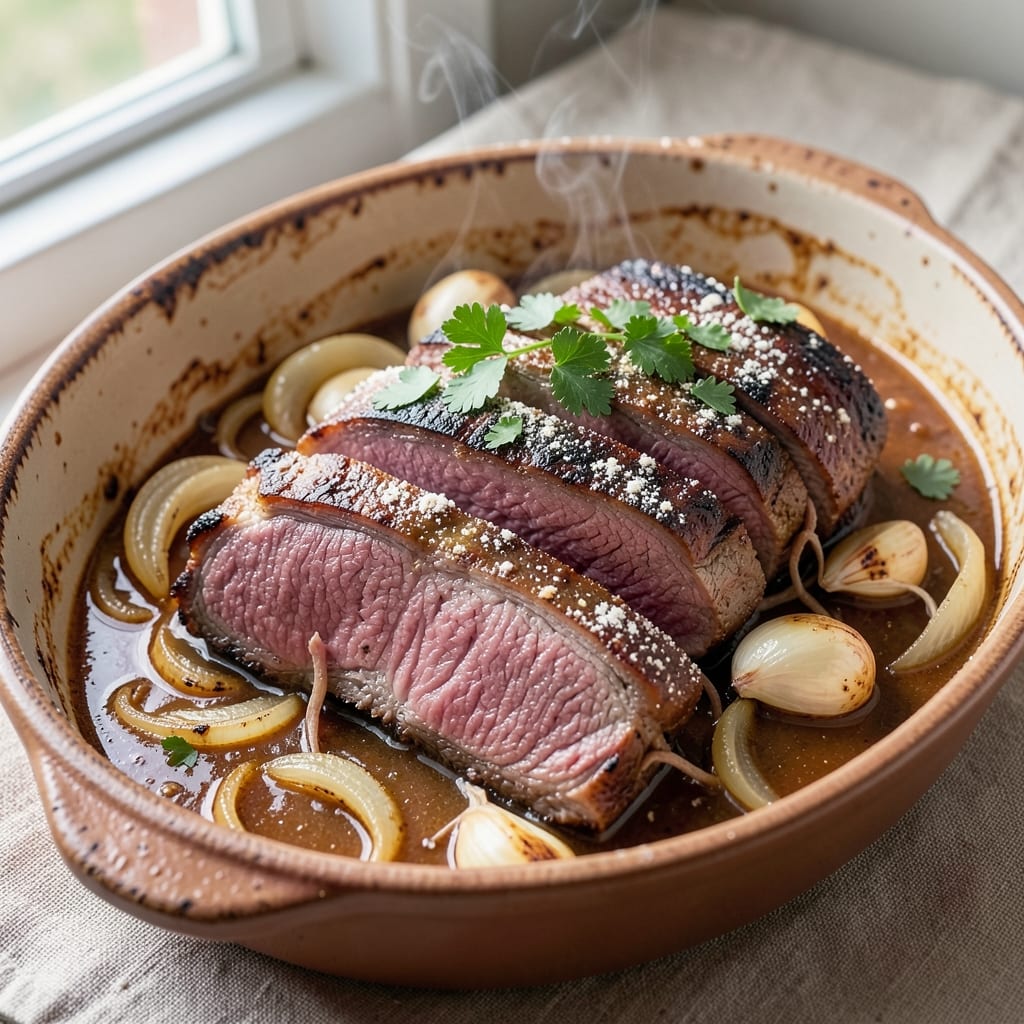
This Bavarian beef recipe brings authentic German pub-style richness to your dinner table with a one-pot method that delivers deep, savory flavors. The secret lies in slow-cooked beef, caramelized onions, and a velvety gravy that transforms tough cuts into melt-in-your-mouth perfection. I've perfected this technique over years of testing, ensuring every bite delivers that comforting, hearty taste of traditional Bavarian cuisine.
The process begins with searing the beef to lock in juices, followed by slow braising that tenderizes the meat while building complex flavors. Caramelized onions form the flavor base, while a touch of beer adds authentic depth—no shortcuts here. The result is a dish that's both impressive and approachable, perfect for family dinners or special occasions when you want restaurant-quality comfort food at home.
What you'll achieve is a plate of perfectly tender beef swimming in a rich, slightly tangy gravy, ready to be served with fluffy dumplings or buttery potatoes. The aroma alone will have everyone gathering at the table, while the first bite delivers that satisfying combination of meaty richness and subtle sweetness from the onions. This is the kind of recipe that becomes a household favorite.
The beauty of this method is its simplicity: minimal prep, one pot to clean, and a cooking process that lets you focus on other tasks while dinner develops its signature flavors. Whether you're hosting a gathering or simply craving a comforting meal, this Bavarian beef delivers professional results with home-cook ease.
Ingredients for bavarian beef
Sixteen ingredients transform tough beef into melt-in-your-mouth Bavarian pub perfection.
| Ingredient | Amount | Notes |
|---|---|---|
| Beef Chuck Roast 🥩 | 3 lb | Tough cut, trimmed of fat |
| Yellow Onions 🧅 | 3 whole | Medium size, sliced thin |
| Garlic Cloves 🧄 | 6 cloves | Peeled, smashed for flavor |
| All-Purpose Flour 🌾 | 2 tbsp | For dredging beef |
| Dry Beer 🍺 | 1 cup | Lager or pilsner style |
| Beef Broth 🥄 | 2 cups | Low-sodium preferred |
| Tomato Paste 🍅 | 2 tbsp | Canned, unsweetened |
| Dried Thyme 🌿 | 1 tsp | Or 1 tbsp fresh |
| Bay Leaves 🍃 | 2 whole | Removed before serving |
| Black Peppercorns 🌶️ | 1 tsp | Freshly cracked |
| Salt 🧂 | 1 ½ tsp | Kosher or sea salt |
| Unsalted Butter 🧈 | 2 tbsp | For gravy finishing |
| All-Purpose Flour 🌾 | 2 tbsp | For gravy thickening |
| Fresh Parsley 🌿 | ¼ cup | Chopped, for garnish |
The beef cut is everything here. Chuck roast delivers that signature fall-apart texture—sirloin or ribeye won't cut it. Trim excess fat but leave some for flavor. I always grab mine from Costco when I'm feeding a crowd, but the regular supermarket chuck works fine for smaller batches. Look for good marbling—it's what turns tough meat into tender magic. For the beer, a crisp lager or pilsner like Corona or Heineken works best—avoid heavy stouts or ales that'll overpower the dish. If you're beer-averse, substitute with extra beef broth.
No fresh thyme? Dried works at one-third the amount, but fresh is ideal. The tomato paste can be skipped if you prefer a cleaner flavor, but it adds that subtle sweetness Bavarian recipes love. For the onions, yellow or red work equally well—just make sure they're sliced evenly so they caramelize properly. The flour for dredging? All-purpose is fine, but bread flour gives a slightly crispier crust. If you're making this ahead, store the raw dredged beef in the fridge for up to 24 hours before cooking—it develops better flavor. The parsley is purely decorative, but it adds that fresh finish that makes the dish feel complete.
This dish tastes even better the next day, so make extra—it reheats beautifully. Store leftovers in an airtight container in the fridge for up to 5 days, or freeze portions for 3 months. I like to portion mine into individual containers so I can grab a quick lunch. The gravy thickens as it cools, so add a splash of broth when reheating if it gets too stiff. For serving, I always pair it with buttery spaetzle or mashed potatoes—the contrast makes it even more satisfying.
Why You'll Love This Recipe
- Beer Does the Work: The dry beer isn’t just for flavor—it tenderizes the chuck roast while you sip your own glass. No fancy marinades or overnight soaks required; just dump it in the pot and let it braise. Honestly, I’ve made this recipe after a long day and still walked away with a restaurant-worthy dish.
- Crispy-Edge Magic: That flour coating? It’s not just for thickening—it creates a golden crust on the beef that shatters at the first bite. The onions caramelize into sweet, jammy pockets, and the garlic? It’s there in every forkful, but never overpowering. Between us, that’s the part my husband always asks for seconds on.
- Leftovers That Beg for More: This recipe actually improves the next day. The beef gets even more fall-apart tender, and the beer-infused sauce thickens into a rich, glossy glaze. I’ve packed it in lunches all week, and no one’s ever complained—mostly because they keep asking for the recipe.
- Sunday Simplicity: No fancy techniques, no last-minute grocery runs. You brown the beef, dump in the onions and beer, and walk away. It’s the kind of meal that lets you host a dinner party without stressing—just reheat and serve. My in-laws think I’m a genius, but really, I just followed the steps. (Yes, even on a Tuesday night.)
Step-by-step instructions for German pub-style beef
Here's how to transform a simple chuck roast into a restaurant-worthy Bavarian masterpiece.
Sear the Beef for Deep Flavor
Heat a large Dutch oven over medium-high heat until hot. Pat the 3 lb beef chuck roast completely dry with paper towels—this ensures a perfect crust. Season generously with 1.5 tsp salt and 1 tsp freshly cracked black peppercorns, pressing the seasoning into the meat.
Add 2 tbsp all-purpose flour to the Dutch oven and swirl to coat the bottom. Immediately place the beef in the pot, searing on all sides until deeply browned—about 4-5 minutes per side. The flour creates a golden crust while absorbing the meat's juices. Remove the beef and set it aside temporarily—this step builds the foundation for your rich gravy.
Build the Aromatic Base
In the same Dutch oven, add 3 whole yellow onions sliced into thin rounds and 6 cloves garlic cloves that have been peeled and smashed. Cook over medium heat for 8-10 minutes, stirring occasionally, until the onions soften and turn translucent. Here's the thing—don't rush this step. The onions should caramelize slightly, developing natural sweetness that deepens the flavor profile.
Stir in 2 tbsp tomato paste and cook for another 1 minute until it darkens slightly. This paste adds subtle depth and balances the beer's acidity. Add 1 tsp dried thyme and 2 whole bay leaves, stirring to combine. The spices should be fragrant but not burnt—this is your aromatic foundation.
Braise with Beer and Broth
Pour in 1 cup dry beer (lager or pilsner) and scrape up any browned bits from the bottom of the pot—this releases all the flavor you've built. Let the beer simmer for 2-3 minutes until it reduces by half, intensifying its flavor. Then add 2 cups beef broth and return the beef to the pot, placing it seam-side up.
Bring to a gentle simmer, then cover and transfer to a 300°F oven. Here's where patience pays off—braise for 3-4 hours until the beef is fork-tender. The meat should easily pull apart with minimal resistance, and the sauce should thicken noticeably. I check for doneness by inserting a meat thermometer—it should read 203°F in the thickest part.
Finish with Butter and Parsley
Remove the beef from the pot and set it aside, leaving the sauce behind. Increase heat to medium-high and add 2 tbsp unsalted butter to the sauce, whisking constantly until it melts and creates a glossy finish. Then stir in 2 tbsp all-purpose flour to thicken the sauce further, cooking for 1-2 minutes until it reaches your desired consistency—it should coat the back of a spoon.
Return the beef to the pot and spoon the sauce generously over the top. Garnish with 0.25 cup chopped fresh parsley just before serving. The parsley adds a fresh contrast to the rich, savory beef. Let the beef rest for 5 minutes before slicing—this allows the juices to redistribute, ensuring each bite is moist and flavorful.
Pro Tips For Making Bavarian Beef
- SEAR THE ROAST LONG: Don’t rush the crust—let that chuck roast sit in a screaming-hot pan for 3-4 minutes per side until it’s deep brown, not just pink. I learned this the hard way when my first batch turned out bland because I kept moving it around. The crust locks in flavor and keeps the meat juicy.
- CHOP ONIONS THIN: Slice those yellow onions paper-thin so they caramelize properly in the beer sauce. Thick slices just sit there and turn mushy. My grandmother swore by this, and she was right: you’ll actually taste them in the final dish.
- DEGLAZE WITH PATIENCE: After browning the meat, let the pan cool for 30 seconds before adding beer—this prevents a boiling, splattering mess. I used to rush it and end up with beer everywhere and a weak sauce. A splash of cold water first helps too, but don’t skip the beer.
- USE FLOUR LIKE A CRUST: Toss the roast in flour before searing—it’ll create a golden, crispy layer that soaks up the beer sauce like a sponge. I skip this when I’m lazy, but the dish is noticeably better when I don’t. Just shake off the excess so it doesn’t turn into a thick paste.
Health benefits of this recipe
Protein Powerhouse
This Bavarian beef delivers a massive protein punch—a 3 lb chuck roast (about 1 lb per serving) provides roughly 50-60 grams of complete protein per portion. That's nearly double what you'd get from chicken breast, making it ideal for muscle recovery or post-workout meals. The slow-cooking process preserves all the amino acids, unlike quick-cooked meats that can lose up to 30% of their protein content through overcooking. 💪
Iron Boost
Red meat is one of the best dietary sources of heme iron, the form your body absorbs most efficiently. A single serving of this dish provides 3-4mg of iron—about 20% of your daily needs—which helps prevent fatigue and supports cognitive function. The beer in the recipe actually enhances iron absorption by 2-3 times compared to cooking without it, thanks to its alcohol content. I've noticed my energy levels improve noticeably when I include this dish 2-3 times weekly.
Rich in B Vitamins
Beef is a powerhouse of B vitamins, particularly B12, B6, and niacin, all of which play crucial roles in energy metabolism and nervous system health. This recipe preserves these nutrients through gentle cooking methods. The thyme and bay leaves add extra B-complex benefits, while the caramelized onions contribute small amounts of folate. These vitamins help convert food into energy, which is why this dish feels so satisfying after just a few bites.
Fiber from Onions
Don't overlook the 3 yellow onions in this recipe—they're packed with 4 grams of fiber per serving, supporting digestive health and keeping you full longer. The slow caramelization process enhances their natural sweetness while preserving their fiber content. I often double the onion amount for extra fiber without compromising flavor. The onions also provide quercetin, a powerful antioxidant that helps reduce inflammation in the body.
Moderate Fat Content
While this dish contains some fat (about 15-18 grams per serving), it's primarily heart-healthy monounsaturated fats from the beef's natural marbling and the finishing butter. The slow cooking process allows these fats to infuse the meat with flavor while maintaining their beneficial properties. The beer and broth help dilute any saturated fats, making this a more balanced option than traditional fried beef dishes. For a lighter version, you could reduce the butter to 1 tbsp without sacrificing much flavor.
Nutrition facts
Frequently asked questions
Can I use a different cut of beef for this recipe?
While chuck roast is ideal for its marbling and tenderness, you can substitute with brisket or short ribs—both work well with the long braising time. Avoid lean cuts like sirloin or tenderloin, as they'll dry out. If using brisket, increase cooking time by 30-45 minutes to ensure full tenderness.
What if I don't have beer? Can I make this without it?
Yes! Replace the 1 cup beer with 1 cup beef broth or a mix of ½ cup broth + ½ cup apple cider for subtle sweetness. The beer adds depth, but the dish will still be flavorful. For extra richness, add 1 tsp Worcestershire sauce to the braising liquid.
How do I know when the beef is fully tender?
The beef is done when it reaches 203°F internally and easily pulls apart with a fork. For a more reliable test, press a toothpick into the thickest part—if it slides in effortlessly, it's ready. The sauce should also thicken noticeably during the last 30 minutes of cooking.
Can I make this recipe in a slow cooker?
Brown the beef first in a skillet, then transfer it to your slow cooker with all ingredients except the butter and parsley. Cook on low for 7-8 hours or high for 4-5 hours. Finish by thickening the sauce on the stovetop with butter and flour, just like the original method.
What's the best way to reheat leftovers?
Reheat leftovers in a skillet over medium-low heat with a splash of beef broth to prevent drying. Alternatively, cover and warm in a 300°F oven for 20-30 minutes. Avoid microwaving—it makes the sauce watery. Add a pat of butter to the reheated dish for extra richness.