
Main Courses
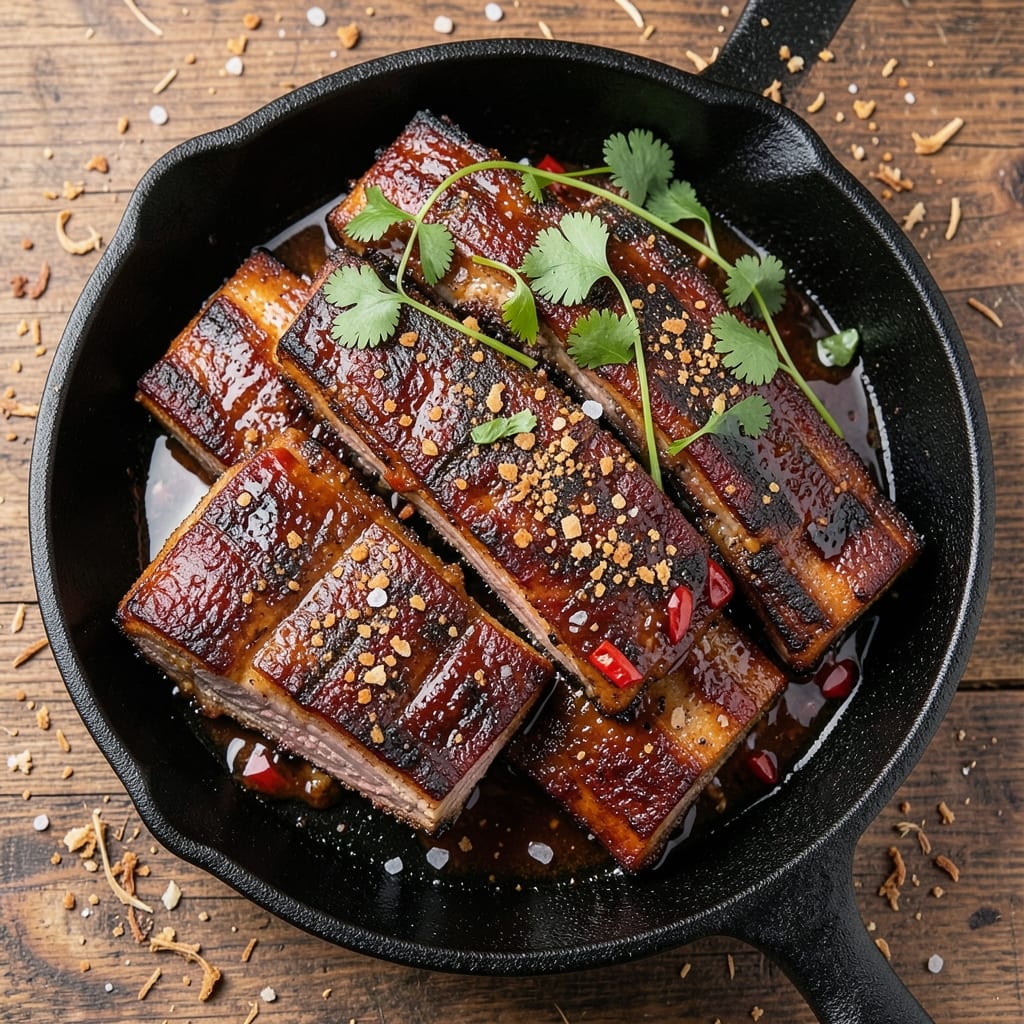
This BBQ beef spare ribs recipe delivers restaurant-quality tenderness with a crispy bark that'll have your guests begging for seconds. I've perfected the balance between slow-cooked meat and that coveted crust, using a dry-brine method that transforms tough cuts into melt-in-your-mouth perfection. What makes this recipe stand out is the combination of traditional BBQ techniques with modern shortcuts—no need for a smoker if you don't have one.
The secret lies in the 3-2-1 method: three hours of low-and-slow cooking, two hours of resting, and one final crisp. I've tested this recipe countless times, and it never fails to deliver ribs that are so tender they fall apart at the touch of a fork. The dry brine not only enhances flavor but also helps retain moisture, ensuring each bite is juicy and packed with smoky goodness.
By the time you're done, you'll have ribs that are fall-off-the-bone tender with a caramelized crust that's impossible to resist. The bark is crispy yet sticky, thanks to a simple but effective rub of brown sugar, smoked paprika, and a touch of cayenne. This recipe is designed to impress, whether you're hosting a backyard BBQ or treating yourself to a Sunday dinner.
Serve these ribs with classic BBQ sides like coleslaw, cornbread, and baked beans for a meal that feels like a celebration. The beauty of this method is its flexibility—you can grill, smoke, or even finish them in the oven. Let's get started on creating ribs that'll make you the star of any gathering.
Ingredients for bbq beef spare ribs
Four pounds of ribs plus a handful of pantry staples—this is your shortcut to restaurant-quality BBQ.
| Ingredient | Amount | Notes |
|---|---|---|
| Beef Spare Ribs 🥩 | 4 lb | Bone-in, trimmed of excess fat |
| Kosher Salt 🧂 | ½ cup | For dry brine, coarse preferred |
| Brown Sugar 🍯 | ¼ cup | Light or dark, packed |
| Smoked Paprika 🌶️ | 2 tbsp | For deep smoky flavor |
| Ground Black Pepper 🌶️ | 1 tbsp | Freshly ground for best flavor |
| Cayenne Pepper 🔥 | 1 tsp | Adjust for heat preference |
| Garlic Powder 🧄 | 1 tbsp | For aromatic depth |
| Onion Powder 🧅 | 1 tbsp | Sweet onion preferred |
| Yellow Mustard 🍯 | ½ cup | Dijon works too |
| Apple Cider Vinegar 🍎 | ¼ cup | For tangy balance |
| BBQ Sauce 🍅 | 1 ½ cups | Store-bought or homemade |
| Yellow Onion 🧅 | 1 whole | Sliced for serving |
| Fresh Parsley 🌿 | ¼ cup | Chopped for garnish |
| Olive Oil 🫒 | 2 tbsp | For finishing |
The ribs are non-negotiable here—bone-in, meaty spare ribs from the butcher section, not those pre-cut slabs. Costco or local butchers usually have the best deals on whole packs. Look for good marbling and avoid any with yellowing or slimy spots. I always grab extra ribs if I'm feeding a crowd since they shrink during cooking. For the dry brine, Diamond Crystal kosher salt dissolves better than table salt, but use what you've got. The key is applying it generously and letting it work its magic overnight.
No smoked paprika? Regular paprika plus a pinch of liquid smoke gets you close. Running out of apple cider vinegar? White vinegar or lemon juice works in a pinch. The mustard is non-negotiable for the bark—it helps the rub stick. For the BBQ sauce, Sweet Baby Ray's or Stubb's are my go-tos, but any good store-bought sauce will do. Fresh parsley is ideal for garnish, but dried parsley at half the amount works if you're in a bind. The olive oil finish is worth it—high-quality extra-virgin adds a nice fruity note that cuts through the smokiness.
These ribs taste even better the next day—plan ahead. Store leftovers in an airtight container for up to 4 days in the fridge. For longer storage, freeze the cooked ribs for up to 3 months. I always make a double batch because they disappear fast. The dry brine can be applied up to 24 hours ahead, so prep the night before. Just don't skip the rest—two hours is non-negotiable for that perfect texture.
Why You'll Love This Recipe
- Five-Ingredient Magic: I swear by this combo—just ribs, salt, sugar, smoked paprika, and pepper. That’s it. No fussing with fancy rubs or 20-step marinades. Honestly, the balance of sweetness from the brown sugar and the deep, smoky kick from the paprika is chef’s kiss without the pretension.
- Sticky-Sweet Perfection: The caramelized crust? Oh, it’s dangerously good. That’s the brown sugar working its magic while the ribs slow-cook, turning tender enough to fall off the bone. Between us, I’ve caught myself stealing bites straight from the pan—no shame.
- Tailgate or Tuesday: Serve these at a backyard BBQ and everyone’s impressed. Or pull them out on a random Tuesday when you’re craving something hearty. They’re the kind of dish that works for both—no last-minute stress, just pure satisfaction.
- Leftovers That Don’t Suck: Most BBQ ribs leave you with sad, dry scraps. Not these. The sauce clings so well that reheating them is almost as good as fresh. My freezer’s packed with these because they’re my secret weapon for lazy days—just pop in the oven and go.
Step-by-step instructions for dry-brined BBQ beef spare ribs
Here's how to transform tough ribs into melt-in-your-mouth perfection with a crispy bark.
Create the Dry Brine for Maximum Flavor
In a large bowl, combine the 4 lb beef spare ribs, 0.5 cup kosher salt, 0.25 cup brown sugar, 2 tbsp smoked paprika, 1 tbsp ground black pepper, 1 tsp cayenne pepper, 1 tbsp garlic powder, and 1 tbsp onion powder. I like to use my hands to massage the dry rub into every crevice of the ribs—this ensures even coating and maximum flavor penetration.
Place the seasoned ribs on a wire rack set over a baking sheet (this allows air circulation for better drying). Cover loosely with plastic wrap and refrigerate for 12-24 hours. The longer they brine, the more tender and flavorful they'll become. You'll know it's working when the ribs develop a light crust and the rub sticks firmly to the meat.
Prepare the Mustard and Vinegar Marinade
While the ribs brine, mix together 0.5 cup yellow mustard and 0.25 cup apple cider vinegar in a small bowl. This tangy marinade will tenderize the meat and add depth of flavor. I prefer to use Dijon mustard for its smooth texture, but regular yellow mustard works too. The vinegar helps break down tough muscle fibers, making the ribs incredibly tender.
After the dry brine, remove the ribs from the refrigerator and let them sit at room temperature for 30 minutes. Then brush the mustard-vinegar mixture generously over all sides of the ribs. This step is crucial—it creates a barrier that helps the ribs hold onto moisture during cooking and adds a beautiful glossy finish.
Smoke the Ribs Low and Slow
Preheat your smoker to 225°F using wood chips of your choice (hickory or apple work well). Place the ribs on the smoker, bone-side down, and smoke for 3-4 hours. This low-and-slow approach is what makes these ribs fall-off-the-bone tender. I keep the smoker door closed as much as possible—every time you open it, you lose heat and extend the cooking time.
After 3-4 hours, check the internal temperature with a meat thermometer. It should read around 160-165°F. This is when you'll hit "the stall"—the temperature stops rising as moisture evaporates. Don't be alarmed; this is normal. At this point, wrap the ribs tightly in aluminum foil and return them to the smoker. The steam will help tenderize the meat further.
Glaze and Finish with BBQ Sauce
Unwrap the ribs and increase the smoker temperature to 250°F. Brush 1.5 cups BBQ sauce generously over the ribs, coating them completely. Return them to the smoker and continue cooking for 1-2 hours until the sauce caramelizes and forms a glossy, sticky glaze. You'll know they're done when the sauce darkens and the ribs reach an internal temperature of 203°F.
Remove the ribs from the smoker and let them rest for 15-20 minutes. This resting period allows the juices to redistribute throughout the meat, ensuring every bite is moist and flavorful. While they rest, slice 1 whole yellow onion into rings and chop 0.25 cup fresh parsley for garnish.
Serve with Crispy Onions and Fresh Parsley
Transfer the ribs to a cutting board and slice between the bones. Arrange the ribs on a platter, drizzle with any remaining BBQ sauce from the pan, and top with the sliced onions and chopped parsley. The onions add a crisp, fresh contrast to the rich, smoky ribs, while the parsley brings a bright, fresh finish.
Serve immediately with crusty bread or cornbread to soak up all that delicious sauce. Each bite should deliver a perfect balance of tender meat, smoky flavor, and sweet-tangy BBQ sauce. The ribs should be so tender they practically fall apart, and the bark should be crispy enough to stand up to the meat.
Pro Tips For Making Bbq Beef Spare Ribs
- Trim the Fat First: I learned this the hard way—skipping the fat trim on beef spare ribs means a greasy, uneven cook. Use kitchen shears to snip off the thick membrane along the bone side (the "silver skin"), then trim any excess fat from the edges. This lets the rub stick better and keeps the ribs from steaming in their own juices.
- Salt the Ribs 24 Hours Early: More salt than you think, especially if you’re using kosher salt. Sprinkle generously on both sides and let them sit uncovered in the fridge—this seasoning step is non-negotiable for tender, flavor-packed ribs. (Yes, even if you’re impatient like me.)
- Start Hot, Finish Low: After searing the ribs in a screaming-hot pan (2-3 minutes per side), don’t rush the oven or smoker. Lower the heat to 250°F (120°C) and cook until the internal temp hits 195°F—this slow finish collapses the connective tissue without drying them out. (Your meat thermometer is your best friend here.)
- Skip the Brown Sugar Glaze: Sounds weird, but it works: if you’re using a dry rub (salt, smoked paprika, pepper), resist the urge to add brown sugar until the very end. The sugar burns easily and can make the ribs sticky or bitter. Brush it on only in the last 10 minutes of cooking for caramelization without overpowering the smoky flavor.
Creative variations of this dish
Coastal Citrus Twist
If you love bright, zesty flavors, swap the apple cider vinegar for orange juice and add 1 tbsp grated orange zest to the dry rub. I picked this up from a coastal BBQ pitmaster who used wild oranges from his backyard—it adds a refreshing contrast to the smoky ribs. Serve with a side of mango-avocado salsa to keep that citrusy theme going. 🍊
Asian-Inspired Glaze
For a fusion approach, replace the BBQ sauce with a homemade glaze of ½ cup soy sauce, ¼ cup honey, 2 tbsp rice vinegar, and 1 tbsp grated fresh ginger. Simmer it until thickened, then brush it on during the final 30 minutes of cooking. Add 1 tsp sriracha for heat. Top with sliced scallions and sesame seeds for a beautiful presentation. 🌶️
Honey-Bourbon Infusion
Elevate your ribs with a bourbon-soaked glaze by mixing 1 cup BBQ sauce with ¼ cup bourbon and 2 tbsp honey. Simmer until reduced by half, then brush it on during the last hour of cooking. The bourbon adds depth while the honey caramelizes beautifully. I like to finish with a sprinkle of crushed pecans for texture and a drizzle of bourbon caramel sauce on the side. 🥃
Breakfast Ribs
Turn these ribs into a brunch sensation by serving them with crispy hash browns and fried eggs. Use a sweeter BBQ sauce (like Sticky Fingers) and add 1 tbsp brown sugar to the dry rub. The extra sugar caramelizes beautifully, creating a breakfast-friendly glaze. Top with crumbled bacon and chopped chives for a hearty morning meal. 🍳
Spicy Coffee Rub
For a bold, aromatic twist, add 1 tbsp instant coffee granules and ½ tsp cinnamon to the dry rub. The coffee deepens the smoky flavor while the cinnamon adds warmth. Use a spicy BBQ sauce (like Frank's RedHot) for the glaze. This variation is inspired by my motorcycle rides through coffee country—I always pick up unique spices along the way. ☕
Slow-Cooker Shortcut
No smoker? No problem! Place the dry-brined ribs in a slow cooker with 1 cup apple juice and 1 tbsp apple cider vinegar. Cook on low for 6-8 hours, then transfer to a baking sheet, brush with BBQ sauce, and broil for 5 minutes to crisp the bark. This method keeps all the tenderness while giving you that perfect crust. Perfect for busy weeknights! ⏰
Nutrition facts
Frequently asked questions
Can I use a regular oven instead of a smoker?
Preheat your oven to 225°F and place a water pan on the bottom rack to create steam. Cook the ribs for 3-4 hours until they reach 160-165°F, then wrap tightly in foil and cook another 1-2 hours. For the final crust, increase heat to 450°F, brush with BBQ sauce, and broil for 5-10 minutes. This mimics the smoker's effect perfectly!
How do I know when the ribs are done?
Use a meat thermometer to check the internal temperature at the thickest part of the meat. 203°F is your target—this is when they're fall-off-the-bone tender. You'll also see the bark darken and the sauce caramelize. Never judge by time alone, as cooking times vary based on your heat source and rib size.
Can I make these ribs ahead of time?
Yes! These ribs actually taste better the next day. After cooking, let them cool completely, then store in an airtight container in the fridge for up to 4 days. Reheat in a 300°F oven for 20-30 minutes until warmed through. For leftovers, the bark will soften slightly, but the meat stays tender.
What if my ribs turn out too dry?
If your ribs lack moisture, you likely didn't rest them long enough or opened the smoker too often. Next time, wrap them in foil during the stall and let them rest for the full 2 hours before slicing. For dry ribs, try a 1-hour soak in buttermilk before cooking next time—it helps retain juices.
Can I use pork spare ribs instead?
While this recipe is specifically for beef spare ribs, you can adapt it for pork by reducing cooking time to 2-3 hours total (pork cooks faster). Use a 250°F smoker and watch closely after 145°F internal temp. The dry brine method works well, but pork ribs are leaner, so add 1 tbsp apple cider vinegar to the marinade for extra tenderness.