
Soups & Stews
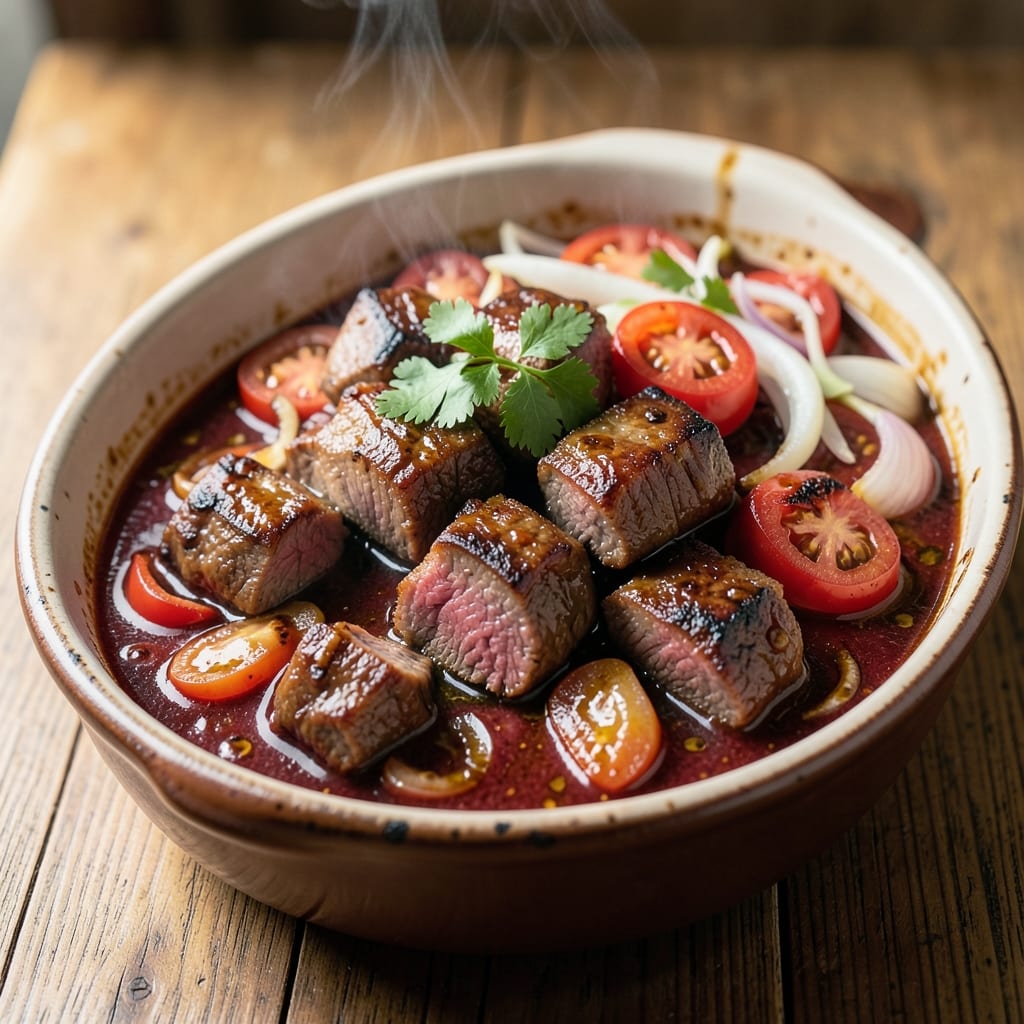
Mama Sita's beef afritada is the Filipino comfort dish that transforms tough beef into melt-in-your-mouth tender pieces swimming in a rich, tangy tomato-tamarind sauce. This recipe captures the essence of Mama Sita's signature technique—wine-braised with just the right balance of sweet, sour, and savory flavors that make every bite unforgettable. The slow simmering process ensures deep flavor penetration, while the addition of potatoes and carrots adds hearty texture to the stew.
The secret to authentic afritada lies in the layering of flavors: starting with well-browned beef for depth, then building the sauce with tomato paste, vinegar, and tamarind for that signature tang. Wine adds complexity, while bay leaves and black pepper create aromatic harmony. Unlike many versions that rely on heavy cream, this recipe delivers rich flavor through careful cooking techniques rather than shortcuts.
What you'll end up with is a restaurant-quality stew that's perfect for family dinners or special occasions. The beef becomes fork-tender, the sauce velvety yet bright, and the vegetables perfectly cooked. Serve it over steamed rice to soak up every last drop of that flavorful sauce—a true taste of home.
This recipe maintains Mama Sita's traditional methods while making them accessible for home cooks. The 30-minute prep followed by 2-hour simmering ensures maximum flavor development without requiring advanced techniques. Whether you're recreating a childhood memory or introducing Filipino flavors to your family, this afritada delivers authentic taste and comforting warmth in every bowl.
Ingredients for beef afritada recipe mama sita
Sixteen ingredients, two hours of simmering—transforming tough beef into restaurant-quality stew.
| Ingredient | Amount | Notes |
|---|---|---|
| Chuck Roast 🥩 | 2 ½ lb | Cut into 1.5-inch cubes |
| Red Wine 🍷 | 1 cup | Bold dry variety preferred |
| Tomato Paste 🍅 | 2 tbsp | Squeeze tube preferred |
| Canned Tomatoes 🍅 | 1 can | 15 oz, San Marzano preferred |
| Tamarind Paste 🍯 | ½ cup | Or 2 tbsp tamarind concentrate |
| White Vinegar 💧 | ¼ cup | Distilled preferred |
| Yellow Onions 🧅 | 2 whole | Medium, sliced thin |
| Garlic Cloves 🧄 | 6 cloves | Minced for depth |
| Russet Potatoes 🥔 | 2 lb | Peeled, cut into chunks |
| Carrots 🥕 | 4 whole | Medium, cut into rounds |
| Bay Leaves 🌿 | 2 whole | Fresh preferred |
| Black Peppercorns 🌶️ | 1 tsp | Freshly cracked |
| Salt 🧂 | 1 ½ tsp | Diamond Crystal preferred |
| Olive Oil 🫒 | ¼ cup | Extra-virgin for richness |
The chuck roast is non-negotiable for authentic texture—Costco's pre-cubed saves time, but buying a whole roast to cube yourself yields better results. For the wine, Cabernet Sauvignon or Merlot work best, but any bold dry red will do. Tamarind paste can be tricky to find; Filipino markets or Asian grocery stores carry it, or use tamarind concentrate at half the amount. The San Marzano canned tomatoes deliver superior flavor, but any high-quality crushed tomatoes will suffice. Fresh bay leaves infuse more aroma than dried, but if you must use dried, reduce to one-third the amount.
No tamarind? Substitute 1 tbsp lime juice plus 1 tbsp brown sugar for tanginess. Running out of red wine? Beef broth with 1 tbsp balsamic vinegar mimics the depth. The carrots can be baby carrots if preferred, but whole carrots hold their shape better. For extra richness, add 1 tbsp soy sauce (Filipino-style), though traditional recipes omit it. The potatoes should be russet—they hold up better to long simmering than waxy varieties. If you're short on time, parboil them 5 minutes before adding to the stew.
This stew tastes even better the next day as flavors meld. Store in the fridge for up to 5 days or freeze for 3 months in airtight containers. The sauce thickens as it cools, so add 1-2 tbsp water when reheating. For meal prep, portion into individual servings with rice—just microwave and enjoy. The beef becomes fork-tender, so cut against the grain for perfect bites. Leftovers reheat beautifully, making this an ideal make-ahead dish for family gatherings.
Why You'll Love This Recipe
- One-Pot Magic: I swear by this recipe—just sear the chuck roast, toss in the wine and tomatoes, and let it simmer. No extra pans, no fuss, and the tamarind paste does the heavy lifting of balancing everything while you sip your coffee.
- Tamarind-Wine Tang: That first sip of the sauce—sweet, tangy, with the deep richness of red wine—is what makes this dish ridiculously good. The tamarind paste cuts through the beef’s richness, and the tomato paste gives it that velvety, caramelized depth that lingers.
- Weeknight to Party: Honestly, this is my go-to for both lazy Tuesdays and Sunday dinners. Serve it over rice with a side of steamed veggies for a no-brainer weeknight meal, or plate it with crusty bread and a simple salad for guests—it’s equally at home in both scenarios.
- Budget Stretch: A chuck roast is cheap, canned tomatoes and wine are pantry staples, and a little tamarind paste goes a long way. This recipe feeds four for under $15, and the leftovers? Even better the next day—if there are any, because it disappears fast.
Step-by-step instructions for Mama Sita's wine-braised tomato-tamarind stew
Transform tough chuck roast into tender, flavorful beef with this time-tested braising method.
Sear the Chuck Roast for Deep Flavor
Heat the 0.25 cup olive oil in a large Dutch oven over medium-high heat until shimmering. Pat the 2.5 lb chuck roast dry with paper towels and season generously with 1.5 tsp salt and 1 tsp black peppercorns. Working in batches to avoid overcrowding, sear the beef cubes for 2-3 minutes per side until they develop a deep mahogany crust. This step is crucial—it locks in juices and builds the rich foundation for the braise.
Real talk: Don't rush this. You want the beef to brown deeply before it releases from the pan. If the pan gets too crowded, reduce heat slightly to prevent steaming. Transfer the seared beef to a plate and set aside, leaving all the browned bits in the pot—they'll dissolve into the sauce later.
Build the Flavor Base with Aromatics
In the same Dutch oven, add the 2 whole yellow onions sliced thin and cook for 4-5 minutes until softened and beginning to caramelize. Stir in the 6 cloves garlic cloves (minced) and cook for 30 seconds until fragrant—don't let it burn. Add the 2 tbsp tomato paste and stir vigorously for 1 minute to coat the onions and garlic completely. This creates a flavorful paste that forms the backbone of your stew.
Here's where it gets good: Pour in the 1 cup red wine and scrape up all those browned bits from the bottom of the pot with a wooden spoon. Let the wine simmer for 3-4 minutes until reduced by half. This step develops complexity—those concentrated flavors will carry through the entire dish.
Braise with Tomatoes and Tamarind
Add the 1 can canned tomatoes (crushed by hand if possible) and 0.5 cup tamarind paste, stirring to combine. Pour in the 0.25 cup white vinegar and add the 2 whole bay leaves. Bring the mixture to a gentle simmer, then return the seared beef to the pot. Cover and reduce heat to low, then simmer for 1.5 hours. This long braising time is what transforms tough chuck roast into melt-in-your-mouth beef.
Don't walk away during this time. Check occasionally to ensure the liquid is simmering gently—not boiling vigorously. If it reduces too much, add ½ cup water to maintain proper moisture. The tamarind and vinegar will mellow out, creating that signature tangy-sweet balance that defines authentic afritada.
Add Vegetables for Hearty Texture
After the beef has braised for 1.5 hours, add the 2 lb russet potatoes (cut into chunks) and 4 whole carrots (cut into rounds). Stir gently to distribute the potatoes and carrots throughout the beef. Return to a simmer and cook uncovered for an additional 45-60 minutes until the vegetables are fork-tender and the beef is fork-tender with no resistance.
You'll know it's done when the potatoes collapse easily and the carrots soften completely. The sauce should coat the back of a spoon with a velvety consistency. If the sauce seems too thin, simmer uncovered for another 10 minutes to reduce slightly. The vegetables should absorb some of the liquid, creating a perfect balance of meat and vegetables in each bite.
Rest and Serve with Confidence
Remove the pot from heat and let the stew rest for 10 minutes before serving. This resting period allows the juices to redistribute throughout the beef and vegetables, ensuring maximum tenderness. Skim off any excess fat that has risen to the surface if desired, though a little fat adds richness to the dish.
Serve the afritada hot, family-style, with steamed rice or crusty bread to soak up the delicious sauce. The beef should be fork-tender, the vegetables perfectly cooked, and the sauce balanced between sweet, tangy, and savory notes. This dish tastes even better the next day as the flavors continue to meld together.
Pro Tips For Making Beef Afritada Recipe Mama Sita
- Sear the Chuck Roast First: Don’t skip browning that meat—high heat for 4-5 minutes per side until deep golden. I learned this the hard way: skipping the sear leaves the sauce tasting flat, like it missed its chance to shine. Use a Dutch oven if you can; it traps the crust and the flavors.
- Bloom the Tomato Paste: Cook the tomato paste in oil for 2-3 minutes before adding wine. This isn’t just about flavor—it’s about caramelizing the sugars so the sauce doesn’t taste like raw paste when you serve it. Stir constantly, or it’ll stick and burn.
- Deglaze with Wine Slowly: Pour the red wine in gradually, scraping up every last bit of fond from the bottom. I used to dump it all at once, and half the flavor went down the drain. Let it simmer until the alcohol cooks off—this makes the tamarind’s tang shine without overpowering.
- Use Tamarind Paste Early: Whisk the tamarind paste into the sauce before adding the canned tomatoes. This way, it blends smoothly instead of clumping like a science experiment. If it’s thick, thin it with a splash of water first—no one wants to chew on paste lumps.
Flavor customization for these flavors
Sweet-Tangy Balance
Adjust the tamarind-vinegar ratio to control sweetness and tang. For extra tang, add 1 extra tbsp white vinegar or ½ tsp citric acid (common in Filipino markets). For sweetness, stir in 1 tbsp brown sugar or 2 tbsp tomato paste during the final 30 minutes of simmering. I often test the balance by tasting the sauce before adding vegetables—it should sing with both sweet and tart notes. 💫
Spicy Kick Options
Add heat with 1-2 tbsp sliced siling labuyo (Filipino chili) or ½ tsp ground black pepper (already in the recipe). For smoky depth, stir in ½ tsp smoked paprika when searing the beef. Pro tip: Toast the whole siling labuyo in a dry pan for 30 seconds before adding to enhance its aroma. 🌶️
Creamy Variations
For a richer texture, stir in ½ cup coconut milk during the final 15 minutes of cooking. Traditional afritada is cream-free, but this adds a luxurious twist. Alternatively, whisk in 2 tbsp heavy cream at the end for velvety smoothness. I recommend reserving ½ cup sauce before adding cream to prevent curdling. 🥥
Vegetable Swaps
Replace potatoes with 2 cups green beans (add them last) or 2 cups cauliflower florets for a lighter version. For a heartier stew, add 1 cup diced eggplant (skin removed) or 1 cup corn kernels. Each swap changes the texture—eggplant absorbs sauce beautifully, while green beans add freshness. 🥦
Protein Alternatives
Swap beef for 2.5 lb pork shoulder (adjust cook time to 1.5 hours) or 2.5 lb chicken thighs (reduce to 45 minutes after adding veggies). For a vegetarian version, use 2 cups extra-firm tofu (press and cube) or 2 cups mushrooms (add with veggies). The tamarind sauce works beautifully with all these proteins. 🍗
Herb Infusions
Boost aroma with 1 tbsp chopped fresh thyme or 1 tsp dried oregano> during the final 30 minutes of cooking. For a tropical twist, add 1 tbsp chopped cilantro at the end. Fresh herbs like parsley or basil also work well—just stir them in after the dish is off heat to preserve their brightness. 🌿
Nutrition facts
Frequently asked questions about Mama Sita's beef afritada
Why does Mama Sita's recipe use red wine in the stew?
The red wine adds depth and complexity to the sauce, creating that signature rich flavor. The alcohol cooks off during simmering, leaving behind concentrated fruit notes that balance the tamarind's tanginess. It also helps tenderize the beef while building a velvety texture in the sauce.
Can I substitute tamarind paste if I can't find it?
Yes! Use 1 tbsp lime juice plus 1 tbsp brown sugar for a similar tangy-sweet balance. For extra authenticity, try ½ tsp citric acid (found in Filipino markets) which mimics tamarind's sour profile perfectly. The sauce will still taste delicious, though tamarind gives that unique Filipino flavor.
How do I know when the beef is tender enough?
The beef should be fork-tender with no resistance when pierced. After 1.5 hours of braising, test a piece—it should easily pull apart. If not, continue cooking another 30 minutes. The potatoes should also be fork-tender (collapsing easily) by the end of cooking.
Can I make this recipe in a slow cooker?
Brown the beef first, then transfer everything to a slow cooker. Cook on low for 6-7 hours or high for 3-4 hours. Add potatoes and carrots only in the last 1 hour to prevent overcooking. The slow cooker maintains moisture better, resulting in even more tender beef.
What's the best way to reheat leftovers?
Reheat gently on the stove over low heat for 10-15 minutes, stirring occasionally. Add 1-2 tbsp water if the sauce thickens too much. Microwave only if necessary—it can make the sauce watery. The flavors actually improve after 24 hours as they meld together beautifully.