
Main Courses
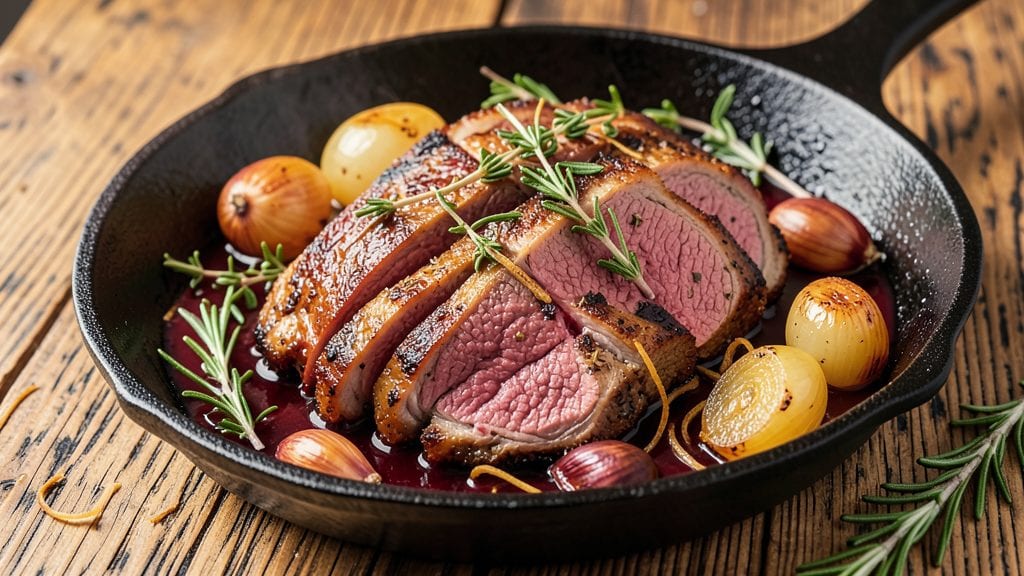
This beef brisket red wine recipe transforms tough cuts into melt-in-your-mouth perfection through slow simmering and rich red wine infusion. The day I realized French technique could elevate my rubs changed everything—now I use that same precision for brisket, where deep flavors develop over hours.
A perfect balance of bold red wine, aromatic herbs, and caramelized edges creates a dish that feels like a restaurant masterpiece at home.
The secret lies in the slow braising process, where the brisket becomes fork-tender while absorbing the deep, complex flavors of red wine and aromatic vegetables. With just a few simple ingredients—beef brisket, red wine, onions, garlic, and herbs—you'll create a dish that's rich, velvety, and packed with umami.
This method delivers restaurant-quality results without requiring specialized equipment, making it accessible to home cooks.
By the time you slice into that beautifully browned brisket, you'll uncover layers of flavor: tender meat with a caramelized crust, infused with the deep notes of red wine and aromatic herbs. The sauce reduces to a glossy, velvety consistency that coats every bite, making each slice unforgettable.
Serve with roasted potatoes or crusty bread to soak up every last drop of that rich sauce.
Perfect for special occasions or cozy family dinners, this brisket recipe is designed to impress without the fuss. The slow-cooking process means you can prepare it ahead and let the flavors deepen even more over time. Here's how to create a brisket that will have everyone asking for seconds—and thirds.
Ingredients for beef brisket red wine
Bold flavors and simple ingredients create restaurant-quality brisket at home.
| Ingredient | Amount | Notes |
|---|---|---|
| Beef Brisket 🥩 | 4 lb | Flat cut preferred, trimmed of fat |
| Dry Red Wine 🍷 | 2 cups | Bold variety like Cabernet Sauvignon |
| Yellow Onions 🧅 | 2 whole | Cut into large chunks |
| Garlic Cloves 🧄 | 6 cloves | Smashed for deeper flavor |
| Fresh Thyme 🌿 | ½ cup | Stems removed, loosely packed |
| Fresh Rosemary 🌿 | ¼ cup | Chopped sprigs, not dried |
| Beef Broth 💧 | 2 cups | Low-sodium preferred |
| Tomato Paste 🍅 | ½ cup | No sugar added |
| Olive Oil 🫒 | ¼ cup | Extra-virgin for richness |
| Salt 🧂 | 2 tbsp | Kosher or sea salt |
| Black Peppercorns 🌶️ | 1 tbsp | Freshly cracked |
| Bay Leaves 🍃 | 2 whole | For deep aroma |
| Carrots 🥕 | 2 whole | Cut into large chunks |
| Fresh Parsley 🌿 | ¼ cup | Chopped for garnish |
The brisket is the star here. Look for a 4-pound flat cut—it's leaner and more tender than the point cut. Trim any thick fat layers, but leave a thin layer for flavor. Costco or Whole Foods usually carry the best cuts, but don't overlook your local butcher—they often have fresher selections. The wine? Any bold, dry red works—Cabernet Sauvignon, Merlot, or even a cheap Two Buck Chuck if you're on a budget. Just avoid sweet wines like Zinfandel. For the herbs, fresh is non-negotiable—dried just won't give you that same depth of flavor. I usually grab extra thyme and rosemary because half goes into the pot and half gets sprinkled on top at the end (trust me on that).
No red wine? Beef broth with a splash of balsamic vinegar works in a pinch, but you'll lose some complexity. Fresh herbs missing? Dried thyme and rosemary at half the amount will get you close, but it won't be the same. The tomato paste can be skipped if you're avoiding it, but it adds that deep, umami richness that balances the acidity of the wine. For the onions and carrots, don't peel them—the skins add color and texture. Baby carrots or pre-cut onion chunks from the store are totally fine if you're short on time. The bay leaves can be any size, but remove them before serving—no one wants to bite into one.
This brisket tastes even better the next day, so make it ahead if you can. Store leftovers in the fridge for up to 5 days or freeze for 3 months. I like to portion it into individual containers so I can grab a slice for lunch without thawing the whole thing. The sauce thickens as it cools, so if it seems too thin when reheating, just simmer it uncovered for a few minutes. And save that leftover wine—it's perfect for deglazing the pot after cooking.
Why You'll Love This Recipe
- One-Pan Magic: I swear by this recipe because it’s the kind of meal where you chop, dump, and walk away. The onions caramelize right in the same pot as the brisket—no extra pans, no extra stress. Honestly, I’ve made it on nights when I’d rather be scrolling than cooking.
- Wine-Infused Richness: That red wine isn’t just for show—it tenderizes the brisket while adding a deep, velvety depth. The thyme and garlic? They turn it from good to oh-my-god-why-didn’t-I-make-this-sooner. Crispy edges, fall-apart meat, and a sauce that clings like a hug.
- Leftovers That Shine: Between us, the first night is always the best, but the second? Even better. I portion it into sandwiches with crusty bread or toss it into grain bowls—it’s that versatile. My kids beg for it, and my partner saves it for lunch. (Yes, even on a Tuesday night.)
- Budget-Friendly Feast: Brisket stretches farther than you’d think, and a bottle of red wine makes it feel fancy without breaking the bank. I’ve fed six people for under $30 with this—plus, the leftovers turn into next-day lunches. Solid move for when you want to impress but keep your wallet happy.
Step-by-step instructions for slow-simmered beef brisket
Here's how to transform tough brisket into melt-in-your-mouth perfection using wine's rich umami.
Sear the Brisket for Deep Flavor
Heat a heavy Dutch oven over medium-high heat and add the 0.25 cup olive oil. Once shimmering, carefully place the 4 lb beef brisket fat-side down in the pan. Press down gently with a spatula for 2 minutes to create maximum contact—this builds that irresistible crust. Flip and sear the other side for another 2 minutes. The fat should sizzle and turn golden brown.
Remove the brisket and set it aside on a plate. You'll notice the pan now has beautiful browned bits—this is your flavor foundation. Don't wipe them clean; we'll use them later. The searing step concentrates flavors and creates that beautiful bark we're after. If your brisket is particularly fatty, you might need to work in batches to avoid overcrowding the pan.
Build the Aromatic Wine Base
In the same Dutch oven, add the 2 whole yellow onions cut into large chunks and 2 whole carrots cut into large chunks. Cook for 5 minutes until they begin to soften and caramelize slightly. Add the 6 cloves garlic cloves (smashed) and cook for another 30 seconds until fragrant—this prevents them from burning.
Pour in the 2 cups dry red wine and scrape up all those browned bits from the bottom of the pan with a wooden spoon. This deglazing step captures all the meaty flavors you worked so hard to create. Let the wine simmer for 3-4 minutes until it reduces by about half and becomes slightly syrupy. You'll smell that incredible wine aroma developing—this is where the magic happens.
Layer Herbs and Tomato for Complexity
Add the 0.5 cup tomato paste, stirring to combine completely. This creates a thick base that will help thicken our sauce later. Sprinkle in the 2 tbsp salt, 1 tbsp black peppercorns, 0.5 cup fresh thyme (stems removed), and 0.25 cup fresh rosemary (chopped). Stir everything together and let it cook for 2 minutes until the herbs release their aromatic oils.
Here's the thing—this herb mixture might seem like a lot, but trust me, it balances beautifully with the wine's intensity. The thyme and rosemary add earthy depth while the tomato paste provides a subtle sweetness that rounds out the acidity of the wine. Don't skip this step; these herbs are what make this brisket special.
Slow Simmer with Beef Broth
Return the brisket to the Dutch oven, fat-side up. Add the 2 cups beef broth and 2 whole bay leaves, then bring everything to a gentle simmer. The liquid should just barely bubble at the edges—this is crucial for tenderizing the meat without drying it out. Cover the pot and transfer it to a 325°F oven (preheated).
Simmer for 3 hours, checking occasionally. You'll want to add ½ cup water every hour to maintain the liquid level—this prevents the brisket from drying out. The brisket is done when it reaches 205°F internally and is fork-tender. Real talk: your oven might run hot, so start checking at the 2½ hour mark. The meat should pull apart easily when you test it with tongs.
Rest and Garnish for Showstopping Presentation
Remove the brisket from the oven and transfer it to a cutting board. Tent loosely with foil and let it rest for 30 minutes—this allows the juices to redistribute throughout the meat. While it rests, skim any excess fat from the sauce in the Dutch oven. You can thicken the sauce further by simmering it uncovered on the stovetop for 5-10 minutes if you prefer a richer consistency.
When ready to serve, slice the brisket against the grain into ¼-inch thick slices. Garnish each serving with 0.25 cup fresh parsley (chopped) and spoon the wine reduction over the top. The contrast of the bright parsley against the rich red wine sauce makes this dish visually stunning. Serve immediately with crusty bread to soak up every last drop of that delicious sauce.
Pro Tips For Making Beef Brisket Red Wine
- Sear the Brisket First: I learned this the hard way—skipping the sear means flavor gets lost in the wine sauce. Hit that brisket hard in a screaming-hot pan for 3-4 minutes per side until it’s deep brown. The crust locks in juices and turns your wine into a rich, caramelized base instead of just a thin glaze.
- Deglaze with Wine Immediately: As soon as you pull the brisket out, pour in that red wine right into the same pan—no scraping, no rushing. Let it bubble for 2 minutes to scrape up those browned bits (they’re pure flavor). This isn’t just sauce; it’s the foundation of your dish.
- Don’t Overcrowd the Onions: Thinly sliced onions? Great. Piled too high? Disaster. They’ll steam instead of caramelize, turning your dish mushy. Work in batches—sauté half, set aside, then cook the rest. You want golden, jammy onions, not sad, waterlogged ones.
- Use a Splatter Screen: Red wine + garlic + high heat = a messy, sticky disaster. Trust me, I’ve wiped down cabinets at 11 PM after this happened. A cheap splatter screen keeps your stovetop clean while letting the wine reduce properly. Your future self will thank you.
Regional styles of these flavors
French Classic Approach
In France, brisket becomes a centerpiece for Sunday dinners, often braised with red wine and aromatic vegetables. The key difference? French cooks use a longer, wetter braise—think 4-5 hours at 300°F—to achieve fall-off-the-bone tenderness.
I remember my first time making this at a bistro in Lyon: the chef insisted on dry white wine (like Chardonnay) instead of red, but I’ve since adapted it with bold Cabernet for deeper richness. Serve with crusty baguette and haricots verts for an authentic touch. 🍷
Italian Wine-Braised Style
Southern Italy transforms brisket into stracotto al vino rosso, where the wine reduction becomes the star. Italians use Chianti or Sangiovese, simmering the brisket until the sauce clings like syrup. The trick? Add tomato paste and a splash of balsamic vinegar early to balance the wine’s acidity.
I’ve made this version with San Marzano tomatoes and fresh basil—it’s lighter than French methods but equally flavorful. Pair with creamy polenta or roasted potatoes.
American BBQ Twist
Texas pitmasters take brisket to new heights by smoking it first, then finishing with red wine. Start with hickory smoke at 225°F for 4 hours, then transfer to a Dutch oven with 1 cup red wine, ½ cup beef broth, and 2 tbsp brown sugar.
The wine adds complexity to the smoky crust. I’ve seen this done with Zinfandel for a sweeter profile—great for those who love fruit-forward flavors. Serve with white bread and pickled onions for a true Texas-style meal. 🔥
Spanish Cocido Fusion
Spain’s cocido tradition often includes brisket, but with a garlic-heavy twist. Use Rioja red wine and smoked paprika for depth, then simmer with chickpeas and morcilla (blood sausage). The wine’s tannins cut through the richness of the sausage.
I’ve adapted this by adding roasted red peppers and saffron for extra color. Serve with crispy tortilla and olives for a tapas-style spread. The wine’s acidity brightens the dish beautifully.
British Sunday Roast
In the UK, brisket often stars as the Sunday roast centerpiece, braised with Port wine (a bold red) and horseradish cream. The British method focuses on slow roasting at 275°F until tender, then glazing with a wine reduction.
I’ve used Merlot for a lighter touch—it works well with Yorkshire puddings and horseradish sauce. The wine’s depth complements the roast’s richness without overpowering it.
Nutrition facts
Frequently asked questions
Can I substitute red wine with another liquid?
Yes! For a similar depth of flavor, use 2 cups beef broth with 1 tablespoon balsamic vinegar or 2 cups tomato juice with ½ cup red wine vinegar. Avoid sweet wines like Zinfandel—they’ll make the dish taste cloying. For a non-alcoholic version, try 2 cups cranberry juice with 1 tablespoon red wine reduction (from a bottle).
How do I know when the brisket is done?
Use a meat thermometer to check the internal temperature—it should reach 205°F at its thickest part. The brisket should also feel fork-tender and pull apart easily when sliced against the grain. If it’s still tough at 205°F, let it rest another 30 minutes or try cooking it 15 minutes longer. Pro tip: The sauce should reduce to a glossy consistency by the end.
Can I make this in a slow cooker?
Sear the brisket first, then transfer it to a slow cooker with all ingredients (except herbs). Cook on Low for 8 hours or High for 5-6 hours. Add ½ cup water every 2 hours to prevent drying. The texture will be slightly more tender than oven-braised, but the wine flavors will still shine. Just skip the final sauce reduction—it won’t thicken as much in the slow cooker.
What’s the best way to reheat leftovers?
Slice the brisket and reheat portions in a skillet with 1 tablespoon red wine and 1 tablespoon beef broth over medium-low heat for 3-4 minutes. For the sauce, warm it in a saucepan on medium heat until bubbly, then reduce heat to low and simmer for 5 minutes to thicken. Never microwave—it makes the meat dry and the sauce watery. Leftovers keep for 5 days in the fridge.
Why does my brisket turn out dry?
Overcooking or skipping the rest time are the most common culprits. Always pull the brisket at 205°F and let it rest 30 minutes before slicing. If the oven runs hot, lower the temp to 300°F and add ½ cup water every hour. For extra moisture, add ½ cup red wine reduction during the last 30 minutes of cooking. A meat thermometer is your best friend—don’t guess!