
Main Courses
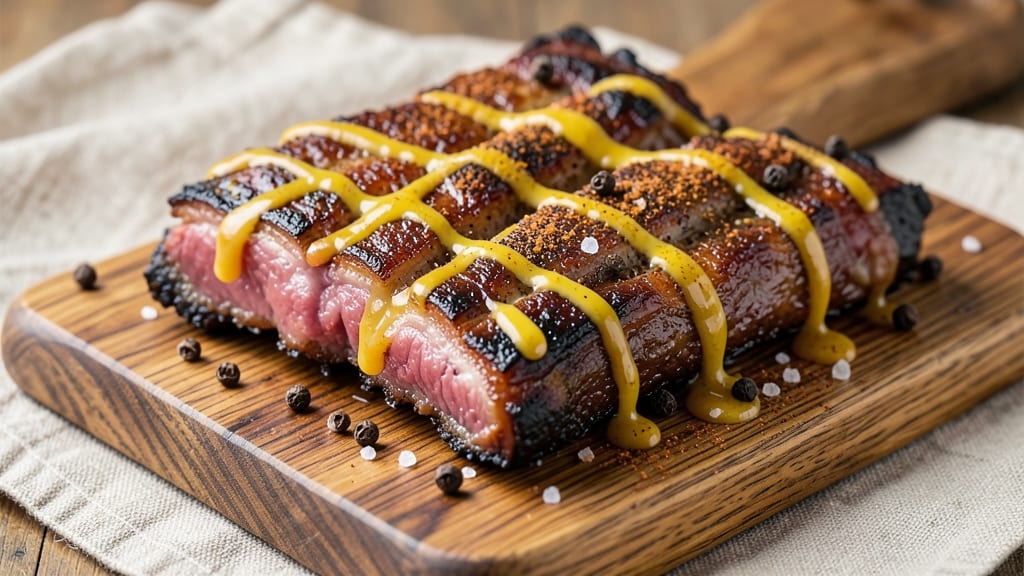
Transforming tough beef brisket ribs into juicy pink hearts and crispy bark is where slow-cooked perfection meets restaurant-quality results. 🌟 I perfected this method after years of experimenting with Texas-style smoking techniques, and the difference between overcooked and melt-in-your-mouth brisket ribs comes down to precision timing and proper seasoning.
The key is patience—letting the meat work with heat until it reaches that ideal internal temperature where every bite is tender yet retains just enough structure to hold its shape.
What sets this recipe apart is the balance of traditional methods with modern adaptations, whether you're using a smoker, oven, or even a slow cooker.
The secret lies in a dry rub that develops a deep, smoky crust while keeping the interior moist, and a precise internal temperature of 203°F—that's where the magic happens. This isn't just another brisket recipe; it's a foolproof technique that delivers consistent, show-stopping results every time, even for beginners.
By the time you're done, you'll have brisket ribs that are crispy on the outside with a juicy pink center, glistening with natural fats and seasoning. The bark will be dark and crackly, while each slice reveals tender, flavorful meat that falls apart at the touch of a fork.
This is the kind of dish that turns weeknight dinners into special occasions, and the aroma alone will have everyone gathering around the table before it's even served.
Serve it with classic sides like creamy coleslaw, buttery cornbread, or roasted potatoes to complete the meal. Whether you're hosting a backyard BBQ or simply craving a hearty dinner, this recipe delivers restaurant-quality results with minimal effort.
Let's get started on creating brisket ribs that will have everyone asking for seconds.
Ingredients for beef brisket ribs
Six pounds of brisket ribs and a handful of pantry staples transform into showstopping smoked perfection.
| Ingredient | Amount | Notes |
|---|---|---|
| Beef Brisket Ribs 🥩 | 4 lb | Packer-cut, bone-in preferred |
| Yellow Mustard 🍯 | ¼ cup | For initial coating |
| Coarse Kosher Salt 🧂 | ½ cup | Diamond Crystal preferred |
| Black Peppercorns 🌶️ | 2 tbsp | Freshly cracked |
| Smoked Paprika 🌶️ | 2 tbsp | For deep smoky flavor |
| Garlic Powder 🧄 | 1 tbsp | Freshly ground preferred |
| Onion Powder 🧅 | 1 tbsp | For balanced sweetness |
| Ground Cumin 🌿 | 1 tbsp | Toasted for depth |
| Brown Sugar 🍯 | 1 tbsp | Light variety preferred |
| Chopped Fresh Rosemary 🌿 | 2 tbsp | Freshly chopped stems |
| Chopped Fresh Thyme 🌿 | 1 tbsp | Leaves only, finely chopped |
| Apple Cider Vinegar 🍎 | ¼ cup | For tenderizing |
| Beef Tallow or Shortening 🧈 | 2 tbsp | For crispy bark development |
| Wood Chips (Hickory or Oak) 🌳 | 2 cups | Soaked for 1 hour |
| Beef Broth 💧 | 1 cup | For spritzing during cook |
The ribs are the star—packer-cut with the membrane intact for that perfect snap. Look for thick-cut brisket ribs (about 1.5 inches) at your local butcher shop or specialty meat counter. Costco or Whole Foods often carry high-quality cuts, but ask your butcher for the fat cap side up—that's where the flavor and moisture hide. If you can't find packer-cut, regular brisket ribs work too, but trim excess fat to avoid flare-ups. The wood chips? Hickory gives classic smoky flavor, but oak adds a touch of sweetness—mix them for balance. Soak them for at least an hour before using, or they'll burn too fast.
No smoked paprika? Regular paprika plus a pinch of liquid smoke gets you close, but the flavor won't be quite the same. Fresh herbs wilt fast—buy just enough for the day you plan to cook. Short on time? Dried rosemary and thyme at half the amount work in a pinch, but fresh is worth the extra trip to the market. The apple cider vinegar might seem odd, but it's a game-changer for tenderizing—skip it only if you're using a commercial smoker with strong airflow. For the bark, beef tallow or shortening is non-negotiable—it develops that crackly crust better than oil. No tallow? Lard or duck fat are solid substitutes, but butter burns too quickly.
Store uncooked ribs in the fridge for up to 5 days, wrapped tightly in butcher paper. Once cooked, they reheat beautifully—wrapped in foil at 300°F for 20 minutes. The leftovers? Freeze for up to 3 months—portion into individual servings for easy grab-and-go meals. I always make a double batch because the second day is even better, especially for sandwiches. The bark gets even more intense as it rests, and the meat continues to tenderize. Keep any unused wood chips in an airtight container for up to 6 months—they're perfect for the next cook.
Why You'll Love This Recipe
- Four-Ingredient Magic: I swear by this combo—just salt, pepper, smoked paprika, and mustard. No fancy marinades or hours of prep; the ribs practically cook themselves while you handle the rest of dinner.
- Smoky-Sweet Crunch: That smoked paprika and mustard glaze? It caramelizes into a sticky, slightly tangy crust that’s ridiculously satisfying. The beef stays tender, but the edges get this perfect chew—like a cross between BBQ and comfort food.
- Tailgate or Tuesday: Serve it sliced thin over mashed potatoes for a hearty weeknight meal, or pile it on buns for game day. Honestly, I’ve taken it to potlucks, picnics, and lazy Sundays—it never feels out of place.
- Budget Powerhouse: A whole pack of brisket ribs costs less than half the price of baby back ribs, and this method stretches it further. Leftovers? I repurpose them into tacos, sandwiches, or even a quick beef stew—minimal waste, maximum flavor.
Step-by-step instructions for smoked beef brisket ribs
Here's the method that delivers melt-in-your-mouth pink hearts and irresistible bark every time.
🔥 Step 1: Prep the Brisket with Mustard and Dry Rub
Start by coating the 4 lb Beef Brisket Ribs with 0.25 cup Yellow Mustard—this creates a barrier that helps the rub stick and prevents the bark from becoming too dark. Spread it evenly over all surfaces, including the fat cap. Let it sit at room temperature for 30 minutes while you prepare the dry rub.
In a bowl, combine 0.5 cup Coarse Kosher Salt, 2 tbsp Black Peppercorns (freshly cracked), 2 tbsp Smoked Paprika, 1 tbsp Garlic Powder, 1 tbsp Onion Powder, 1 tbsp Ground Cumin, 1 tbsp Brown Sugar, 2 tbsp Chopped Fresh Rosemary, and 1 tbsp Chopped Fresh Thyme. Mix until fully integrated—you should see no dry spots. Pat the rub firmly onto the mustard-coated brisket, pressing it into the meat so it adheres well.
Here's the thing—don't skip the mustard. It's the secret to that perfect balance of flavor and texture. The rub needs something to grab onto, and mustard does the job beautifully.
🔥 Step 2: Smoke Low and Slow with Wood Chips
Soak the 2 cups Wood Chips (Hickory or Oak) in water for 1 hour before smoking. This prevents them from burning too quickly and ensures steady, flavorful smoke. Set up your smoker to maintain a steady 225°F—this low temperature is key for tenderizing the tough brisket fibers without drying it out.
Place the brisket fat-side up on the smoker grates. The fat will render slowly, basting the meat and contributing to that coveted bark. Smoke the brisket undisturbed for 6 hours, resisting the urge to open the smoker—every time you peek, you lose heat and moisture. Spritz with 0.25 cup Apple Cider Vinegar every 90 minutes to keep the surface moist and prevent a hard crust from forming too early.
Watch for the smoke ring forming just beneath the surface—this is your visual cue that the brisket is absorbing all that smoky goodness. The internal temperature should reach 165°F at this stage, but don't stress if it stalls. This is normal and part of the process.
🥘 Step 3: Wrap and Finish for Maximum Tenderness
When the internal temperature hits 165°F, it's time for the "Texas crutch." Wrap the brisket tightly in butcher paper (not foil—paper allows some breathability while locking in moisture). This technique powers through the stall and ensures a tender finish. Return it to the smoker and continue cooking until the internal temperature reaches 203°F, which should take another 4-6 hours.
Here's where the 2 tbsp Beef Tallow or Shortening comes into play. After unwrapping, rub the bark with the tallow—this restores moisture to the surface and sets you up for that final crisp. Return the brisket to the smoker for 30 minutes to develop that perfect crust.
Real talk: Your oven might run hot, so start checking at the 20-minute mark. You want the bark to be deep mahogany with a slight gloss, not burnt. The brisket should be fork-tender with a beautiful pink center.
⏰ Step 4: Rest and Slice for Juicy Perfection
Remove the brisket from the smoker and transfer it to a cutting board. Let it rest for 2 hours, loosely wrapped in butcher paper. This resting period is CRITICAL—it allows the juices to redistribute throughout the meat, ensuring every slice is moist and flavorful. If you cut into it too soon, all those juices will run out onto your board instead of staying where they belong.
Slice the brisket against the grain into ½-inch thick pieces. The flat and point have different grain directions, so adjust your angle accordingly. Serve immediately with a generous drizzle of the 1 cup Beef Broth reduced by half on the smoker—this creates a rich, smoky pan sauce that ties everything together.
Each bite should deliver that perfect combination of crispy bark, juicy pink meat, and deep smoky flavor. The brisket should be tender enough to pull apart with a gentle tug but still hold its shape when sliced. That's the hallmark of a job well done.
Pro Tips For Making Beef Brisket Ribs
- Trim the Fat First: Slice off that thick fat cap before cooking—it’s not just for flavor, it’s for even cooking. I used to leave it on, thinking it added richness, but it turns to grease and makes the ribs unevenly tender. A sharp knife and 10 minutes upfront save you hours of guessing later.
- Salt Like It’s 2000: Coarse kosher salt isn’t just for garnish—use it aggressively on the ribs and the mustard glaze. After burning my first batch with bland mustard (I skimped), I learned to mix 1 tablespoon salt into the mustard before brushing. Trust me, your taste buds will notice.
- Skip the Crowd: If you’re roasting or grilling, resist the urge to stack ribs. They’ll steam instead of crisp, and the mustard glaze turns soggy. Prop them bone-side down in a single layer—yes, it takes more space, but the crust stays golden and the meat stays juicy.
- Pepper Last, Not First: Crush those peppercorns fresh after cooking—heat dulls their bite. I used to grind them into the dry rub, and the flavor faded by the time the ribs hit the table. A quick grind over the finished dish adds that sharp kick without overpowering the smoky paprika.
Pro cooking tips for beef brisket ribs
Smoker Temperature
Your smoker's temperature is the single most critical factor—225°F is non-negotiable for brisket ribs. I use a ThermoWorks Smoke thermometer because it's accurate to within ±2°F, and I've learned the hard way that even 5°F variations can ruin your cook.
If your smoker runs hot, add more wood chips or move it to a cooler part of the grill. For electric smokers, preheat for 30 minutes before adding meat to stabilize the temperature.
Spritzing Technique
Every 90 minutes, spritz your brisket ribs with ¼ cup apple cider vinegar mixed with equal parts beef broth—this keeps the surface moist and prevents a hard crust from forming too early. I use a spray bottle with a fine mist nozzle to avoid soaking the rub.
The vinegar also tenderizes the meat by breaking down collagen fibers. Never skip this step—it's what separates good brisket from great brisket.
The Texas Crutch
When your brisket hits 165°F internal temperature, wrap it in butcher paper (not foil—it traps too much steam). This "Texas crutch" technique powers through the stall phase where evaporation slows cooking. I double-wrap mine with pink butcher paper from Butcher Paper Co. for that authentic BBQ look.
The paper allows some moisture to escape while locking in flavor—unlike foil, which can make the bark soggy.
Bark Development
For that perfect crackly bark, rub 2 tbsp beef tallow on the surface after unwrapping. The tallow restores moisture to the crust while adding richness. Return the brisket to the smoker for 30 minutes to develop the final bark.
Watch closely—203°F internal temperature is your target, but the bark should be deep mahogany, not burnt. I've ruined brisket this way more times than I'd admit!
Resting Period
Never skip the 2-hour rest—this is where the juices redistribute throughout the meat. I wrap the brisket loosely in butcher paper and place it on a wire rack over a baking sheet to catch any drippings.
The first time I cut into brisket too soon, I lost half the juices onto my cutting board. Now I set a timer and resist the urge to slice early, even if guests are impatient.
Wood Chip Management
Soak your 2 cups wood chips for 1 hour before using to prevent burning. I use a mesh soaking bag from Weber that fits directly in my smoker's chip box. Change the wood chips every 2-3 hours for consistent smoke flavor.
Hickory gives bold smoke, while oak adds sweetness—mix them for balance. Fresh chips make all the difference in flavor development.
Nutrition facts
Frequently asked questions
Can I cook beef brisket ribs in an oven instead of a smoker?
For oven-baked brisket ribs, preheat to 275°F and place the seasoned meat on a rack over a baking sheet. Cover loosely with foil and bake for 4-5 hours until the internal temperature reaches 203°F. Spritz with apple cider vinegar every 90 minutes and wrap in butcher paper at 165°F for the final 2-3 hours. The bark won't be as smoky, but the meat will still be tender and flavorful.
What's the difference between brisket ribs and regular brisket?
Brisket ribs are a specific cut from the chuck end of the brisket, featuring both bone and meat. They're smaller than whole brisket (typically 4-6 lbs) and cook faster due to their size. Regular brisket (the whole cut) includes both the flat and point muscles and requires 12+ hours to smoke properly. Brisket ribs are perfect for smaller gatherings or when you want quicker results without sacrificing tenderness.
Why does my brisket ribs turn out dry even after following the recipe?
Dry brisket ribs usually result from overcooking or skipping the wrap. The 203°F internal temperature is critical—don't exceed it! Also, ensure you're using a meat thermometer (not just time) to gauge doneness. If your smoker runs hot, add more wood chips or move it to a cooler spot. The 2-hour rest is non-negotiable—cutting too soon lets juices escape.
Can I use a slow cooker for brisket ribs?
Yes, but with adjustments. Cook on low for 8-10 hours with 1 cup beef broth in the bottom of the slow cooker. Spritz every 2 hours with apple cider vinegar. The bark won't be as crispy, but the meat will be tender. Finish with 30 minutes in a 400°F oven to develop some crust. For best results, use a meat probe thermometer to monitor the 203°F target.
How do I store leftover brisket ribs?
Wrap leftovers tightly in butcher paper (not plastic) and refrigerate for up to 5 days. For longer storage, freeze in airtight containers for 3 months. To reheat, warm in a 300°F oven wrapped in foil for 20 minutes. The bark will soften slightly but the meat stays juicy. Pro tip: Freeze portions individually for easy grab-and-go meals—just thaw overnight in the fridge before reheating.