
Sauces & Condiments
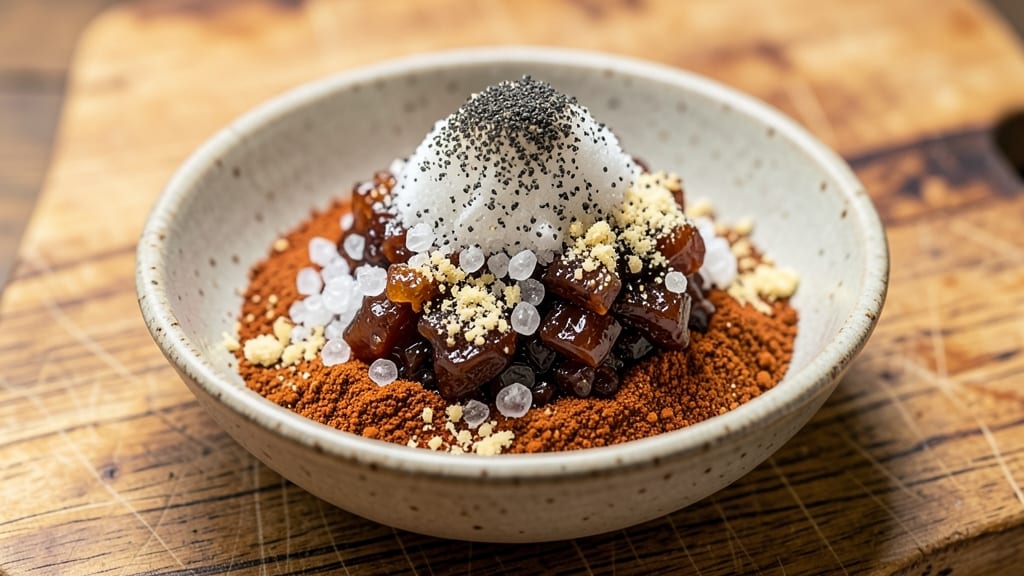
This beef brisket seasoning recipe transforms tough cuts into melt-in-your-mouth perfection with every bite. The carefully balanced blend of smoky paprika, deep brown sugar, and earthy spices creates a crust that locks in flavor while caramelizing beautifully.
I developed this mix after years of perfecting competition-style brisket, and it’s the secret weapon behind my restaurant-quality results at home.
The foundation of this seasoning is a simple 5-ingredient dry rub that works for both smoker and oven methods. Coarse salt enhances texture while keeping the meat juicy, and black pepper adds a subtle kick that balances the sweetness.
What sets this blend apart is the smoked paprika, which delivers that coveted bark without overpowering the natural beef flavor.
What you’ll end up with is a deeply aromatic spice mix that’s ready to use immediately or stored for months. Sprinkle generously on brisket before cooking for maximum flavor penetration, or mix with a bit of oil to create a paste for even coverage.
This blend works equally well for beef chuck roasts, pork shoulders, or even grilled steaks.
For those who love customization, I’ve included variations in the tips section—spicy, sweet, and herb-forward profiles that let you adjust to your taste. The key is measuring precisely, as these spices work together in perfect harmony. Let’s get started on creating your signature seasoning blend!
Ingredients for beef brisket seasoning
Five simple spices transform brisket into competition-worthy perfection.
| Ingredient | Amount | Notes |
|---|---|---|
| Smoked Paprika 🌶️ | 3 tbsp | High-quality smoked for authentic bark |
| Coarse Kosher Salt 🧂 | 2 tbsp | Diamond Crystal preferred for texture |
| Dark Brown Sugar 🍯 | 2 tbsp | Turbinado for better caramelization |
| Ground Black Pepper 🌶️ | 1 ½ tbsp | Freshly cracked for maximum heat |
| Granulated Garlic Powder 🧄 | 1 tbsp | Not garlic salt, for pure flavor |
The smoked paprika is your flavor anchor. Penzeys or McCormick smoked varieties deliver that authentic competition-style bark. If you can't find smoked, regular paprika plus a pinch of liquid smoke works in a pinch—just don't tell anyone. The brown sugar? Turbinado or Demerara gives better texture than white, and it caramelizes beautifully during cooking. I always buy mine in bulk from Whole Foods or the bulk section at Kroger—it's cheaper and fresher. The coarse salt is non-negotiable—Diamond Crystal dissolves slower, creating that perfect crust. If you're using table salt, reduce to 1.5 tbsp and add a pinch of baking soda to mimic the texture.
No smoked paprika? Regular paprika plus 1/4 tsp liquid smoke gets you close, though the flavor won't be identical. Want more heat? Swap half the brown sugar for coarse mustard powder. The garlic powder can be replaced with 1/2 tsp onion powder plus 1/2 tsp garlic powder for complexity. For a herb-forward twist, add 1 tsp dried thyme or rosemary to the mix. Storage tip: If you're making a paste with oil, use avocado oil—it has a higher smoke point and won't burn during searing. I've even seen people use maltodextrin to make a powdered version that sticks better to meat—worth experimenting with if you're into precision cooking.
This blend keeps indefinitely in an airtight container. I store mine in a glass jar with a tight seal in my pantry, and it stays potent for 12+ months. For maximum freshness, divide into smaller containers—ice cube trays work great for single-use portions. The paste version (mixed with oil) lasts about 3 months in the fridge. Pro tip: If you're using this for a competition, make a double batch. The extra lets you adjust seasoning levels without worrying about running out mid-cook.
Why You'll Love This Recipe
- Five-Ingredient Magic: I swear, this is the kind of seasoning where you measure once, mix once, and forget about it—no fancy techniques, no balancing act. That smoked paprika alone gives it that deep, smoky backbone that takes brisket from "meh" to "holy smokes."
- Sweet-Smoky Crust: The brown sugar caramelizes into a sticky, slightly crispy crust that clings to every bite, while the garlic powder sneaks in that savory punch. It’s the kind of flavor that makes you close your eyes and sigh—no overpowering spices, just pure, satisfying depth.
- Leftovers That Last: Seriously, this mix transforms a simple brisket into something you’ll crave for days. I’ve reheated mine in foil packets with a splash of broth, and it’s still rich and tender—no sad, dry meat here. (Yes, even the next day.)
- Budget Booster: Honestly, this is my secret for making brisket feel special without breaking the bank. A little goes a long way, and the ingredients? Most are already in my pantry. That dark brown sugar alone makes it taste like a restaurant dish, not a weeknight hack.
Step-by-step instructions for creating a perfect brisket rub
Here's how to blend these five ingredients into a powerful, flavor-packed rub.
Measure All Ingredients Precisely
Start by gathering all five components in their exact quantities: the 3 tablespoons of smoked paprika, 2 tablespoons of coarse kosher salt, 2 tablespoons of dark brown sugar, 1.5 tablespoons of ground black pepper, and 1 tablespoon of granulated garlic powder. I always use a digital scale for accuracy, especially with spices—this ensures consistency every time.
The smoked paprika should be high-quality, preferably Spanish or Hungarian, as these deliver that authentic smoky depth. The coarse kosher salt is crucial for texture—Diamond Crystal creates that perfect crust, while table salt would dissolve too quickly. Measure the dark brown sugar carefully; Turbinado adds better caramelization than regular brown sugar.
Combine Dry Ingredients in a Mixing Bowl
Place all ingredients into a medium-sized mixing bowl. I prefer a glass or stainless steel bowl—they don't absorb flavors like plastic. Use a whisk to break up any clumps in the smoked paprika and dark brown sugar first. This prevents uneven distribution later.
Add the granulated garlic powder last, then give everything a gentle stir with a fork. The goal here is to distribute the garlic powder evenly without creating a paste. You want a dry, crumbly texture that will cling perfectly to the brisket's surface. If you notice any large particles of sugar or salt, press them lightly with the back of a spoon to break them down.
Whisk Until Uniform and Aromatic
Switch to a whisk and vigorously combine all ingredients for about 1 minute. You'll immediately notice the aroma intensify—the smoky paprika and garlic powder will fill your kitchen with that irresistible brisket scent. This is where the magic happens: the whisk creates tiny air pockets that help the rub adhere better to the meat.
After whisking, test the consistency by sprinkling a small amount onto your palm. It should spread easily but still hold its shape when pressed. If it feels too dry, add 1 teaspoon of water and mix again. If it's too moist, let it sit uncovered for 10 minutes to dry out slightly. The perfect rub should be coarse enough to create texture but fine enough to penetrate the meat's surface.
Store Properly for Maximum Freshness
Transfer the finished rub to an airtight container with a tight-sealing lid. I use a small glass jar with a silicone lid—it keeps moisture out while allowing me to see the contents. Label it clearly with the date and contents, then store it in a cool, dark place like your pantry.
This blend will keep for up to 3 months if stored properly. For best flavor, I recommend using it within 2 months. The smoked paprika and garlic powder will lose some potency over time, but the salt and sugar remain stable indefinitely. If you notice the aroma has diminished, simply whisk in 1 extra teaspoon of smoked paprika to revive it.
Pro Tips For Making Beef Brisket Seasoning
- Toast the Spices: Heat your smoked paprika and garlic powder in a dry skillet for 30 seconds—just until fragrant. I learned this the hard way after making brisket that tasted flat; toasting deepens the flavor and cuts through any bitterness in the paprika.
- Salt in Layers: Don’t dump all the kosher salt at once. Sprinkle half before searing and save the rest for after resting—this keeps the crust crisp while letting the seasoning penetrate deeper. Yes, even if you’re impatient like me.
- Skip the Clumpy Sugar: Lightly pulse the dark brown sugar in a food processor or crush it with a rolling pin until it’s fine but not powdery. This ensures even distribution and prevents sticky patches on the brisket. (Your future self will thank you.)
- Pepper Last: Hold off on the black pepper until the very end. Adding it early can make the seasoning taste harsh, especially if you’re using coarse salt. A pinch right before cooking makes all the difference—trust the process.
Troubleshooting perfect results
Uneven Rub Distribution
If your brisket has patchy seasoning after applying the rub, the issue is usually uneven application or too much moisture in the meat. Pat the brisket extremely dry with paper towels before applying—no wet spots—then press the rub firmly into every crevice, especially the fat cap.
For tough-to-reach areas, use your fingers to work the spices into the meat. If the rub clumps, sift it through a fine-mesh sieve before applying. 🌡️
Bark Not Forming
A lack of crusty bark usually means one of three things: low heat, too much moisture, or improper sugar type. First, ensure your smoker or oven is at consistent 225-250°F—fluctuations prevent caramelization.
Use Turbinado sugar (not white) and apply the rub at least 2 hours before cooking to let it dry. If cooking in a smoker, avoid spritzing—the moisture will steam the meat instead of letting the sugar caramelize.
For oven cooking, place brisket on a wire rack over a tray to allow airflow.
Overpowering Spices
If the seasoning tastes too strong, you likely applied too much rub or used low-quality spices. Start with 1 tablespoon per pound of meat—no more. For example, a 12-pound brisket needs about 3 tablespoons total (not 6+).
If using store-brand spices, upgrade to Penzeys or McCormick for better flavor balance. The smoked paprika is the most potent ingredient—reduce it by ½ teaspoon if needed. Always taste the rub before applying to adjust proportions.
Rub Sticking to Hands
A pasty rub means excess moisture from either the spices or the meat. Let your brisket sit uncovered in the fridge for 30-60 minutes before applying the rub to evaporate surface moisture. If the mix itself is sticky, add 1 teaspoon of cornstarch to absorb moisture.
For a dry rub, store it in an airtight container with a silica gel packet to prevent humidity. If you prefer a paste, mix the rub with avocado oil (1:1 ratio) for better adhesion without stickiness. 💡
Uneven Cooking
If one side of your brisket cooks faster than the other, the rub may have disrupted heat distribution. Apply the rub evenly in one direction (e.g., top-to-bottom) to avoid thick clumps. For smoker cooking, rotate the brisket every 2 hours to ensure consistent exposure to heat.
If using a reverse sear method, apply the rub after the low-and-slow phase to prevent burning during the high-heat finish. A meat thermometer is non-negotiable here—insert it into the thickest part (avoiding fat) to monitor internal temperature accurately.
Rub Losing Potency
Spices weaken over time due to oxidation or moisture exposure. Store your rub in a dark glass jar with a tight seal in a cool, dark place (like a pantry).
If the aroma fades after 2-3 months, revive it by whisking in ½ teaspoon of fresh smoked paprika per 1 tablespoon of old rub. For long-term storage, divide the rub into small portions and freeze in ice cube trays—this preserves freshness for up to 6 months.
Avoid plastic containers, as they can absorb flavors and accelerate spoilage.
Nutrition facts
Frequently asked questions
Can I use this seasoning for other meats besides brisket?
This blend works beautifully on beef chuck roasts, pork shoulders, and even grilled steaks. For poultry, reduce the smoked paprika to 2 tablespoons and add 1 teaspoon of dried thyme to complement the flavors. The key is adjusting the application—use 1 tablespoon per pound for tougher cuts like pork, but only ½ tablespoon per pound for delicate meats like chicken.
How do I make a paste version of this rub?
Mix the dry ingredients as directed, then stir in 2 tablespoons of avocado oil per 4 tablespoons of rub until fully combined. This creates a spreadable paste that adheres perfectly to meat. Store in an airtight container in the fridge for up to 3 months. For extra stickiness, add 1 teaspoon of maltodextrin to the dry mix before adding oil.
What's the best way to store leftover seasoning?
Keep your seasoning in an airtight glass jar in a cool, dark pantry for up to 6 months. For longer storage, divide into ice cube trays, freeze, then transfer to a freezer bag. The smoked paprika loses potency over time—if the aroma fades, revive it by whisking in ½ teaspoon of fresh smoked paprika per 1 tablespoon of old mix. Avoid plastic containers to prevent flavor absorption.
Can I adjust the sweetness or spice level?
Yes! For a sweeter profile, increase brown sugar to 3 tablespoons and add ½ teaspoon of cinnamon. For extra heat, swap half the brown sugar for coarse mustard powder or add ½ teaspoon of cayenne. For a herb-forward twist, mix in 1 teaspoon of dried rosemary or thyme. Always taste before applying to adjust proportions.
Why does my bark keep falling off?
Bark falls off when the meat has too much moisture or the rub wasn't applied properly. Pat the brisket completely dry before seasoning, and let the rub sit uncovered in the fridge for 30 minutes to dry. For smoker cooking, avoid spritzing—moisture steams the meat instead of letting the sugar caramelize. Use Turbinado sugar (not white) for better texture.