
Main Courses
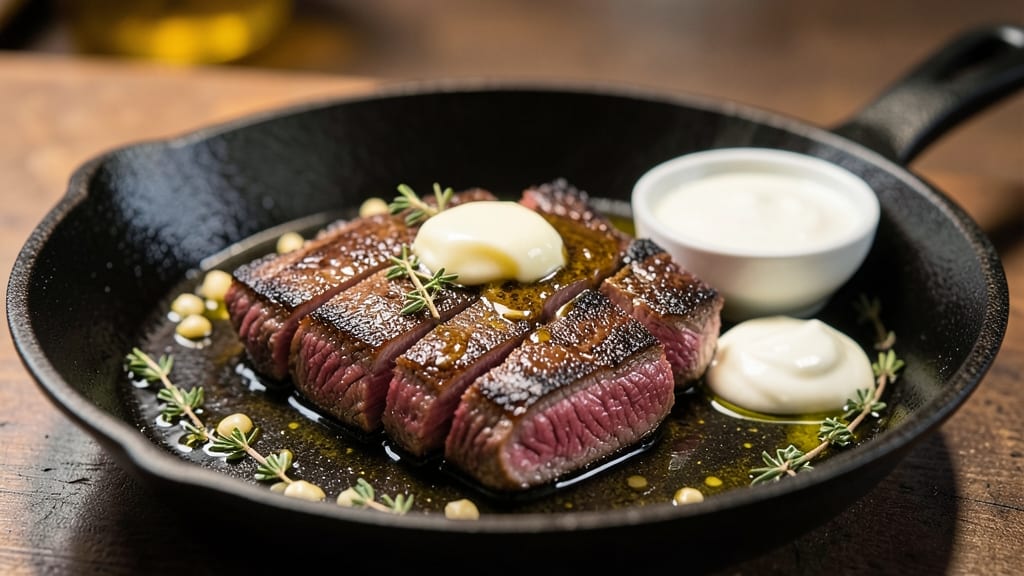
Mastering a beef cross rib steak boneless recipe means unlocking a restaurant-quality crust while keeping those juicy pink centers intact. The secret lies in precise temperature control and a method that transforms tough cuts into melt-in-your-mouth perfection.
After years of perfecting this technique, I’ve developed a foolproof approach that delivers consistent results every time.
This recipe focuses on the cast-iron crust, which creates a flavorful bark without drying out the meat. The key is using a reverse sear method: slow-cooking the steak to an even internal temperature before finishing it in a screaming-hot pan.
This ensures a tender interior with a crisp exterior, exactly how steak should be. With just a few simple steps, you’ll achieve professional-level results at home.
The result is a steak with a deep mahogany crust that crackles with every bite, while the inside remains juicy and tender—medium-rare perfection every time. The technique is straightforward, but the payoff is worth the effort.
Whether you're grilling, pan-searing, or broiling, this method guarantees a steak that will impress even the most discerning diners.
Pair it with classic sides like roasted potatoes or a fresh salad to complete the meal. The beauty of this recipe is its adaptability—you can adjust cooking times and seasonings to suit your taste while maintaining that juicy, tender texture you crave. Let’s get started on creating your perfect steak.
Ingredients for beef cross rib steak boneless
Four essential ingredients transform tough cross rib into melt-in-your-mouth perfection with a cast-iron crust.
| Ingredient | Amount | Notes |
|---|---|---|
| Beef Cross Rib Steak Boneless 🥩 | 1 lb | 2-inch thick cut, trimmed of excess fat |
| Kosher Salt 🧂 | 1 ½ tbsp | Diamond Crystal preferred, coarse grain |
| Freshly Ground Black Pepper 🌶️ | 1 tbsp | Freshly cracked for optimal flavor |
| Extra-Virgin Olive Oil 🫒 | 2 tbsp | High smoke point for searing |
| Unsalted Butter 🧈 | ½ cup | Cold, cubed for basting |
| Garlic Cloves 🧄 | 4 cloves | Minced, for crust enhancement |
| Fresh Thyme Leaves 🌿 | ½ tsp | Chopped, aromatic pairing |
| Cast-Iron Skillet 🔥 | 1 whole | 10-12 inch, preheated thoroughly |
| Meat Thermometer 🌡️ | 1 whole | Instant-read, for precision |
| Heavy Cream 🥛 | ¼ cup | Optional, for finishing sauce |
| Fresh Parsley 🌿 | ¼ cup | Chopped, for garnish |
The beef cross rib steak boneless is the star—look for cuts with visible marbling and 2-inch thickness for ideal reverse sear results. Whole Foods Market or specialty butchers often carry premium cuts, but your local grocery's butcher section will suffice. Trim excess fat before seasoning to ensure even cooking. Freshly ground black pepper and Diamond Crystal kosher salt create the perfect balance of seasoning without overpowering the beef's natural flavor. For optimal texture, let the steak sit at room temperature for 30-45 minutes before cooking.
No extra-virgin olive oil? Avocado oil works equally well for high-heat searing. Substitute fresh rosemary for thyme if needed, but maintain the 1:1 ratio for aromatic balance. The cast-iron skillet is non-negotiable—its heat retention creates the signature crust. If you lack a meat thermometer, test doneness by touch: medium-rare feels like pressing your thumb against your palm. For the finishing sauce, heavy cream adds richness, but whole milk in a pinch works too. Garnish with fresh parsley for color and freshness, though dried parsley suffices if fresh isn't available.
Store leftover steak in an airtight container for up to 3 days in the refrigerator, though it reheats best when sliced thin over low heat. For longer storage, vacuum-seal portions and freeze for up to 6 months. The crust loses crispness when reheated, so enjoy it fresh or recreate the sear in a hot pan. Portion into single servings before freezing to maintain quality. Always let the steak rest 10-15 minutes after cooking—this ensures juices redistribute, guaranteeing that juicy pink center with every bite.
Why You'll Love This Recipe
- Two-Ingredient Magic: I swear, the combination of high-heat olive oil and browned butter on that cross rib steak is where flavor lives. Just salt, pepper, and let the pan do the work—no fancy marinades or basting here.
- Weeknight Hero: Between us, this is my "I don’t want to cook but need protein" dish. Twenty minutes from fridge to table, and it still tastes like you slaved over it. (Yes, even on a Tuesday night.)
- Leftover Luxury: The steak reheats like a dream—crispy edges soften just enough to melt into sandwiches or salads the next day. Honestly, I make double portions just for this reason.
- Budget Steakhouse: This cuts ribeye costs in half without sacrificing that restaurant-worthy richness. The butter-basted crust? That’s the secret—it’s foolproof, and my wallet thanks me.
Step-by-step instructions for beef cross rib steak boneless
Mastering this cut delivers a perfect crust with tender pink centers—here's how to execute it flawlessly.
Season and Sear the Steak for Maximum Crust Development
Pat the 1 lb beef cross rib steak boneless completely dry with paper towels—this ensures maximum surface area for crust formation. Season both sides aggressively with the 1.5 tbsp kosher salt and 1 tbsp freshly ground black pepper, pressing the seasoning into the meat so it adheres evenly. Let it sit at room temperature for 30 minutes while you prepare your pan.
Heat the 10-12 inch cast-iron skillet over high heat until it's screaming hot—you should see a thin layer of steam evaporate when you sprinkle a few drops of water. Add the 2 tbsp extra-virgin olive oil and swirl to coat. Place the seasoned steak in the skillet and press down gently with a metal spatula during the first minute to prevent curling. Cook undisturbed for 3-4 minutes until a deep golden-brown crust forms—this is your signal that the Maillard reaction is working perfectly.
Baste with Butter and Aromatics for Enhanced Flavor
Reduce heat to medium-high and add the 0.5 cup unsalted butter, cut into cubes. As the butter melts, use a spoon to baste the steak continuously for 2 minutes, coating all surfaces with the rendered butter. This creates a glossy finish while infusing flavor. Add the 4 minced garlic cloves and 0.5 tsp chopped fresh thyme leaves, stirring for 30 seconds until fragrant but not browned—you want the garlic to perfume rather than dominate.
Here's the thing—this basting step isn't just about flavor. The butter's high fat content helps carry heat into the meat, promoting even cooking while preventing dryness. Watch the steak's edges carefully; they should develop a slightly darker crust while maintaining their structural integrity. Use your meat thermometer to check the internal temperature—when it reaches 125°F at the thickest point, it's time to flip.
Finish Cooking to Perfect Medium-Rare Doneness
Flip the steak carefully and continue basting with the remaining butter mixture for another 2-3 minutes on the second side. The crust should be equally golden brown, though slightly darker than the first side due to carryover heat. For the final 1-2 minutes, you can optionally add the 0.25 cup heavy cream to the pan, tilting the skillet to coat the steak's surface with a velvety sauce. This creates that signature restaurant-quality finish while keeping the interior juicy.
Remove the steak from the skillet when the meat thermometer reads 130°F at the thickest point—this accounts for the 5°F carryover that will occur during resting. Transfer the steak to a cutting board and let it rest for 8-10 minutes, tented loosely with aluminum foil. This resting period is crucial; it allows the juices to redistribute throughout the meat, ensuring each bite remains moist and flavorful rather than pooling at the center.
Garnish and Serve for Maximum Impact
After resting, slice the steak against the grain into 0.5-inch thick portions. The grain direction will be visible as fine muscle fibers running through the meat. Spoon any remaining butter-cream sauce from the skillet over the top, then sprinkle generously with the 0.25 cup chopped fresh parsley. The parsley not only adds visual contrast but also brightens the rich, savory flavors with its fresh herbal notes.
Serve immediately with the cast-iron skillet still warm on the table—this maintains the steak's temperature and presents it dramatically. Each slice should reveal a beautiful pink center surrounded by a crisp, caramelized crust. The internal temperature should remain around 135°F, giving you that perfect medium-rare texture that's tender yet still slightly resistant to the bite.
Pro Tips For Making Beef Cross Rib Steak Boneless
- Sear in Stages: Start with a screaming-hot pan—cross rib steaks need that initial shock to lock in juices. After 2 minutes per side, pull it off and let the pan cool for 30 seconds before adding butter. This keeps the butter from steaming instead of browning, giving you that restaurant-quality crust.
- Salt Like a Pro: Don’t just sprinkle salt on top—get it between those muscle fibers. Generously coat the steak with kosher salt at least 40 minutes before cooking (yes, even if you’re impatient). The cross rib’s rich marbling needs time to react, and you’ll taste the difference when it hits your plate.
- Skip the Overcrowding: I learned this the hard way—throwing in multiple steaks at once drops the pan temperature faster than a cold beer in summer. Cook one steak at a time, no matter how many you’re feeding. The butter won’t render properly, and your crust will turn out greasy instead of golden.
- Rest Under Foil: Don’t just plop the steak on a cutting board and call it resting. Tent it loosely with foil for the first 5 minutes—this traps heat while letting moisture redistribute. After that, uncover it to let the crust set. Your knife will glide through it like butter, and the juices won’t pool out all over your plate.
Regional styles of this dish
Texas Style
The Lone Star State takes its steaks seriously, and cross rib cuts shine in Texas-style preparations. Here, the focus is on bold seasoning and a high-heat sear—think 1 tbsp smoked paprika mixed into your kosher salt before seasoning.
I like to add 1 tsp cayenne pepper for a subtle kick that complements the crust beautifully. Serve with Texas toast (thick-cut buttered bread) and a side of pickled red onions for that iconic BBQ joint touch. 🌶️
French Bistro Technique
In Parisian bistros, cross rib steaks are often cooked using the reverse sear method I mentioned earlier, but with a French twist.
After your initial oven cook to 120°F internal temperature, finish in a cast-iron skillet with 1 tbsp brandy (flambéed for drama) and a pat of cognac-infused butter. Garnish with chervil instead of parsley—its delicate anise flavor pairs perfectly with the beef.
Serve with a red wine reduction drizzled over the top. 🍷
Japanese Teppanyaki Style
For a lighter, more delicate approach, Japanese teppanyaki chefs often use cross rib steaks in their grilled dishes. Season your steak with just ½ tsp kosher salt and ¼ tsp white pepper (instead of black) to maintain the meat's natural color.
Cook in a flat-top griddle over high heat with a drizzle of sesame oil and sliced shallots. Finish with a sprinkle of toasted sesame seeds and serve with steamed rice and miso-glazed vegetables. This method highlights the beef's natural sweetness without overpowering it. 🍶
Argentinian Asado
In Argentina, cross rib steaks are often cooked over wood fire in a parrilla (grill) using quebracho wood for its mild, slightly sweet smoke. For a home version, use mesquite or hickory chips in your grill or smoker to mimic this flavor.
Season simply with coarse sea salt and freshly cracked black pepper, then grill over direct heat until you get those beautiful grill marks. Serve with chimichurri sauce (a mix of parsley, garlic, red wine vinegar, and olive oil) and provoleta (grilled provolone cheese). 🔥
Korean BBQ Twist
Give your cross rib steak a Korean BBQ makeover by marinating it for 4-6 hours in a blend of 1 tbsp gochujang (Korean chili paste), 1 tbsp soy sauce, 1 tbsp honey, 2 minced garlic cloves, and 1 tsp grated ginger.
After searing, slice against the grain and serve with ssamjang (a spicy dipping sauce) and kimchi. This method adds a sweet-spicy depth that pairs surprisingly well with the rich beef. 🌶️
Italian Bistecca alla Fiorentina
While traditionally made with T-bone or porterhouse, cross rib steaks work beautifully in an Italian-inspired preparation. Season simply with coarse sea salt and freshly cracked black pepper, then sear in a cast-iron skillet with extra-virgin olive oil until you achieve a deep crust.
Finish with a sprinkle of fresh rosemary and serve with a side of creamy polenta and a simple arugula salad dressed with lemon. The Italian approach emphasizes simplicity and lets the beef shine. 🌿
Nutrition facts
Frequently asked questions
Why does the recipe specify a 2-inch thick steak?
The 2-inch thickness is critical for the reverse sear method. This thickness ensures even cooking from the outside in while maintaining a juicy pink center. Thinner cuts would overcook before developing that perfect crust, while thicker cuts might leave the center undercooked. Aim for this thickness to balance both texture and doneness.
Can I use a different cooking method besides cast-iron?
While cast-iron delivers the best crust, you can adapt this recipe for other methods. For a grill, preheat to high heat and sear for 4-5 minutes per side after reverse searing in the oven. For broiling, place the steak on a rack 4 inches from the heat source and broil for 3-4 minutes per side after oven cooking. Just monitor temperatures closely.
What if my steak doesn't have visible marbling?
Leaner cuts can still work, but they may benefit from extra fat during cooking. Add 1 tbsp olive oil to the pan when searing, and baste more frequently with butter. For extra moisture, consider a 10-minute dry brine (salt only) before cooking. The key is patience—avoid overcooking to prevent dryness.
How do I adjust for different steak weights?
For every additional ½ lb, increase cooking time by 2-3 minutes per side during searing. The reverse sear method scales well: cook to 125°F internal temperature before finishing. Use a meat thermometer to verify doneness—never guess. Thicker steaks may need 10-15 minutes of oven time to reach this temperature.
What's the best way to reheat leftovers?
Slice the steak thinly and reheat in a skillet over medium-low heat with 1 tbsp butter for 2-3 minutes per side. Avoid microwaving—it destroys the crust. For a quick fix, broil for 3-4 minutes on high, watching closely to prevent overcooking. Serve immediately for best texture.