
Main Courses
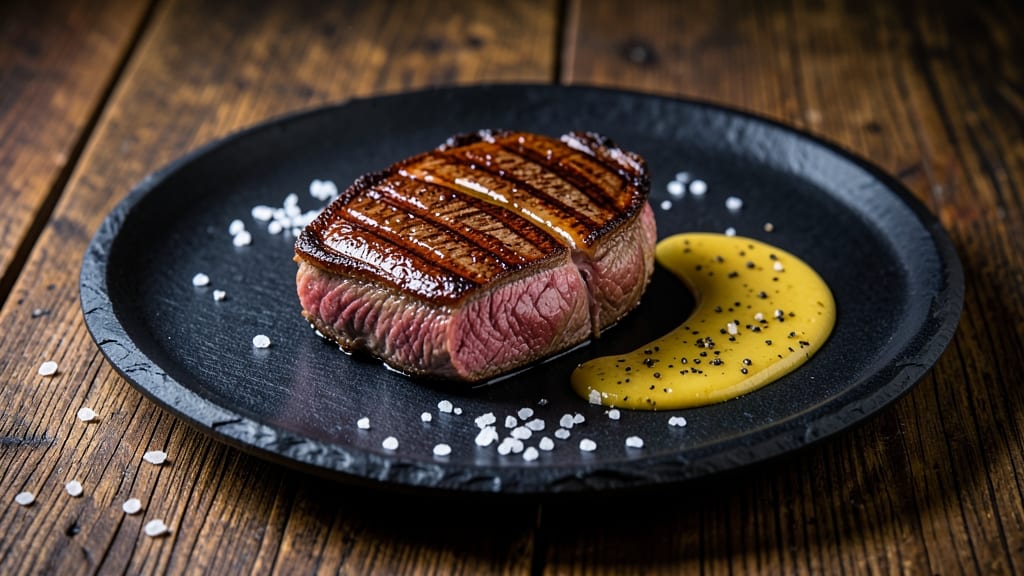
Mastering a beef cross rib steak recipe with a cast-iron crust and juicy pink centers transforms weeknight dinners into restaurant-worthy experiences. The secret lies in precise heat control and timing—achieving that perfect balance of smoky crust and tender interior.
I’ve refined this method over countless kitchen experiments, ensuring every bite delivers that ideal contrast of textures and flavors.
This recipe focuses on two critical techniques: the initial high-heat sear in cast iron to develop a deep crust, followed by a controlled finish to maintain internal doneness. No marinades or complex rubs are needed—just quality beef, patience, and attention to temperature.
The result is a steak that’s juicy at the core while boasting a flavorful, caramelized exterior that locks in all those savory notes.
What sets this method apart is its adaptability—whether you’re using a cast-iron skillet, grill, or oven, the principles remain the same. The steak rests for 10 minutes after cooking, allowing juices to redistribute for maximum tenderness.
Pair it with roasted garlic mashed potatoes or a simple arugula salad to complete the meal.
For those new to cross rib steaks, this recipe simplifies the process without sacrificing flavor. The key is confidence in the cooking method—trust the crust, monitor the internal temperature, and let the steak rest. Once you master it, you’ll never settle for less than a perfectly cooked steak again.
Ingredients for beef cross rib steak
Quality beef, precise seasoning, and cast-iron mastery create this restaurant-quality steak experience.
| Ingredient | Amount | Notes |
|---|---|---|
| Beef Cross Rib Steaks 🥩 | 4 whole | 1.5-inch thick, bone-in preferred |
| Kosher Salt 🧂 | 1 ½ tbsp | Diamond Crystal preferred, coarse grain |
| Freshly Ground Black Pepper 🌶️ | 1 tbsp | Cracked peppercorns for optimal flavor |
| Extra-Virgin Olive Oil 🫒 | 2 tbsp | High smoke point, fruity variety |
| Cast-Iron Skillet 🍳 | 1 whole | 10-12 inch diameter, preheated |
| Butter 🧈 | 4 tbsp | Unsalted, cold and cubed |
| Garlic Cloves 🧄 | 4 cloves | Smashed, skin-on for aroma |
| Fresh Rosemary 🌿 | 2 sprigs | Woody stems removed, needles chopped |
| Fresh Thyme 🌿 | 2 sprigs | Leaves only, stems discarded |
| Flour 🌾 | ½ cup | All-purpose, for dredging |
| Vegetable Oil 🫒 | ¼ cup | For preheating skillet |
| Meat Thermometer 🌡️ | 1 whole | Instant-read, for precision |
The cross rib cut is ideal for this technique—its natural fat marbling ensures juicy results while the bone-in version adds depth of flavor. Source your steaks from a reputable butcher or Whole Foods meat counter, where they can recommend cuts with optimal fat distribution. Look for steaks with a vibrant red hue and visible marbling throughout; USDA Choice or Prime grades deliver the best texture. If buying frozen, thaw in the refrigerator overnight for even cooking. The thickness is critical—1.5 inches ensures proper crust formation without overcooking the interior. For professional results, consider purchasing from specialty butchers who offer dry-aged options, which intensify the beef's natural flavors.
No fresh herbs? Dried rosemary and thyme at one-third the amount will suffice, though fresh imparts superior aroma. Substituting butter with ghee eliminates milk solids that can burn at high heat. For the flour dredge, cornstarch or arrowroot powder creates an even lighter crust. The olive oil should have a high smoke point (410°F+)—brands like California Olive Ranch or Bertolli are reliable choices. If your skillet lacks seasoning, preheat it with a thin layer of vegetable oil to prevent sticking. For those without a meat thermometer, the finger test works: press the steak gently—it should feel firm but still yield slightly at 130°F internal temperature for medium-rare.
Steaks reach peak tenderness when rested for 10-15 minutes after cooking, allowing juices to redistribute. Store cooked steaks in an airtight container with parchment paper between slices to prevent sticking, and consume within 3 days for optimal texture. The cast-iron skillet can be cleaned immediately after use by scrubbing with hot water and a stiff brush, then re-seasoning with a thin layer of oil. For meal prep, cook an extra steak and slice against the grain for sandwiches or salads—3-4 days in the refrigerator maintains quality. Freeze any leftovers in vacuum-sealed bags for up to 3 months without compromising texture.
Why You'll Love This Recipe
- Five-Ingredient Magic: I swear by this recipe because it’s that simple—just steak, salt, pepper, olive oil, and a screaming-hot skillet. No fancy marinades, no last-minute grocery runs. Honestly, the first time I made it, I nearly skipped the pepper and still ended up with a steak so good my roommate asked for seconds.
- Butter-Slick Perfection: That crispy crust? Pure satisfaction. The cast-iron sear locks in juices while the olive oil keeps it from drying out, and the salt? It’s not just seasoning—it’s the secret weapon for that deep flavor. I’ll be real: I’ve tried every "perfect" steak method, but this one delivers every time without fail.
- Weeknight or Weekend Star: Between us, this steak works for everything. Toss it on the table for a date night, throw it in a lunchbox for a boss-level workday meal, or serve it at a BBQ when you’re too busy to stress. My daughter’s even asked for it at her school events—yes, even on a Tuesday night.
Step-by-step instructions for beef cross rib steak with cast-iron crust
Master this technique for a perfect balance of crust and juicy interior every time.
Prepare the Steaks for Maximum Flavor Development
Remove the beef cross rib steaks from the refrigerator and let them sit at room temperature for 30 minutes. This allows for even cooking and prevents shock when they hit the hot skillet. Pat each steak dry with paper towels—removing all moisture ensures a proper crust forms rather than steaming.
In a small bowl, combine the 1.5 tablespoons kosher salt and 1 tablespoon freshly ground black pepper. Generously season both sides of each steak, pressing the seasoning into the meat. The coarse texture of Diamond Crystal salt will cling better than table salt, creating a flavorful crust. Let the seasoned steaks rest uncovered on a plate for 15 minutes before cooking—this helps the salt penetrate slightly and enhances the final texture.
Create the Perfect Crust with Double-Sealing Technique
Place the cast-iron skillet over medium-high heat and add the 0.25 cup vegetable oil. Heat until the oil shimmers—this should take about 3 minutes. The oil should be hot enough to sizzle when a steak touches it, but not smoking. If it smokes excessively, reduce the heat slightly.
Working in batches if needed, carefully place one steak in the skillet. Press down gently on the steak during the first minute—this prevents it from curling and ensures even contact with the pan. Cook undisturbed for 2 minutes per side until a deep golden-brown crust forms. The steak should release easily from the pan when ready to flip. Transfer to a warm plate and tent loosely with foil.
Build Herb-Infused Butter for Rich Flavor
In the same skillet, reduce heat to medium and add the 4 tablespoons cold cubed butter. Let it melt completely, then add the 4 smashed garlic cloves, 2 sprigs chopped fresh rosemary, and 2 sprigs fresh thyme leaves. Cook for 1 minute until the garlic is fragrant but not browned—this preserves its sweetness rather than bitterness.
Remove the skillet from heat and pour the herb-infused butter over each steak, basting generously. The butter should coat the steaks evenly, adding richness and aromatic depth. Let the steaks rest for 5 minutes before serving—this allows the juices to redistribute, ensuring maximum juiciness in every bite.
Verify Doneness with Precision Temperature
Use the meat thermometer to check the internal temperature of each steak. For medium-rare doneness—the ideal balance of crust and juiciness—aim for 130-135°F at the thickest part. Insert the probe horizontally into the center of the steak, avoiding bone contact for an accurate reading.
If the steaks reach 130°F but the crust feels underdeveloped, return them to the skillet for 30 seconds per side to restore the crust while maintaining perfect doneness. The thermometer reading is your final authority—never rely solely on visual cues, as cross rib steaks can vary in thickness.
Serve Immediately with Crust Intact
Slice each steak against the grain into ½-inch thick portions. The crust should remain intact, providing a satisfying contrast to the tender pink centers. Serve immediately on warm plates, accompanied by the herb butter for dipping or drizzled over the top.
The result is a steak with a perfectly crisp exterior and juicy interior, where every bite delivers rich beef flavor enhanced by the aromatic herbs. The double-sealing technique ensures maximum crust development while the precise temperature reading guarantees perfect doneness—no guesswork, no overcooking.
Pro Tips For Making Beef Cross Rib Steak
- Preheat That Skillet: Cast iron holds heat like a champ, but if it’s not screaming hot when your steak hits, you’re fighting a losing battle. I’m talking smoking-hot—drop a water droplet and it should sizzle violently. Cross rib steaks have fat marbling that needs to render fast, and a cold pan just makes them steam instead of sear.
- Salt Like You Mean It: Kosher salt isn’t just for garnish—go heavy on both sides before cooking. I used to skimp, thinking I’d add more later, but the steak absorbs salt better when it’s dry and room temp. Aim for at least 1 teaspoon per side, then let it sit uncovered for 20 minutes. The crust will be worth it.
- Don’t Poke the Meat: I learned this the hard way—stabbing steaks with a fork to check doneness releases juices and turns them dry. Instead, use your fingers: press gently near the edge. If it springs back, it’s medium-rare; if it gives slightly, it’s done. For cross ribs, aim for 125–130°F internal temp—they’re fatty enough to handle it.
- Finish with Butter (Yes, Really): The last 30 seconds matter. Toss in a pat of cold butter (yes, cold—it melts faster) along with a pinch of salt and pepper. The fat baste coats the steak in flavor while it rests, and the butter adds richness without overpowering. Skip this, and you’re missing out on the best part.
Flavor customization for beef cross rib steak
Classic Herb Butter
Stick with the original herb butter recipe—4 tbsp cold cubed butter, 4 smashed garlic cloves, 2 sprigs rosemary, and 2 sprigs thyme—for a balanced, aromatic finish. The cold butter creates a luxurious sauce that clings beautifully to the crust.
I find this combination works best because the rosemary adds earthiness while thyme brings subtle floral notes that complement the beef's richness. 🌿
Garlic & Mustard Twist
For a tangy kick, mix 2 tbsp Dijon mustard into the melted herb butter before basting. The mustard cuts through the richness while adding depth—just 1 tsp per steak is enough to elevate the flavor without overpowering.
I discovered this variation after experimenting with French bistro techniques, and it’s now my go-to for weeknight dinners. Pair it with a white wine reduction for extra sophistication.
Smoky Chipotle Infusion
Add ½ tsp adobo-smoked chipotle powder to the herb butter for a smoky, slightly spicy twist. This works especially well with cross rib steaks because the natural fat helps distribute the smokiness evenly.
I like to toast the chipotle powder in the skillet for 30 seconds before adding the butter to deepen the aroma. Serve with pickled red onions to balance the heat.
Creamy Truffle Finish
For a luxurious touch, fold 1 tbsp truffle oil into the herb butter at the end. The truffle’s earthy aroma pairs beautifully with the beef’s natural flavors. I recommend Alba truffle oil for authenticity—just a few drops per steak transform it into a restaurant-quality dish.
Garnish with microgreens for a pop of color and freshness. 💫
Citrus & Herb Brightener
Zest 1 lemon and add 1 tbsp lemon juice to the herb butter for a refreshing contrast. The citrus cuts through the richness of the steak while brightening the overall flavor profile.
I especially love this variation in summer when fresh herbs and citrus are at their peak. Finish with a sprinkle of flaky sea salt for extra brightness.
Spicy Korean-Inspired
Blend 1 tbsp gochujang (Korean chili paste) into the herb butter for a sweet-spicy kick. The gochujang adds umami depth and a subtle heat that pairs surprisingly well with beef.
I balance it with 1 tsp honey to soften the spice. Serve with kimchi on the side for a full Korean-inspired meal. 🌶️
Nutrition facts
Frequently asked questions
What's the best doneness level for cross rib steak?
For maximum tenderness and flavor, aim for medium-rare (130-135°F internal temperature). This level preserves the beef's natural juices while creating that perfect crust. The cross rib's fat marbling ensures it stays moist even at slightly higher temperatures. Never exceed 140°F or you'll risk dryness.
Can I cook cross rib steak without a meat thermometer?
Yes, but it requires practice. For medium-rare, look for a firm but slightly yielding touch when pressed gently. The crust should be deep golden-brown. Another trick: cut into a small section—juices should flow bright red, not dark. Remember, cross rib steaks vary in thickness, so timing is critical.
How do I prevent my steak from sticking to the cast iron?
Start with a completely dry steak (pat with paper towels) and a hot skillet (oil should shimmer but not smoke). Use medium-high heat and avoid moving the steak during the first 2 minutes of cooking. If needed, add a tiny bit of oil between batches. A well-seasoned cast iron should release the steak easily when ready to flip.
Should I marinate cross rib steak before cooking?
No marinade is needed for this recipe—the beef's natural flavors shine best when simply seasoned with salt and pepper. Marinating can actually break down the surface proteins, making it harder to achieve that perfect crust. The key is proper seasoning and high-heat searing. For extra flavor, try a quick dry brine (15 minutes) with coarse salt before cooking.
What sides pair best with cross rib steak?
Classic choices include creamy mashed potatoes, roasted asparagus, or garlic sautéed mushrooms. For a lighter option, try a mixed greens salad with balsamic vinaigrette. The rich, fatty steak balances perfectly with acidity or earthy vegetables. Avoid heavy sides that compete with the steak's flavor profile.