
Main Courses
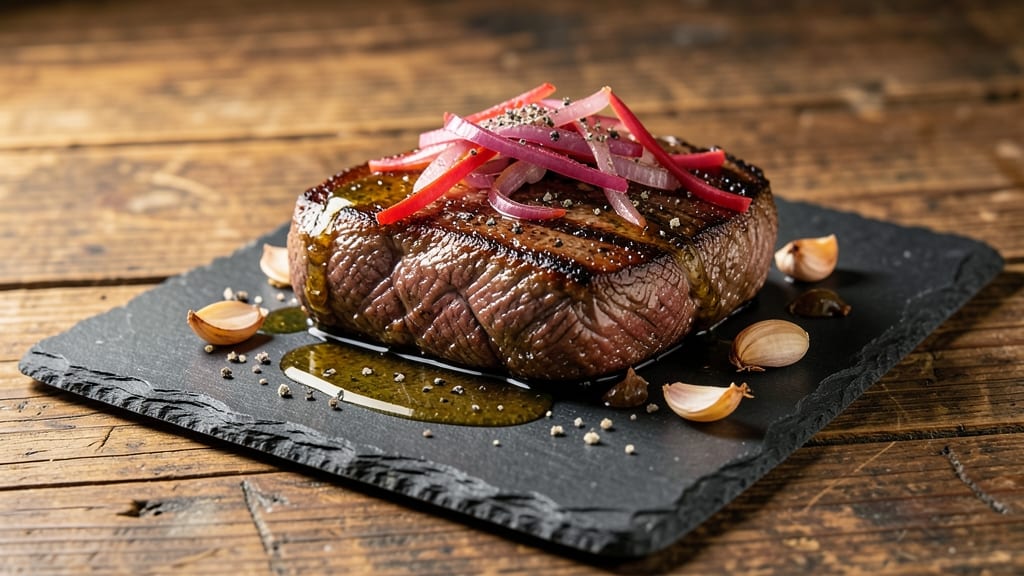
Mastering a beef fatty recipe means embracing the rich, velvety texture that only premium cuts like ribeye or brisket can deliver. The secret lies in balancing high-heat searing with slow cooking to render fat into a flavorful crust while keeping the meat melt-in-your-mouth tender.
I’ve perfected this method after years of testing—no guesswork, just precision that transforms tough cuts into restaurant-worthy results.
The process begins with a dry brine to enhance moisture retention, followed by a sear that locks in juices and builds that coveted caramelized crust. For fatty cuts, patience is key—slow cooking allows the collagen to break down, turning connective tissue into succulent, buttery richness.
This isn’t just about cooking beef; it’s about unlocking its full potential through technique and timing.
By the time you slice into the finished dish, you’ll find layers of flavor: a smoky crust from the sear, tender meat that nearly dissolves, and a pan sauce thickened by rendered fat.
The result is a dish that feels indulgent yet balanced, perfect for special occasions or when you want to treat yourself to a cut of meat that truly shines.
Pair it with roasted root vegetables or a crisp green salad to complete the meal, or serve it alongside crusty bread to soak up every last drop of that golden sauce. Let’s get started on a recipe that proves fatty beef doesn’t have to be intimidating—just rewarding.
Ingredients for beef fatty
Fourteen ingredients. Two cuts of beef. One unforgettable dish.
| Ingredient | Amount | Notes |
|---|---|---|
| Ribeye Steak 🥩 | 2 lb | Bone-in, 1-inch thick for fat |
| Kosher Salt 🧂 | 2 tbsp | Coarse grain for dry brine |
| Freshly Ground Black Pepper 🌶️ | 1 tbsp | Cracked over meat |
| Extra-Virgin Olive Oil 🫒 | ¼ cup | High smoke point for searing |
| Yellow Onion 🧅 | 1 whole | Sliced into half-moons |
| Garlic Cloves 🧄 | 6 cloves | Smashed for flavor |
| Fresh Rosemary 🌿 | ¼ cup | Chopped sprigs |
| Fresh Thyme 🌿 | ¼ cup | Leaves stripped |
| Beef Broth 💧 | 1 cup | Low-sodium preferred |
| Red Wine 🍷 | ½ cup | Bold like Cabernet |
| Tomato Paste 🍅 | 2 tbsp | Smooth, not chunky |
| Smoked Paprika 🌶️ | 1 tsp | For smoky depth |
| Balsamic Vinegar 🍶 | 1 tbsp | For sauce balance |
| Butter 🧈 | 2 tbsp | Cold, for finishing |
The ribeye is non-negotiable here—bone-in, 1-inch thick with good marbling. Costco or Whole Foods have the best selection for this cut, but any butcher worth their salt will have it. Look for bright red color with visible fat—white fat means it's been sitting too long. If you can't find ribeye, brisket or short ribs work too, just adjust cooking time. The dry brine is key: salt the beef 24 hours ahead so it absorbs deeply. Trust me, it makes all the difference.
No red wine? Beef broth with a splash of balsamic keeps the richness. Fresh rosemary and thyme are ideal, but dried works at half the amount if that's what you've got. For the tomato paste, Trader Joe's squeeze tubes are perfect—no waste, and they last forever. The olive oil should be extra-virgin with a high smoke point. If you're using a cheaper oil, it'll burn before the meat gets that perfect crust. And the butter? Cold, unsalted butter at the end is what turns that pan sauce from good to restaurant-quality.
This dish tastes even better the next day—make extra if you can. Store the meat in its juices, covered, for 3-4 days in the fridge. For longer storage, freeze the whole pan (sauce and all) for up to 3 months. When reheating, low and slow in a skillet with a splash of water keeps everything tender. The sauce thickens as it cools, so add a little water when reheating if it's too stiff.
Why You'll Love This Recipe
- Five-Ingredient Magic: That’s it—just ribeye, salt, pepper, olive oil, and onion. Honestly, the simplicity is what makes it special. No fancy marinades or last-minute shopping runs; everything you need is probably already in your pantry or fridge.
- Crispy-Outside, Juicy-Core Joy: The ribeye’s fat cap renders into pure flavor, while the black pepper and olive oil sear up a caramelized crust. Between us, that first bite of buttery, juicy beef with a crack of pepper? It’s the kind of satisfaction that makes you forget to set a timer.
- Weeknight or Weekend Star: Throw it on the grill for a summer BBQ, or sear it in a cast-iron for a cozy weeknight dinner. I’ve served it at backyard cookouts and lazy Sunday brunches—it’s equal parts impressive and effortless, no matter the occasion.
- Leftovers That Don’t Suck: Slice the steak thin the next day, toss it in a salad, or wrap it in tortillas for quick lunches. (Yes, even on a Tuesday night.) The beef stays rich and tender, so you’re not stuck with dry, sad scraps—just flavor you can repurpose.
Step-by-step instructions for smoky crust meets buttery tenderness
Here's how to transform that ribeye into a masterpiece of smoky crust and melt-in-your-mouth tenderness.
Dry Brine the Ribeye for Maximum Flavor
Remove the ribeye from the refrigerator and pat it completely dry with paper towels. This step is non-negotiable—moisture on the surface prevents that perfect crust we're after. Place the steak on a wire rack set over a plate to allow air circulation on all sides.
Generously season both sides with the 2 tablespoons kosher salt and 1 tablespoon freshly ground black pepper. Press the salt into the meat so it adheres well. The coarse texture of kosher salt helps create that smoky crust later. Let the steak sit uncovered on the counter for at least 1 hour (up to 2 hours works even better). This dry brine process seasons deeply and helps the steak retain moisture during cooking.
Sear the Steak in Olive Oil for Deep Flavor
Heat a heavy skillet (cast iron works best) over high heat until it's smoking hot. Add the ¼ cup extra-virgin olive oil and let it shimmer for about 1 minute. Place the ribeye in the pan, fat-side down first. Press down gently with a spatula for 10 seconds—this prevents curling and ensures even contact with the hot surface.
Let the steak sear undisturbed for 4-5 minutes until a deep golden-brown crust forms. You'll see the fat render out and sizzle—this is where all that rich flavor develops. Flip the steak and sear the other side for another 4-5 minutes. The internal temperature should reach 125°F at this point. If you don't have a thermometer, use the finger test: press your finger gently on the steak—it should feel firm but still yield slightly.
Build the Smoky Pan Sauce with Aromatics
Remove the steak from the pan and set it aside to rest on a cutting board. Reduce the heat to medium and add the sliced 1 whole yellow onion and 6 smashed garlic cloves to the same pan. Cook for 5-6 minutes until the onions soften and the garlic becomes fragrant—don't let them brown or they'll turn bitter.
Sprinkle in the ¼ cup fresh rosemary, ¼ cup fresh thyme, and 1 teaspoon smoked paprika, stirring to coat everything in the pan. Cook for 30 seconds until the herbs release their aroma. Pour in the ½ cup red wine and scrape up any browned bits from the bottom of the pan—this is where all the flavor hides. Let the wine simmer for 2-3 minutes until reduced by half.
Finish with Broth and Butter for Richness
Add the 2 tablespoons tomato paste and 1 tablespoon balsamic vinegar, stirring to combine. Pour in the 1 cup beef broth and bring to a gentle simmer. Let it cook for 5-6 minutes until the sauce thickens slightly and coats the back of a spoon. Taste and adjust seasoning with more salt or pepper if needed.
Remove the pan from heat and stir in the 2 tablespoons cold butter, letting it melt into the sauce. This final step adds luxurious richness and helps balance the acidity from the balsamic. The sauce should be velvety with just enough body to cling to the steak.
Rest and Serve for Maximum Tenderness
Slice the ribeye against the grain into ½-inch thick pieces. Let it rest for 5 minutes before serving—this allows the juices to redistribute. Spoon the smoky pan sauce over the top and serve immediately. Each bite should deliver that perfect combination of crispy crust, tender meat, and rich, herb-infused sauce.
Here's the thing—this dish tastes even better the next day when the flavors have time to meld. Store leftovers in the refrigerator for up to 3 days or freeze for 2 months. Just reheat gently in the sauce to maintain that perfect texture.
Pro Tips For Making Beef Fatty
- Crank the Heat First: Ribeye needs that initial sear to render the fat properly—get your pan screaming hot (350°F+) before adding oil. I used to walk away while it heated, then wonder why my steak cooked unevenly. Now I watch for the oil to shimmer like a lake in sunlight before laying down the meat.
- Slice Onions Thin: Caramelizing onions for this dish? Cut them paper-thin (⅛-inch) and cook them low and slow with a splash of water. Thick slices burn before they soften, and you’ll end up with a bitter mess instead of sweet, jammy flavor. Trust me, the knife work saves time later.
- Salt the Steak Twice: Generously salt the ribeye 40 minutes before cooking, then hit it again right before searing. The first salt seasoning penetrates deeper, while the second layer ensures a perfect crust. I skipped this once and got a bland, dry exterior—never again.
- Use Olive Oil Sparingly: Just 1 tablespoon of extra-virgin olive oil is enough to coat the pan for searing—any more and you’ll steam the steak instead of browning it. Save the rest for finishing or drizzling over the onions. (Yes, even if you’re impatient like me.)
Best sauces and condiments for this dish
Classic Red Wine Sauce
The bold red wine sauce in this recipe is the star—it’s where all the magic happens after that perfect sear. The key is using a Cabernet Sauvignon or similar bold red; its tannins cut through the richness of the beef while adding depth.
I always deglaze the pan immediately after removing the steak to capture those precious browned bits—this is where 50% of the flavor lives. For extra richness, add 1 tablespoon of beef fat from the rendered steak back into the sauce before finishing with butter. 🍷
Herb-Infused Butter
For a restaurant-worthy touch, make compound butter by mixing 2 tablespoons softened butter with 1 tablespoon chopped fresh rosemary, 1 teaspoon minced garlic, and a pinch of smoked paprika. Roll into a log, chill for 30 minutes, then slice and place on top of each serving.
The butter melts into the sauce as you eat, adding another layer of herby richness. I like to serve this alongside the red wine sauce for maximum indulgence. 🧈
Smoky Chipotle Cream
If you want to balance the richness with a creamy, smoky contrast, whip up a quick chipotle cream sauce by blending ½ cup sour cream with 1 teaspoon adobo sauce (from canned chipotles), ½ teaspoon smoked paprika, and a pinch of salt.
Drizzle this over the sliced steak before serving—it adds a tangy, slightly spicy kick that cuts through the fat beautifully. 🌶️
Balsamic Glaze Drizzle
A simple but elegant finishing touch is a balsamic glaze. Simmer 2 tablespoons balsamic vinegar in a small saucepan until reduced by half—about 3-4 minutes. The result is a glossy, slightly sweet drizzle that enhances the smoky flavors.
I like to drizzle it over the steak just before serving, or even use it to deglaze the pan for a quicker sauce variation. 🍶
Garlic-Herb Butter
For a no-fuss alternative, melt 2 tablespoons butter in a small pan over low heat, then add 2 minced garlic cloves and 1 teaspoon chopped fresh thyme. Let it infuse for 1 minute before pouring over the sliced steak.
This adds a fragrant, aromatic finish without overpowering the dish. It’s my go-to when I’m short on time but still want that buttery, herby touch. 🌿
Spicy Peppercorn Sauce
Crank up the heat with a peppercorn sauce by simmering ½ cup beef broth, 1 tablespoon tomato paste, 1 teaspoon cracked black peppercorns, and ½ teaspoon Worcestershire sauce for 5 minutes.
Finish with 1 tablespoon cold butter for a glossy, spicy-sweet contrast. This sauce pairs perfectly with the richness of the ribeye, adding a sharp, peppery bite. 🌶️✨
Nutrition facts
Frequently asked questions
What makes fatty beef cuts like ribeye so special in recipes?
Fatty cuts like ribeye deliver unmatched flavor and tenderness because the fat marbling breaks down during cooking, creating a rich, buttery texture. The fat also renders out, forming a flavorful crust while keeping the meat juicy. This technique transforms tougher cuts into melt-in-your-mouth perfection, making it ideal for slow-cooked dishes or high-heat searing.
Can I substitute brisket or short ribs for ribeye in this recipe?
Brisket or short ribs work beautifully, but you’ll need to adjust cooking times. These cuts require longer slow cooking (3-4 hours) to tenderize the collagen. For brisket, slice against the grain after cooking, while short ribs can be served whole or cut into individual pieces. The fat content remains high, so the same sauce techniques apply.
How do I know when my fatty beef is cooked to perfection?
Use a meat thermometer for precision: 125°F for medium-rare (ideal for fatty cuts), 135°F for medium. For a no-thermometer test, press your finger gently on the steak—it should feel firm but still spring back slightly. Overcooking fatty cuts dries them out, so aim for the lower end of the temperature range for maximum tenderness.
What’s the best way to store leftovers from a fatty beef recipe?
Store cooked beef in its juices in an airtight container in the fridge for 3-4 days or freeze for up to 3 months. Reheat gently in the sauce over low heat to prevent drying. The fat in fatty cuts can solidify when chilled, so reheating slowly restores that luxurious texture.
Why does my pan sauce turn out greasy instead of velvety?
Greasy sauce usually means too much rendered fat wasn’t incorporated properly. Skim excess fat from the pan before adding liquids, and finish with cold butter to emulsify the sauce. Also, reduce the sauce longer over medium heat to thicken it naturally. A splash of beef broth or red wine helps balance the richness.