
Main Courses
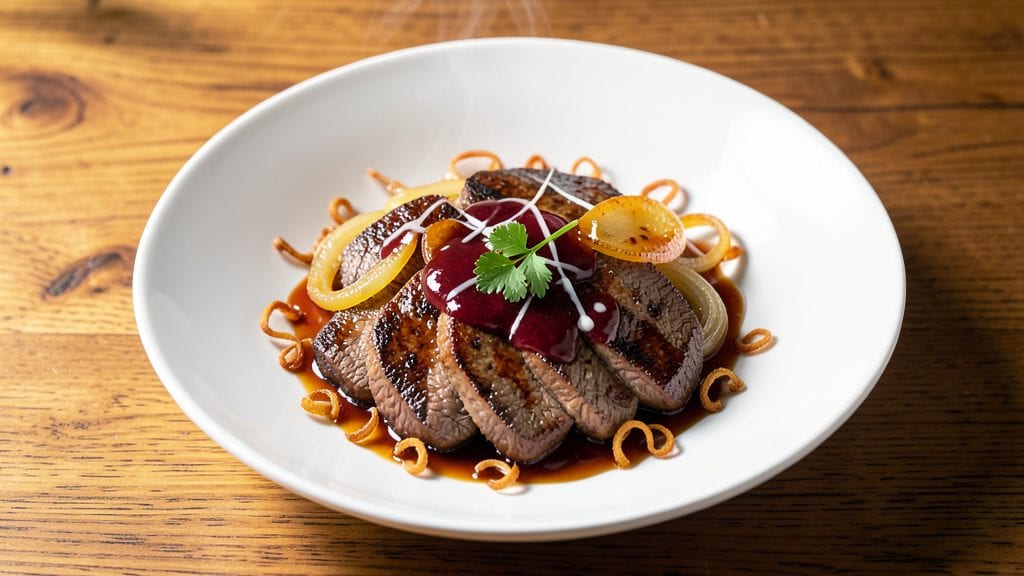
This Filipino-style beef liver igado delivers a perfect balance of sweet, sour, and savory flavors that make it a beloved comfort dish across the Philippines. The traditional preparation transforms tender liver into crispy, caramelized bites with a tangy-sweet glaze that's impossible to resist.
I first discovered this recipe during a family gathering in Manila, where it became the star of every meal—now I recreate it at home for that same nostalgic taste.
The secret lies in the marinade, where soy sauce, calamansi (or lemon), and a touch of sugar work together to tenderize the liver while building rich, complex flavors.
Unlike many liver dishes that rely on heavy seasoning, this recipe lets the natural sweetness of the liver shine through with just the right acidity. The pan-frying technique ensures a crispy exterior while keeping the inside juicy and tender—exactly how I remember it from my grandmother's kitchen.
What you'll achieve is a dish that's both hearty and elegant—ideal for family dinners or special occasions. The combination of crispy liver, sticky glaze, and aromatic onions creates a symphony of textures and tastes that will have everyone reaching for seconds.
Serve it with steamed rice and a side of atchara (pickled papaya) for the full Filipino experience. Let's bring this classic to your table.
This recipe honors tradition while adapting to home kitchens, making it accessible without sacrificing authenticity. The process is straightforward but requires attention to timing and heat control—critical for achieving that signature caramelized finish.
Whether you're cooking for a crowd or treating yourself to a taste of the Philippines, this beef liver igado delivers restaurant-quality results with every bite.
Ingredients for beef liver igado
Sweet, tangy, and crispy—this Filipino classic needs just twelve ingredients for bold flavor.
| Ingredient | Amount | Notes |
|---|---|---|
| Beef Liver 🥩 | 1 ½ lb | Fresh, thinly sliced pieces |
| Yellow Onions 🧅 | 1 whole | Sliced into thin half-moons |
| Calamansi Juice 🍋 | ½ cup | Or substitute with lemon juice |
| Soy Sauce 🥄 | ¼ cup | Dark soy preferred for color |
| White Vinegar 💧 | ¼ cup | For tangy balance |
| Granulated Sugar 🍚 | ¼ cup | For caramelization |
| Garlic Cloves 🧄 | 6 cloves | Minced for aromatic base |
| Fresh Ginger 🌿 | 1 tbsp | Grated, for warmth |
| Olive Oil 🫒 | ¼ cup | For pan-frying |
| Black Peppercorns 🌶️ | ½ tsp | Freshly cracked |
| Salt 🧂 | 1 tsp | Kosher or sea salt |
| Green Onions 🧅 | 2 whole | Sliced, for garnish |
The beef liver is non-negotiable here—freshness is key. Look for bright red, firm pieces at Asian markets or your grocery store's meat counter, where they're often pre-sliced for dishes like this. If you can't find calamansi, lemon juice works perfectly—just add a pinch of salt to mimic its tartness. The dark soy sauce gives that signature deep color, but regular soy sauce in a pinch won't ruin the dish. For the onions, yellow or red work best—their natural sweetness caramelizes beautifully during cooking.
No calamansi? Lime juice with extra sugar bridges the gap, though it won't be identical. Running short on vinegar? Substitute with rice vinegar at the same amount—the milder flavor still cuts through the richness. The ginger can be swapped for ground ginger at half the amount, but fresh is worth the effort. For the sugar, brown sugar adds depth if you're feeling adventurous. And if you're missing green onions, scallions or chives work in a pinch—just use twice the amount for that same fresh bite.
Once cooked, this reheats beautifully—store in an airtight container for up to 3 days. The glaze thickens as it cools, so add a splash of water when reheating. For make-ahead prep, marinate the liver overnight in the soy-vinegar-sugar mix—this tenderizes it perfectly. Garnish with extra green onions right before serving, as they wilt quickly. Leftovers freeze well for up to 2 months, though the texture changes slightly after thawing.
Why You'll Love This Recipe
- Five-Ingredient Magic: I swear by this recipe when I’m too tired to overthink dinner. Slice the liver thin, toss it with onions and vinegar, then let the soy sauce and calamansi work their tangy-sweet spell—no fancy techniques, just hands-off sizzling.
- Tangy-Sweet Fixation: That bright calamansi cut through the liver’s richness, while the vinegar and soy sauce give it this addictive, umami-packed bite. It’s not just good—it’s the kind of dish that makes you finish the pan.
- Leftover Goldmine: Cooks up fast but keeps perfectly for days. I’ll make a big batch on Sundays—it reheats like a dream for quick lunches or even stuffed into rice bowls when I’m in a rush.
- Budget Powerhouse: Beef liver is cheap, and this recipe stretches it far. A single pound feeds four, with enough left for my kid’s school lunchbox (yes, he actually eats it). No waste, just flavor-packed meals.
Step-by-step instructions for Filipino-style sweet and sour beef liver
Here's how to transform simple ingredients into a vibrant, tangy-sweet dish that balances richness with bright acidity.
Prepare the Liver for Perfect Texture
Pat the 1.5 lb beef liver completely dry with paper towels—this ensures a good sear. Using a sharp knife, slice it into ½-inch thick pieces against the grain for even cooking. In a medium bowl, toss the liver pieces with 1 tsp salt and 0.5 tsp freshly cracked black peppercorns, coating them evenly. Let them sit for 10 minutes at room temperature while you prep the aromatics.
This salting step is crucial—it seasons the liver deeply and helps prevent bitterness during cooking. The room temperature adjustment guarantees even cooking throughout each piece. If you notice any pieces bleeding too much, blot them again with fresh paper towels before proceeding.
Sear the Liver in Olive Oil
Heat 0.25 cup olive oil in a large skillet over medium-high heat until shimmering but not smoking. Add the liver pieces in a single layer, leaving space between them to avoid steaming. Cook undisturbed for 2 minutes per side until the edges turn deep golden brown—this creates that signature crispy exterior while keeping the interior tender.
Real talk: Don't overcrowd the pan or the liver will steam instead of sear. If you have too many pieces, work in batches. Once the liver releases easily from the pan, it's ready to remove. Transfer the cooked pieces to a plate and set aside, keeping them warm.
Build the Sweet and Sour Sauce
In the same skillet (no need to clean it—the browned bits add flavor), add 1 whole yellow onions sliced into thin half-moons. Cook over medium heat for 5-6 minutes until softened and beginning to caramelize. Add 6 cloves minced garlic and 1 tbsp grated fresh ginger, cooking for 30 seconds until fragrant.
Pour in 0.25 cup soy sauce and 0.25 cup white vinegar, scraping up any browned bits from the bottom. Add 0.25 cup granulated sugar and 0.5 cup calamansi juice, then bring to a gentle simmer. Let it reduce for 3-4 minutes until the sauce thickens slightly and coats the back of a spoon—this creates the perfect balance of sweet, sour, and umami.
Finish and Combine
Return the seared liver to the skillet, spooning the sauce over each piece. Toss gently to coat, then simmer for 1-2 minutes until the liver absorbs the flavors and the sauce clings to it. The liver should be tender but still slightly firm—overcooking will make it tough.
Stir in 2 whole green onions sliced into ¼-inch pieces, reserving a few slices for garnish. Taste and adjust seasoning if needed—you might need a touch more soy sauce for saltiness or calamansi juice for acidity. The sauce should be glossy with a thick, syrupy consistency that coats the liver beautifully.
Serve Immediately
Transfer the beef liver igado to a serving platter, garnishing with the reserved green onion slices. Serve immediately with steamed rice to soak up that delicious sauce. The contrast of the tender, slightly crispy liver with the vibrant, tangy-sweet sauce makes this dish unforgettable.
Here's the thing—this recipe shines when served fresh. The flavors meld beautifully with warm rice, and the texture contrast between the crispy edges and tender interior is what makes it special. Leftovers? They won't taste the same, so plan to enjoy this dish right away.
Pro Tips For Making Beef Liver Igado
- Slice Thin, Slice Even: Liver cooks fast—uneven slices mean some parts dry out while others stay raw. Use a sharp knife and aim for ¼-inch thickness, or your pan will turn into a science experiment. (I learned this after flipping one side perfectly crisp while the other stayed pink inside.)
- Soak Liver First: Skip the soaking, and you’ll end up with bitter, chewy liver. Submerge slices in cold water with a splash of vinegar (even 10 minutes helps). Rinse and pat very dry before cooking—wet liver steams instead of searing. (Yes, it’s an extra step, but your taste buds will notice.)
- High Heat, Then Back Off: Start liver in a screaming-hot pan—just 30 seconds per side to get that crust. Then drop the heat to medium-low to finish cooking. Rush the sear, and you’ll burn the outside before the inside warms through. (I used to walk away; now I watch like a hawk.)
- Toss Onions Last: Cook onions first, and they’ll turn to mush under the liver’s weight. Add them in the final 2 minutes, stir once, then immediately pour the calamansi-soy-vinegar mix over everything. This keeps their texture bright and crisp, not soggy. (Your future self will curse you if you skip this.)
Essential equipment for great beef liver igado
Skillet Selection
A 12-inch cast iron skillet like the Lodge Pre-Seasoned is my go-to for this recipe—its heavy weight ensures even heat distribution, which is critical for searing liver without burning the sauce. The flat surface also helps create that signature crispy texture.
If you don’t have cast iron, a stainless steel skillet with a heavy base (like All-Clad) works well too. Just avoid non-stick—it won’t develop the same caramelized fond that deepens the flavor. 🔥
Heat Control Tools
Invest in a thermometer to monitor your skillet’s temperature—aim for 375°F when searing the liver. I use the ThermoWorks Dot for its accuracy and ease of use.
For larger batches, a kitchen torch (like the Weber Q1000) can help finish the edges of thicker liver pieces with a quick char. If you’re cooking outdoors, a grill with a side burner works perfectly for the same sear-and-sauce technique.
Marinade Prep Tools
A medium mixing bowl with high sides (like the OXO Good Grips) keeps ingredients contained while tossing the liver. For measuring the calamansi or lemon juice, a small liquid measuring cup with markings in ¼-cup increments ensures precision—this sauce is all about balance.
A microplane is essential for grating fresh ginger quickly, and I always keep a fine-mesh strainer handy to remove any onion or garlic bits from the sauce if needed.
Garnish Essentials
Fresh green onions are non-negotiable for garnish, and I recommend using scallions if green onions are unavailable. A sharp chef’s knife (like the Victorinox Fibrox) makes quick work of slicing them into ¼-inch pieces.
For presentation, a tongs set (like OXO Good Grips) helps transfer the liver to the platter without breaking the crispy edges. A small offset spatula is also useful for scraping up any leftover sauce from the skillet to drizzle over the dish.
Optional Upgrades
For a restaurant-quality finish, a blowtorch (like the Weber Q1000) can torch the edges of the liver for extra crispiness. A food mill (such as the OXO Good Grips) comes in handy if you want to finely chop the onions and garlic for a smoother sauce texture.
If you’re serving a crowd, a large serving platter (like Corelle Stoneware) keeps the dish warm and makes it easy to pass around. 💡
Nutrition facts
Frequently asked questions
Can I substitute chicken or pork liver for beef liver in this recipe?
While chicken liver works well and has a milder flavor, pork liver is too fatty and can make the dish greasy. For best results, stick with beef liver—its texture and richness are perfect for this sweet-and-sour profile. If you must use chicken liver, reduce cooking time by 30 seconds per side since it cooks faster.
What's the secret to getting the liver crispy without burning the sauce?
Control the heat! Sear the liver over medium-high heat (375°F) until golden, then immediately reduce to medium when adding the sauce. The key is working in batches if needed—don't overcrowd the pan. A 12-inch cast iron skillet distributes heat evenly, which is critical for that perfect crispy edge.
Can I make this recipe ahead of time?
Not ideal—this dish is best served immediately for peak texture and flavor. However, you can prep the marinade and sauce components up to 24 hours ahead. Store the raw liver (uncooked) in an airtight container with the marinade for up to 6 hours in the fridge. Reheat gently in the skillet over low heat to maintain crispiness.
Why does my liver turn out tough instead of tender?
Overcooking is the most common mistake! Liver cooks quickly—2 minutes per side max for beef. Also, never skip the 10-minute room temperature rest before cooking. Cold liver releases juices unevenly, leading to toughness. For extra tenderness, soak the liver in milk for 30 minutes before marinating to break down enzymes.
What's the best way to serve beef liver igado?
Pair it with steamed white rice to soak up the sauce, and add a side of atchara (pickled papaya) or a simple green salad to balance the richness. For a complete Filipino meal, serve with garlic fried rice or sinigang (sour soup). The acidity in these pairings enhances the dish's sweet-and-sour profile.