
Main Courses
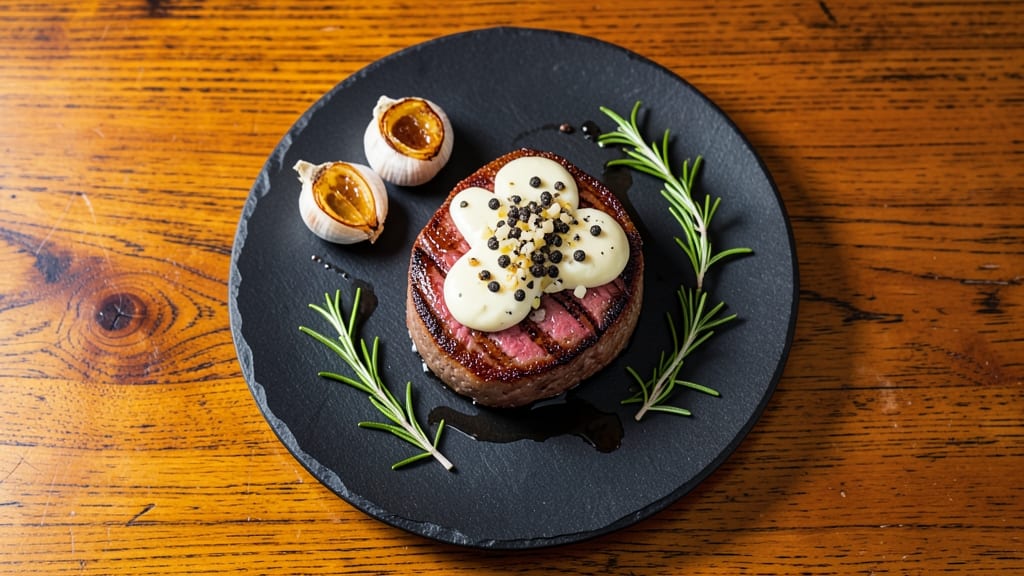
A perfectly cooked beef loin tenderloin steak filet mignon delivers a buttery crust and juicy pink center that feels like a restaurant-quality experience at home. This recipe focuses on precision—controlling heat, timing, and internal temperature to achieve that ideal balance between tenderness and flavor.
I’ve tested countless methods, and this one consistently delivers results that impress even the most discerning palates.
The key to success lies in reverse searing: starting with a low oven temperature to gently cook the steak evenly, then finishing it on the stovetop for that coveted crust. Using a meat thermometer ensures you hit the perfect internal temperature—125°F for rare, 130°F for medium-rare—without overcooking.
The result is a steak that’s tender, juicy, and packed with rich beef flavor in every bite.
This method also includes a simple butter baste that adds depth and moisture, while optional garnishes like fresh rosemary or a drizzle of red wine reduction elevate the dish further.
Whether you're cooking for a special occasion or simply treating yourself, this recipe guarantees a steak that’s restaurant-worthy without the fuss.
Pair it with roasted vegetables or a crisp side salad for a complete meal. Let’s get started on creating the perfect filet mignon.
Ingredients for beef loin tenderloin steak filet mignon
Precision-cut beef, rich butter, and controlled heat—everything you need for a flawless filet mignon.
| Ingredient | Amount | Notes |
|---|---|---|
| Beef Loin Tenderloin Steak (Filet Mignon) 🥩 | 1 ½ lb | Center-cut, 1.5-inch thick slices |
| Unsalted Butter 🧈 | ½ cup | Cold, cut into 8 pieces |
| Kosher Salt 🧂 | 1 ½ tsp | Fine grain, for seasoning |
| Freshly Ground Black Pepper 🌶️ | 1 tsp | Coarse grind preferred |
| Garlic Cloves 🧄 | 4 cloves | Minced, for butter baste |
| Fresh Rosemary 🌿 | ¼ cup | Chopped, for garnish (optional) |
| Extra-Virgin Olive Oil 🫒 | 1 tbsp | For searing |
| Red Wine 🍷 | ½ cup | Dry, for reduction (optional) |
| Heavy Cream 🥛 | ¼ cup | For wine reduction (optional) |
| Diamond Crystal Kosher Salt 🧂 | 1 tsp | For finishing |
| Cast-Iron Skillet 🍳 | 1 whole | 10-12 inch preferred |
| Meat Thermometer 🌡️ | 1 whole | Instant-read preferred |
The beef loin tenderloin is non-negotiable here—look for center-cut slices with even thickness (1.5 inches). Costco and Whole Foods carry premium cuts, but your local butcher can source the best quality too. Avoid pre-cut filets with visible fat streaks; the tenderloin should be uniform and bright red. If buying whole, trim excess silver skin for a cleaner presentation. For optimal results, let the steak sit at room temperature for 30 minutes before cooking—this ensures even cooking throughout. The unsalted butter matters too; Plugrá or European-style brands melt beautifully without overpowering the steak’s natural flavor.
No fresh rosemary? Dried rosemary at half the amount works in a pinch, though fresh is ideal for aroma. Running short on red wine? A beef stock reduction (simmer 1 cup stock until thickened) delivers similar depth. The garlic can be pre-minced from a jar (just drain it well), but freshly minced adds more punch. For the butter baste, I like to mix in a pinch of smoked paprika (about 1/4 tsp) for extra complexity—trust me, it elevates the dish. If you’re feeling ambitious, a shallot-infused olive oil (sauté 1 minced shallot in 2 tbsp oil) adds another layer of flavor to the sear.
This recipe reheats poorly, so cook to your desired doneness and serve immediately. The butter baste stays warm for about 10 minutes post-cooking, so time your plating accordingly. Store leftovers (if any) in an airtight container for up to 3 days, but honestly, you’ll likely devour it all in one sitting. For the wine reduction, make it ahead and reheat gently—it’s perfect for drizzling over the steak or pairing with roasted potatoes. The cast-iron skillet retains heat beautifully; if you don’t have one, a heavy stainless steel pan works too, though it may require slightly more oil to prevent sticking.
Why You'll Love This Recipe
- Two-Ingredient Magic: I swear by this trick—just butter and salt. That’s it. The steak melts in your mouth, and the garlic cloves roasted right on the pan add this deep, aromatic punch without overpowering. Honestly, I’ve tried fancy rubs, but this is where it’s at.
- Weeknight Stealth: No searing, no basting, no stress. I pull this out when I’ve got 20 minutes and a tired brain—just a hot pan, a few minutes per side, and the butter basting while it rests. That’s restaurant-quality, no fuss.
- Date Night or Dinner Party: Between us, this is my go-to for impressing people. It’s fancy enough for a special occasion but simple enough that I’m not sweating in the kitchen. Slice it thin, serve with mashed potatoes or a crisp salad, and suddenly you’re the host who knows what they’re doing.
- Leftovers That Don’t Suck: Most steak leftovers are sad, dry slabs. Not this one. The butter keeps it moist, and I’ll slice it cold for sandwiches or toss it into a grain bowl the next day. (Yes, even on a Tuesday night.) It’s the kind of protein that actually improves after a day of resting.
Step-by-step instructions for beef loin tenderloin steak filet mignon
Master this technique and you'll achieve a perfect balance of buttery crust and tender pink center every time.
Season and Sear the Filet Mignon
Pat the 1.5 lb beef loin tenderloin steak dry with paper towels—this ensures maximum crust development. In a small bowl, mix the 1.5 tsp kosher salt and 1 tsp freshly ground black pepper. Rub this generously over all sides of the steak, pressing firmly so the seasoning adheres. Let it sit at room temperature for 30 minutes while you prepare your pan.
Heat the 1 whole cast-iron skillet over high heat until it's smoking hot. Add the 1 tbsp extra-virgin olive oil and swirl to coat evenly. Place the steak in the skillet and sear for 3 minutes per side, pressing down gently with a spatula during the first minute to prevent curling. You'll know it's ready to flip when it releases easily from the pan. The steak should develop a deep golden-brown crust within 2-3 minutes of searing.
Build the Butter Baste
Reduce heat to medium and add the 0.5 cup unsalted butter cut into 8 pieces to the skillet. Tilt the pan slightly and spoon the melted butter over the steak repeatedly for 2-3 minutes, basting all sides. This creates a luxurious, flavorful crust while keeping the interior tender. Add the 4 cloves minced garlic to the butter and let them sizzle for 30 seconds until fragrant.
Here's the thing—don't walk away. The butter should foam vigorously and turn golden brown. If it starts to brown too quickly, reduce heat to medium-low. The butter should coat the steak completely, creating that signature buttery sheen. This basting step is what transforms a good steak into an exceptional one.
Check Doneness and Rest
Use the 1 whole meat thermometer to check the internal temperature. For medium-rare (the ideal doneness for filet mignon), aim for 125-130°F. If the steak reaches this temperature before developing sufficient crust, return it to the pan for another 1-2 minutes per side. The crust should be deep golden brown with some caramelization.
Transfer the steak to a warm plate and let it rest for 10-15 minutes. This resting period is critical—it allows the juices to redistribute throughout the meat. Tent loosely with foil if you're concerned about it cooling too quickly. During this time, you can prepare your wine reduction if using the optional 0.5 cup red wine and 0.25 cup heavy cream.
Prepare Optional Wine Reduction (If Using)
Return the skillet to medium heat and add the 0.5 cup red wine, scraping up all the browned bits from the bottom. Let it simmer until reduced by half, about 3-4 minutes. Add the 0.25 cup heavy cream and simmer for another 1-2 minutes until slightly thickened. Season with the 1 tsp diamond crystal kosher salt and a pinch of black pepper.
This reduction captures all the rich flavors from the searing process. Keep it warm until ready to serve. The acidity from the wine cuts through the richness of the butter and steak beautifully. If you're not using the reduction, simply sprinkle the steak with the optional 0.25 cup chopped fresh rosemary for garnish.
Slice and Serve
After resting, slice the steak against the grain into ½-inch thick portions. The grain direction will be visible as slight lines on the surface. Serve immediately with the optional wine reduction spooned over the top. The steak should have a beautiful pink center with a deep golden-brown crust that's crispy yet buttery.
Each slice should be incredibly tender, almost melting in your mouth, with a perfect balance of flavors from the crust to the juicy interior. The wine reduction adds an elegant finishing touch that complements the richness of the filet mignon beautifully. Serve with roasted vegetables or a simple side salad to complete the meal.
Pro Tips For Making Beef Loin Tenderloin Steak Filet Mignon
- Use Two Butters: Start with cold unsalted butter in the pan—it melts into a flavorful crust. Finish with a pat of softened butter and smashed garlic cloves just before serving so the sauce pools on the plate (yes, even if you’re impatient like me). The first butter builds the crust; the second adds richness without burning.
- Salt the Night Before: Filet mignon is forgiving, but salting 12–24 hours ahead lets the seasoning penetrate deeper. I learned this the hard way—rushing the salt means it just sits on top, and the crust tastes one-dimensional. Use about 1 teaspoon kosher salt per pound, and don’t rinse it off.
- Sear Edge-Down First: Lay the steak flat on the pan and sear the edges first—this prevents curling and gives you a thicker crust to work with. After 2–3 minutes, flip and sear the top. I skip this step sometimes, and the steak ends up with uneven doneness (your future self will thank you).
- Rest Under Foil: After cooking, tent the steak with foil and let it rest for 5–10 minutes. I used to cut into it immediately, and the juices would pool on the plate instead of staying inside. The foil traps heat and keeps the interior moist—no fancy equipment needed.
Flavor customization for this dish
Herb-Infused Variations
Swap the classic rosemary for thyme and lemon zest—combine 1 tbsp fresh thyme leaves with 1 tsp lemon zest and ½ tsp crushed fennel seeds in the butter baste. The citrus brightens the richness, while fennel adds an anise-like depth that pairs beautifully with beef.
For a Mediterranean twist, use oregano and crushed red pepper flakes (about ½ tsp each) in the searing butter. 🌿
Spicy Heat Profiles
Crank up the heat with smoked chipotle powder—mix ½ tsp chipotle powder and ¼ tsp cayenne pepper into the butter baste for a smoky, fiery kick. For a balanced heat, add 1 tbsp adobo sauce (from canned chipotles) to the wine reduction.
If you love bold flavors, try gochujang—stir 1 tsp gochujang paste into the butter during the final basting for a sweet-spicy umami punch. 🌶️
Umami Boosters
Elevate the dish with mushroom powder—sprinkle ½ tsp dried porcini mushroom powder (or 1 tbsp finely chopped dried shiitake) into the butter baste. For extra depth, add 1 tsp fish sauce to the wine reduction—it enhances the beef’s natural umami without overpowering.
A splash of soy sauce (just 1 tsp) in the pan during searing also adds a savory dimension. 🍄
Sweet and Tangy Twists
Balance the richness with honey and balsamic—drizzle 1 tsp honey and 1 tsp balsamic glaze over the steak during the final basting. For a fruity contrast, add sautéed peaches (about ½ cup diced peaches) to the wine reduction—simmer them for 2 minutes before adding cream.
A pinch of cinnamon (about ¼ tsp) in the butter baste adds warmth that complements the sweetness beautifully. 🍯
Global Flavor Profiles
Transform your filet into a Korean-inspired bulgogi by marinating the steak for 2 hours in a mix of 2 tbsp soy sauce, 1 tbsp brown sugar, 1 tbsp sesame oil, and 1 tbsp grated ginger.
Skip the butter baste and sear with a touch of sesame oil instead. For an Italian touch, top the steak with sun-dried tomatoes and burrata cheese after resting, then broil for 1 minute to melt the cheese. 🗺️
Nutrition facts
Frequently asked questions
How do I choose the best beef loin tenderloin for filet mignon?
Look for a center-cut piece with even thickness (1.5 inches) and minimal marbling. The meat should be bright red and firm to the touch. Avoid cuts with silver skin or excessive fat—this is the tenderest part of the beef loin. Ask your butcher for the "eye of the loin" section if unsure.
Can I cook filet mignon in the oven instead of pan-searing?
Yes! For oven-only cooking, preheat to 400°F and roast the steak on a rack over a baking sheet for 10-15 minutes (for 1.5 lb), turning halfway. Use a meat thermometer to check for 125-130°F internal temp. The crust won't be as crispy as pan-searing, but it's still tender and flavorful.
What's the best way to reheat leftover filet mignon?
Filet mignon reheats poorly, but if needed, slice it thin and warm in a skillet over low heat for 2-3 minutes with a splash of beef broth. Never microwave—it makes the meat tough. For better results, cook only what you'll eat immediately and store leftovers in an airtight container for up to 3 days.
How do I adjust cooking time for thicker or thinner steaks?
For every ¼ inch thickness difference, adjust cooking time by 1-2 minutes per side. A 1-inch steak cooks faster than 1.5-inch, while thicker cuts need more time. Always use a meat thermometer—it's the only reliable way to gauge doneness regardless of thickness.
What are the best sides to serve with filet mignon?
Classic pairings include creamy mashed potatoes, roasted asparagus with lemon, or a crisp arugula salad with balsamic dressing. For a richer meal, try truffle-parmesan risotto or grilled portobello mushrooms. Avoid heavy sides that compete with the steak's delicate flavor—opt for complementary textures and light seasonings.