
Main Courses
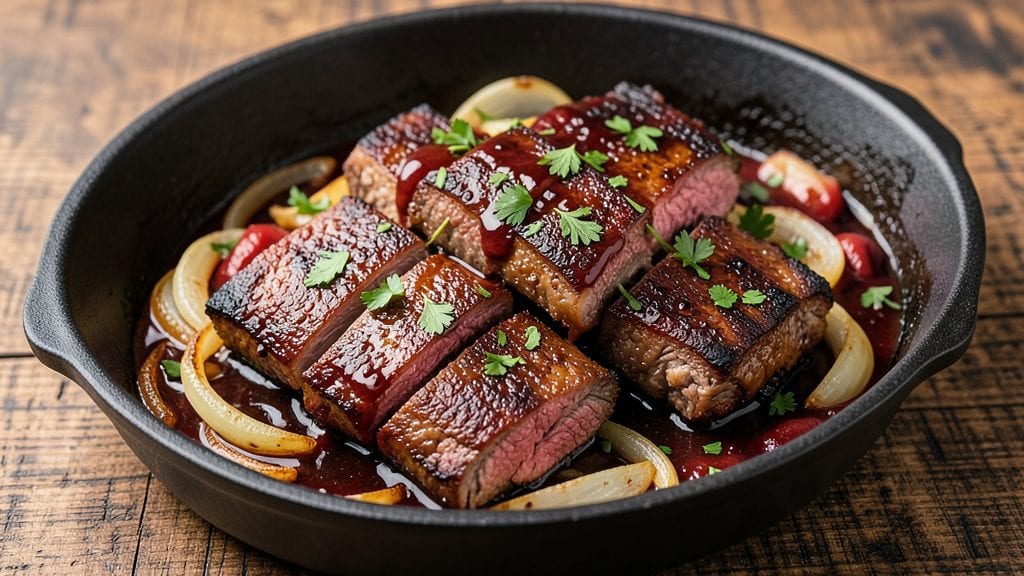
This beef short ribs Guinness recipe transforms tough cuts into melt-in-your-mouth perfection through slow braising and the rich depth of stout. The secret lies in searing the ribs first to lock in flavor, then letting them simmer for hours in Guinness until tender and infused with its malty, caramelized essence.
I developed this method after years of experimenting with braising techniques, and it consistently delivers restaurant-quality results at home.
The Guinness isn't just a liquid—it's the heart of the dish, caramelizing into a glossy, slightly sweet sauce that clings to every bite. Paired with caramelized onions that form a crispy crust on top, these ribs become a showstopper that pairs beautifully with creamy mashed potatoes or crusty bread.
The braising process simplifies what might seem intimidating, turning a weeknight into a special occasion.
What makes this recipe truly foolproof is the balance of technique and patience. You'll start with a hot sear to develop deep flavor, then let the slow cooker or oven work its magic while you prepare sides.
The result is fall-apart tender beef with a sauce so rich and complex it rivals any pub dish. Each bite delivers layers of umami from the Guinness, sweetness from the onions, and the inherent richness of the beef.
Serve these ribs with a side of roasted vegetables or buttery mashed potatoes to soak up every last drop of that Guinness-infused sauce. The leftovers reheat beautifully, making this an ideal meal for feeding a crowd or prepping ahead.
Here's how to achieve this perfect balance of texture and flavor in your kitchen.
Ingredients for beef short ribs guinness
Rich, malty Guinness and tender beef ribs create a showstopper dish with caramelized onions on top.
| Ingredient | Amount | Notes |
|---|---|---|
| Beef Short Ribs 🥩 | 2 ½ lb | Bone-in, 1-1.5 inch thick |
| Guinness Stout 🍺 | 2 cups | Full-bodied, not light |
| Yellow Onions 🧅 | 2 whole | Thinly sliced for caramelizing |
| Garlic Cloves 🧄 | 6 cloves | Smashed, not minced |
| Tomato Paste 🍅 | 2 tbsp | Smooth, no sugar added |
| Beef Broth 💧 | 1 cup | Low-sodium preferred |
| Worcestershire Sauce 🍯 | 2 tbsp | Full-strength, not reduced |
| Thyme Leaves 🌿 | 1 tbsp | Fresh, stems removed |
| Bay Leaves 🍃 | 2 whole | Dried, standard size |
| Black Peppercorns 🌶️ | 1 tsp | Coarsely cracked |
| Kosher Salt 🧂 | 1 ½ tbsp | For seasoning and braising |
| Olive Oil 🫒 | 2 tbsp | High smoke point |
| Brown Sugar 🍚 | 1 tbsp | Light, for caramelization |
| Balsamic Vinegar 🍷 | 1 tbsp | Aged, for depth |
The ribs are everything here—bone-in, 1-1.5 inch thick cuts from the chuck or plate section. Costco or Whole Foods usually carry them pre-cut, but if you're buying whole, look for good marbling and ask the butcher to cut them evenly. Guinness matters too—full-bodied stout, not that light stuff. I grab mine from the beer fridge at Trader Joe's when I'm making this, but any good Irish stout works. The onions? Yellow for sweetness, not red—they caramelize better and hold their shape.
No Guinness? Substitute with beef broth plus 1 tbsp molasses for depth, but you'll lose that malty richness. Fresh thyme is ideal, but dried works at half the amount. The tomato paste can be from a tube—Trader Joe's squeeze bottles are perfect for this. No Worcestershire? Soy sauce plus a pinch of sugar gets you close. The brown sugar and balsamic vinegar combo is non-negotiable for that caramelized crust—don't skip it. And for the love of ribs, use kosher salt, not table salt. It dissolves better and tastes cleaner.
This braise reheats even better than the first time—honestly, the flavors meld overnight. Keeps 4-5 days in the fridge, freezes for 3 months if you portion it properly. I like to store the ribs and sauce separately so I can reheat just what I need. The caramelized onions? Use them immediately or store them in the fridge for 3 days—they lose crispness fast. Double the batch if you can—leftovers make amazing sandwiches.
Why You'll Love This Recipe
- One-Pot Magic: I swear by this—just sear the ribs, dump in the onions, garlic, and tomato paste, then let the Guinness do its thing. No extra pans, no stress.
- Rich Without Effort: That first sip of the Guinness-infused sauce? It’s like a hug in a bowl. The deep maltiness cuts through the beef’s richness, and the caramelized onions add this sweet, smoky depth that’s dangerously easy to overcook.
- Weeknight Hero: Between us, this is my go-to when I’m too tired to fuss. Toss the ribs in the slow cooker in the morning, come home to a meal that’s basically done, and serve it with mashed potatoes or crusty bread—instant dinner party vibes.
- Leftover Luxury: Here’s what sold me—this tastes better the next day. The sauce thickens, the flavors meld, and you’ve got a freezer-friendly, budget-smart meal that feeds a crowd (or just me, three times in a row).
Step-by-step instructions for beef short ribs Guinness braise
Here's the method that transforms tough short ribs into melt-in-your-mouth perfection.
Sear the Short Ribs for Deep Flavor
Heat the 2 tablespoons olive oil in a heavy Dutch oven over medium-high heat until shimmering. Pat the 2.5 pounds beef short ribs completely dry with paper towels - this ensures maximum browning. Season both sides generously with 1.5 tablespoons kosher salt and 1 teaspoon coarsely cracked black peppercorns.
Working in batches if needed, sear the ribs for 3-4 minutes per side until deep golden brown with crispy edges. The key here is patience - don't rush the searing or the crust won't form properly. Transfer the seared ribs to a plate and set aside. You'll want to maintain that high heat until the oil is visibly shimmering again before adding more ribs.
Caramelize Onions and Build the Base
In the same Dutch oven, reduce heat to medium and add the 2 whole yellow onions, sliced thinly. Cook for 15-20 minutes, stirring occasionally, until deeply caramelized with a rich amber color. This step takes time - resist the urge to rush or you'll end up with pale onions instead of sweet, jammy caramelized onions.
Add the 6 smashed garlic cloves and cook for 30 seconds until fragrant. Stir in the 2 tablespoons tomato paste and cook for 1 minute to remove the raw taste. Here's where we're building that complex flavor foundation - the caramelized onions will form a crust at the bottom of your braise that adds incredible depth to every bite.
Deglaze and Simmer the Braise
Pour in the 2 cups Guinness stout, scraping up all those browned bits from the bottom of the pot. This deglazing step captures all that meaty flavor you worked so hard to develop. Add the 1 cup beef broth, 2 tablespoons Worcestershire sauce, 1 tablespoon thyme leaves, 2 whole bay leaves, 1 tablespoon brown sugar, and 1 tablespoon balsamic vinegar. Stir well to combine all ingredients.
Return the seared short ribs to the pot, bone-side up. Bring to a gentle simmer over medium-low heat, then reduce to low heat and cover partially. The liquid should barely bubble at the edges - you're looking for a slow, steady cook that will break down the connective tissue in the ribs. Simmer for 2.5-3 hours until the meat is fork-tender and easily pulls away from the bone.
Finish and Rest for Maximum Tenderness
Once the ribs are tender, increase heat to medium and simmer uncovered for 10-15 minutes to reduce the sauce slightly and develop more flavor. The sauce should coat the back of a spoon but still be saucy enough to spoon over each serving. Taste and adjust seasoning if needed - you might need a bit more salt or a splash of vinegar to balance the flavors.
Transfer the ribs to a serving platter and tent loosely with foil. Let them rest for 10 minutes before serving. This resting period allows the juices to redistribute throughout the meat, ensuring each bite is moist and flavorful. Skim any excess fat from the sauce in the Dutch oven and serve the braising liquid ladled over the short ribs with crusty bread to soak up every last bit.
Pro Tips For Making Beef Short Ribs Guinness
- SEAR THE RIBS HARD: I used to worry about burning the edges when searing—now I blast them on high heat until they’re deep brown, almost black in spots. That crust is what holds the Guinness sauce together later, so don’t skimp. A cast-iron or heavy skillet is your friend here.
- SWEAT ONIONS LOW AND SLOW: After chopping onions, cook them on medium-low with a splash of water or beer (yes, even before adding oil) for 10 minutes. This melts them down into a jammy base that won’t turn to mush when the Guinness hits. Trust me, your sauce will thank you.
- DEGLAZE WITH GUINNESS IMMEDIATELY: As soon as you remove the ribs, pour in the full bottle of Guinness right away—don’t wait. The residual heat will help lift all those browned bits from the pan, giving your sauce depth and richness. Scrape every inch with a wooden spoon while it’s hot.
- SKIP THE PASTE SHORTAGE: If you’re short on tomato paste, blend 2-3 sun-dried tomatoes (oil-packed) with a splash of water until smooth, then use that instead. It adds umami and prevents the sauce from tasting flat. I learned this the hard way when I forgot paste mid-recipe.
Troubleshooting this dish
Ribs Too Tough?
If your short ribs aren’t tender after 3 hours of braising, increase the liquid slightly by adding ½ cup more beef broth and cook uncovered for another 30-45 minutes.
The Guinness should be reduced but not evaporated—it needs moisture to break down collagen. I’ve found that bone-in ribs take 30-60 minutes longer than boneless, so adjust accordingly. 💡
Guinness Not Infusing?
If your sauce lacks Guinness depth, try adding 1 extra tablespoon of Worcestershire sauce and ½ teaspoon of smoked paprika during the final 15 minutes of simmering. The key is patience—don’t rush the reduction.
I once forgot to add the balsamic vinegar until the end, and the sauce tasted flat. Always taste as you go! 🍺
Sauce Too Thin?
For a thicker sauce, remove the ribs and simmer the braising liquid uncovered for 10-15 minutes until reduced by ⅓. If it’s still too thin, mash 1 tablespoon cornstarch with 2 tablespoons cold water, stir into the sauce, and simmer until thickened.
Avoid over-reducing or the sauce will turn bitter. 🥄
Onions Burning?
If your caramelized onions burn before reaching deep amber, reduce the heat to low and stir more frequently. Cover the pot loosely with a lid to trap steam and prevent browning too quickly.
I’ve ruined onions this way by walking away—set a timer for 15 minutes and check every 5 minutes. 🧅
Meat Too Salty?
If the ribs taste overly salty, balance it with 1 tablespoon lemon juice or 1 teaspoon apple cider vinegar during the final 10 minutes of cooking. The acidity cuts through the salt without overpowering the Guinness. I’ve also added a pinch of sugar to offset saltiness when needed. 💪
Leftovers Dry?
Reheat leftovers with 2 tablespoons beef broth per serving in a skillet over medium-low heat for 5-7 minutes. Avoid microwaving—it dries out the meat. If the sauce is too thick, add a splash of Guinness or water to loosen it.
I reheat ribs in the same Dutch oven I braised them in for best results. ✨
Nutrition facts
Frequently asked questions
Can I use a slow cooker for this Guinness short rib recipe?
For a slow cooker version, sear the ribs as directed, then transfer everything to the slow cooker. Cook on low for 8 hours or high for 5-6 hours until tender. The sauce will be less reduced, so finish by simmering it uncovered on the stove for 10-15 minutes after removing the ribs. The slow cooker makes this a perfect hands-off meal for busy weeknights.
What's the best way to store and reheat leftovers?
Store leftovers in an airtight container in the fridge for up to 4-5 days. To reheat, place ribs and sauce in a skillet over medium-low heat with 2 tablespoons beef broth per serving for 5-7 minutes. Never microwave—it turns the meat dry. For extra richness, add a splash of Guinness when reheating. The sauce actually improves overnight!
How do I adjust this recipe for a larger crowd?
Double the recipe and use a 6-quart Dutch oven or two 3-quart pots. For 8 servings, use 5 pounds ribs, 4 cups Guinness, and 2 cups beef broth. Increase braising time to 3.5-4 hours to ensure tenderness. The caramelized onions will take longer—plan for 30-40 minutes of cooking time.
Can I substitute Guinness with another beer or broth?
For best results, use a full-bodied stout like Guinness or a dark ale. If you must substitute, use 2 cups beef broth plus 1 tablespoon molasses for depth. Avoid light beers—they lack the malty richness that balances the beef's fat. The balsamic vinegar and brown sugar help replicate some of the caramel notes, but nothing beats the real thing.
Why do my caramelized onions turn bitter?
Onions turn bitter when cooked too long at high heat. Keep the heat at low-medium and stir frequently. Cover loosely with a lid to trap steam and prevent burning. The onions should take 15-20 minutes to reach deep amber. If they start to darken too quickly, remove them from the pan and set aside. Patience is key here—rushed onions ruin the whole dish!