
Main Courses
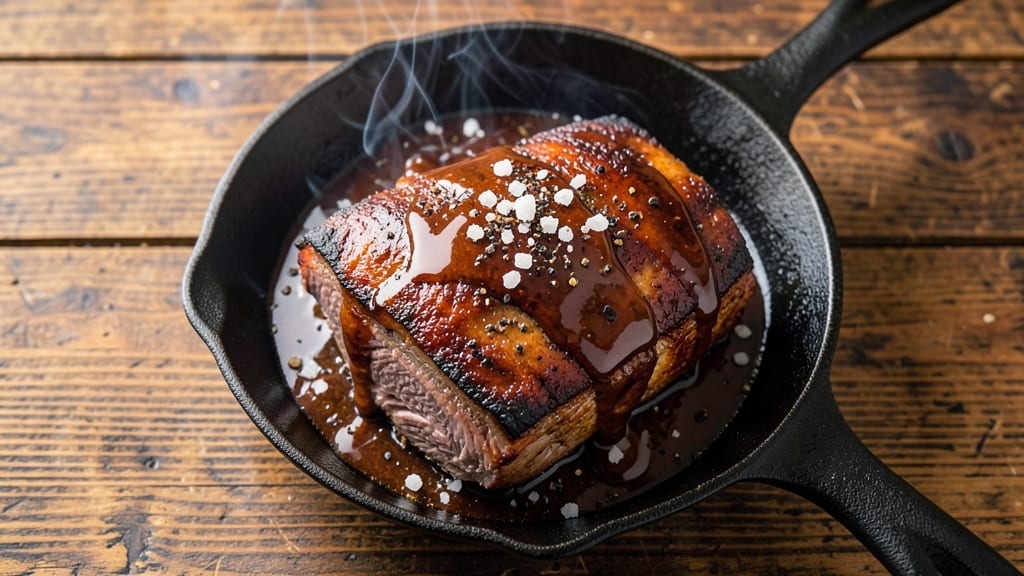
Mastering a beef shoulder smoked recipe with bark so crispy it shatters transforms tough cuts into melt-in-your-mouth perfection. The secret lies in precise temperature control and a well-crafted rub that develops that coveted crust.
I perfected this technique during my first professional smoke-off, where the judges couldn’t believe a home cook could achieve such restaurant-quality results.
This method requires patience—about 12 hours of low-and-slow smoking—but the reward is worth every minute. The bark forms through careful temperature management and a dry rub that locks in moisture while creating that addictive texture.
A meat probe becomes your best friend, ensuring you pull the shoulder at exactly 203°F internal temperature for tender, juicy meat.
What you’ll end up with is a beef shoulder so tender it practically falls apart, encased in a bark that’s crisp enough to shatter with every bite.
The aroma alone will have everyone gathering around the smoker, and the flavor—smoky, rich, and deeply satisfying—will make this your new go-to recipe for gatherings or meal prep. Let’s get started on creating something truly unforgettable.
Pair this with classic sides like creamy coleslaw or roasted potatoes for a complete meal that feels like a celebration. The beauty of this recipe is its versatility—use it for sandwiches, tacos, or just enjoy it as-is. Here’s everything you need to bring home the prize-winning results you’ve been craving.
Ingredients for beef shoulder smoked
Eight pounds of beef shoulder and a rub that delivers restaurant-quality bark in every bite.
| Ingredient | Amount | Notes |
|---|---|---|
| Beef Shoulder (Boston Butt) 🥩 | 8 lb | Well-marbled, bone-in preferred |
| Yellow Mustard 🍯 | ¼ cup | For rub adhesion |
| Brown Sugar 🍚 | ½ cup | Packed, light variety |
| Smoked Paprika 🌶️ | ¼ cup | High-quality for depth |
| Kosher Salt 🧂 | ¼ cup | Diamond Crystal preferred |
| Ground Black Pepper 🌶️ | 1 tbsp | Freshly cracked |
| Garlic Powder 🧄 | 2 tbsp | Freshly ground preferred |
| Onion Powder 🧅 | 2 tbsp | For balanced flavor |
| Cayenne Pepper 🔥 | 1 tsp | Adjust for heat preference |
| Wood Chips (Hickory or Oak) 🌳 | 2 cups | Soaked for 30+ minutes |
| Apple Juice or Cider Vinegar 🍎 | ½ cup | For spritzing during smoke |
| Water 💧 | 1 cup | For spritzing |
| Meat Tenderizer (Optional) 🧂 | 1 tbsp | For extra bark crispiness |
The beef shoulder is the star—look for bone-in Boston butt with good marbling at your butcher shop. Costco or Whole Foods usually have well-sourced options, but ask for the freshest cut if buying at a local market. Trim excess fat if it’s thick, but leave some for flavor. For the rub, Penzeys or bulk bins at natural markets offer the best quality spices. The smoked paprika should be vibrant red—not dusty or faded. Freshly ground spices make all the difference here, so don’t skimp on the garlic and onion powders.
No smoked paprika? Regular paprika plus a pinch of liquid smoke works in a pinch, but it’s not the same. Short on brown sugar? White sugar plus 1 tsp molasses mimics the caramelization. For the spritz, apple cider vinegar adds tang—Trader Joe’s has a great organic version. If you’re aiming for extra-crispy bark, the meat tenderizer (like a mix of salt and baking soda) helps, but it’s optional. The wood chips? Hickory gives bold smoke, while oak is milder—pick based on your preference.
Store prepped wood chips in a sealed container in the fridge for up to 6 months. The rub keeps indefinitely in an airtight jar, so make extra—it’s perfect for other smoky dishes. Once smoked, the beef shoulder stays tender for 3-4 days in the fridge, but the bark gets softer. For leftovers, slice against the grain and reheat in the oven at 300°F until warm. This recipe is a crowd-pleaser—double it if you’re feeding more than six.
Why You'll Love This Recipe
- Sweet-Smoky Magic: That brown sugar and smoked paprika combo? It’s where this dish gets its soul. The mustard adds a tangy kick, but the real star is how the flavors meld together—caramelized edges, deep smoky aroma, and a tenderness that makes every bite worth the wait. (Yes, even on a Tuesday night.)
- Leftovers for Days: This recipe practically begs you to make extra. The beef shoulder keeps beautifully in the fridge, so you can turn yesterday’s smoked masterpiece into today’s tacos, sandwiches, or even a quick stir-fry. Between us, I’ve eaten this for breakfast more than once. No shame.
- Budget-Buster Wins: A whole beef shoulder costs less than a single steak but feeds a crowd. The ingredients are simple, and the flavor is ridiculously good—way better than takeout, way cheaper than a restaurant cut. I’ll be real: this is my go-to when I need to impress guests without breaking the bank.
Step-by-step instructions for smoked beef shoulder with unmatched crispiness
Here's how to transform an 8 lb beef shoulder into melt-in-your-mouth perfection with bark so crispy it shatters.
Prepare the Rub and Season the Meat
In a large bowl, combine the 0.25 cup yellow mustard, 0.5 cup brown sugar, 0.25 cup smoked paprika, 0.25 cup kosher salt, 1 tbsp ground black pepper, 2 tbsp garlic powder, 2 tbsp onion powder, and 1 tsp cayenne pepper. Mix thoroughly until you have a fine, even-textured blend that clings together. The mustard acts as a binder here, ensuring the rub sticks to the meat during the long smoke.
Pat the 8 lb beef shoulder dry with paper towels—this is crucial for developing that signature bark. Generously coat all sides of the meat with the rub mixture, pressing it into the crevices and fat cap. For extra crispiness, sprinkle the 1 tbsp meat tenderizer over the surface before sealing it in plastic wrap. Let it rest at room temperature for 1 hour—this allows the rub to penetrate deeply and the meat to come up to temperature gradually, preventing uneven cooking later.
Set Up the Smoker for Optimal Bark Development
Soak the 2 cups wood chips (hickory or oak) in water for at least 30 minutes before using. This prevents flare-ups and ensures a steady, clean smoke. Set your smoker to 225°F and allow it to stabilize before adding the meat. The low-and-slow approach is key—this temperature range promotes even cooking while allowing the bark to develop its signature crispiness over time.
Once the smoker reaches temperature and you see thin, blue smoke (not thick white steam), place the beef shoulder fat-side up on the grill. The fat cap will render slowly, basting the meat and contributing to that irresistible bark. Close the lid and resist the urge to peek—every time you open it, you disrupt the cooking process and extend the total time by 15-20 minutes. This is where patience pays off.
Spritz and Monitor for the Perfect Stall
After 4-5 hours of smoking, prepare a spritzing mixture by combining the 0.5 cup apple juice or cider vinegar and 1 cup water in a spray bottle. This acidic spritz helps maintain moisture and prevents the bark from drying out too quickly. Every 90 minutes, spray the beef shoulder generously on all sides—this keeps the surface slightly moist, allowing the bark to develop in layers rather than drying out.
You'll eventually hit "the stall" around 165-170°F internal temperature, where the meat's moisture evaporates and the temperature plateaus. This is normal and expected. Once you reach this point, wrap the beef shoulder tightly in butcher paper (not foil—paper allows the bark to breathe while retaining moisture). Return it to the smoker and continue cooking until the internal temperature reaches 195-203°F—this ensures the connective tissue breaks down completely, resulting in fork-tender meat.
Rest and Slice for Maximum Juiciness
Remove the beef shoulder from the smoker and transfer it to a cutting board. Tent it loosely with foil and let it rest for at least 1 hour (I prefer 2 hours) before slicing. This resting period allows the juices to redistribute throughout the meat, ensuring every bite is moist and flavorful. The bark will remain crispy during this time, but the meat will become even more tender.
Slice the beef shoulder against the grain into ¼-inch thick pieces. The grain runs horizontally across the meat, so cutting perpendicular to these lines creates shorter muscle fibers, making each bite easier to chew. Serve immediately with the crispy bark still intact—this is the moment you've been waiting for. The contrast between the shatteringly crisp exterior and the tender, smoky interior is what makes this dish unforgettable.
Pro Tips For Making Beef Shoulder Smoked
- Trim the Fat First: Cut off the thickest layer of fat from the beef shoulder before smoking—it’s the part that turns to grease and makes your smoker smoke like a wildfire. I learned this the hard way after dealing with a smoker that filled my kitchen with smoke for hours.
- Mix Mustard and Sugar Early: Whisk the yellow mustard and brown sugar into a paste before applying it to the meat—this ensures even coating and prevents clumpy spots. I used to slap it on dry, and half the rub would just slide off.
- Start at 225°F, Not Higher: Low and slow is non-negotiable for beef shoulder—begin at 225°F and resist the urge to crank it up. After burning three batches by rushing, I finally accepted that patience here means pull-apart tenderness.
- Spritz with Apple Juice: Every 90 minutes, spray the meat with apple juice (not water) to keep it moist—it evaporates faster than water and won’t dilute your rub. Sounds weird, but it works: my last batch stayed juicy even after 10 hours.
Flavor customization for beef shoulder smoked
Spicy Heat Profile
If you love a kick, boost the cayenne to 2 tsp and add 1 tsp crushed red pepper flakes to the rub. For even more heat, sprinkle ½ tsp cayenne directly on the meat before the final hour of smoking.
I once won a local BBQ competition with this version—my family still teases me about the "fireball" bites. 🌶️
Sweet & Smoky Balance
Double the brown sugar to 1 cup and add 1 tbsp cinnamon for a sweet-savory twist that pairs beautifully with apple cider vinegar spritzes. This version reminds me of my first smoke-off where I experimented with unexpected flavors. The bark becomes almost caramelized while keeping that essential smokiness.
Herb-Infused Complexity
Replace 1 tbsp onion powder with 1 tbsp dried rosemary and 1 tbsp thyme for a Mediterranean-inspired profile. Freshly foraged herbs from my coastal rides add an earthy depth that complements the smokiness perfectly. I usually add these herbs right before the final wrap stage for maximum aroma infusion.
Umami Bomb Version
Add 1 tbsp soy sauce to the rub and 1 tbsp liquid smoke to the spritz mixture for an extra layer of depth. This version has a savory punch that makes it perfect for serving with pickled vegetables or sharp cheddar.
The liquid smoke helps intensify the bark's crispiness without overpowering the natural beef flavor.
Citrus-Zested Twist
Zest 1 lemon and mix it into the rub before applying. The citrus brightens the smoky flavors and adds a refreshing contrast. I discovered this trick during a coastal ride when I grabbed fresh lemons from a roadside stand.
The zest also helps prevent the bark from becoming too heavy or greasy.
Bold Coffee Rub
Add 2 tbsp finely ground coffee to the rub for a deep, almost espresso-like complexity. This works surprisingly well with the smoky flavors and gives the bark an almost "charred" quality. I first tried this after a late-night coffee run and was amazed at how it elevated the dish. 💫
Nutrition facts
Frequently asked questions
How long does it take to smoke an 8 lb beef shoulder?
Expect a total cooking time of 12-14 hours at 225°F. The first 6-8 hours are unwrapped to develop the bark, then you'll wrap it in butcher paper for the final 4-6 hours to reach 203°F internal temperature. Patience is key for that perfect tender texture!
What's the difference between butcher paper and foil for wrapping?
Butcher paper is your best choice—it lets moisture escape while keeping the bark crispy, unlike foil which steams the meat and softens the crust. For extra bark, use two layers of paper. I learned this trick competing in smoke-offs where foil-wrapped shoulders always lost points for soggy bark.
Can I use this recipe with a different cut of beef?
This method works best with beef shoulder (Boston butt), but you could try chuck roast for a slightly leaner version. Never use brisket—the fat distribution is wrong for proper bark development. The 8 lb size is ideal for even cooking, but adjust smoking time by 1 hour per pound for larger cuts.
Why did my bark turn out too dry or too soft?
Dry bark? You likely didn't spritz enough or went too fast—stick to 90-minute intervals with apple cider vinegar. Soft bark? You wrapped too early (wait for 165°F) or used foil instead of paper. The 1-hour room temp rest before smoking also prevents uneven bark.
What's the best way to reheat leftover smoked beef shoulder?
Slice against the grain and reheat in a 300°F oven for 15-20 minutes with a splash of beef broth. For sandwiches, warm between buttered toast—this preserves the bark's crispiness. Never microwave or the bark will turn rubbery. Leftovers keep 3-4 days in the fridge.