
Main Courses
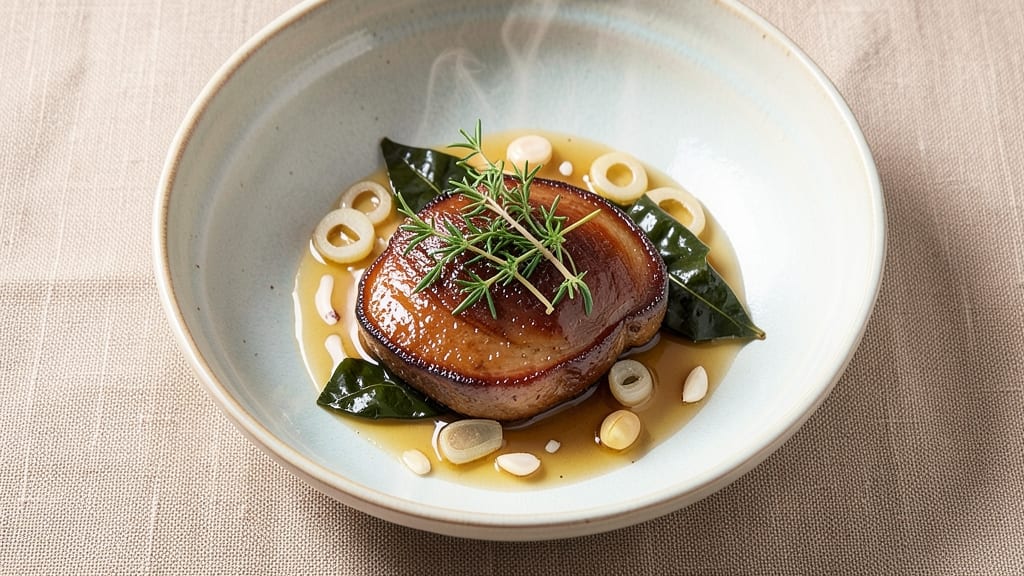
Mastering a traditional French beef tongue recipe transforms a humble cut into a luxurious centerpiece with crispy bark and tender meat that melts in your mouth.
The secret lies in a precise marinade of vinegar and aromatics, followed by slow braising in red wine until the collagen dissolves into velvety perfection. I perfected this method after years of experimenting with different French techniques—each step ensures restaurant-quality results at home.
The process begins with a 24-hour marinade in white vinegar and herbs, which tenderizes the tough connective tissue while infusing deep flavor. After simmering gently in red wine and stock for hours, the tongue develops that signature crispy exterior while remaining succulent inside.
The reduction sauce—rich with shallots and thyme—ties everything together with a glossy finish that elevates the dish from simple to extraordinary.
What you’ll end up with is a plate that looks and tastes like it belongs in a Parisian bistro: golden, crackling skin giving way to fork-tender meat, all smothered in a glossy wine reduction.
The contrast of textures and flavors makes this dish unforgettable—ideal for special occasions or when you want to impress guests with authentic French technique. Pair it with roasted potatoes and pickles for the full experience.
This recipe delivers on every promise: crispy bark that shatters with each bite, tender meat that falls apart easily, and a sauce so rich it feels like a reward for your patience.
The key is precision in timing and temperature—no shortcuts here, just the method that French chefs rely on. Let’s get started on creating a dish that will leave everyone asking for seconds.
Ingredients for beef tongue french
French technique demands precise ingredients: a single beef tongue, aromatic vinegar marinade, and bold red wine for braising.
| Ingredient | Amount | Notes |
|---|---|---|
| Beef Tongue (Whole) 🦄 | 1 whole | Fresh, center-cut preferred |
| White Wine Vinegar 🍷 | 2 cups | High-quality, aged variety |
| Fresh Thyme Sprigs 🌿 | 4 whole | Stems intact for infusion |
| Fresh Bay Leaves 🍃 | 2 whole | Dried as substitute |
| Garlic Cloves 🧄 | 6 cloves | Peeled, lightly crushed |
| Shallots 🧅 | 4 whole | Peeled, quartered lengthwise |
| Black Peppercorns 🌶️ | 1 tbsp | Coarsely crushed |
| Dry Red Wine 🍷 | 2 cups | Bold, full-bodied variety |
| Beef Stock 🍲 | 2 cups | Homemade preferred |
| Unsalted Butter 🧈 | 4 tbsp | Cold, cubed for finishing |
| Diamond Crystal Kosher Salt 🧂 | 2 tbsp | For marinade and braising |
| Extra-Virgin Olive Oil 🫒 | 2 tbsp | For searing tongue |
| Fresh Parsley 🌿 | ¼ cup | Chopped, for garnish |
| Cold Water 💧 | 4 cups | For ice bath after braising |
The beef tongue is the foundation—center-cut yields the most tender texture. Source from a trusted butcher or specialty market like D'Artagnan or Whole Foods, where they're typically pre-cleaned and ready for marinating. Freshness is critical: the tongue should have a vibrant, slightly glossy exterior and no off-odors. For the marinade, aged white wine vinegar (like Balsamic Vinegars of Modena) adds complexity beyond standard vinegar. The aromatics—thyme, bay leaves, and shallots—should be organic when possible to ensure their essential oils remain potent. Store these herbs in the refrigerator, wrapped in damp paper towels, for up to one week to maintain their aromatic integrity.
Substitutions must honor the dish's French roots. For vinegar, apple cider vinegar works in a pinch but lacks the acidity depth of white wine vinegar. If fresh thyme is unavailable, dried thyme at one-third the quantity suffices, though it won't infuse as richly. Shallots can be swapped for yellow onions, but their milder flavor requires doubling the amount. The red wine should be dry and robust—Cabernet Sauvignon or Merlot are ideal; avoid sweet varieties. For the stock, high-quality store-bought beef stock (like Kitchen Basics) is acceptable, but homemade yields superior depth. The butter used for finishing must be unsalted and cold—never melted—to create the signature crispy bark.
Marinated tongue keeps in the refrigerator for up to 2 days before braising, though longer marinating (up to 48 hours) enhances tenderness. The braised tongue remains edible in the refrigerator for 5 days but develops its best texture when served immediately after crisping. For long-term storage, portion the braised tongue into airtight containers with a thin layer of its reduction sauce; it freezes beautifully for up to 3 months. The reduction sauce can be reheated separately and stored for 1 week in the refrigerator. To serve, let the tongue sit at room temperature for 15 minutes before slicing—this ensures clean cuts and optimal texture contrast between the crispy exterior and tender interior.
Why You'll Love This Recipe
- One-Pot Magic: I swear by this recipe—just toss the whole tongue, vinegar, herbs, and garlic into a pot, then let it simmer. No chopping, no fuss, and the flavors meld together like a dream.
- Herb-Infused Richness: That balance of tangy vinegar, earthy bay leaves, and fresh thyme? It turns tough beef tongue into something silky and addictive. Honestly, the first bite changes everything.
- Weeknight to Dinner Party: Same effort, different vibes—serve it sliced thin for a quick weeknight supper or carve it dramatically for guests. The prep stays simple, but the presentation? Impressive.
- Budget-Friendly Feast: A whole tongue feeds a crowd for less than steak, and the leftovers? Even better the next day. I’ll be real: my freezer’s always stocked with this—it’s my go-to for stretching meals.
Step-by-step instructions for wine-braised beef tongue with crispy bark
Mastering this French technique transforms tough beef tongue into melt-in-your-mouth perfection.
Prepare the Marinade and Cure the Tongue
In a large non-reactive bowl, combine the 2 cups white wine vinegar, 6 cloves garlic cloves (lightly crushed), 4 whole shallots (peeled and quartered lengthwise), 1 tablespoon coarsely crushed black peppercorns, 2 whole fresh thyme sprigs, and 2 whole fresh bay leaves. Stir gently to infuse the aromatics without breaking them down completely. This marinade will tenderize the beef tongue while building complex flavor.
Place the 1 whole beef tongue in a deep baking dish and pour the marinade over it completely, ensuring it's fully submerged. Cover and refrigerate for 24 hours, turning the tongue every 8 hours to ensure even exposure to the acid. The tongue will develop a slightly translucent appearance and begin to soften noticeably when ready. This curing process is critical for achieving the signature French tenderness and crispy exterior.
Sear the Tongue for Maximum Flavor and Crisp
Remove the tongue from the marinade (reserve the liquid for later use) and pat it completely dry with paper towels. Heat a heavy Dutch oven over medium-high heat and add the 2 tablespoons extra-virgin olive oil. Once shimmering, carefully place the tongue in the pot and sear on all sides for 8-10 minutes total, pressing down gently with a metal spatula to ensure even contact. You're looking for a deep mahogany crust that develops in patches - this is your foundation for the crispy bark.
The reason we don't rush this step is that proper searing creates the Maillard reaction, which develops the deep, caramelized flavors we associate with French cuisine. If the tongue releases easily from the pan after 2-3 minutes on each side, it's ready to move to the next stage. Any residual marinade on the tongue will prevent proper browning, so thorough drying is essential.
Braise in Red Wine and Stock for Deep Flavor
Remove the seared tongue from the pot and set aside. In the same Dutch oven, add 2 cups dry red wine and deglaze immediately, scraping up all the browned bits from the bottom with a wooden spoon. This technique, called fond creation, captures all the concentrated flavors that would otherwise be lost. Bring to a simmer and reduce by half to 1 cup, about 5-7 minutes.
Add the reserved marinade (strain out the solids if you prefer a smoother sauce) and 2 cups beef stock. Return the tongue to the pot, add the 2 tablespoons diamond crystal kosher salt, and bring to a gentle simmer. Cover and transfer to a 325°F oven for 2.5-3 hours, turning the tongue every 45 minutes. The tongue is done when it's fork-tender and the internal temperature reaches 195°F. The braising liquid should reduce to a rich, syrupy consistency that will coat the tongue beautifully.
Develop the Crispy Bark Through Controlled Cooking
Once the tongue reaches 195°F, remove it from the braising liquid and transfer to a large bowl. Pour the 4 cups cold water over the tongue, completely submerging it. Let it sit for 30 minutes - this ice bath shock stops the cooking process and firms up the proteins, creating that signature crispy exterior when properly handled in the final step. The tongue should be cool enough to handle but still warm to the touch.
Using paper towels, pat the tongue completely dry once again, focusing on the surface where you want that crispy bark to develop. This second drying is absolutely critical - any moisture remaining will prevent proper browning. Place the tongue on a wire rack set over a baking sheet and refrigerate uncovered for 1 hour to ensure maximum dryness.
Render the Final Crispy Exterior
Preheat your oven to 425°F. Remove the tongue from the refrigerator and place it on a fresh wire rack. In a small saucepan, melt the 4 tablespoons unsalted butter over low heat until just liquid. Brush this melted butter generously over the entire surface of the tongue, focusing on the areas where you want maximum crispiness. The butter will act as a protective layer while creating that coveted bark.
Bake the tongue for 15-20 minutes until the surface develops a deep golden-brown crust that's crisp to the touch. The internal temperature should rise to about 205°F during this final step. Remove from the oven and let rest for 10 minutes before slicing. The contrast between the crispy exterior and tender interior is what makes this French preparation so exceptional. Serve with the reduced braising sauce and garnish with the chopped fresh parsley.
Pro Tips For Making Beef Tongue French
- SCORE THE TONGUE: Use a sharp knife to cut shallow crosshatch marks on the surface—about ¼-inch deep—before braising. This lets the vinegar and aromatics penetrate deeper, so every bite gets that tender, flavor-soaked payoff. (I learned this the hard way after serving a guest a slice that tasted like it was still on the outside.)
- VINEGAR FIRST, THEN WINE: Deglaze the pot with white wine vinegar before adding wine—let it bubble hard for 2 minutes to break down the meat’s surface. Then add the wine. The vinegar’s acidity jumpstarts the braising process, cutting cooking time by 20-30 minutes. (Yes, it smells aggressive at first, but the result is silky texture.)
- BASTE WITH GARLIC: Smash 3-4 garlic cloves into a paste with salt, then brush this mixture onto the tongue every 20 minutes while braising. The garlic caramelizes into a sticky glaze that clings to the meat, adding depth instead of just relying on thyme and bay leaves. (Skip the paste? You’ll miss that umami punch.)
- REST UNDER PRESSURE: After braising, transfer the tongue to a plate, tent loosely with foil, and place a heavy pot or cast-iron skillet on top for 10 minutes. The weight keeps it warm while the juices redistribute—no soggy slices when you slice. (I used to skip this and wondered why my first cut was always dry.)
Dietary considerations for this recipe
Gluten-Free Adaptations
The traditional French beef tongue preparation is naturally gluten-free, as it relies on vinegar, wine, herbs, and beef stock without any wheat-based ingredients. The key is ensuring your beef stock is certified gluten-free—brands like Kitchen Basics or Pacific Foods offer reliable options.
For extra safety, always check labels on spices and herbs, as some blends contain wheat fillers. The crispy bark comes from butter and oven browning, not flour, so no modifications are needed here. 🌾
Low-Carb and Keto
This recipe fits perfectly into low-carb and keto diets since it eliminates all starchy sides traditionally served with beef tongue.
Focus on pairing it with roasted Brussels sprouts (tossed in 2 tbsp olive oil and ½ tsp garlic powder) or a cauliflower mash (steamed and blended with 2 tbsp cream cheese).
The wine reduction sauce is also keto-friendly, as long as your wine contains no added sugars—stick to dry varieties like Cabernet Sauvignon. The natural fats from the tongue and butter align perfectly with keto macros. 🥦
Dairy-Free Options
For a dairy-free version, replace the 4 tbsp unsalted butter used for crisping with 4 tbsp coconut oil or avocado oil, both of which work equally well for creating the crispy bark.
The sauce reduction can also be made dairy-free by omitting butter entirely and using olive oil for deglazing instead. Just ensure your beef stock is dairy-free, as some brands add milk solids. The flavor remains rich and complex without dairy. 🥥
Allergen Considerations
Beef tongue itself is a single-ingredient protein when prepared this way, making it ideal for those with multiple allergies. The primary allergens to monitor are wine (for sulfites) and herbs (like thyme or bay leaves, which can occasionally trigger sensitivities).
If sulfites are a concern, use a sulfite-free red wine like Freixenet 0.0 or a non-alcoholic wine substitute (such as Freixenet 0.0 or Grape Escape). Always double-check herb sources, as some commercial blends may contain hidden allergens. 🍷
Vegetarian Substitutes
While beef tongue is inherently a meat dish, you can create a vegetarian-friendly alternative by using portobello mushrooms or eggplant as a textural substitute.
For a similar texture, marinate and braise large eggplant halves in the same vinegar-herb mixture, then crisp them in the oven using the same butter (or dairy-free alternative) method. The result won’t mimic beef tongue exactly, but it captures the crispy exterior and tender interior concept with plant-based ingredients. 🍆
Nutrition facts
Frequently asked questions
Why does French beef tongue require such a long marinating time?
The 24-hour vinegar marinade is essential because beef tongue contains dense connective tissue that needs time to break down. The acid in vinegar tenderizes the meat while the aromatics (garlic, thyme, bay leaves) infuse deep flavor. Skipping this step results in tough, chewy texture instead of the signature melt-in-your-mouth tenderness.
Can I use a smaller cut of beef tongue instead of a whole one?
Yes, but adjust the marinating time accordingly. A half or quarter tongue will need 12-18 hours instead of 24, since the surface area is smaller. The braising time remains the same, but check doneness at 195°F with a meat thermometer. The crispy bark technique works identically for smaller cuts.
What's the secret to getting that perfect crispy exterior?
The crispy bark comes from three critical steps:
- thorough drying after the ice bath,
- refrigerating uncovered for 1 hour to remove all moisture, and
- brushing with cold butter before the final 425°F bake. Any residual moisture prevents proper browning, so don't skip the drying stages!
How do I know when the beef tongue is fully cooked?
The tongue is done when it reaches an internal temperature of 195°F and is fork-tender with no resistance. The meat should pull apart easily when tested. If you're unsure, continue braising for 15-30 more minutes—overcooking won't ruin the texture, just the sauce reduction.
Can I make this recipe ahead of time?
The braised tongue keeps well in the refrigerator for 5 days and freezes beautifully for 3 months. Store it in airtight containers with a thin layer of its reduction sauce. Reheat gently in the sauce until warmed through—never microwave it dry. The crispy bark will soften slightly but regains its texture when reheated properly.