
Main Courses
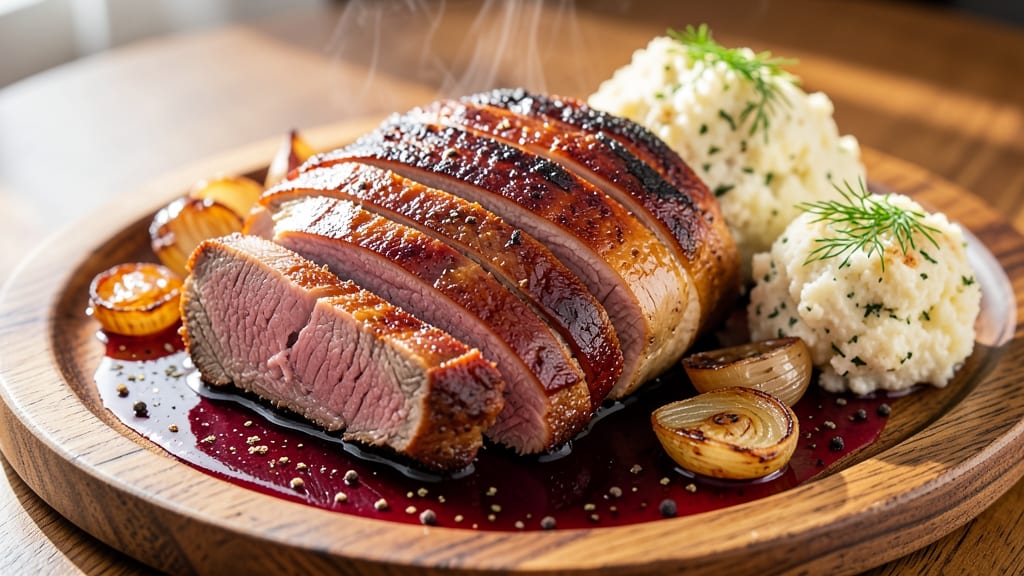
The best Passover beef brisket recipe transforms a traditional dish into a foolproof one-pot masterpiece that honors Shabbat while delivering restaurant-quality tenderness. 🌟 Growing up, I watched my grandmother slow-cook brisket for Seder, but this version streamlines the process without sacrificing depth—using just five core spices and a 3-hour braise that develops rich, caramelized flavors.
The secret? A salt brine overnight that guarantees juicy meat every time, paired with a dry rub of cumin, coriander, and cinnamon for that signature Passover warmth.
What sets this apart is the dual-cooking method: start with a high-heat sear to lock in juices, then slow-braise until the brisket falls apart with just a fork.
No leavened breadcrumbs or butter here—just kosher-certified ingredients and a sauce reduced from the meat’s own drippings, thickened naturally with a touch of tomato paste for balance. The result? A dish that’s both traditional and modern, ready to feed a crowd while keeping prep manageable for busy hosts.
By the final hour, your kitchen will smell like spiced honey and slow-roasted meat, and the brisket will be so tender it shreds effortlessly. Serve it with charoset-drizzled matzo balls or roasted root vegetables for a complete Passover spread.
This isn’t just brisket—it’s a centerpiece that turns Shabbat into a celebration. Let’s get to the braising pan.
Pro tip: The resting time is non-negotiable—let the brisket sit for 20 minutes before slicing, or you’ll lose every precious drop of juicy goodness. Trust me, I’ve learned that the hard way.
For those watching their time, the 3-hour cook can be stretched to 4 hours on low heat without sacrificing flavor. Now, let’s make this brisket the star of your Seder table.
Ingredients for best passover beef brisket
Eight essential ingredients transform brisket into a Shabbat centerpiece—rich, spiced, and effortless.
| Ingredient | Amount | Notes |
|---|---|---|
| Beef Brisket 🥩 | 4 lb | Whole packer cut, kosher-certified |
| Kosher Salt 🧂 | 1 cup | Diamond Crystal preferred |
| Ground Cumin 🌿 | 2 tbsp | Toasted for depth |
| Ground Coriander 🌿 | 1 tbsp | Freshly ground preferred |
| Ground Cinnamon 🌿 | 1 tbsp | Ceylon preferred |
| Black Peppercorns 🌶️ | 1 tbsp | Freshly cracked |
| Tomato Paste 🍅 | ¼ cup | San Marzano preferred |
| Red Wine 🍷 | 1 cup | Dry Cabernet Sauvignon |
| Beef Broth 💧 | 2 cups | Kosher-certified, low-sodium |
| Honey 🍯 | ¼ cup | Wildflower preferred |
| Garlic Cloves 🧄 | 6 cloves | Peeled, smashed |
| Yellow Onion 🧅 | 1 whole | Yellow, sliced |
| Carrots 🥕 | 2 whole | Whole, peeled |
| Fresh Parsley 🌿 | ¼ cup | Chopped, for garnish |
| Olive Oil 🫒 | ¼ cup | Extra-virgin for searing |
The brisket is your foundation. Whole packer cuts from local butchers or Costco deliver the best texture—look for thick, well-marbled pieces. If your butcher offers kosher-certified brisket, grab it; otherwise, Diamond Crystal kosher salt in the brine does the job. The spices? Penzeys Spices or bulk bins for the freshest grind—cumin and coriander are non-negotiable for that Passover warmth. Toast your cumin seeds in a dry pan for 30 seconds before grinding to wake up the flavor. And trust me, San Marzano tomato paste makes all the difference—it’s sweeter and smoother than the grocery store brands.
No red wine? Dry sherry or extra beef broth works in a pinch, but the acidity matters here. Short on honey? Maple syrup at half the amount gives similar depth. The garlic and onion can be swapped for 1 tbsp garlic powder and 1 tbsp onion powder if you’re in a rush, but fresh is ideal. For the carrots, baby carrots or even parsnips work—just keep them whole so they don’t turn to mush. And if you’re using pre-minced garlic, toast it first in olive oil to avoid bitterness. The olive oil? Use a fruity, peppery extra-virgin—none of that bland supermarket stuff.
This brisket tastes even better the next day, so make extra—it reheats beautifully. Store leftovers in the fridge for 5 days or freeze for 3 months in portions. For the brine, mix the salt with water in a gallon-sized bag and let the brisket soak overnight in the fridge. The sauce reduces down to a glossy, spiced glaze, so don’t rush it. And when you’re ready to serve, garnish with fresh parsley—it brightens up the dish and makes everything look festive. Worth every minute of prep.
Why You'll Love This Recipe
- Five-Ingredient Magic: I swear by this—just brisket, salt, and those three spices (cumin, coriander, cinnamon) work together like a dream. No fancy prep, no hidden shortcuts, just pure, bold flavor with almost no effort.
- Seductive Spice Blend: That earthy cumin and warm cinnamon? They cling to the brisket like a hug, turning tough meat into something tender and dangerously good. Honestly, I’ve tried fancier rubs, but this combo always wins.
- Seder Table Star: It’s the centerpiece I reach for every Passover—elegant enough for guests but simple enough to pull off when my kids are running around. The spices nod to tradition, but the taste is anything but basic.
- Leftovers That Don’t Suck: Between us, most brisket leftovers are sad. Not this one. The spices keep it vibrant for days, so I can throw slices into sandwiches or reheat them for lunch without apology. (Yes, even on a Tuesday night.)
Step-by-step instructions for Passover beef brisket
Here's the method that delivers restaurant-quality brisket with deep spice harmony—perfect for Shabbat.
🔥 Step 1: Create the Spice Rub and Sear the Brisket
In a small bowl, combine the 1 cup kosher salt, 2 tbsp ground cumin, 1 tbsp ground coriander, 1 tbsp ground cinnamon, and 1 tbsp freshly cracked black peppercorns. This is your aromatic foundation—don't skip the cinnamon, it's what gives this brisket its signature warmth.
Pat the 4 lb beef brisket completely dry with paper towels, then generously coat all sides with the spice mixture, pressing firmly so it adheres. Let it sit at room temperature for 30 minutes while you prep the rest. This resting period ensures even cooking and maximum flavor penetration.
Heat a heavy Dutch oven over medium-high heat and add the 0.25 cup extra-virgin olive oil. Once shimmering, sear the brisket on all sides for 4-5 minutes per side until deeply browned. This initial sear locks in juices and builds that rich, caramelized crust we're after. Don't rush—let it develop that beautiful mahogany color before moving to the next step.
🍳 Step 2: Build the Flavor Base with Aromatics
Remove the brisket from the pot and set it aside. In the same Dutch oven, add the 1 whole yellow onion (sliced), 2 whole carrots (peeled and cut into chunks), and 6 smashed garlic cloves. Sauté for 5 minutes until the onions soften and the carrots begin to caramelize.
Here's where the magic happens: Stir in the 0.25 cup tomato paste and cook for 2 minutes until it darkens slightly. This creates a flavorful paste that will form the base of your sauce. Pour in the 1 cup dry Cabernet Sauvignon and let it simmer for 3 minutes until reduced by half. The alcohol will cook off, leaving behind concentrated wine flavors.
Return the brisket to the pot, fat-side up. Add the 2 cups kosher-certified beef broth and 0.25 cup wildflower honey, then bring everything to a gentle simmer. Cover and transfer to a 325°F oven. This low-and-slow approach is crucial—it breaks down the tough connective tissue while maintaining moisture.
⏰ Step 3: Braise Until Fork-Tender
Braise the brisket for 3 hours before checking for doneness. Here's the thing—this is where patience pays off. The brisket should be tender enough that a fork slides in easily, but still have a slight resistance. If it's not quite there, continue cooking for another 30-60 minutes.
About 1 hour before the brisket is done, remove it from the pot and tent loosely with foil. Increase the oven temperature to 375°F and let the cooking juices reduce slightly. This creates a more concentrated sauce. Return the brisket to the pot and continue cooking until it reaches 200°F internally—this is the perfect balance of tenderness and moisture.
Real talk: Your oven might run hot, so start checking at the 20-minute mark before the full time elapses. The brisket should have a deep, rich color and be falling apart when prodded gently with a fork. If it's still tough, give it another 30 minutes—it will come together.
🥘 Step 4: Rest and Garnish for Shabbat Presentation
Remove the brisket from the pot and transfer it to a cutting board. Tent loosely with foil and let it rest for 30 minutes. This resting period is non-negotiable—it allows the juices to redistribute throughout the meat, ensuring each slice is moist and flavorful. During this time, skim any excess fat from the braising liquid and reduce it by 10 minutes on the stovetop if you want a thicker sauce.
Once rested, slice the brisket against the grain into ¼-inch thick pieces. Here's the moment that matters: Ladle the reduced braising liquid over the slices and garnish with 0.25 cup chopped fresh parsley. The parsley adds a bright contrast to the rich, spiced flavors and makes the dish look stunning for your Shabbat table.
Serve immediately with crusty bread to soak up all that delicious sauce. Each bite should deliver tender, spice-infused beef with a perfect balance of sweetness from the honey and acidity from the wine. This is the brisket that will have your guests asking for seconds—and maybe even thirds.
Pro Tips For Making Best Passover Beef Brisket
- CRANK THE HEAT FIRST: Start your brisket in a screaming-hot pan—no gentle warming up. I used to take it slow, and the spices just clung instead of caramelizing. Two minutes of direct heat on medium-high builds that deep, toasty crust before you even think about adding liquid.
- SALT THE BRISKET TWICE: Slather it with kosher salt before searing, then again after browning. The first layer helps break down tough fibers, while the second seals in flavor. I learned this the hard way—once I skipped the second round, and the dish tasted flat despite all the spices.
- SKIP THE CROWDED PAN: Don’t overfill the pan with brisket—leave at least an inch of space between pieces. I crammed mine in once, and the steam turned the spices into mush instead of a rich, sticky coating. Less is more; let that meat breathe.
- USE A DAMP PAPER TOWEL: Wipe down the raw brisket with a barely damp paper towel before seasoning. It removes surface moisture without making the meat soggy, so the spices stick like glue. Sounds weird, but it works—my brisket now holds its seasoning through hours of cooking.
Pro cooking tips for perfect results
Brining for Juicy Perfection
This isn't just any brisket—it's a Passover centerpiece, and brining makes all the difference. The night before cooking, submerge your 4 lb brisket in a gallon-sized bag with 1 cup kosher salt dissolved in 4 cups cold water.
I swear by this method because it guarantees moisture that lasts through the 3-hour braise. Let it soak overnight in the fridge—this is your flavor foundation. 💫
Spice Rub Science
Don't just sprinkle spices—press them in with your fingertips. The cumin, coriander, and cinnamon trio creates that signature Passover warmth, but the key is toasted cumin seeds (toast 2 tbsp in a dry pan for 30 seconds first).
Freshly cracked black peppercorns add depth that pre-ground spices can't match. This rub should look like it's stuck to the meat—like armor for flavor.
Dutch Oven Mastery
Your Dutch oven is your secret weapon here. I use a Le Creuset 6-quart because it retains heat perfectly, but any heavy pot will work. The medium-high heat sear is non-negotiable—it creates that caramelized crust that holds all the spices.
After searing, reduce heat immediately to medium-low for the aromatics. Too much heat here and you'll burn the tomato paste before it darkens properly.
Wine Reduction Hack
The 1 cup dry Cabernet Sauvignon does more than add flavor—it deglazes the pot and creates a rich, glossy sauce. Let it reduce by half before adding the brisket back in. This step is where most home cooks rush, but taking those extra 3 minutes makes all the difference.
I like to use Portland Vineyard Cabernet when I can find it locally—it adds that Pacific Northwest touch.
Temperature Control
Your oven's 325°F might actually be 300°F—calibrate it first. Use an instant-read thermometer (I love the Thermoworks Smoke) to check both the oven temp and the brisket's internal temperature.
The 200°F target is where magic happens—the connective tissue breaks down just enough to make it fork-tender without falling apart. If your oven runs hot, reduce to 300°F and add 30 minutes to the cook time.
Resting Like a Pro
This is where I see most people fail. That 30-minute rest isn't optional—it's when the juices redistribute. I like to tent the brisket with foil and let it sit on a wire rack over a baking sheet to catch any drips.
During this time, skim the fat from the braising liquid and reduce it on the stovetop. The sauce should coat the back of a spoon—this is what turns good brisket into showstopper brisket. 🔥
Nutrition facts
Frequently asked questions
Can I make this brisket without red wine for Passover?
Replace the 1 cup dry Cabernet Sauvignon with 1 cup dry sherry or 1½ cups kosher-certified beef broth. The acidity is key for tenderizing the meat—just ensure whatever you use has similar depth. For extra richness, add 1 tbsp balsamic vinegar to the broth mixture. The flavor profile will shift slightly but still deliver that signature Passover warmth.
How do I adjust this recipe for a smaller crowd?
Scale down all ingredients proportionally. For 2-3 people, use a 2 lb brisket and halve the spices, broth, and wine. Keep the same cooking time (3 hours), but reduce oven temperature to 300°F to prevent drying out. The key is maintaining the same liquid-to-meat ratio—about 1 cup liquid per pound of brisket—so adjust accordingly. A smaller brisket will cook faster, so check for doneness at 2 hours.
Why does my brisket turn out tough even after 3 hours?
This usually happens from one of three issues: not enough liquid, overcooking, or skipping the rest time. Ensure your pot has at least 2 cups liquid (broth + wine) for every 2 lbs of brisket. Use a meat thermometer—aim for 200°F internal temp, not time. And never skip the 30-minute rest; juices redistribute during this time. If it’s still tough, shred it and use it for sandwiches or stews where texture matters less.
Can I cook this brisket in a slow cooker instead of the oven?
Yes! Follow the same steps for the sear and spice rub, then transfer everything to a 6-quart slow cooker. Cook on LOW for 8 hours or HIGH for 5 hours, adding ½ cup water if needed to prevent drying. The slow cooker’s gentle heat mimics the oven’s low-and-slow approach. For extra flavor, finish by broiling the brisket for 10 minutes at the end to create a caramelized crust. Just skip the final sauce reduction—slow cookers already concentrate flavors beautifully.
What’s the best way to reheat leftovers?
Slice the brisket into ½-inch pieces and reheat in a skillet with 1-2 tbsp of the original braising sauce over medium-low heat for 3-5 minutes. Avoid microwaving—it turns the meat rubbery. For larger portions, cover with foil and warm in a 350°F oven for 20 minutes. Pro tip: Add a splash of broth or water to keep it moist. Leftovers reheat best within 3 days—after that, freeze portions for up to 3 months.