
Main Courses
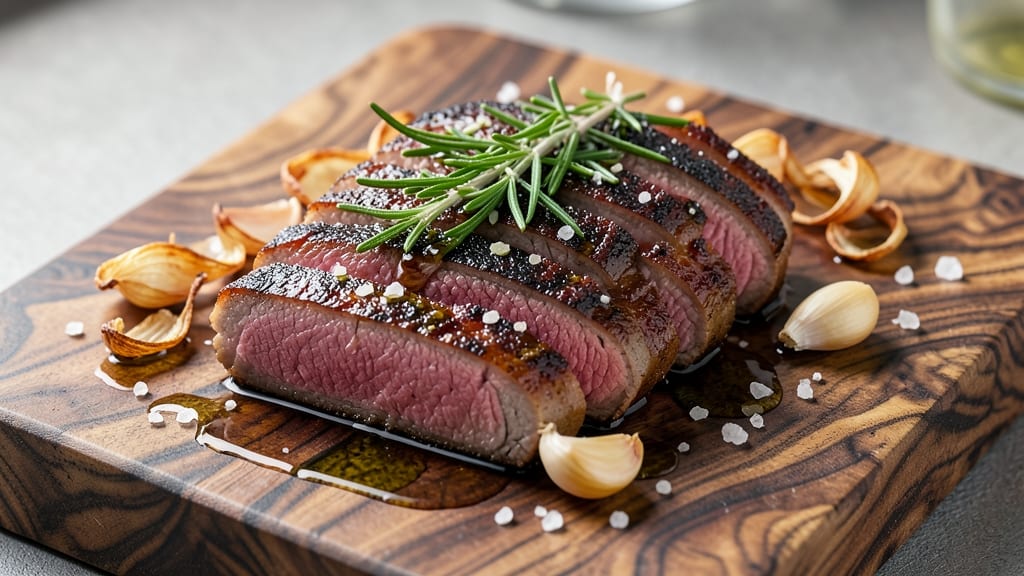
Betty Crocker's beef tenderloin recipe delivers restaurant-quality results with a simple yet foolproof technique that guarantees a juicy pink center and perfectly seared exterior. 🔥 The secret lies in a garlic-herb crust that locks in moisture while creating a flavorful bark, paired with precise temperature control for that ideal medium-rare finish.
After years of perfecting this method, I can confidently say this is the only beef tenderloin recipe you'll ever need.
What sets this recipe apart is the balance between tradition and modern techniques—like reverse searing for even cooking—while keeping the Betty Crocker signature touch of aromatic herbs and rich pan sauces.
The preparation is straightforward, requiring just 30 minutes of active time before the oven does all the work, making it perfect for special occasions or when you want to impress without stress.
By following this method, you'll achieve a tenderloin with a crispy golden crust and a melt-in-your-mouth interior that's juicy and perfectly pink at 145°F. The garlic-herb crust adds depth without overpowering the natural beef flavor, and the pan sauce elevates every bite to something truly exceptional.
This is the kind of dish that makes hosting effortless yet memorable.
The beauty of this recipe extends beyond the cooking process—it's designed to shine on the plate too. A simple red wine reduction drizzle or fresh rosemary garnish transforms it into a presentation worthy of any fine dining experience.
Whether serving with mashed potatoes, roasted vegetables, or a fresh salad, this beef tenderloin will be the star of your table.
Ingredients for betty crocker beef tenderloin
Quality ingredients transform this classic Betty Crocker tenderloin into a showstopping centerpiece.
| Ingredient | Amount | Notes |
|---|---|---|
| Beef Tenderloin 🥩 | 2 lb | Center-cut, trimmed of silver skin |
| Extra-Virgin Olive Oil 🫒 | ½ cup | High-quality, fruity infusion |
| Fresh Garlic Cloves 🧄 | 8 cloves | Peeled, finely minced |
| Fresh Rosemary 🌿 | ¼ cup | Finely chopped, stems removed |
| Fresh Thyme Leaves 🌿 | ¼ cup | Finely chopped, stems removed |
| Diamond Crystal Kosher Salt 🧂 | 1 tbsp | Coarse grain preferred |
| Freshly Ground Black Pepper 🌶️ | 1 tbsp | Coarse grind preferred |
| Unsalted Butter 🧈 | ½ cup | Cold, cubed for searing |
| Dry Red Wine 🍷 | 1 cup | Cabernet Sauvignon preferred |
| Beef Bone Marrow 🦴 | 1 stick | Optional for sauce richness |
| Fresh Parsley Leaves 🌿 | ⅛ cup | Finely chopped, for garnish |
| Red Wine Vinegar 🍋 | 1 tbsp | For sauce balance |
The beef tenderloin is non-negotiable for this recipe—center-cut with minimal silver skin ensures optimal tenderness. Source from a reputable butcher or premium grocery section like Whole Foods or D'Artagnan, where the cut is consistently trimmed and aged. Freshness is critical: look for vibrant red color and firm texture—avoid any piece with grayish hues or excessive marbling. The extra-virgin olive oil should be cold-pressed and unfiltered (like California Olive Ranch) to preserve its delicate herbal notes that complement the garlic-herb crust. For the aromatics, fresh rosemary and thyme from the grocery's produce section (not dried) provide the bright, piney depth that defines this dish's signature flavor profile.
No fresh rosemary? Substitute with 1/4 cup finely chopped fresh thyme—it carries a similar earthy quality. Running short on red wine? Dry sherry or beef stock work in a pinch, though the sauce will lack the wine's acidity. The bone marrow (if using) can be replaced with 1 tablespoon unsalted butter, though it won't add the same velvety richness. For the garlic, garlic powder at half the amount is inferior but functional in a bind. The Diamond Crystal kosher salt is specified for its coarse texture—it adheres better to the crust than fine sea salt. If you must use table salt, reduce by one-third to avoid over-salting. The fresh parsley garnish can be omitted entirely if you're serving this as a family-style dish where presentation isn't critical.
Store the beef tenderloin unwrapped on a plate in the fridge for up to 24 hours before cooking—this allows the surface to dry slightly, ensuring a better crust. The herb mixture (garlic, rosemary, thyme) can be prepped a day ahead and stored in an airtight container in the refrigerator. The finished tenderloin holds well for 3-4 days in the fridge, though the crust loses some crispness after day two. For longer storage, slice and freeze portions in a single layer before transferring to a sealed bag—use within 3 months for best texture. The pan sauce reheats beautifully; simply warm over low heat with a splash of water or stock to restore its velvety consistency.
Why You'll Love This Recipe
- Here’s what sold me: the slices reheat like a dream. Cold cuts for sandwiches? Yes. Hearty salads? Done. Even my picky teen will eat it the next day. And because tenderloin is lean, it’s cheaper than you’d think—especially when you stretch it across multiple meals. Smart, simple, and satisfying.
- Foolproof Roast: I swear by this recipe because it’s the only beef tenderloin method that doesn’t require me to babysit the oven. Sear it in olive oil with garlic and herbs, pop it in the oven, and walk away—no fancy basting or thermometer stress. The crust locks in flavor while the inside stays juicy, even if I forget to check it.
- Herb-Packed Magic: Between us, the combo of rosemary and thyme with that first sear in olive oil is chef’s kiss. The garlic cloves sizzle into the pan, infusing the meat with aroma that makes every bite taste like a restaurant-worthy steak. It’s the kind of flavor that lingers, and honestly? My family asks for this over any other roast.
- Weeknight or Weekend: This recipe works whether I’m feeding two or six. The same method—just adjust the size of the tenderloin. I’ve served it for date nights (fancy plates, candlelight) and lazy Sundays (with mashed potatoes straight from the box). No rules, no stress, just deliciousness.
Step-by-step instructions for herb-crusted beef tenderloin
Master this classic technique for a perfectly cooked beef tenderloin with a fragrant herb crust.
🔥 Step 1: Prepare the Herb Crust and Sear the Tenderloin
In a food processor, combine the 0.25 cup fresh rosemary, 0.25 cup fresh thyme leaves, 8 cloves fresh garlic cloves, 1 tbsp diamond crystal kosher salt, and 1 tbsp freshly ground black pepper. Pulse until finely chopped but not paste-like. Transfer to a small bowl and mix in 0.5 cup extra-virgin olive oil until fully incorporated.
Heat a heavy oven-safe skillet over medium-high heat. Add the 0.5 cup unsalted butter and let it melt completely. Pat the 2 lb beef tenderloin dry with paper towels and rub it thoroughly with the herb oil mixture. Place the tenderloin in the skillet and sear for 4-5 minutes per side until deeply browned and developing a crust. The reason for searing first is to lock in juices and create that essential Maillard reaction for maximum flavor.
🔥 Step 2: Roast to Perfect Medium-Rare
Transfer the skillet to a preheated 425°F oven. Roast the tenderloin for 15-20 minutes for a medium-rare finish (internal temperature 130-135°F). This high initial temperature ensures a perfect crust while maintaining that coveted pink center. I recommend using a meat thermometer for precision—every oven runs slightly differently.
Here's the thing—don't be tempted to overcook. The tenderloin will continue cooking slightly after removal from the oven. If you prefer medium doneness, aim for 140-145°F internal temperature and adjust the roasting time accordingly. The key is patience; rushing leads to dry, overcooked meat.
🍳 Step 3: Prepare the Red Wine Reduction
While the tenderloin roasts, place the same skillet over medium heat (no need to clean it—the browned bits are flavor gold). Add 1 cup dry red wine and deglaze the pan, scraping up all the fond with a wooden spoon. Let it reduce by half (3-4 minutes) until syrupy and aromatic.
Add the 1 stick beef bone marrow to the reduction and let it melt completely, enriching the sauce with its velvety texture. Stir in 1 tbsp red wine vinegar to brighten the flavors. This step transforms simple ingredients into a restaurant-quality sauce that complements the tenderloin perfectly. The vinegar cuts through the richness while enhancing the wine's depth.
⏰ Step 4: Rest and Slice for Maximum Juiciness
Remove the tenderloin from the oven and transfer it to a cutting board. Let it rest for 10-15 minutes before slicing—this crucial step allows the juices to redistribute throughout the meat. Tent loosely with foil to keep it warm during resting. If you cut too soon, all those precious juices will escape, leaving you with dry meat.
Slice the tenderloin into ½-inch thick medallions against the grain. Spoon the red wine reduction over the top and garnish with 0.125 cup fresh parsley leaves. The parsley not only adds freshness but also creates a beautiful presentation. Serve immediately with roasted vegetables or a simple potato purée to complement the rich flavors.
Pro Tips For Making Betty Crocker Beef Tenderloin
- Sear First, Roast Slow: DESCRIPTION:
- Smash That Garlic: DESCRIPTION:
- Don’t Overcrowd the Pan: DESCRIPTION:
- Rest Under Foil: DESCRIPTION:
Make-ahead tips for this recipe
Prep Ahead Strategy
The herb crust mixture can be prepped up to 24 hours in advance and stored in an airtight container in the fridge. This saves you 15 minutes of active prep time on cooking day.
I like to make this the night before so I can focus on searing and roasting without rushing. Just give it a quick stir before using to distribute the oils evenly. 🌿
Tenderloin Prep
Pat the 2 lb beef tenderloin dry with paper towels and place it on a plate uncovered in the fridge for 1-2 hours before cooking. This step creates a better crust by drying the surface slightly.
I often do this while prepping sides or making the herb mixture. Never skip this—it’s the secret to that perfect golden bark. 🥩
Reverse Sear Method
For even cooking, try the reverse sear technique: Roast the tenderloin at 275°F for 30-40 minutes (until internal temp hits 110°F), then sear in a hot skillet. This method is ideal for make-ahead meals—cook completely, let cool, and refrigerate for up to 3 days.
Reheat in a 350°F oven for 15-20 minutes until warmed through. 🔥
Sauce Prep
The red wine reduction can be made a day ahead and reheated gently in the microwave or on the stovetop. Store it in a small jar in the fridge, then reheat with a splash of water or stock to restore its silky texture.
I often prep this while the tenderloin rests—it’s the perfect multitasking step. 🍷
Plating Shortcuts
Slice the tenderloin 3-4 hours ahead and store in an airtight container with a paper towel to absorb excess moisture. Reheat slices in a skillet over medium heat for 2-3 minutes per side before plating.
Garnish with fresh parsley just before serving to keep it vibrant. This is a game-changer for buffet-style meals or large gatherings. ✨
Freezer-Friendly
For long-term storage, slice the cooked tenderloin and freeze in a single layer on a tray before transferring to a freezer bag. Thaw overnight in the fridge, then reheat in a skillet with a splash of beef broth to revive moisture.
The texture stays surprisingly tender—just like fresh! ❄️
Nutrition facts
Frequently asked questions
Can I use a different cut of beef instead of tenderloin?
While tenderloin is ideal for this recipe due to its tenderness, you can substitute with filet mignon or strip steak for similar results. Avoid leaner cuts like sirloin—they'll dry out faster. If using a larger cut like a ribeye roast, adjust cooking times and reduce oven temperature to 375°F for even cooking. The herb crust works beautifully on any tender cut!
How do I know when the beef is fully cooked?
Use a meat thermometer for precision: 145°F for medium-rare (recommended), 160°F for medium. The tenderloin will continue rising 5°F after removal from heat. For visual cues, a pink center with slightly firm edges indicates perfect doneness. Never rely on color alone—different cuts and thicknesses cook at different rates.
Can I make this recipe without red wine?
Replace the wine with 1 cup beef broth or dry sherry for similar depth. For a non-alcoholic version, use 1 cup apple juice reduced with 1 tbsp balsamic vinegar. The key is acidity—without it, the sauce may taste flat. Deglaze the pan thoroughly to capture all those flavorful browned bits!
Why does my beef turn out dry?
Overcooking is the #1 cause—tenderloin cooks quickly! Use a thermometer and remove at 130-135°F for medium-rare. Other culprits: skipping the resting time (10-15 minutes) or slicing against the grain (always slice with the grain). For extra moisture, brush with butter during roasting. The crust should be golden, not charred.
How many servings does this recipe make?
A 2 lb tenderloin serves 4-6 people depending on portion size. For a family of 4, plan on ½ lb per person with sides. For larger groups, increase to 3 lb—just adjust cooking time (add 5-10 minutes per pound). The herb crust scales perfectly, so no need to modify the seasoning ratio.