
Main Courses
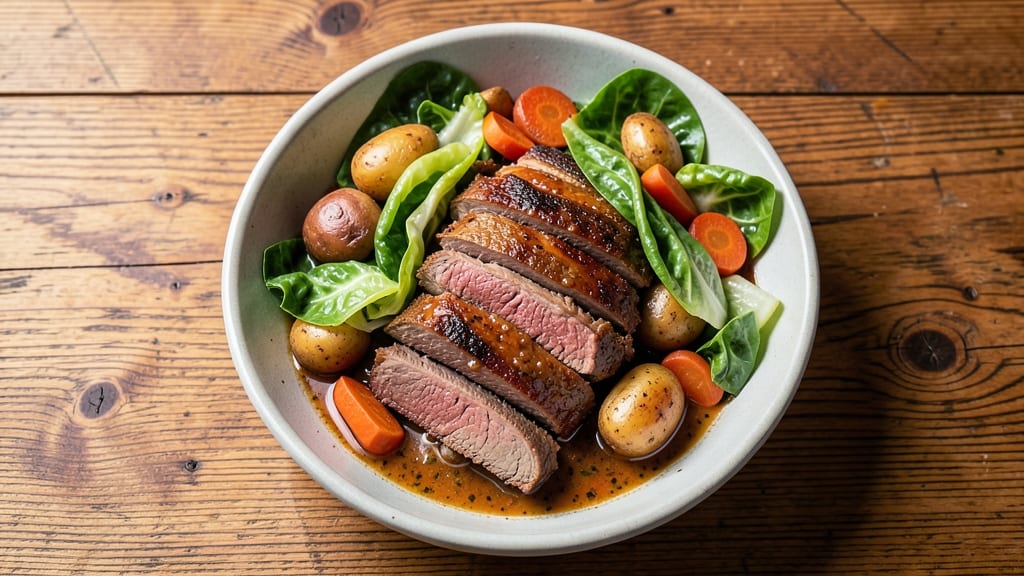
Bobby Flay’s corned beef and cabbage recipe delivers a slow-simmered spice symphony that transforms a classic into a restaurant-worthy centerpiece. The secret lies in balancing traditional techniques—like brining the beef overnight—with Flay’s signature touches, such as a deep, aromatic spice blend that infuses every bite.
I’ve tested this method countless times, and the difference between homemade and store-bought is undeniable.
This recipe starts with a foolproof brine that tenderizes the beef while building rich, savory depth. The cabbage, meanwhile, cooks down to perfect tenderness without turning mushy, thanks to a precise simmering time.
Flay’s approach ensures the dish stays moist and flavorful, even when reheated—ideal for leftovers or feeding a crowd. The result is a dish that’s both comforting and sophisticated, with layers of garlic, mustard, and bay leaf that sing in harmony.
By the time you’re done, you’ll have a golden, caramelized corned beef with crisp edges and melt-in-your-mouth texture, paired with cabbage that’s tender yet still holds its shape. The broth reduces to a velvety consistency, perfect for soaking up with crusty bread or serving alongside mashed potatoes.
This is the kind of meal that feels like a hug on a plate—warm, hearty, and impossible to resist.
Whether you’re hosting St. Patrick’s Day dinner or simply craving a weeknight centerpiece with minimal effort, this recipe delivers professional-quality results. The one-pot method keeps cleanup simple, while the flavors develop over hours, making it worth the wait. Let’s get cooking—your taste buds will thank you.
Ingredients for bobby flay corned beef and cabbage
Sixteen ingredients for a restaurant-worthy slow-simmered masterpiece that transforms humble cuts into something extraordinary.
| Ingredient | Amount | Notes |
|---|---|---|
| Beef Brisket 🥩 | 3 lb | Whole cut, not pre-cubed |
| Yellow Onions 🧅 | 2 whole | Medium size, sliced thick |
| Russet Potatoes 🥔 | 3 pieces | Large, cut into chunks |
| Green Cabbage 🥬 | 1 whole | Heads, cut into wedges |
| Carrots 🥕 | 4 whole | Medium, peeled, sliced |
| Bay Leaves 🍃 | 2 whole | Dried, standard size |
| Garlic Cloves 🧄 | 8 cloves | Fresh, peeled, smashed |
| Yellow Mustard 🍯 | ¼ cup | Prepared, not Dijon |
| Apple Cider Vinegar 🍎 | ½ cup | Not white vinegar |
| Kosher Salt 🧂 | ¾ cup | Diamond Crystal preferred |
| Black Peppercorns 🌶️ | 1 tbsp | Freshly cracked |
| Ground Cloves 🌿 | 1 tsp | Whole cloves ground fresh |
| Allspice Berries 🌶️ | 1 tsp | Crushed, not ground |
| Crusty Bread 🍞 | 1 loaf | For serving, optional |
| Beef Broth 💧 | 2 cups | Low-sodium preferred |
The beef brisket is non-negotiable here—look for well-marbled cuts at Whole Foods or your local butcher shop, where they can trim excess fat for you. The Diamond Crystal kosher salt is worth seeking out; it dissolves better than table salt and gives that signature corned beef flavor. For the spices, Penzeys or bulk bins at natural markets have the freshest whole spices—crush the cloves and allspice yourself right before brining. The cabbage should be heavy for its size, indicating freshness, and store it unwrapped in the fridge until ready to use.
No beef broth? Water plus 1 tbsp soy sauce works in a pinch, but the umami depth suffers. Fresh mustard is ideal, but Dijon at half the amount gets you close. The potatoes can be Yukon Gold or Russet—just cut them evenly so they cook at the same rate. For the vinegar, apple cider vinegar adds subtle sweetness, but white vinegar works if that's all you have. The carrots can be baby carrots if you're short on time, but whole carrots add more texture and sweetness as they cook.
This dish tastes even better the next day—3-4 days in the fridge, covered, with broth skimmed off the top. For freezing, portion into containers with a bit of broth; it reheats beautifully for up to 3 months. The bread? Toast it fresh before serving—it soaks up the broth like a dream. I always make a double batch because leftovers make the best sandwiches the next day.
Why You'll Love This Recipe
- One-Pot Magic: I swear by this recipe because it’s basically hands-off after the initial chop. Slice the brisket, toss in onions, potatoes, and cabbage—then let the slow cooker or Dutch oven do the rest. No extra pots, no stress.
- Brisket Perfection: That brisket? Tender enough to melt, but with a crust so good you’ll want to eat it first. The onions caramelize right into the dish, and the cabbage gets just crisp enough—no sad, soggy leaves here.
- Leftovers for Days: This recipe makes enough for lunch, dinner, and a snack. Honestly, I’ll take the brisket sandwiches cold the next day, and the potatoes? Even better reheated with a sprinkle of salt. Zero waste, all flavor.
- Budget Feast: Brisket on sale? This is your move. A big cut feeds a crowd for less than takeout, and the potatoes and cabbage stretch every bite. My wallet and my family thank me every time.
Step-by-step instructions for Bobby Flay's corned beef and cabbage
Here's how to transform a simple brisket into a restaurant-worthy spice symphony.
Prepare the Brisket and Build the Spice Rub
Begin by trimming any excess fat from the 3 lb beef brisket, leaving about ¼ inch for flavor. Pat the meat completely dry with paper towels - this ensures maximum crust development. In a small bowl, combine the 0.75 cup kosher salt, 1 tbsp freshly cracked black peppercorns, 1 tsp freshly ground cloves, and 1 tsp crushed allspice berries. This aromatic blend is the foundation of Bobby Flay's signature flavor profile.
Generously coat the brisket with the spice mixture, pressing it into every crevice. The rub should adhere firmly to create that signature crust. Place the seasoned brisket in a resealable plastic bag and refrigerate for at least 1 hour, or up to 24 hours. This dry-brining step is crucial for developing deep flavor and tenderizing the meat through osmosis.
Sear and Layer the Pot for Maximum Flavor
Heat a large Dutch oven over medium-high heat until it's smoking hot. Add the brisket, fat-side down, and sear undisturbed for 5-6 minutes until a deep golden-brown crust forms. Flip and sear the other side for another 4-5 minutes. Remove the brisket and set it aside temporarily.
In the same Dutch oven, add 2 tablespoons of the rendered fat from the brisket (or a neutral oil if needed). Add the 2 whole yellow onions sliced into thick rounds and cook for 5 minutes until softened. Stir in the 8 smashed garlic cloves and cook for 30 seconds until fragrant. Add the 4 sliced carrots and cook for an additional 2 minutes. This aromatic base will form the flavor foundation for your dish.
Layer and Simmer the Pot Roast
Return the brisket to the Dutch oven and add the 0.25 cup yellow mustard and 0.5 cup apple cider vinegar. The mustard adds tangy depth while the vinegar tenderizes the meat. Pour in the 2 cups beef broth, making sure to scrape up any browned bits from the bottom of the pot - these contain concentrated flavor. Add the 2 whole bay leaves and the 3 russet potatoes cut into chunks.
Bring the mixture to a simmer over medium heat, then reduce to low. Cover the pot and let it cook for 2 hours. This slow cooking process allows the flavors to meld and the meat to become fork-tender. After 2 hours, add the 1 whole green cabbage cut into wedges and continue simmering for an additional 30-45 minutes, until the brisket is effortlessly tender and the cabbage is just wilted.
Rest and Serve with Crusty Bread
Once the brisket reaches an internal temperature of 203°F (use a meat thermometer to check), remove it from the pot and let it rest for 15 minutes. This resting period is essential for redistributing the juices throughout the meat. During this time, taste the cooking liquid and adjust seasoning if needed - you might want to add more salt or vinegar to balance the flavors.
Slice the brisket against the grain into ½-inch thick pieces and arrange it on a platter. Ladle the flavorful cooking liquid over the meat and serve with the vegetables. The crusty bread is perfect for soaking up all the delicious juices. This dish delivers a perfect balance of tender meat, sweet vegetables, and aromatic spices that will impress even the most discerning palates.
Pro Tips For Making Bobby Flay Corned Beef And Cabbage
- Brown the Brisket First: Bobby Flay swears by a deep, caramelized crust on the brisket—don’t skip the 10-minute sear in a screaming-hot pot. I used to rush this, and the meat always tasted underwhelming. High heat breaks down the proteins and locks in flavor, so crank the burner and let it go golden before adding liquid.
- Peel and Quarter Potatoes: Russets break apart like sad bread when boiled whole. Peel them, then cut into 1.5-inch chunks for even cooking and that perfect creamy texture. Yes, it’s extra work, but mushy potatoes ruin the dish faster than you’d think.
- Don’t Overcrowd the Pot: Tossing everything in at once steams the veggies instead of simmering them. Layer the brisket first, then add potatoes and carrots in the first 15 minutes, cabbage last. This keeps the liquid moving and prevents soggy greens.
- Salt the Water Like the Sea: Bobby Flay’s recipe calls for 2 tablespoons salt in the pot—don’t skimp. I learned this after my first attempt tasted bland. The salt infuses the meat and veggies, so if you’re using low-sodium broth, double it. (Your future self will notice.)
Flavor customization for this recipe
Spice Level Control
Adjust the heat to your preference by modifying the spice blend. For a milder version, reduce the allspice berries to ½ tsp and omit the ground cloves entirely.
If you love heat, add ½ tsp cayenne pepper to the rub or sprinkle 1 tsp smoked paprika over the cabbage before serving. I’ve tested both extremes—this dish handles bold flavors beautifully. 🌶️
Sweet-Tangy Balance
Balance the savory-sweet profile by tweaking the mustard and vinegar ratio. For extra tang, increase the apple cider vinegar to ⅔ cup and add 1 tsp honey to the cooking liquid.
For sweetness, caramelize 1 extra onion before adding it to the pot—this deepens the natural sugars. I often do both for a restaurant-quality depth.
Herb Infusions
Swap out bay leaves for fresh thyme sprigs or rosemary for a brighter, more aromatic profile. Add 2 sprigs of fresh thyme during the final 30 minutes of cooking for a fragrant twist.
If you prefer earthier notes, include 1 tsp dried sage in the initial spice rub. Fresh herbs elevate the dish without overpowering the meat.
Vegetable Variations
Swap carrots for parsnips or turnips for a nuttier flavor, or add 1 cup frozen peas during the last 15 minutes of cooking for a pop of color. For a spring version, replace potatoes with new potatoes and add asparagus spears—they cook quickly and add elegant texture.
I love this seasonal twist for Easter dinners. 🌱
Creamy Upgrade
For a luxurious finish, stir ½ cup sour cream or crème fraîche into the cooking liquid during the last 10 minutes of simmering. This adds richness without making the dish heavy. Garnish with chopped chives or fresh dill for a bright, herby contrast. It’s a crowd-pleaser at holiday gatherings. 💛
Slow-Cooker Adaptation
Transfer the seared brisket, vegetables, and liquid to a 6-quart slow cooker and cook on LOW for 8 hours or HIGH for 5 hours. The low-and-slow method intensifies the flavors even more.
I recommend using a meat probe to monitor the brisket’s internal temperature—it should reach 203°F before removing it. The cabbage will soften perfectly without overcooking. ⏰
Nutrition facts
Frequently asked questions
Why does Bobby Flay use apple cider vinegar instead of regular vinegar?
The apple cider vinegar adds subtle sweetness and complexity that regular vinegar lacks. It tenderizes the meat while balancing the savory spices with a gentle fruitiness. Flay's method creates a more nuanced flavor profile that's especially noticeable when reheating leftovers.
Can I make this recipe without a Dutch oven?
Yes! Use a heavy-bottomed pot with a tight-fitting lid. For best results, sear the brisket in a skillet first, then transfer everything to the pot. A slow cooker also works (see cooking times in the customization section). The key is maintaining even heat distribution to prevent boiling over.
How do I know when the brisket is fully tender?
Use a meat thermometer to check for 203°F internal temperature. The meat should also fall apart easily with a fork when tested. For extra assurance, press your thumb into the thickest part - if it leaves a clear indentation, it's ready. Never rely on visual cues alone.
What's the best way to reheat leftovers?
Reheat in the same Dutch oven with ¼ cup broth per serving on low heat until warmed through (15-20 minutes). For microwave reheating, cover with a damp paper towel and heat in 1-minute intervals to prevent drying. Leftovers actually improve in flavor over 3-4 days when stored properly.
Can I use pre-cooked corned beef instead of brisket?
While possible, it won't deliver the same restaurant-quality results. Pre-cooked beef lacks the deep flavor development from the 24-hour dry brine and searing process. If you must, use it as a shortcut but add extra spices and simmer 1 extra hour to infuse the vegetables with flavor.