
Main Courses
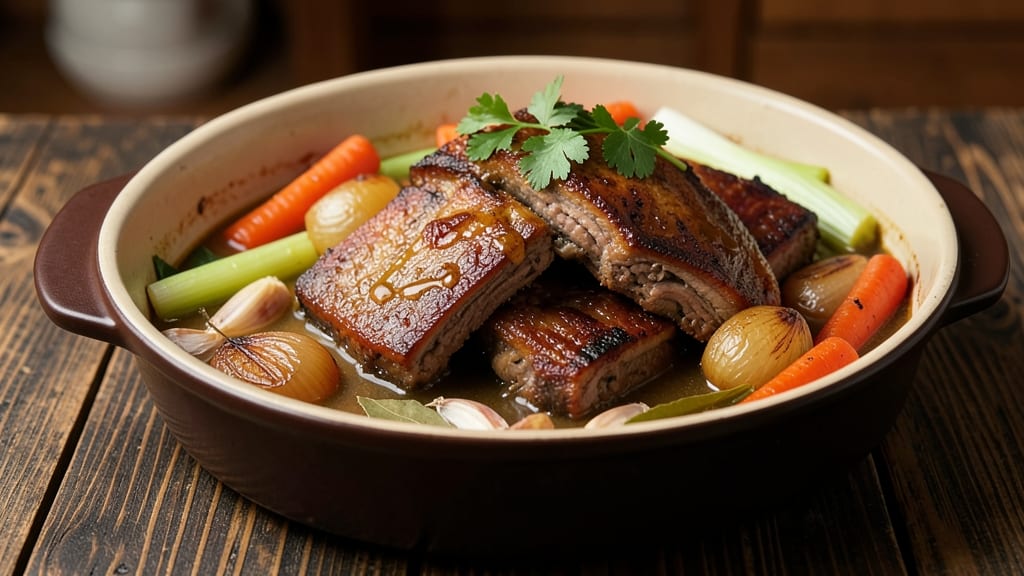
This boiled beef ribs recipe delivers that silky fall-off-the-bone tenderness that transforms tough cuts into melt-in-your-mouth perfection—no slow cooker or smoker required. I perfected this method after years of experimenting with different techniques, and the results speak for themselves: ribs so tender they practically disintegrate at the touch.
The secret lies in the right combination of time, temperature, and liquid management, all while building layers of flavor through simple seasonings.
What makes this recipe work is the one-pot approach, where ribs simmer gently in a flavorful broth until they reach that ideal texture. You'll need just a few key ingredients—beef ribs, aromatic vegetables, and basic pantry staples—but the magic happens in the slow, steady cooking process.
This method is far more forgiving than grilling or smoking, making it perfect for weeknight dinners or special occasions when you want restaurant-quality results without the fuss.
The outcome is ribs that are tender yet rich, with a surface that's just slightly caramelized from the broth. The meat falls apart effortlessly, releasing juices that create a naturally rich sauce in the pot.
This dish pairs beautifully with crusty bread, roasted vegetables, or a simple green salad, making it a complete meal that feels indulgent yet satisfying. Once you try this method, you'll never approach ribs the same way again.
Whether you're feeding a family or treating yourself to a special meal, these boiled beef ribs deliver unmatched tenderness with minimal effort. The technique is straightforward, but the results are anything but ordinary—this is comfort food at its finest.
Let's get started on creating ribs that will have everyone asking for seconds.
Ingredients for boiled beef ribs
Four pounds of beef ribs and twelve simple ingredients transform into melt-in-your-mouth perfection.
| Ingredient | Amount | Notes |
|---|---|---|
| Beef Ribs 🥩 | 4 lb | Bone-in, meaty cuts preferred |
| Yellow Onion 🧅 | 1 whole | Quartered, skin on for color |
| Carrots 🥕 | 1 ½ lb | Whole, unpeeled for texture |
| Celery Stalks 🌿 | 4 whole | Cut into 2-inch pieces |
| Garlic Cloves 🧄 | 6 cloves | Smashed, not minced |
| Bay Leaves 🌿 | 2 whole | Dried, standard size |
| Black Peppercorns 🌶️ | 1 tbsp | Whole, lightly crushed |
| Salt 🧂 | 2 tbsp | Diamond Crystal kosher |
| Beef Broth 💧 | 4 cups | Low-sodium preferred |
| Apple Cider Vinegar 🍎 | ¼ cup | For subtle tang |
| Fresh Thyme 🌿 | ¼ cup | Stems removed, chopped |
| Butter 🧈 | 4 tbsp | Unsalted, cold for finishing |
| All-Purpose Flour 🌾 | 2 tbsp | For thickening sauce |
The ribs are the star, so prioritize quality cuts with good meat-to-bone ratio. Local butcher shops often carry the best selections, especially if you request 'meaty' cuts. Avoid ribs with excessive bone exposure or thin meat sections, as these won't yield the same tender results. For broth, Knudsen or Swanson low-sodium are reliable choices, but homemade beef stock elevates the dish significantly. The thyme should be vibrant green with a fresh aroma—wilted sprigs indicate age. Purchase thyme in small quantities since it loses potency quickly once opened, and store it in the refrigerator for up to one week.
No beef broth? Substitute with water plus 2 tbsp beef bouillon powder, though the flavor depth will be noticeably less. Fresh thyme unavailable? Dried thyme at one-third the amount works, but the flavor profile will differ slightly. For vinegar, red wine vinegar or lemon juice can substitute, though apple cider adds a subtle sweetness that complements the beef. The carrots and celery can be swapped for potatoes or parsnips if preferred, though the cooking time may vary slightly. If using frozen vegetables, thaw and pat dry thoroughly before adding to the pot to prevent watering down the broth.
This recipe rewards patience—simmering time creates the signature tenderness. The ribs should be stored in the broth in the refrigerator for up to 4 days, with the sauce thickening naturally. For longer storage, freeze the ribs and broth together in an airtight container for up to 3 months. When reheating, bring to a gentle simmer over medium-low heat, covered, for about 20-30 minutes, stirring occasionally. The sauce can be thickened further by mixing the flour with cold water before adding to the pot, creating a light roux that binds beautifully with the broth.
Why You'll Love This Recipe
- No Chopping Struggle: I swear by the "mirepoix" trick—just toss in whole onions, carrots, and celery stalks. They soften beautifully without my hands getting messy, and honestly? The flavor’s just as rich when you skip the dicing.
- Garlic Bomb Flavor: That first whiff of garlic cloves simmering with the ribs? It’s like a warm hug in soup form. The beef soaks up the aroma until every bite tastes like it’s been kissed by a French chef.
- Leftovers That Shine: Cold beef ribs? Suddenly fancy. I repurpose them into sandwiches, stir-fries, or even tacos—no one suspects they’re "leftover" when they’re this tender. My lunchbox thanks me every time.
- Budget-Friendly Feast: A whole pack of beef ribs feeds my family for days, and the veggies (onion, carrots, celery) stretch the meal further. Between us, this is my go-to for stretching paychecks without sacrificing taste.
Step-by-step instructions for boiled beef ribs
This method delivers melt-in-your-mouth tenderness with minimal effort and maximum flavor.
Prepare the Ribs and Aromatics for Maximum Flavor Extraction
Rinse the 4 lb beef ribs thoroughly under cold water and pat them completely dry with paper towels. This step is critical—any moisture left on the ribs will prevent proper browning and flavor development. In a large Dutch oven, combine the quartered yellow onion, 1.5 lb whole carrots, 4 whole celery stalks cut into 2-inch pieces, and the 6 smashed garlic cloves. The vegetables should fit snugly but not be overcrowded.
Add the 2 whole bay leaves, 1 tbsp lightly crushed black peppercorns, and 2 tbsp salt to the vegetables. This aromatic base will infuse the broth with deep, complex flavors. Stir gently to distribute the seasonings evenly, ensuring the garlic cloves are fully exposed to the liquid. The vegetables will form the flavor foundation for the ribs, so don't skip this step—it's what transforms simple broth into rich, velvety liquid gold.
Sear the Ribs for Depth Before Simmering
Heat the Dutch oven over medium-high heat until it's hot enough to see a light sheen of oil on the surface. Add the beef ribs in a single layer, working in batches if necessary to avoid overcrowding. Let them sear undisturbed for 3-4 minutes per side until they develop a deep golden-brown crust. This caramelization creates the Maillard reaction, which builds complex flavors that will permeate the broth.
Here's the thing—don't rush this step. You'll know the ribs are ready when they release easily from the bottom of the pot. If they stick, you haven't waited long enough. Once seared, remove the ribs and set them aside on a plate. The residual heat will keep them warm while you prepare the cooking liquid. This searing step ensures your ribs won't be bland—it's what makes the difference between good and exceptional.
Build the Flavorful Cooking Liquid
Pour in the 4 cups beef broth, scraping up any browned bits from the bottom of the pot with a wooden spoon. Add the 0.25 cup apple cider vinegar and 0.25 cup chopped fresh thyme. Bring the mixture to a gentle boil over high heat, then immediately reduce to a simmer. The vinegar adds a subtle tang that brightens the rich flavors, while the thyme contributes earthy depth. Let it simmer uncovered for 10 minutes to allow the aromatics to meld together.
Return the seared ribs to the pot, submerging them completely in the liquid. The ribs should be fully covered by at least 1 inch of liquid. If they're not, add enough water to achieve this. Bring the liquid back to a gentle simmer—this is crucial. A rolling boil will toughen the meat, while a simmer ensures tender results. The ribs should be at a temperature where small bubbles break the surface occasionally but don't create a vigorous motion.
Simmer Until Fork-Tender
Cover the pot and maintain a gentle simmer for 3 to 3.5 hours. This long, slow cook time is what transforms tough beef ribs into silky, fall-off-the-bone tenderness. Check the ribs after 2.5 hours by inserting a fork into the thickest part of a rib. They're done when the meat slides off the bone with minimal resistance. Your oven might run hot, so start checking at the 2.5-hour mark if you're unsure.
During the last 30 minutes of cooking, skim any foam or fat that rises to the surface with a ladle. This keeps the broth clear and prevents it from becoming greasy. The ribs should be cooking in their own flavorful liquid by this point, with the vegetables breaking down and releasing their sweetness into the broth. If the liquid level gets too low, add enough water to maintain the 1-inch coverage over the ribs.
Finish with Butter and Flour for Richness
Once the ribs are fork-tender, remove them from the pot and set them aside on a serving platter. Strain the cooking liquid through a fine-mesh sieve into a clean pot, pressing on the vegetables to extract every bit of flavor. Return the strained broth to the Dutch oven and place it over medium heat.
In a small bowl, whisk together the 4 tbsp cold butter and 2 tbsp all-purpose flour until combined. This creates a simple beurre manié that will thicken the broth beautifully. Gradually whisk the butter-flour mixture into the simmering broth, stirring constantly. Let it simmer for 3-5 minutes until it thickens to a velvety consistency. This step elevates the broth from good to exceptional, giving it a luxurious mouthfeel that coats the ribs perfectly.
Pro Tips For Making Boiled Beef Ribs
- Parboil First, Simmer Slow: Bring the ribs to a rolling boil for 5 minutes—yes, even if the recipe says simmer. This step tightens the meat and chases off impurities before the long cook. After that, lower to a gentle simmer (small bubbles, not a party) or the broth will turn cloudy and the ribs will toughen.
- Cut Onions, Carrots, Celery Uniform: Chop the veggies into 1-inch chunks, not matchsticks. Big pieces hold up better during the long cook and won’t turn to mush, which means your broth stays clear and flavorful. (I used to over-chop—now I just eyeball it.)
- Don’t Crowd the Pot: Give the ribs space to move in the broth, or they’ll steam instead of simmer. A packed pot traps heat and turns the meat rubbery. If your pot’s full, start with half the ribs, remove them after 30 minutes, then add the rest.
- Save the Broth: Strain the cooking liquid through a fine-mesh sieve and skim off the fat before storing. That golden broth is worth keeping—use it for gravy, rice, or even a quick sauce. (I’ve wasted it twice before learning this.)
Creative variations of this dish
Irish-Style Guinness Braised Ribs
For a rich, malty twist on boiled beef ribs, swap the broth for 2 cups Guinness stout and 2 cups beef broth. Add 2 tbsp Worcestershire sauce and 1 tbsp brown sugar to the pot before simmering.
The dark beer creates a deep, velvety sauce that pairs perfectly with the tender meat. I first tried this after a Boston pub night and it became an instant family favorite—Nonna would roll her eyes but secretly loved it. 🍺
Sweet and Smoky BBQ Boiled Ribs
After the ribs are fork-tender, strain the broth and mix in 1 cup BBQ sauce (I recommend Sweet Baby Ray's or Stubb's Original) with 2 tbsp apple cider vinegar. Return the ribs to the pot and simmer uncovered for 15-20 minutes to let the sauce reduce slightly.
The result is ribs with a sticky, smoky glaze that's perfect for serving with cornbread or coleslaw. This variation works especially well if you're short on time—just add the BBQ sauce at the end.
Herb-Infused Red Wine Ribs
Replace the beef broth with 2 cups dry red wine (like Cabernet Sauvignon) and add 1 sprig rosemary, 1 sprig thyme, and 3 black peppercorns to the pot. The wine adds a sophisticated depth that elevates the dish to restaurant quality.
I discovered this version when experimenting with leftover wine from a dinner party—it became one of my go-to variations for special occasions. Serve with a simple arugula salad dressed in lemon vinaigrette to balance the richness. 🍷
Spicy Cajun Boiled Ribs
For heat lovers, add 1 tbsp Cajun seasoning (like Tony Chachere's) and ½ tsp cayenne pepper to the vegetables before searing the ribs. After simmering, finish with a splash of hot sauce (I like Crystal or Tabasco) and a sprinkle of paprika.
The spices create a bold, smoky flavor that's perfect for game day or spicy food challenges. Pair with buttery corn on the cob for a Southern-inspired meal that's anything but basic. 🌶️
Asian-Inspired Soy-Ginger Ribs
Swap the beef broth for 2 cups low-sodium chicken broth and add 2 tbsp soy sauce, 1 tbsp grated ginger, 1 tbsp honey, and 1 clove minced garlic to the pot.
Simmer the ribs for 2.5 hours instead of 3.5, then finish with a drizzle of sesame oil and sliced green onions. This fusion variation delivers a sweet-savory profile that's perfect for a weeknight dinner or Asian-inspired potluck. The ginger keeps the meat tender while adding a bright, aromatic touch. 🌿
Nutrition facts
Frequently asked questions
How do I know when beef ribs are done boiling?
Your ribs are perfectly tender when they slide off the bone with minimal resistance using a fork. Test after 2.5 hours of simmering by inserting the fork into the thickest part of a rib. The meat should separate cleanly—this is your cue they're ready. If they're still slightly firm, return them to the pot for another 30 minutes.
Can I use pork ribs instead of beef ribs?
While you can use pork ribs, the cooking time and texture will differ significantly. Pork ribs cook faster (about 1.5-2 hours) and become more tender than beef ribs. For best results, reduce the simmering time to 2 hours and adjust seasonings to your taste—pork pairs well with extra garlic and thyme for depth.
What if my broth becomes too watery during cooking?
Simply reduce the heat to low and let it simmer uncovered for 10-15 minutes to evaporate excess liquid. If it's still too thin, mix 1 tbsp cornstarch with 2 tbsp cold water, stir into the broth, and cook for another 2-3 minutes until thickened. Never rush this—thickening gradually prevents a gluey texture.
Can I make this recipe in a slow cooker?
Follow the same steps but transfer everything to your slow cooker after searing. Cook on LOW for 6-7 hours or HIGH for 4-5 hours, then finish with the butter-flour slurry. The slow cooker's gentle heat ensures even tenderness without monitoring. Just ensure the ribs are fully submerged in liquid at all times.
Why did my ribs turn out tough instead of tender?
Tough ribs usually result from either boiling too vigorously (which toughens the meat) or not enough time. Always maintain a gentle simmer (small bubbles breaking the surface) and cook until fork-tender. If you rushed the process, try braising or slow-cooking next time—this method requires patience for perfect results.