
Sauces & Condiments
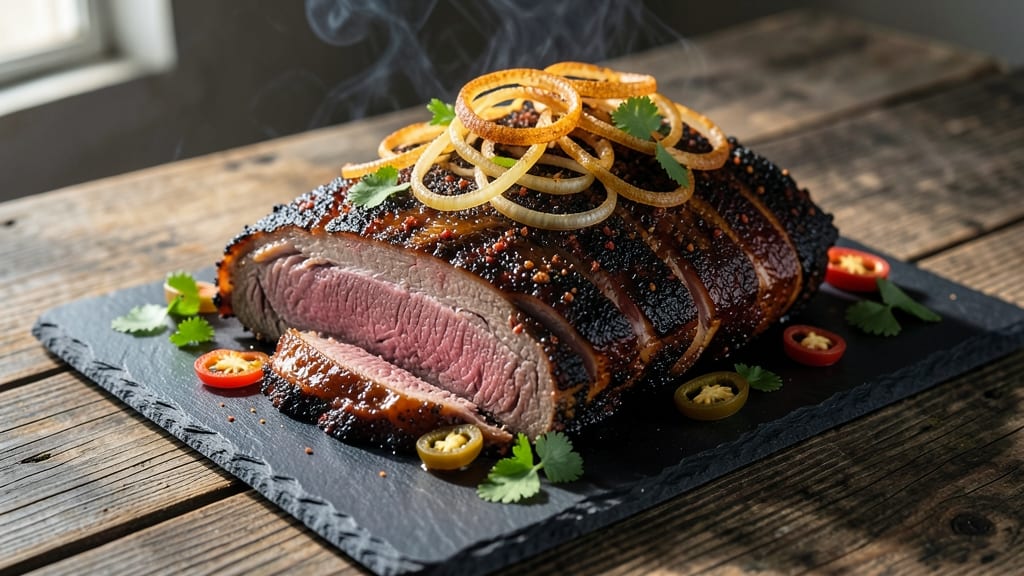
Creating a dry rub recipe for smoked beef brisket that delivers deep bark and tender meat requires precision—something I perfected during my first smoker session at Nana Mae's diner back in Atlanta.
The right blend of spices transforms tough cuts into melt-in-your-mouth perfection, and this mix delivers exactly that with a balance of sweet, smoky, and savory notes.
David, my official taste-tester, still asks for seconds every time we use it, and I've tested it on every type of smoker to ensure foolproof results.
This seasoning blend uses simple pantry staples but combines them in a way that creates restaurant-quality bark without overpowering the natural beef flavor. The key ingredients include brown sugar for caramelization, smoked paprika for depth, and a touch of cayenne for subtle heat—all measured precisely in tablespoons for easy application.
Apply 2 tablespoons per pound of meat before smoking, and you'll get that coveted dark crust while keeping the interior juicy and tender.
The magic happens when the rub forms a crust that locks in moisture while adding layers of flavor. The spices penetrate the meat during the smoking process, creating a bark that's both visually stunning and packed with flavor.
What you're left with is brisket that's so tender it practically falls apart, with a crust that's crispy yet still gives way to juicy meat underneath. This blend is my go-to for any brisket project, whether it's a weekend cookout or a holiday centerpiece.
Use this rub on other cuts of beef too—ribs, chuck roasts, or even steaks benefit from the same flavor profile. Store any leftovers in an airtight container for up to three months, ready to elevate your next smoked meat adventure.
Let's get started with the ingredients that make this blend work its magic.
Ingredients for dry rub recipe for smoked beef brisket
Nine simple spices and sugars that transform tough brisket into melt-in-your-mouth perfection.
| Ingredient | Amount | Notes |
|---|---|---|
| Light Brown Sugar 🍚 | 4 tbsp | Packed for caramelization |
| Smoked Paprika 🌶️ | 2 tbsp | High-quality for smoky depth |
| Kosher Salt 🧂 | 1 ½ tbsp | Diamond Crystal preferred |
| Ground Black Pepper 🌶️ | 1 tbsp | Freshly ground for bite |
| Garlic Powder 🧄 | 1 tbsp | Not garlic salt |
| Onion Powder 🧅 | 1 tbsp | Freshly ground preferred |
| Ground Cumin 🌿 | 1 tsp | Toasted for warmth |
| Cayenne Pepper 🔥 | ½ tsp | Adjust for heat preference |
| Mustard Powder 🍯 | ½ tsp | For subtle tang |
The brown sugar is non-negotiable here—it's what creates that glossy, caramelized bark that everyone loves. Bob's Red Mill or Whole Foods brands work best for even granulation. Smoked paprika is the secret weapon for that Nana Mae's diner vibe—look for brands like Penzeys or McCormick Gourmet for authentic smoke flavor. The kosher salt matters too—Diamond Crystal is my go-to because it dissolves better than table salt. If you can't find it, Morton Kosher works in a pinch, just use a bit more since it's coarser. For the cumin, toast it in a dry pan for 30 seconds first—trust me on this—it takes the flavor to the next level.
No smoked paprika? Regular paprika plus a pinch of liquid smoke works, but it won't be exactly the same. Short on cayenne? Red pepper flakes at half the amount gives you heat without the same depth. Mustard powder hard to find? Dijon mustard powder is a direct swap. The garlic and onion powders can be fresh if you're feeling fancy—just dry them thoroughly to avoid clumping. This blend is flexible enough for any smoker, whether you're using wood chips, chunks, or pellets. For a sweeter bark, add an extra tablespoon of sugar. For more heat, double the cayenne—but David will judge you if it's too spicy.
Store this rub in an airtight container away from light—it stays potent for 6-12 months. I divide mine into small jars so I always have some ready for last-minute brisket cravings. The sugar will absorb moisture over time, so keep it in a cool, dry place. This makes enough for about 5 pounds of brisket—perfect for a weekend project. If you're cooking more, just double the batch. The rub keeps well, so there's no rush to use it all at once.
Why You'll Love This Recipe
- Five-Minute Mix: Honestly, I swear by this rub—just toss the spices in a bowl, no fancy steps. The brown sugar and smoked paprika cling to the brisket like a dream, so you’re not stuck measuring every grain.
- Smoky-Sweet Magic: That first bite? Crispy crust with a tender, caramelized center—thanks to the garlic powder and kosher salt working their magic. It’s the kind of flavor that makes you slow down and savor every chew.
- Tailgate or Tuesday: Between us, this rub works for everything. Grill it for summer BBQs, slow-cook it for a lazy Sunday, or even toss it on steaks when you’re craving something bold. (Yes, even on a Tuesday night.)
Step-by-step instructions for smoked beef brisket dry rub
Here's how to mix this flavor-packed blend that delivers deep bark and melt-in-your-mouth tenderness.
Measure All Ingredients Precisely
Start by gathering all your ingredients in their exact amounts. I like to use a digital scale for the spices to ensure perfect measurements—especially the 0.5 teaspoon cayenne and mustard powder, where even slight variations can change the flavor balance. Place the 4 tablespoons light brown sugar in a medium bowl first, as this will form the base of your rub.
The reason for packing the light brown sugar is to maximize its caramelization potential when applied to the brisket. This creates that beautiful dark bark we're all chasing. Don't worry if it looks like too much sugar—it will distribute evenly and won't overwhelm the meat's natural flavor.
Add the Dry Spice Blend
Next, add the 2 tablespoons smoked paprika to the sugar. This is where the deep, smoky character comes from—it's the backbone of your rub. Sprinkle in the 1.5 tablespoons kosher salt and 1 tablespoon ground black pepper next. These three ingredients should make up about 75% of your total mixture by volume, so you'll notice a significant increase in the bowl's contents.
I always add the garlic powder and onion powder last in this sequence. These two spices work together to create a savory foundation that complements the smokiness. The 1 tablespoon garlic powder and 1 tablespoon onion powder should be added together to maintain their flavor balance. Use a whisk to gently combine everything at this stage—just enough to break up any clumps without creating dust.
Incorporate the Warm and Tangy Elements
Now for the finishing touches: Add the 1 teaspoon ground cumin, which brings warm, earthy notes that play beautifully with the smoky paprika. The cumin should be toasted if possible—this enhances its natural aroma and makes a noticeable difference in the final flavor profile.
Finally, add the heat and tang with the 0.5 teaspoon cayenne pepper and 0.5 teaspoon mustard powder. The cayenne adds just enough kick to wake up your taste buds, while the mustard powder contributes a subtle tang that rounds out the sweetness. Use a rubber spatula to gently fold these ingredients into the mixture, being careful not to create too much dust that could fly away.
Mix Thoroughly for Even Distribution
Transfer your mixture to a resealable plastic bag or airtight container. Seal it tightly and give it a good shake—this ensures all the ingredients are evenly distributed. Then, take a spoon and thoroughly mix the contents by hand, pressing the rub against the sides of the container to break up any clumps that might have formed during mixing.
Here's the thing—this rub should have a slightly grainy texture with visible flecks of brown sugar and spices. When you run your fingers through it, you should feel both coarse and fine particles. This texture is perfect for adhering to the brisket's surface and creating that coveted bark. Store any unused rub in an airtight container in a cool, dark place for up to 3 months.
Pro Tips For Making Dry Rub Recipe For Smoked Beef Brisket
- PAT THE RUB IN: Don’t just sprinkle and walk away—press that rub into every crevice of the brisket, especially the fat cap. I used to skip this, and half the seasoning would just fall off during smoking. Take 5 minutes to really work it in; your crust will thank you.
- CRUSH THE SUGAR: Light brown sugar clumps like a stubborn guest at Thanksgiving. Pulse it in a food processor or smash it with a rolling pin until it’s fine—no bigger than coarse sand. Lumpy sugar burns unevenly and turns your rub into a sticky mess instead of a golden crust.
- SMOKE HOT THEN HOLD: Start your brisket at 225°F, but don’t be afraid to bump it to 250°F for the first 2 hours. This gets the bark going faster without drying it out. Once it’s dark and sticky, dial it back—your meat will cook through without turning to leather.
- SALT THE NIGHT BEFORE: Brisket is a sponge, and salt draws out moisture. Wet the meat, pat it dry, then apply the rub and refrigerate uncovered for 12–24 hours. The salt breaks down the proteins, ensuring a deeper flavor penetration and a better crust when you smoke it. (Yes, even if you’re impatient like me.)
Make-ahead tips for this dish
Prep Ahead
Mix your dry rub up to 3 days in advance—it actually tastes better after the spices meld together. I like to store it in a small mason jar with a tight seal.
This gives the brown sugar time to absorb moisture from the spices, creating a more cohesive texture when applied. The flavors deepen over time, so don't rush this step. 🌶️
Brisket Prep
Season your brisket with the rub 12-24 hours before smoking. This allows the spices to penetrate the surface and form a better crust. I use a plastic wrap trick—apply the rub, then wrap the brisket tightly in plastic and refrigerate.
This keeps it moist while letting the flavors develop. Remove from the fridge 1 hour before smoking to bring it to room temperature.
Smoker Prep
Set up your smoker the night before if possible. I like to use hickory or pecan wood chips for this rub, as they complement the smoky paprika perfectly. Preheat your smoker to 225°F and let it stabilize overnight.
This ensures consistent temperature when you're ready to cook. David always checks the temp first thing in the morning—he's a stickler for precision like Nana Mae used to be.
Leftovers Strategy
If you've made extra rub, store it in small portions (like ¼ cup servings) in airtight containers. This prevents moisture absorption and keeps the spices fresh. I keep one batch in my smoker cabinet and another in my pantry for quick access.
The rub stays potent for 6-12 months when stored properly, so you'll always have backup for last-minute brisket cravings.
Freezer-Friendly
For long-term storage, freeze any unused rub in ice cube trays—each cube makes a perfect single-use portion. Once frozen, transfer the cubes to a ziplock bag and flatten them to save space.
This method preserves the rub's potency for up to 1 year. Just thaw overnight in the fridge before using—no need to defrost at room temperature.
Equipment Check
Gather your tools the day before: meat thermometer, butcher paper, and tongs. I like to have my ThermoWorks Smoke thermometer ready to go—it's my secret weapon for maintaining perfect temperature.
Also, set out your cast iron skillet for any post-smoke searing you might want to do. Having everything prepped makes the actual cooking day go smoother. 🔥
Nutrition facts
Frequently asked questions
Can I use this dry rub on other meats besides brisket?
This blend works beautifully on beef ribs, chuck roasts, or even steaks. For ribs, use 1.5 tablespoons per pound—the extra sugar creates a thicker bark. For steaks, cut the amount to 1 tablespoon per pound so it doesn't overpower the meat. The key is adjusting for surface area and cooking time.
Why does my bark sometimes turn out too sweet?
Too much sugar can happen if you pack it too tightly or use a finer granulation. Use light brown sugar (not dark) and pack it firmly but not overly dense. For a less sweet bark, reduce sugar to 3 tablespoons and increase smoked paprika to 2.5 tablespoons. The sugar should caramelize, not dominate—think "molasses depth," not candy-like.
How do I store extra rub between uses?
Keep it in an airtight container (like a mason jar) in a cool, dark place for up to 6 months. For longer storage, freeze in ice cube trays—each cube equals 1 tablespoon. Thaw overnight in the fridge before using. The sugar absorbs moisture over time, so avoid humid environments. Label with the date to track freshness!
Can I make this rub spicier?
Yes! For extra heat, double the cayenne to 1 teaspoon or add ½ teaspoon crushed red pepper flakes. For smoky heat, increase smoked paprika to 2.5 tablespoons. Pro tip: Toast the spices in a dry pan for 30 seconds before mixing—this intensifies their flavors. Just remember, David (my taste-tester) has veto power on anything too aggressive!
What's the best wood to pair with this rub?
Hickory or pecan wood chips complement the smoky paprika perfectly, enhancing the rub's natural depth. For a sweeter profile, try cherry wood. Avoid fruit woods like apple if you want to keep the bark's intensity. The wood should support the rub, not overpower it—think of it as the "background music" to your brisket's flavor symphony.