
Main Courses
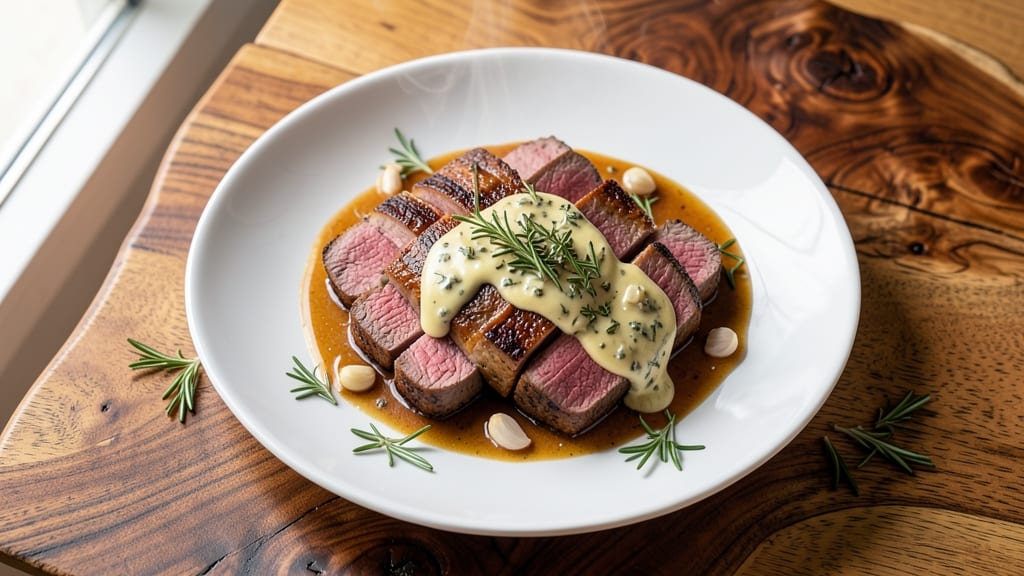
Mastering Emeril Lagasse's beef tenderloin recipe delivers a juicy pink heart surrounded by perfectly seared crust—this is the showstopper centerpiece for any special occasion. The secret lies in precise temperature control and an aromatic herb crust that locks in flavor while keeping the interior tender.
I've refined this technique over years of high-heat cooking, ensuring every bite delivers that perfect balance of richness and texture.
What sets this recipe apart is the foolproof method for achieving that signature pink center while creating a caramelized exterior. You'll start with a dry-brine technique that guarantees moisture retention, followed by a high-heat sear that builds flavorful crust.
The herb crust—made with fresh rosemary, thyme, and garlic—adds aromatic depth without overpowering the beef's natural tenderness.
The result is a beef tenderloin that's restaurant-quality at home, with a golden-brown crust giving way to succulent, pink meat that melts in your mouth. The key steps—proper searing, basting with butter, and careful roasting—ensure consistent doneness every time.
This isn't just a recipe; it's a technique that transforms a simple cut into an unforgettable dining experience.
Pair with a bold red wine reduction and roasted root vegetables for a complete meal that impresses even the most discerning guests. The sides complement rather than compete with the beef, letting its natural flavors shine.
Let's get cooking—this is the kind of dish that makes you look like a professional chef.
Ingredients for emeril beef tenderloin
Six essential ingredients transform a simple beef tenderloin into Emeril's signature herb-crusted masterpiece.
| Ingredient | Amount | Notes |
|---|---|---|
| Beef Tenderloin 🥩 | 4 lb | Center-cut, trimmed of silver skin |
| Kosher Salt 🧂 | 1 ½ tbsp | Diamond Crystal preferred, coarse grain |
| Fresh Rosemary 🌿 | ½ cup | Finely chopped, stems removed |
| Fresh Thyme 🌿 | ¼ cup | Leaves only, stems discarded |
| Garlic Cloves 🧄 | 8 cloves | Minced, for herb crust |
| Unsalted Butter 🧈 | ½ cup | Cold, cut into 1-inch cubes |
| Extra-Virgin Olive Oil 🫒 | ¼ cup | High-quality, fruity variety |
| Black Peppercorns 🌶️ | 1 ½ tbsp | Freshly cracked, coarse grind |
| Dry White Wine 🍷 | ½ cup | Sauvignon Blanc preferred |
| Beef Bone Marrow 🦴 | 2 tbsp | For basting, optional luxury |
| Red Wine Reduction 🍷 | 1 cup | Homemade or high-quality store-bought |
| Fresh Parsley 🌿 | ¼ cup | Chopped, for garnish |
The beef tenderloin demands premium quality—look for a center-cut roast with even grain and minimal marbling, available at specialty butchers or high-end grocers like Whole Foods. Trim the silver skin thoroughly for a cleaner presentation, and avoid pre-cut pieces that may have lost moisture. The herb crust relies on fresh rosemary and thyme from the grocery store's refrigerated section—avoid dried substitutes here, as they lack the aromatic complexity. For garlic, peel and mince fresh cloves rather than using pre-minced, which oxidizes quickly. The butter should be European-style, 82% fat content for superior flavor development during searing.
Substitutions require careful consideration: dried herbs at half the quantity can work in a pinch, though texture and aroma will differ. For wine, dry vermouth or beef stock replicates acidity and depth, while Chardonnay serves as a suitable alternative to Sauvignon Blanc. The marrow is optional but recommended—substitute with additional butter if unavailable. For the red wine reduction, homemade from Cabernet Sauvignon delivers superior results, though quality store-bought versions like Bertolli work for convenience. The parsley garnish can be omitted entirely if fresh herbs aren't available, though it adds essential brightness to the finished dish.
Proper storage begins with the beef—keep the tenderloin in its original packaging in the coldest part of your refrigerator until ready to use, ideally within 2-3 days of purchase. The herb mixture can be prepared 1 day ahead and stored in an airtight container, though fresh herbs always yield superior results. Leftover cooked tenderloin should be reheated gently in the oven to prevent drying, and portions can be frozen for up to 3 months when wrapped tightly in plastic wrap and foil. The wine reduction freezes beautifully for 6 months, making it ideal for batch cooking.
Why You'll Love This Recipe
- Minimal Prep Required: I swear by this recipe because it’s not one of those “I spent all day in the kitchen” meals. Just a quick sear in the pan, a sprinkle of kosher salt, and a handful of fresh herbs—no fancy techniques, no stress.
- Herb-Packed Magic: That rosemary-thyme-garlic crust? It’s where the real magic happens. The tenderloin stays juicy inside while getting this perfect crispy edge—like a hug from Emeril himself.
- Weeknight or Dinner Party: Between us, this is my go-to when I’m feeding a crowd or just myself. Slice it thin for sandwiches, serve it whole for a showstopper, or toss it in salads—it’s always a win.
- Leftovers That Don’t Suck: Honestly, I usually make extra because the second night is even better. Cold slices in a charcuterie board? Yes. Reheated with a splash of red wine? Still ridiculously good. No sad, dry steak here.
Step-by-step instructions for Emeril's herb-crusted beef tenderloin
Master this technique and you'll achieve a perfectly tender, juicy center with a rich herb-crusted exterior.
Prepare the Herb Crust Mixture
In a small mixing bowl, combine the 0.5 cup fresh rosemary, 0.25 cup fresh thyme, 8 cloves minced garlic, 1.5 tbsp freshly cracked black peppercorns, and 1.5 tbsp kosher salt. Pulse with a fork until the herbs are finely chopped and the mixture forms a coarse paste. This herb blend creates the aromatic crust that seals in moisture while adding complex flavor layers.
Next, cut the 0.5 cup unsalted butter into 1-inch cubes and chill them in the refrigerator. The cold butter will help create a stable crust that adheres perfectly to the beef tenderloin. I like to work with cold ingredients here—it ensures the crust stays intact during searing and roasting.
Season and Crust the Beef Tenderloin
Remove the 4 lb beef tenderloin from the refrigerator at least 1 hour before cooking to bring it to room temperature. This allows for even cooking and better crust adhesion. Pat the tenderloin dry with paper towels—this step is critical for achieving a crispy crust. Any moisture on the surface will prevent proper browning.
Using your hands, press the herb mixture evenly over the entire surface of the tenderloin, working it into the crevices. Then, press the 0.5 cup cold butter cubes into the herb crust, ensuring they're distributed evenly. This creates a flavorful barrier that protects the meat during roasting while adding richness. Let the crusted tenderloin rest at room temperature for 20 minutes before cooking.
Sear and Roast to Perfection
Preheat your oven to 450°F. Heat a large oven-safe skillet over medium-high heat and add 0.25 cup extra-virgin olive oil. Once the oil is shimmering, carefully place the crusted tenderloin in the skillet, searing for 3-4 minutes per side until the crust is deeply golden brown and the internal temperature reaches 130°F. This initial sear locks in juices and creates a flavorful crust.
Transfer the skillet to the preheated oven and roast for 20-25 minutes, rotating the pan halfway through for even browning. The tenderloin is done when the internal temperature reaches 135°F—this ensures a perfect juicy pink center while maintaining a crispy exterior. Remove the tenderloin from the oven and let it rest for 15 minutes before slicing.
Create the Pan Sauce
While the tenderloin rests, place the skillet back on the stovetop over medium heat. Add 0.5 cup dry white wine and scrape up any browned bits from the bottom of the pan—this is where all the flavor lives. Simmer the wine for 2-3 minutes until reduced by half. Then, pour in 1 cup red wine reduction and stir to combine.
Remove the pan from heat and whisk in the 2 tbsp beef bone marrow (if using) for an ultra-rich finish. The marrow adds a luxurious depth of flavor that complements the herb crust beautifully. Strain the sauce through a fine-mesh sieve if you prefer a smoother texture, then return it to the pan and keep it warm.
Slice and Serve
Using a sharp carving knife, slice the tenderloin into 1-inch thick medallions against the grain. The 15-minute rest ensures the juices redistribute, so each slice remains succulent. Arrange the slices on a warm platter and drizzle generously with the pan sauce. Garnish with 0.25 cup chopped fresh parsley for a pop of color and freshness.
Serve immediately with roasted vegetables or a crisp white wine to complement the herb-crusted masterpiece. The result should be a tender, juicy center with a rich, aromatic crust that delivers on every bite—just like Emeril's signature style.
Pro Tips For Making Emeril Beef Tenderloin
- Sear in Two Stages: Start with a screaming-hot pan—cast iron or stainless steel—until you get that deep brown crust in 2-3 minutes per side. Then drop the heat to medium and finish cooking, or you’ll end up with a charred exterior and undercooked center. I learned this the hard way after ruining a $60 tenderloin by rushing the sear.
- Stuff the Garlic: Split those garlic cloves lengthwise and stuff them into the tenderloin’s slits, not just sprinkling them on top. The heat will render the oil right into the meat, infusing flavor deep instead of just on the surface. (Yes, it looks like overkill, but it’s worth it.)
- Don’t Crowd the Pan: If you’re cooking multiple pieces, resist the urge to toss them all in at once. Overcrowding steams the meat instead of searing it, and you’ll end up with sad, gray edges. Work in batches—even if it means an extra pan.
- Salt the Meat First: Season the tenderloin generously with kosher salt at least 40 minutes before cooking—this lets the salt penetrate and season the meat evenly. I used to skip this, and the crust never tasted as bold. (Pro move: Pat it very dry first.)
Flavor customization for this recipe
Classic Herb Crust
This signature version uses 0.5 cup fresh rosemary, 0.25 cup fresh thyme, and 8 minced garlic cloves mixed with 1.5 tbsp kosher salt and 1.5 tbsp cracked black pepper.
Press this aromatic blend onto the tenderloin along with 0.5 cup cold butter cubes for that iconic Emeril crust. The herbs infuse the meat with earthy, piney notes while the butter creates a golden, flavorful barrier. 🌿
Garlic & Mustard Twist
For a tangy kick, replace half the herb crust with 2 tbsp Dijon mustard and 4 minced garlic cloves. Mix this with the butter cubes before pressing onto the beef. The mustard adds brightness that cuts through the richness, while the extra garlic intensifies the savory depth.
This variation works especially well with a white wine reduction sauce instead of red. 🧄
Spicy Cajun Crust
Transform this into Emeril's signature Cajun style by adding 1 tbsp Cajun seasoning (like Emeril's Original Essence) to the herb crust. Include 1 tsp smoked paprika and ½ tsp cayenne pepper for heat.
The spices create a bold, slightly fiery crust that pairs perfectly with a Cajun-style red wine reduction made with 1 tbsp Worcestershire sauce and 1 tsp hot sauce. 🌶️
Brown Sugar Glaze Option
For a sweet-savory contrast, brush the tenderloin with a mixture of 2 tbsp brown sugar, 1 tbsp soy sauce, and 1 tbsp balsamic vinegar before searing.
This creates a caramelized glaze that complements the herb crust beautifully. The glaze works especially well with a honey-balsamic reduction sauce on the side. 🍯
Mushroom & Thyme Elevation
For an earthier profile, mix ½ cup finely chopped cremini mushrooms into the herb crust along with an extra 0.25 cup fresh thyme. The mushrooms add umami depth while keeping the crust's texture intact.
This variation pairs wonderfully with a wild mushroom pan sauce made from the mushrooms sautéed in the same skillet. 🍄
Cheese-Encrusted Luxury
For a decadent twist, mix ½ cup grated Gruyère cheese into the herb crust before pressing it onto the beef. The cheese melts slightly during cooking, creating an extra-rich, golden crust.
This version works best with a beurre blanc sauce made with ½ cup butter and ¼ cup white wine. The cheese adds a nutty, savory dimension that elevates the dish to gourmet status. 🧀
Nutrition facts
Frequently asked questions
Why does Emeril's recipe call for a pink center?
Beef tenderloin is one of the most tender cuts, and cooking it to 135°F internal temperature preserves its natural juiciness while ensuring safety. Overcooking to 145°F or higher turns it dry and tough. The pink center is a hallmark of premium steakhouse quality, delivering maximum tenderness and flavor.
Can I substitute bone marrow if I don't have any?
Yes! The marrow adds richness, but you can substitute it with an extra 1 tbsp unsalted butter or 1 tbsp heavy cream when making the pan sauce. For extra depth, use a 1 tbsp beef stock reduction instead. The sauce will still be delicious—just slightly less luxurious.
How do I adjust cooking time for a different-sized tenderloin?
For every pound beyond 4 lbs, add 10-15 minutes to the roasting time. For example, a 5 lb tenderloin would cook for 30-35 minutes after searing. Always use a meat thermometer to check for 135°F internal temperature. The 20-minute rest remains crucial regardless of size.
What's the best way to reheat leftovers?
Slice the tenderloin into portions and reheat in a 350°F oven for 10-15 minutes with a splash of beef stock or broth. Never microwave—it dries out the meat. For extra protection, wrap slices in foil before reheating. Leftover slices also work great in sandwiches or grain bowls.
Which wines pair best with this dish?
A bold Cabernet Sauvignon or Merlot complements the herb crust beautifully, while a crisp Chardonnay balances the richness. For white wine lovers, try a oaked Chardonnay with the garlic-mustard variation. Emeril often recommends a Bordeaux blend for its complexity.