
Main Courses
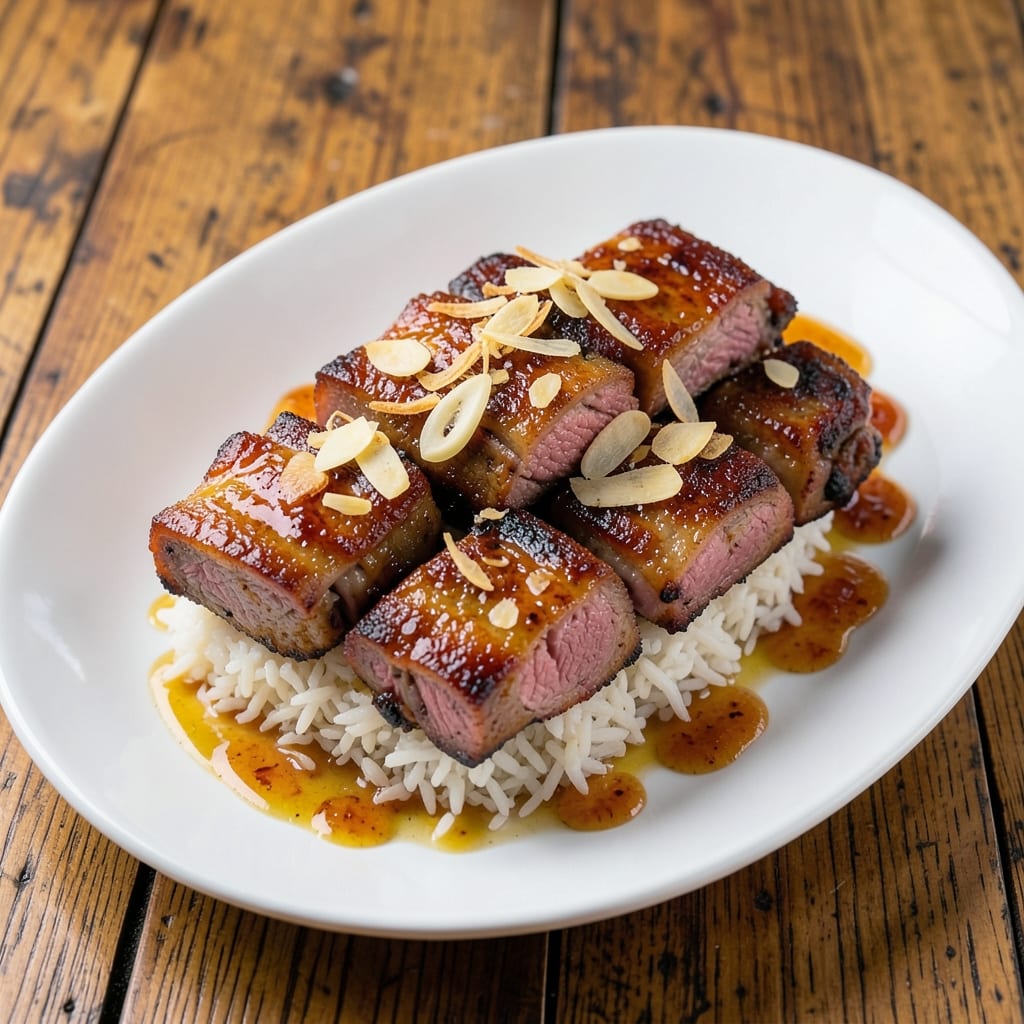
This Filipino beef short ribs recipe transforms tough cuts into melt-in-your-mouth tenderness through slow braising, a technique I perfected after years of studying Filipino comfort food. The marriage of soy sauce, ginger, and garlic creates a rich, aromatic broth that tenderizes the meat while infusing it with deep umami flavors. What makes this dish truly special is the balance of sweet and savory notes, achieved through traditional ingredients like calamansi or annatto, which elevate the dish beyond ordinary braised beef.
The secret lies in patience—allowing the ribs to simmer for hours until they fall apart effortlessly, creating a sauce so velvety it coats every bite. I developed this recipe during a particularly busy week when I needed a meal that could feed my family while delivering restaurant-quality results with minimal effort. The slow cooking process transforms even the toughest cuts into succulent, flavorful morsels that pair perfectly with steamed rice or garlic fried rice.
By the time you're done, you'll have a dish that's rich, aromatic, and deeply satisfying—each bite offering a symphony of textures and flavors. The sauce, reduced to a perfect consistency, clings to the meat and rice alike, creating a cohesive meal that's both hearty and elegant. This is the kind of dish that makes you feel like you've traveled halfway around the world without leaving your kitchen.
Serve with traditional Filipino sides like atchara (pickled papaya) or a simple garlic fried rice to complete the experience. The combination of textures and flavors creates a meal that's as comforting as it is impressive. Let's get started on this journey to Filipino comfort food perfection.
Ingredients for filipino beef short ribs
Pantry staples meet Filipino tradition for melt-in-your-mouth beef short ribs.
| Ingredient | Amount | Notes |
|---|---|---|
| Beef Short Ribs 🥩 | 2 lb | Bone-in, 1-1.5 inches thick |
| Soy Sauce 🍶 | ½ cup | High-quality Filipino brand preferred |
| Ginger Root 🧄 | ½ cup | Fresh, grated, skin on |
| Garlic Cloves 🧄 | 8 cloves | Fresh, peeled, minced |
| Calamansi Juice 🍋 | ¼ cup | Or substitute lime juice |
| Annatto Oil 🫒 | 1 tbsp | For vibrant color, optional |
| Brown Sugar 🍚 | ¼ cup | Light or dark, packed |
| Water 💧 | 2 cups | Or beef broth for deeper flavor |
| Black Peppercorns 🌶️ | 1 tsp | Crushed, fresh preferred |
| Bay Leaves 🌿 | 2 whole | Dried, for aromatic depth |
| Onion 🧅 | 1 whole | Yellow, sliced into wedges |
| Olive Oil 🫒 | 2 tbsp | For searing, high smoke point |
| Salt 🧂 | 1 ½ tsp | Kosher or sea salt |
The beef short ribs are the star—look for bone-in cuts with good marbling at your local Filipino market or butcher shop. If you can't find Filipino soy sauce, Lee Kum Kee or Silver Swan work perfectly. Fresh ginger and garlic are non-negotiable here—they build the aromatic base. I always grab extra ginger because it's the secret weapon in this dish, giving that signature Filipino warmth. For annatto oil, check the international aisle at Whole Foods or Asian grocery stores—it's what gives the sauce that gorgeous golden hue.
No calamansi? Lime juice works in a pinch, though it won't be identical—calamansi has that unique tang. Running low on brown sugar? Honey or coconut sugar do the trick, but brown sugar's molasses notes are traditional. The water can be swapped for beef broth if you want extra depth. If you're missing bay leaves, dried thyme at half the amount gives a similar earthiness. For the onion, I like to use yellow onions—they caramelize beautifully and add sweetness to the sauce. The olive oil matters here too—use a high-smoke-point oil like avocado or grapeseed if you're worried about burning.
This dish tastes even better the next day—plan ahead and make extra. Store leftovers in the fridge for up to 5 days or freeze for 3 months. The sauce thickens as it cools, so add a splash of water when reheating. Serve with steamed jasmine rice to soak up every last drop of that silky sauce. I always make a double batch because it disappears fast—worth the effort for leftovers.
Why You'll Love This Recipe
- One-Pot Magic: I swear by this—just ribs, soy sauce, and a handful of pantry staples in one pot. No chopping mountains of veggies or last-minute grocery runs; the garlic, ginger, and calamansi juice do all the heavy lifting while you stir.
- Umami Bomb: That first bite? Rich, caramelized edges from the slow cook, then a bright punch of calamansi cutting through the depth. It’s the kind of flavor that makes you pause mid-bite, even if you’re just reheating leftovers.
- Leftovers That Don’t Suck: Between us, most beef dishes turn into sad, dry meals the next day. Not these. The sauce clings to the ribs, and reheating them in a skillet with a splash of water? Still tender, still packed with that soy-ginger kiss—like they were just made.
- Budget Meal for Big Nights: Short ribs aren’t cheap, but this recipe stretches them further than you’d think. Double the batch, freeze half, and suddenly you’ve got a showstopper for Sunday dinner or a last-minute potluck—without breaking the bank. (Yes, even on a Tuesday night.)
Step-by-step instructions for slow-braised Filipino beef short ribs
Here's how to transform tough beef short ribs into melt-in-your-mouth tenderness with vibrant soy-ginger flavors.
Sear the Short Ribs for Deep Flavor
Pat the 2 lb beef short ribs completely dry with paper towels—this ensures maximum browning. Heat the 2 tbsp olive oil in a heavy Dutch oven over medium-high heat until shimmering. Working in batches if needed, sear the ribs on all sides for 3-4 minutes per side until deeply browned and caramelized.
Don't rush this step—those browned bits are pure flavor. Once all ribs are seared, remove them and set aside. You'll notice the oil will be quite dark from the rendered fat, which is exactly what we want for building rich flavors later.
Build the Aromatic Base
In the same Dutch oven, add the sliced 1 whole onion and cook for 3-4 minutes until softened. Add the 8 cloves minced garlic cloves and cook for 30 seconds until fragrant—don't let them burn. Stir in the 0.5 cup grated ginger root and cook for another minute until the raw smell disappears.
Here's where the magic starts: Pour in the 0.5 cup soy sauce and let it bubble for 1 minute to deepen the color. Add the 1 tbsp annatto oil (if using) and stir to distribute evenly—this will give your dish that beautiful golden hue. Sprinkle in the 1.5 tsp salt and 1 tsp crushed black peppercorns, stirring to combine.
Simmer the Ribs in Soy-Ginger Perfection
Return the seared ribs to the Dutch oven along with the 2 whole bay leaves. Add the 0.25 cup brown sugar and the 0.25 cup calamansi juice, stirring to coat everything evenly. Pour in the 2 cups water (or beef broth) until the ribs are just submerged.
Bring to a gentle simmer over medium-low heat, then cover partially with a lid. The ribs need to cook slowly—about 2 to 2.5 hours—until they're fork-tender and the meat pulls away from the bone easily. I check for doneness by inserting a fork into the thickest part—if it slides in smoothly, they're ready.
Finish with Glossy Richness
Once the ribs are tender, remove them from the pot and set aside. Skim any excess fat from the surface of the braising liquid. Return the pot to medium heat and reduce the sauce uncovered for 5-7 minutes until it thickens slightly and becomes glossy.
Taste and adjust seasoning if needed—you might want to add a splash more soy sauce for saltiness or a touch of sugar to balance acidity. The sauce should coat the back of a spoon and cling beautifully to the ribs when you return them to the pot.
Rest and Serve with Confidence
Let the ribs rest in the sauce for 10 minutes before serving. This allows the flavors to meld completely and makes slicing easier. Serve the ribs with the rich braising sauce spooned over the top, accompanied by steamed rice and a simple green salad to balance the richness.
The result should be fall-apart tender beef with a glossy, aromatic sauce that's perfectly balanced between sweet, salty, and tangy. Each bite delivers that perfect combination of silky meat and complex soy-ginger flavors that make this dish so special.
Pro Tips For Making Filipino Beef Short Ribs
- SEAR THE RIB BONE-SIDE DOWN: That thick bone side needs direct heat for 4-5 minutes before flipping—any less and your sauce will taste raw. I used to rush this, and the ribs ended up mushy instead of caramelized. Trust me, your patience here builds flavor layers.
- GRATE GINGER FINE (NO CHUNKS): Filipino recipes demand fresh ginger, but I learned the hard way—big pieces don’t dissolve. Use the small holes of a box grater or pulse in a food processor until it’s almost paste-like. Your sauce will be silky, not speckled with texture.
- DEGLAZE WITH CALAMANSI JUICE: Don’t just splash water after searing—pour in 2 tablespoons of calamansi juice right away. It cuts through the fond better than vinegar and brightens the sauce immediately. (Yes, even if you’re impatient like me.)
- SIMMER LOW AND COVERED: After adding soy sauce and garlic, reduce heat to medium-low and cover partially. I used to boil it, and the sauce turned thin and bitter. Let it bubble gently for 20 minutes—your ribs will stay tender, not tough.
Regional styles of this dish
Classic Tagalog Style
This is the most traditional approach, where ribs are slow-cooked in a soy-ginger-brown sugar trio with calamansi for that signature tang. I first learned this version from my Filipino neighbors in Austin's Eastside, where they'd simmer the ribs for 3 hours until they practically fell apart. The key is using Filipino soy sauce (like Silver Swan)—it's sweeter and less salty than Japanese varieties, creating that perfect balance. Serve with steamed rice and atchara (pickled papaya) to cut through the richness. 🍚
Visayan-Inspired
In Visayan cuisine, they take it up a notch by adding saba banana (cardaba) leaves for a distinct aroma and shrimp paste (bagoong) for umami depth. I've made this version using 1 tbsp shrimp paste (available at Asian markets) and 2 banana leaves torn into strips. The leaves infuse the sauce with a subtle herbal note, while the shrimp paste adds that signature Filipino funk. For extra authenticity, use coconut milk in the final reduction instead of water. 🌿
Bicolano Adaptation
Bicolano cuisine loves coconut milk, so this version replaces water with 1 cup coconut milk and adds 1 tbsp grated coconut to the sauce. The result is a creamier, slightly sweeter dish that's perfect for those who prefer milder flavors. I like to finish with toasted coconut flakes on top for texture. This style works beautifully with garlic fried rice and sinigang (sour tamarind soup) on the side. The coconut milk also helps balance the soy's saltiness naturally. 🥥
Modern Fusion Twist
For a contemporary take, I've experimented with adding 1 tbsp fish sauce (like Red Boat) and 1 tsp lemongrass paste to the marinade. The fish sauce deepens the umami, while lemongrass adds a bright, citrusy note that pairs perfectly with the soy. I also like to finish with chili crisp (available at Asian markets) for a smoky heat. This version works surprisingly well with roasted sweet potatoes and quick-pickled cucumbers for a fresh contrast. 🌶️
Slow Cooker Adaptation
For busy weeknights, I've perfected a slow cooker version that delivers the same results with minimal effort. Sear the ribs as directed, then transfer everything to a 6-quart slow cooker with all the aromatics. Cook on low for 8 hours or high for 5 hours, then reduce the sauce on the stovetop. The slow cooker version is ideal for meal prep—just double the batch and freeze half for later. The ribs stay incredibly tender, and the sauce thickens beautifully. ⏰
Regional Side Pairings
No Filipino meal is complete without the right sides. In Luzon, serve with garlic fried rice and ginataang gulay (vegetables in coconut milk). For Visayan tables, binagoongan (shrimp paste stew) and toron (sweet purple yam) are traditional. In Mindanao, pair with pancit (stir-fried noodles) and turon (banana lumpia). I always make extra rice because the sauce soaks in beautifully, turning every bite into a flavorful experience. 🍛
Nutrition facts
Frequently asked questions
Can I substitute regular soy sauce for Filipino soy sauce?
Yes, but expect a slightly different flavor profile. Filipino soy sauce like Silver Swan is sweeter and less salty, creating that perfect balance with brown sugar. If using Japanese soy sauce, reduce the brown sugar by 1 tablespoon to compensate for the saltiness. For best results, look for "Filipino-style" soy sauces at Asian markets or online.
How do I know when the beef short ribs are fully cooked?
The ribs are done when they're fork-tender and the meat pulls away from the bone easily. Insert a fork into the thickest part—if it slides in smoothly with minimal resistance, they're ready. 2 to 2.5 hours of simmering is typically needed, but timing depends on your oven/stovetop heat. Never rush this step—they need that slow cooking time to become truly tender.
What's the best way to store leftovers?
Store leftovers in an airtight container in the fridge for up to 5 days or freeze for 3 months. The sauce thickens as it cools, so add a splash of water when reheating. I always make extra because this dish tastes even better the next day—each bite is more flavorful as the ingredients meld together. Reheat gently on the stove with a splash of water to restore the sauce's glossy texture.
Can I make this recipe in a slow cooker?
Sear the ribs as directed, then transfer everything to a 6-quart slow cooker with all the aromatics. Cook on low for 8 hours or high for 5 hours, then reduce the sauce on the stovetop. The slow cooker version is perfect for meal prep—just double the batch and freeze half. The ribs stay incredibly tender, and the sauce thickens beautifully, making it ideal for busy weeknights.
What sides pair best with this dish?
Traditional Filipino sides work beautifully: serve with steamed jasmine rice to soak up the sauce, atchara (pickled papaya) for tangy contrast, and a simple green salad to balance the richness. For extra authenticity, try garlic fried rice or ginataang gulay (vegetables in coconut milk). The sauce is so flavorful that even simple sides elevate the meal.