
Main Courses
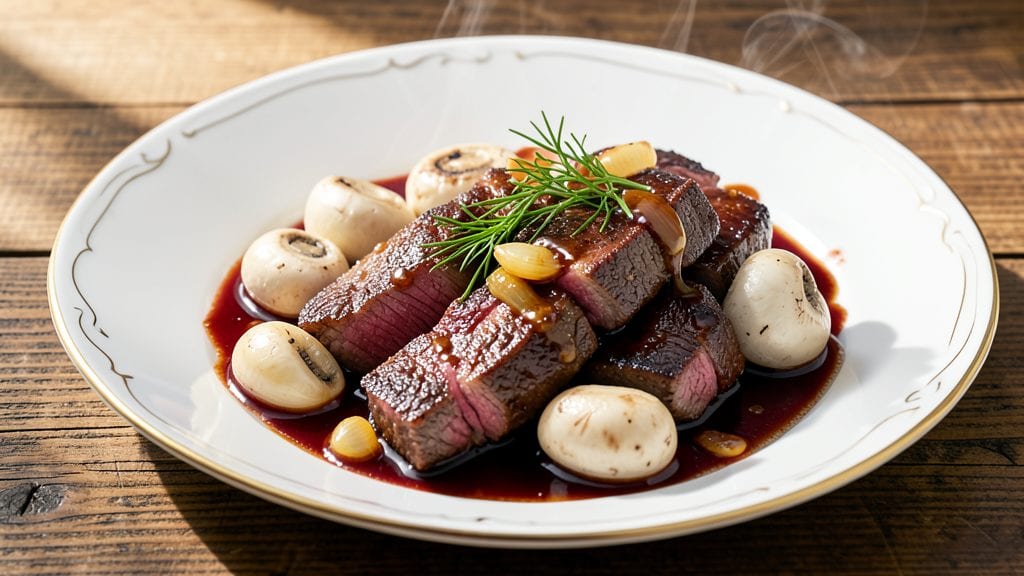
Ina Garten's beef stroganoff recipe transforms a classic into something truly special with its velvety mushroom-wine sauce and tender beef. The key lies in slow-cooked beef, earthy mushrooms, and a rich velouté that balances acidity and creaminess—just like Ina's signature dishes.
This isn't your grandmother's stroganoff; it's restaurant-quality comfort food with professional touches like brandy deglazing and fresh herbs.
The secret starts with proper technique: searing beef in batches for deep flavor, then building the sauce with a classic French velouté base. Ina's method incorporates sour cream and Dijon mustard at the right moment, ensuring a creamy yet balanced finish.
The egg noodles—pillowy and al dente—complete the dish, soaking up every drop of that luxurious sauce.
What you'll end up with is a dish that's rich, velvety, and perfectly balanced—creamy without being heavy, with tender beef and mushrooms in every bite. The aroma alone will have everyone anticipating dinner, while the presentation makes it feel like a special occasion meal.
This is the stroganoff Ina Garten would serve at her own table.
Serve with a simple side salad or roasted vegetables to balance the richness, and garnish with fresh dill or parsley for that final touch of elegance. The recipe delivers professional results with simple ingredients and clear instructions—perfect for weeknight dinners that feel like a celebration.
Ingredients for ina garten beef stroganoff
Restaurant-quality beef stroganoff begins with premium cuts and expertly balanced ingredients.
| Ingredient | Amount | Notes |
|---|---|---|
| Beef Tenderloin 🥩 | 1 ½ lb | Center-cut, sliced into 1/2-inch strips |
| White Button Mushrooms 🍄 | 16 oz | Sliced into even pieces |
| Shallots 🧅 | 2 whole | Minced, about 2 tbsp |
| Garlic Cloves 🧄 | 4 cloves | Minced, fresh preferred |
| Dry Red Wine 🍷 | 1 cup | Cabernet Sauvignon or Merlot |
| Brandy 🍸 | 2 tbsp | For deglazing, optional but recommended |
| Unsalted Butter 🧈 | 4 tbsp | Cold, cut into small cubes |
| All-Purpose Flour 🌾 | 2 tbsp | For velouté base |
| Beef Stock 💧 | 1 ½ cups | Homemade or high-quality store-bought |
| Sour Cream 🥛 | ½ cup | Full-fat for creaminess |
| Dijon Mustard 🍯 | 1 tsp | For depth of flavor |
| Fresh Dill 🌿 | ¼ cup | Chopped, for garnish |
| Egg Noodles 🍝 | 12 oz | Fresh or high-quality dried |
| Diamond Crystal Kosher Salt 🧂 | 1 tsp | For seasoning |
| Freshly Ground Black Pepper 🌶️ | ½ tsp | For seasoning |
The beef selection is critical—center-cut tenderloin delivers the most tender, even cooking results. Whole Foods Market or local butcher shops often carry this cut pre-sliced, saving time. If purchasing whole, ask for it to be sliced against the grain into 1/2-inch strips. For mushrooms, cremini or baby bella add depth, but white buttons work perfectly for this classic preparation. The shallots and garlic should be fresh, with vibrant color and no signs of sprouting. Penzeys Spices sells pre-minced shallots in jars, which can be a time-saver for busy weeknights.
Substitutions should preserve the dish's balance. No red wine? Dry sherry or beef broth works in a pinch, though the sauce will lack complexity. Brandy can be omitted entirely, but the depth of flavor diminishes without it. For the velouté base, cornstarch slurry can replace flour if gluten-free is required, though texture will differ slightly. Fresh dill is essential for that bright finish, but dried dill at one-third the amount maintains the flavor profile. When selecting egg noodles, Barilla or De Cecco brands offer the ideal al dente texture when cooked to perfection.
Proper storage ensures optimal flavor retention. The beef should be used immediately after purchasing for peak tenderness, while mushrooms and shallots keep in the refrigerator for 5-7 days when stored in paper bags. Fresh dill stays vibrant for 5 days when wrapped in damp paper towels and sealed in a plastic bag. The cooked stroganoff reheats beautifully—simmer gently on low heat with a splash of beef stock to restore its creamy texture. Portion into individual containers for easy lunches, where it remains flavorful for 3-4 days in the refrigerator.
Why You'll Love This Recipe
- One-Pan Magic: I swear by this recipe—just sear the tenderloin, toss in the shallots and mushrooms, deglaze with that red wine, and let it simmer. No chopping boards piled high, no extra pots. The wine reduces right in the pan, turning into a glossy, savory sauce that practically coats itself.
- Wine-Infused Richness: That dry red wine isn’t just for show—it’s the secret. It cuts through the beef’s richness while letting the garlic and mushrooms shine. The sauce ends up velvety with just enough acidity to make every bite feel like a little celebration. (Yes, even on a Tuesday night.)
- Leftovers That Beg for Seconds: This dish actually improves the next day. The flavors meld even more, and the sauce thickens into something almost luxurious. I’ll be real: I’ve reheated it three times in a row because it’s that good. Freeze half if you’re not disciplined enough to stop at one serving.
- Date-Night Ready (or Not): Fancy enough for company but zero-stress if you’re eating solo. The beef tenderloin feels special, but the prep is so simple my kids could handle it (okay, maybe not the knife work, but they’ll love the mushrooms). Dump it on noodles, serve it over rice, or eat it straight from the pan—no judgment here.
Step-by-step instructions for Ina Garten's beef stroganoff
Here's the method to achieve that signature velouté texture and perfect balance of richness.
Sear the Beef Tenderloin in Strips
Heat a large skillet over medium-high heat and add 2 tablespoons of the unsalted butter. Once the butter foams, add the 1.5 lb beef tenderloin sliced into ½-inch strips in a single layer. Let them sear undisturbed for 2-3 minutes until they develop a deep golden crust on one side. You'll see the edges begin to brown before they release easily from the pan.
Flip the strips and sear the other side for another 2-3 minutes. Remove them to a plate and set aside. The beef should be medium-rare at this stage—it will finish cooking in the sauce. If the butter begins to smoke before the beef browns, reduce the heat slightly to prevent burning.
Build the Mushroom-Wine Velouté Base
In the same skillet, add the remaining 2 tablespoons unsalted butter and reduce heat to medium. Add the 16 oz sliced white button mushrooms and cook for 5-6 minutes until they release their moisture and begin to soften. Stir occasionally to ensure even cooking.
Add the 2 whole minced shallots and 4 cloves minced garlic cloves, cooking for another 2 minutes until the shallots are translucent and the garlic is fragrant. This step develops the aromatic foundation of the sauce. If the mushrooms release too much liquid, let it evaporate completely before proceeding.
Deglaze and Develop the Sauce
Pour in the 1 cup dry red wine and scrape the browned bits from the bottom of the pan with a wooden spoon. This deglazing captures all the flavor that would otherwise be lost. Let the wine simmer for 3-4 minutes until reduced by half, until it coats the back of a spoon.
Add the 2 tablespoons all-purpose flour and stir vigorously for 1 minute to remove any raw flour taste. Slowly whisk in the 1.5 cups beef stock and bring the mixture to a gentle simmer. Let it cook for 8-10 minutes until the sauce thickens enough to lightly coat the back of a spoon. This is where the velouté texture begins to form.
Finish with Brandy and Creamy Elements
Remove the skillet from heat and stir in the 2 tablespoons brandy. If using, the brandy will add a subtle depth of flavor. Return the pan to low heat and whisk in the 0.5 cup sour cream and 1 teaspoon Dijon mustard. Stir gently to avoid curdling the cream. The sauce should now be smooth and velvety.
Return the beef strips to the skillet and let them warm through in the sauce for 2-3 minutes. Season with 1 teaspoon diamond crystal kosher salt and 0.5 teaspoon freshly ground black pepper. Taste and adjust seasoning if needed—this is where the balance of acidity, richness, and salt comes together.
Cook the Noodles and Assemble
In a separate pot, bring 4 cups of salted water to a rolling boil. Add the 12 oz egg noodles and cook according to package instructions until al dente. Reserve ½ cup of pasta water before draining, as it helps adjust the sauce consistency.
Toss the drained noodles with the beef stroganoff sauce, adding a splash of reserved pasta water if needed to create a creamy coating. Garnish with 0.25 cup chopped fresh dill and serve immediately. The noodles should be perfectly pillowy, and the sauce should cling beautifully to each strand, delivering that signature creamy texture promised in the title.
Pro Tips For Making Ina Garten Beef Stroganoff
- SEAR THE TENDERLOIN FAST: Use a screaming-hot pan—cast iron if you have it—and cut the tenderloin into 1-inch chunks before searing. I learned this the hard way: thin slices release juices too quickly, and you’ll end up with dry beef. High heat for 2-3 minutes per side until deep brown, then pull it out while it’s still pink inside.
- SLICE MUSHROOMS THIN AND DRY: Trim the stems from the mushrooms, then slice them paper-thin—about 1/8-inch thick. Pat them dry with a paper towel before cooking; wet mushrooms release too much water and turn your sauce into a sad, watery mess. This isn’t the prettiest method, but it’s the tastiest.
- DEGLLAZE WITH WINE IMMEDIATELY: As soon as you pull the beef out of the pan, pour in that dry red wine right away—don’t let those browned bits sit. Scrape the fond off the bottom with a wooden spoon while it’s still hot, and let it reduce by half before adding anything else. Skimp here, and your sauce will taste flat and one-dimensional.
- REST THE BEEF UNDER FOIL: Once the beef is cooked to your preferred doneness (medium-rare for stroganoff), transfer it to a plate, tent loosely with foil, and let it rest for 5-10 minutes. I know, I know—you’re eager to plate it—but cutting into it too soon turns that juicy tenderloin into a sad, stringy pile. Trust the process.
Common mistakes when making your ina garten beef stroganoff
Overcrowding the Pan
One of the biggest mistakes is trying to cook all the beef strips at once. When you overcrowd your pan, the strips will steam instead of sear, resulting in pale, flavorless meat.
I always work in batches—no more than ½ inch of space between strips—and let them develop that golden crust. This takes 2-3 minutes per side, but the flavor difference is night and day. 🔥
Skipping the Wine Reduction
Many recipes call for simply adding wine and moving on, but the magic happens when you reduce it by half. This step intensifies the flavor and removes the alcohol's harshness.
I let mine simmer until it coats the back of a spoon—usually 3-4 minutes. Skipping this means a thinner, less flavorful sauce that tastes more like watered-down wine.
Adding Sour Cream Too Early
The creamy element is what makes stroganoff special, but adding sour cream before the sauce is fully developed will cause it to curdle. I always remove the pan from heat before whisking in the ½ cup sour cream and 1 tsp Dijon mustard.
This gentle approach maintains that signature velvety texture without any lumps. 💡
Ignoring the Beef's Doneness
Many cooks pull the beef out of the sauce too early, resulting in tough, overcooked strips. The beef should be medium-rare when seared, then finish cooking in the sauce.
I check the internal temperature with a thermometer—it should reach 130°F before removing it from the pan. It will carry over to 145°F while resting in the sauce.
Using Low-Quality Butter
Some recipes call for any butter, but the fat content and flavor matter here. I always use unsalted European-style butter like Plugrá or Kerrygold for its high fat content and rich flavor.
Margarine or lower-quality butters won't develop the same depth of flavor in the sauce. This is where professional results start with simple ingredients.
Overcooking the Mushrooms
Mushrooms release their moisture quickly, and if you cook them too long, they'll turn mushy instead of tender. I cook mine for just 5-6 minutes over medium heat, stirring occasionally.
If they release too much liquid, I let it evaporate completely before adding the wine. This keeps them firm and flavorful, not soggy. 🍄
Nutrition facts
Frequently asked questions
Can I use ground beef instead of tenderloin strips?
While ground beef works in a pinch, it won't give you the same tender, restaurant-quality texture. Ina Garten's version relies on the beef's natural juiciness and the way it finishes cooking in the sauce. If you must substitute, use 80/20 lean-to-fat ground chuck and brown it thoroughly in batches to develop flavor.
How do I make this dish ahead of time?
Stroganoff reheats beautifully! Cook the beef and sauce completely, then cool and refrigerate in an airtight container for up to 2 days. When ready to serve, gently reheat on low heat with a splash of beef stock to restore creaminess. Cook the noodles fresh—they absorb sauce better when hot.
What's the best way to thicken a watery sauce?
If your sauce is too thin, make a quick slurry with 1 tablespoon flour + 1 tablespoon cold water and whisk it in while the sauce simmers. Alternatively, stir in 1 teaspoon cornstarch mixed with 1 tablespoon water for a gluten-free option. Simmer for 2-3 minutes until thickened.
Can I make this vegetarian?
Replace the beef with champagne mushrooms or king oyster mushrooms sliced thickly. For extra protein, add 1 cup cooked lentils or crumbled tempeh that's been seared first. The sauce and noodles will still be rich and satisfying.
Why does my stroganoff taste too acidic?
The balance comes from the sour cream and Dijon mustard. If it's too tangy, stir in 1 teaspoon honey or brown sugar to round out the flavors. For future batches, reduce the wine by 2 tablespoons or add ½ teaspoon sugar when deglazing. Taste as you go—this is where the magic happens!