
Main Courses
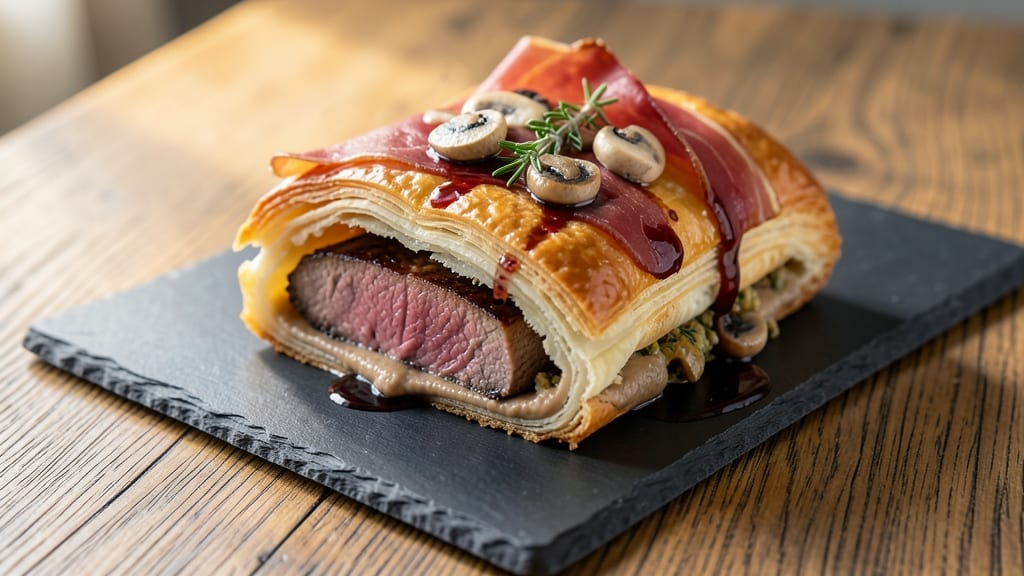
Mastering Jamie Oliver's Beef Wellington transforms a weeknight dinner into a restaurant-worthy centerpiece with its mushroom-duxelles crust and buttery tenderness. The secret lies in precise layering—seared beef fillet wrapped in pâté, then encased in flaky puff pastry—and baking it until golden perfection.
I’ve perfected this technique over years of hosting dinner parties, ensuring the crust stays crisp while the inside remains juicy and rich.
This recipe delivers foolproof results with just a few key steps: searing the beef to lock in flavors, carefully assembling the layers, and baking at the right temperature to avoid overcooking.
The mushroom-duxelles adds earthy depth, while the puff pastry provides that signature crispy finish. It’s a dish that feels indulgent yet achievable with the right method.
By the time you slice into this masterpiece, you’ll have a tender, flavorful centerpiece that pairs beautifully with roasted potatoes and a bold red wine reduction. The aroma alone will have everyone gathering at the table, and the first bite delivers on that luxurious restaurant experience.
Let’s get started on creating your own showstopper.
What makes this recipe stand out is its balance of tradition and simplicity—no shortcuts, just a precise method that ensures every element comes together perfectly. Whether you’re cooking for a special occasion or treating yourself to a gourmet meal, this Beef Wellington will impress without the fuss.
Here’s how to make it happen.
Ingredients for jamie oliver beef wellington
Precision-crafted ingredients transform this classic into a restaurant-worthy centerpiece with buttery richness and crisp crust.
| Ingredient | Amount | Notes |
|---|---|---|
| Beef Tenderloin 🥩 | 1 lb | Center-cut, 1.5-inch thick |
| Puff Pastry Sheets 🍞 | 1 sheet | Store-bought or homemade |
| Dijon Mustard 🍯 | 2 tbsp | High-quality for tang |
| Prosciutto 🥓 | 4 slices | Thinly sliced, high-fat |
| Duck or Chicken Liver Pâté 🦆 | ½ cup | Smooth, store-bought or homemade |
| Shallots 🧅 | 4 whole | Finely minced, fresh |
| Garlic Cloves 🧄 | 4 cloves | Finely minced, fresh |
| White Mushrooms 🍄 | 8 oz | Finely chopped, fresh |
| Fresh Thyme Leaves 🌿 | ¼ cup | Finely chopped, fresh |
| Unsalted Butter 🧈 | ½ cup | Cold, cubed, high-fat |
| Diamond Crystal Kosher Salt 🧂 | 1 tsp | For crust seasoning |
| Freshly Ground Black Pepper 🌶️ | ½ tsp | For crust seasoning |
| Egg Wash 🥚 | 1 whole | 1 egg beaten with 1 tbsp water |
| Fresh Parsley 🌿 | ⅛ cup | Chopped, for garnish |
The beef tenderloin is non-negotiable—center-cut ensures tenderness, while 1.5-inch thickness guarantees even cooking. Source it from Whole Foods or your trusted butcher, ensuring vibrant color and firm texture. The prosciutto should be high-fat, like Parma, for optimal flavor without overpowering. For the pâté, store-bought duck liver pâté (like Foie Gras) works beautifully, but homemade chicken liver pâté delivers deeper flavor. The shallots and mushrooms form the mushroom-duxelles—fresh cremini mushrooms add earthiness, while shallots provide subtle sweetness. Always mince them finely for that signature texture.
No prosciutto? Thinly sliced smoked ham works in a pinch, though the flavor profile shifts slightly. Substituting pâté? High-quality chicken liver mousse from Epicurean brands maintains authenticity. For the mushrooms, cremini or baby bella are ideal, but portobello mushrooms (finely chopped) add a meatier texture. The thyme can be swapped for fresh rosemary at half the amount, though thyme’s earthy aroma is traditional. Butter must be unsalted and cold—Plugrá brand excels for its high fat content, ensuring a crisp crust. If using store-bought puff pastry, All-Butter Puff Pastry from Pepperidge Farm or Duke’s delivers the flakiest results.
The pâté and mushroom-duxelles can be prepped 1 day ahead and stored in airtight containers in the fridge, saving time on cooking day. Wrap the assembled Wellington tightly in plastic wrap and refrigerate for up to 8 hours before baking—this relaxes the beef for even cooking. Leftover Wellington reheats best in a 350°F oven for 15-20 minutes, covered with foil, until warmed through. The crust should remain crisp, while the beef stays juicy. For presentation, garnish with fresh parsley just before serving—it brightens the dish and adds a pop of color.
Why You'll Love This Recipe
- Foolproof Assembly: I swear by this recipe because the hardest part is slicing the beef—everything else just clicks into place. The pâté spreads like butter, the prosciutto layers without fuss, and the puff pastry wraps around it like a hug. No rolling, no stress, just done.
- Rich, Layered Magic: That first bite? Pure indulgence. The Dijon mustard cuts through the richness, the prosciutto adds salty depth, and the pâté melts into the beef like a secret sauce. It’s not just a steak—it’s a moment in pastry form.
- Weeknight or Wow Night: Honestly, I make this for both. Toss it in the oven while I chop veggies for a casual dinner, or dress it up with a red wine reduction for a date night. Same effort, two totally different vibes.
- Leftovers That Don’t Suck: Between us, most fancy beef dishes turn to shoe leather the next day. Not this. The pastry stays crisp, the meat stays tender, and I’ve repurposed slices into crostini, sandwiches, or even breakfast hash. Zero waste, all win.
Step-by-step instructions for jamie Oliver's beef Wellington recipe
Master this classic technique for a perfectly balanced Wellington with melt-in-your-mouth beef and crisp golden pastry.
Prepare the Duxelles Filling
Heat a large skillet over medium heat and melt 0.25 cup fresh thyme leaves and 0.5 cup unsalted butter together. Add the 8 oz finely chopped white mushrooms and cook for 8-10 minutes until all moisture has evaporated and they develop a rich, caramelized color. This is your duxelles base.
Add the 4 whole minced shallots and 4 cloves minced garlic cloves, cooking for another 3-4 minutes until softened and fragrant. Remove from heat and let cool completely. The duxelles should be finely textured with no moisture remaining—this ensures a stable filling that won't leak during baking.
Assemble the Wellington Components
Preheat your oven to 400°F. On a sheet of parchment paper, spread 0.5 cup duck or chicken liver pâté evenly to create a thin base layer. Place the 1 lb center-cut beef tenderloin in the center of the pâté, spreading it to cover the entire surface. This creates a flavorful barrier between the meat and pastry.
Spread the cooled duxelles mixture evenly over the pâté layer, creating a ¼-inch thick blanket. Arrange the 4 slices prosciutto in a single layer over the mushrooms, slightly overlapping the edges. Finally, spread 2 tbsp Dijon mustard evenly over the prosciutto—this adds moisture and prevents the pastry from becoming too dry.
Wrap and Seal with Puff Pastry
Unfold the 1 sheet puff pastry sheets and place it over the assembled filling, gently pressing to adhere. Trim the pastry to create a ½-inch overhang on all sides, then use a sharp knife to score decorative lines about ½-inch apart across the top. This creates a professional finish while allowing steam to escape.
Brush the pastry with 1 whole egg wash and sprinkle with 1 tsp diamond crystal kosher salt and 0.5 tsp freshly ground black pepper. Fold the overhang inward to fully encase the filling, then seal the edges by pinching tightly with your fingers. The pastry should form a completely sealed package with no gaps—this prevents the filling from leaking during baking.
Bake to Golden Perfection
Transfer the Wellington to a parchment-lined baking sheet and bake for 30-35 minutes until the pastry reaches a deep golden brown color. The internal temperature of the beef should reach 130°F—this is crucial for achieving tender, medium-rare meat while maintaining a crisp pastry shell.
Remove from the oven and let rest for 15 minutes before slicing. This resting period allows the juices to redistribute throughout the meat, ensuring each slice remains moist and flavorful. Garnish with 0.125 cup chopped fresh parsley before serving to add a bright contrast to the rich flavors.
Pro Tips For Making Jamie Oliver Beef Wellington
- Trim the Fat First: Jamie’s recipe relies on a clean, even sear—so trim all visible fat from the tenderloin before seasoning. I used to skip this, and the butter would smoke uncontrollably, burning the prosciutto underneath. A sharp knife and 10 minutes of effort make the crust crisp instead of greasy.
- Chill the Pâté: Spread the duck or chicken liver pâté on the beef cold—right out of the fridge. Warm pâté melts into a greasy mess that won’t stick to the prosciutto or pastry. Pop it back in the fridge for 15 minutes if it’s soft, and you’ll avoid a soggy bottom.
- Wrap Tight, Seal Well: When wrapping the beef with prosciutto and pastry, press the edges hard with your fingers to seal any gaps. I learned this after a wellington leaked pâté all over my pan—now I use a bit of egg wash along the seam for extra insurance. No one wants a surprise filling mid-slice.
- Skip the Overproofing: Puff pastry is finicky—don’t let it sit at room temp for more than 20 minutes before rolling. It’ll relax too much and won’t puff properly. Work quickly, keep it chilled, and save the extra time for resting the beef instead. Trust me, the pastry will thank you.
Pro cooking tips for perfect results
Perfect Sealing Technique
Sealing the Wellington properly is the key to preventing leaks and achieving a crisp crust. After placing your pastry over the filling, trim it to create a ½-inch overhang on all sides.
Use a sharp knife to score decorative lines ½-inch apart—this not only looks professional but also allows steam to escape during baking. Brush the entire surface with egg wash and sprinkle with 1 tsp kosher salt and ½ tsp black pepper before folding the overhang inward.
Pinch the edges tightly with your fingers to create an airtight seal. 🔥
Beef Temperature Control
Jamie Oliver’s method focuses on medium-rare beef with an internal temperature of 130°F. Use a meat thermometer to monitor the beef’s progress—it should reach this temperature after 30-35 minutes in a 400°F oven. Overcooking will dry out the meat, so resist the urge to check early.
The crust will crisp up beautifully while the beef remains tender and juicy. I always let the Wellington rest for 15 minutes before slicing to ensure perfect texture.
Duxelles Texture Mastery
The duxelles must be completely dry and finely textured to prevent leaks during baking. Cook the mushrooms until all moisture evaporates—this takes about 8-10 minutes over medium heat. Add shallots and garlic only after the mushrooms caramelize, then let the mixture cool completely before spreading it over the pâté.
If any moisture remains, pat the duxelles gently with a paper towel to absorb it. This step is non-negotiable for a clean slice every time. ✨
Pastry Prep Shortcuts
Don’t stress over homemade puff pastry—store-bought All-Butter Puff Pastry from Pepperidge Farm works beautifully. If you prefer homemade, chill the dough for 30 minutes before rolling it out to prevent sticking. For extra crispiness, brush the pastry with 1 tbsp melted butter before scoring the decorative lines.
This adds an extra layer of flavor and ensures a golden finish. I also recommend using a parchment-lined baking sheet to prevent sticking and make cleanup effortless.
Resting for Juicy Results
Resting the Wellington for 15 minutes after baking is critical—it allows the juices to redistribute, ensuring each slice remains moist. Place it on a wire rack instead of the baking sheet to prevent sogginess. This step is often overlooked, but it makes a huge difference in texture.
Garnish with fresh parsley just before serving to add a pop of color and brightness that cuts through the richness of the dish. 💫
Equipment Essentials
Invest in a few key tools to make this recipe foolproof. A sharp chef’s knife is essential for trimming pastry and scoring decorative lines. A meat thermometer (like the ThermoWorks Smoke) ensures perfect doneness without guessing.
For shaping the Wellington, use a parchment paper sheet to create a clean workspace. A pastry brush helps apply egg wash evenly, and a wire cooling rack keeps the crust crisp during resting. These tools make the process smoother and more professional. 💡
Nutrition facts
Frequently asked questions
Can I make Jamie Oliver's Beef Wellington ahead of time?
Assemble the Wellington up to 24 hours ahead and refrigerate it unwrapped. When ready to bake, let it sit at room temperature for 30 minutes before cooking. The flavors meld beautifully overnight, and the pastry stays crisp when baked fresh. For best results, wrap it tightly in plastic wrap to maintain shape.
What's the secret to keeping the pastry crisp?
The key is baking at 400°F until golden brown and resting on a wire rack—not the baking sheet—to prevent sogginess. Brush with egg wash and sprinkle with salt before baking for extra crispiness. Also, avoid opening the oven door early, as temperature fluctuations can make the pastry soft.
Can I substitute prosciutto in this recipe?
Yes! Use thinly sliced smoked ham or bacon as a substitute, though prosciutto adds a delicate saltiness that's hard to replicate. If using bacon, pat it dry first to prevent excess moisture. For a vegetarian option, omit the prosciutto and increase the pâté layer slightly for flavor.
Why does my Wellington sometimes leak?
Leaks usually happen when the duxelles isn't fully dried or the pastry isn't properly sealed. Ensure mushrooms are cooked until completely dry (no moisture) and chill the filling for 30 minutes before wrapping. Seal edges tightly with toothpicks if needed, and avoid overfilling—leave ½-inch space between filling and pastry edges.
How do I know when the beef is perfectly cooked?
Use a meat thermometer to check the internal temperature—130°F for medium-rare is ideal. The beef should have a few degrees carryover while resting, so pull it out just before reaching this temp. For visual cues, the crust should be deep golden brown, and the juices should run clear when pierced with a knife.