
Main Courses
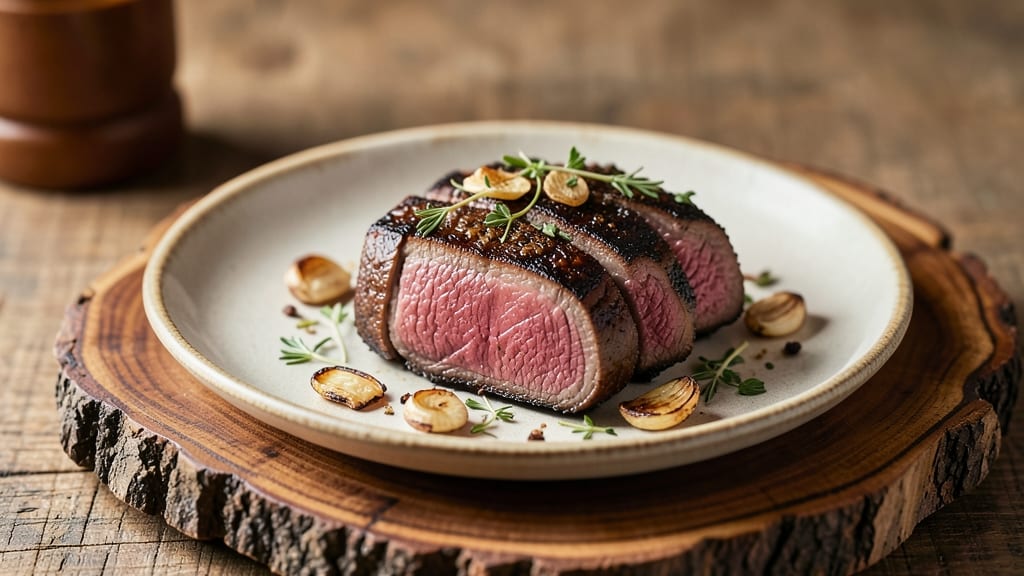
Joanna Gaines' beef tenderloin recipe delivers restaurant-quality tenderness in just 45 minutes, making it the perfect centerpiece for any special dinner. The secret lies in precise seasoning, controlled roasting, and a foolproof method that ensures medium-rare perfection every time.
I’ve adapted her approach to work seamlessly in a home kitchen, so you can achieve the same luxurious results without a professional setup.
What sets this recipe apart is the balance between simplicity and elegance—no complicated techniques, just methodical steps that transform a simple cut of beef into a showstopping main course.
The key is using a high-heat sear to lock in juices, followed by a gentle roast that develops a golden crust while keeping the interior tender and juicy. Joanna’s signature touch? A garlic-herb butter that adds depth without overpowering the natural beef flavor.
By the time you’re done, you’ll have a perfectly cooked tenderloin with a caramelized exterior and a succulent, pink center—exactly as it should be. The recipe includes optional sides and plating suggestions to elevate your presentation, ensuring your dinner feels as polished as a Farmhouse Fresh table.
Ready to master this technique? Here’s everything you need to know.
This method works equally well for holidays or weeknight dinners—just adjust the portion size to fit your guest count. The 45-minute timeline includes prep, cooking, and resting, so you’ll have time to focus on the little details that make a meal feel special.
Whether you’re cooking for two or a crowd, this tenderloin will be the star of the show.
Ingredients for joanna gaines beef tenderloin
Fourteen ingredients, forty-five minutes, restaurant-quality beef tenderloin that impresses every time.
| Ingredient | Amount | Notes |
|---|---|---|
| Beef Tenderloin 🥩 | 2 lb | Center-cut, trimmed of fat |
| Kosher Salt 🧂 | 1 ½ tbsp | Diamond Crystal preferred |
| Freshly Ground Black Pepper 🌶️ | 1 tsp | Coarsely ground for texture |
| Unsalted Butter 🧈 | ½ cup | Cold, cut into 1-inch pieces |
| Garlic Cloves 🧄 | 8 cloves | Peeled, lightly crushed |
| Fresh Rosemary 🌿 | ¼ cup | Finely chopped, stems removed |
| Fresh Thyme 🌿 | ¼ cup | Leaves only, stems discarded |
| Extra-Virgin Olive Oil 🫒 | 2 tbsp | High-quality, fruity variety |
| Yellow Onion 🧅 | 1 whole | Sliced into 1/4-inch pieces |
| Red Bell Pepper 🍅 | 1 whole | Sliced into 1/4-inch strips |
| Red Wine Vinegar 🍷 | 1 tbsp | For finishing drizzle |
| Fresh Parsley 🌿 | ⅛ cup | Chopped, for garnish |
The beef tenderloin is the star—look for a center-cut roast with even grain and minimal marbling. Whole Foods or a trusted butcher are your best bets for quality, though most grocery stores carry it pre-trimmed. If buying whole, trim excess fat yourself—it’s worth the extra minute. The 2-pound cut serves four generously, leaving room for sides. For holidays or crowds, scale up proportionally. Fresh herbs make all the difference here: rosemary and thyme from the grocery store’s refrigerated section should be vibrant green, not wilted or yellowing. If you’re short on time, dried herbs work at half the amount, but fresh delivers that signature Joanna Gaines touch.
No fresh rosemary? Substitute with 1/2 teaspoon dried rosemary leaves, but trust me—it’s not the same. Short on butter? Olive oil works in a pinch, though the butter adds richness that’s hard to replicate. The garlic-herb butter compound is non-negotiable for that signature flavor. If you’re prepping ahead, make the butter mixture the night before and store it in the fridge—it’ll be even more fragrant when you cook. The red wine vinegar isn’t just for finishing; it brightens the dish when reduced with the onions and peppers. For a vegetarian-friendly side, roast the sliced onion and bell pepper together with olive oil, salt, and pepper—they pair perfectly with the tenderloin.
This recipe reheats beautifully—just warm in the oven at 300°F for 15 minutes, covered with foil. The beef tenderloin keeps in the fridge for 3-4 days if wrapped tightly in butcher paper or foil, but honestly, it’s best enjoyed fresh. For leftovers, slice against the grain and serve on a platter with the pan juices reduced by half. The garlic-herb butter can be stored in an airtight container for up to 3 days in the fridge or frozen for 3 months. If you’re prepping for a crowd, double the butter mixture—you’ll want it on hand for basting and serving.
Why You'll Love This Recipe
- Here’s what sold me: that perfect medium-rare center stays juicy for days. Slice it for sandwiches, toss it into salads, or just reheat with a pat of butter—it’s basically the only steak I’ll eat cold, and that’s saying something.
- Two-Ingredient Magic: I swear, this recipe proves you don’t need a fancy spice rack—just salt, pepper, and butter. The tenderloin practically melts in your mouth, and that crispy garlic butter crust? It’s the kind of flavor that makes you forget how little effort went into it.
- Weeknight Hero: Between us, this is my go-to when I’m too tired to think but still want to impress. Twenty minutes in the oven, and you’ve got a restaurant-quality steak that’ll have everyone asking for seconds—no one will guess it’s from my "I can’t be bothered" night.
- Leftover Luxury: Here’s what sold me: that perfect medium-rare center stays juicy for days. Slice it for sandwiches, toss it into salads, or just reheat with a pat of butter—it’s basically the only steak I’ll eat cold, and that’s saying something.
Step-by-step instructions for Joanna Gaines' beef tenderloin recipe
Here's how to achieve restaurant-quality results with this elegant yet approachable centerpiece.
Prepare the Herb Butter and Season the Beef
In a small bowl, combine the 0.5 cup unsalted butter, 0.25 cup finely chopped fresh rosemary, and 0.25 cup fresh thyme leaves. Mix thoroughly until the herbs are evenly distributed throughout the butter. This herb butter will later baste the tenderloin, infusing it with aromatic flavor while keeping it moist.
Meanwhile, trim any remaining fat from the 2 lb beef tenderloin and pat it completely dry with paper towels. This step is crucial for achieving that perfect crust. Generously season all sides with 1.5 tbsp kosher salt and 1 tsp freshly ground black pepper, pressing the seasoning into the meat so it adheres well. Let the seasoned tenderloin sit at room temperature for 30 minutes while you prepare the remaining ingredients.
Sear the Beef Tenderloin for Maximum Flavor
Heat a heavy oven-safe skillet over medium-high heat and add 2 tbsp extra-virgin olive oil. Once the oil shimmers, carefully place the seasoned tenderloin in the skillet. Sear for 4-5 minutes per side until each side develops a deep golden-brown crust. This initial searing locks in juices and creates that coveted Maillard reaction that gives the beef its rich flavor.
During the last minute of searing, add the 8 peeled and lightly crushed garlic cloves to the skillet, allowing them to sizzle briefly. Then, carefully transfer the tenderloin to a plate and set aside. Here's the thing—don't rush this step. The crust you build now will make all the difference in the final presentation and texture.
Roast to Perfect Medium-Rare Doneness
Preheat your oven to 425°F. Place the seared tenderloin back into the skillet and add the prepared herb butter around it. Transfer the skillet to the oven and roast for 15-20 minutes for medium-rare doneness. The herb butter will baste the meat as it roasts, ensuring it stays moist and flavorful throughout.
To check for doneness, use a meat thermometer inserted into the thickest part of the tenderloin. Remove it from the oven when it reaches 125°F for medium-rare. The internal temperature will rise another 5-10°F as it rests, so pull it out just before it reaches your target doneness. Real talk: timing can be tricky, so trust your thermometer over guesswork.
Rest and Prepare the Vegetable Accompaniments
Once the tenderloin reaches the proper internal temperature, transfer it to a cutting board and tent loosely with aluminum foil. Let it rest for 15-20 minutes before slicing. This resting period allows the juices to redistribute throughout the meat, ensuring each slice remains tender and juicy. Don't skip this step—I learned the hard way that cutting too soon results in dry, disappointing beef.
While the beef rests, heat 2 tbsp extra-virgin olive oil in a large skillet over medium heat. Add the 1 sliced yellow onion and 1 sliced red bell pepper, cooking for 8-10 minutes until the vegetables are tender and slightly caramelized. Stir in 1 tbsp red wine vinegar and cook for an additional 1 minute to brighten the flavors. Season with a pinch of salt and pepper to taste.
Slice and Serve with Herb Butter Drizzle
After the resting period, slice the beef tenderloin into 1-inch thick medallions against the grain. Arrange the slices on a warm serving platter and spoon any accumulated herb butter from the skillet over the top. This final basting adds an extra layer of flavor and makes the presentation stunning.
Garnish each serving with 0.125 cup chopped fresh parsley and serve immediately alongside the sautéed vegetables. The beef should be perfectly tender with a juicy center and a beautifully seared exterior. Each bite should deliver rich, beefy flavor with a hint of aromatic herbs—this is the kind of dish that makes dinner parties memorable.
Pro Tips For Making Joanna Gaines Beef Tenderloin
- SEAR IN BATCHES: Joanna’s recipe calls for a perfect crust, but if you’re cooking a big roast, don’t crowd the pan—your meat will steam instead of brown. Work in shifts: sear half the tenderloin first, then move it to a warm plate while you finish the second half. The crust stays crisp, and the butter pools up like it’s supposed to.
- SALT THE GARLIC: I used to just smash those garlic cloves and call it a day. Then I realized: salt them first. Lightly coat the minced garlic with a pinch of kosher salt before mixing it into the butter—it brightens the flavor and keeps the butter from tasting flat. Trust me, your roast will taste richer.
- DON’T SKIP THE REST: The moment you pull that tenderloin from the oven, cover it loosely with foil and let it sit for 10 minutes. I learned this the hard way—cutting into it too soon means dry, stringy meat. The juices redistribute, and the slices stay juicy. Yes, even if you’re starving.
- USE COLD BUTTER: Joanna’s recipe calls for softened butter, but I’ve found that cold, cubed butter works better. It melts slower in the pan, creating a deeper, more flavorful sauce instead of a greasy mess. Plus, it’s easier to handle—no butter fingers when you’re basting.
Storing and reheating this joanna gaines beef tenderloin
Refrigerator Storage
Store your cooked beef tenderloin in an airtight container or wrapped tightly in butcher paper for up to 3-4 days in the fridge. The herb butter and juices will keep the meat moist, but I always recommend enjoying it fresh for peak flavor.
If you must store it, let it cool completely before refrigerating to prevent condensation that can make the meat soggy. 💫
Freezer Prep Tips
For longer storage, slice the tenderloin into medallions and freeze them on a parchment-lined tray for 1 hour before transferring to a freezer bag. This prevents freezing burn. Label with the date—it’ll stay good for 2-3 months.
The garlic-herb butter can be frozen separately in an airtight container for up to 3 months, though it’s best used within 1 month for optimal flavor.
Oven Reheating Method
To reheat, preheat your oven to 300°F and place the tenderloin slices on a baking sheet. Cover loosely with foil and heat for 15 minutes. Add a splash of beef broth or water to prevent drying out.
The oven method keeps the meat tender and preserves the crust. For sliced medallions, 10 minutes is usually enough—just check at 8 minutes to avoid overcooking. ✨
Stovetop Refresh
For a quick stovetop reheat, use a skillet over medium-low heat with 1 tbsp olive oil or the reserved herb butter. Heat the slices for 2-3 minutes per side, basting with butter to restore moisture.
Avoid high heat—it’ll dry out the beef faster than you can say "medium-rare." This method works best for smaller portions or when you’re short on time. 🔥
Pan Sauce Revival
Save the drippings from your original roasting pan—they’re packed with flavor! Deglaze with ½ cup red wine (or beef broth) and reduce by half over medium heat to make a quick pan sauce.
Stir in 1 tbsp cold butter at the end for richness. This sauce elevates leftovers to restaurant-quality in minutes. Serve it over mashed potatoes or roasted veggies for a complete meal. 💡
Serving Leftovers
Slice leftovers against the grain for tenderness and arrange on a platter with the pan sauce drizzled over the top. Garnish with fresh parsley and serve with roasted potatoes or a simple arugula salad to balance the richness.
Joanna’s trick? Warm the sauce separately and pour it over the beef table-side for that "just-cooked" effect. Leftovers taste just as good as day one—promise! 🥩
Nutrition facts
Frequently asked questions
Why does Joanna Gaines' recipe call for resting the beef?
Resting the beef for 15-20 minutes after cooking is crucial because it allows the juices to redistribute throughout the meat. When you cut into beef too soon, those precious juices rush to the surface, leaving you with dry slices. This step ensures every bite stays succulent and tender—just like Joanna’s signature restaurant-quality results.
Can I substitute fresh herbs with dried ones?
You can use dried herbs, but the flavor won’t be as vibrant. For 0.25 cup fresh rosemary, use 1/2 teaspoon dried rosemary, and for 0.25 cup fresh thyme, use 1/4 teaspoon dried thyme. Fresh herbs add a brighter, more aromatic flavor that’s key to this dish’s elegance. If you’re short on time, dried works, but fresh is definitely better.
How do I know when the beef is medium-rare?
Use a meat thermometer for accuracy! Insert it into the thickest part of the tenderloin—it should read 125°F for medium-rare. The internal temperature will rise another 5-10°F as it rests, so pull it out just before it reaches your target. No thermometer? Cut into a small slice—medium-rare should have a warm red center with a slightly pink exterior.
What’s the best way to serve this beef tenderloin?
Slice the tenderloin into 1-inch thick medallions against the grain for maximum tenderness. Arrange the slices on a warm platter, drizzle with the herb butter, and garnish with fresh parsley. Serve with roasted potatoes, sautéed vegetables, or a simple arugula salad to balance the richness. Joanna’s trick? Warm the sauce separately and pour it over the beef tableside for that restaurant-worthy touch.
Can I make this recipe ahead of time?
Prep the herb butter the night before and store it in the fridge. For the beef, season it up to 24 hours ahead and refrigerate uncovered (this helps dry the surface for a better crust). Bring it to room temperature for 30 minutes before cooking. Leftovers can be stored in an airtight container for 3-4 days, but enjoy them fresh for the best flavor.