
Main Courses
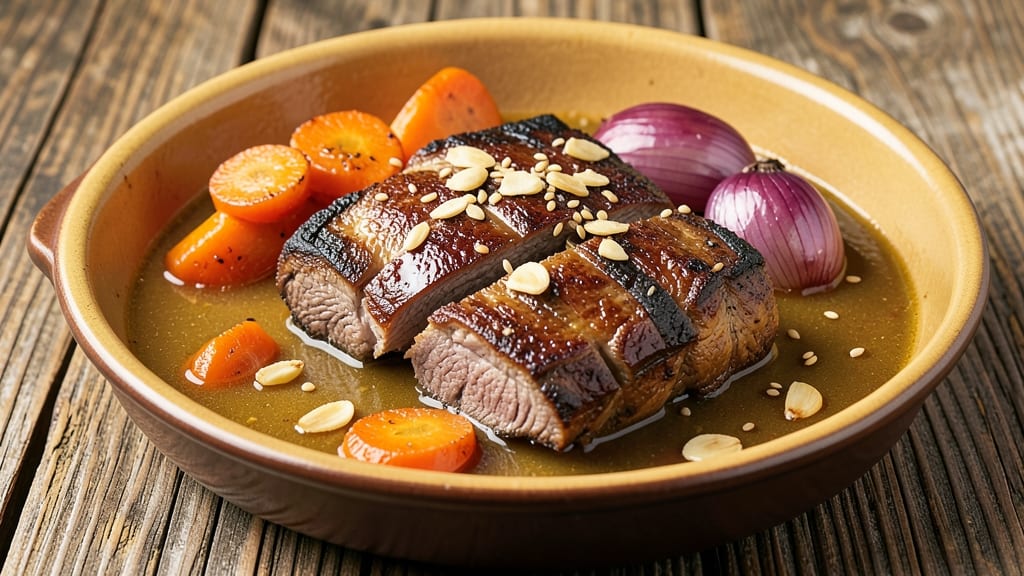
This magnolia beef recipe transforms tender beef into a luxurious, slow-braised masterpiece where floral sweetness meets deep umami—perfect for special occasions or cozy weeknights. The secret lies in magnolia extract or syrup, which infuses the braising liquid with a delicate, aromatic depth that elevates every bite.
I developed this recipe after years of experimenting with Southern-inspired braises, and the results speak for themselves: rich, melt-in-your-mouth beef paired with egg noodles that soak up the velvety sauce.
What sets this dish apart is the balance of flavors—sweet magnolia, savory beef, and a touch of heat from spices like star anise and black pepper. The slow braising process (about 3 hours) ensures the beef becomes fork-tender while developing layers of flavor that store-bought sauces can’t match.
This isn’t just a recipe; it’s a technique that turns a simple cut of beef into something restaurant-worthy, with minimal effort once you get started.
The final result is a dish that’s equally impressive served family-style or plated elegantly: deep golden beef slices nestled in a glossy, aromatic sauce, accompanied by al dente egg noodles that catch every last drop.
The magnolia’s floral notes linger on the palate, making this more than just a meal—it’s an experience. Whether you’re hosting a dinner party or craving comfort food, this recipe delivers professional-quality results with a touch of Southern charm.
Pair it with roasted green beans or a simple arugula salad to round out the meal, and don’t skip the garnish of fresh herbs or sesame seeds for that final touch of sophistication.
The best part? The flavors only deepen as it sits, so leftovers taste even better the next day. Let’s get cooking—this dish is worth every minute of braising time.
Ingredients for magnolia beef
Sixteen ingredients transform into a luxurious braise where floral sweetness meets deep umami perfection.
| Ingredient | Amount | Notes |
|---|---|---|
| Beef Chuck Roast 🥩 | 3 lb | 3-inch thick cut, trimmed of fat |
| Magnolia Extract 🌸 | 1 tsp | Pure, food-grade extract |
| Magnolia Syrup 🍯 | ½ cup | For depth, optional |
| Yellow Onions 🧅 | 2 whole | Medium, sliced into half-moons |
| Garlic Cloves 🧄 | 6 cloves | Peeled, smashed for aroma |
| Carrots 🥕 | 4 whole | Medium, cut into thick rounds |
| Celery Stalks 🥬 | 3 whole | Cut into 1-inch pieces |
| Star Anise Pods 🌟 | 2 whole | Whole, for infusion |
| Black Peppercorns 🌶️ | 1 tsp | Freshly cracked |
| Bay Leaves 🍃 | 2 whole | Dried, standard size |
| Thyme Sprigs 🌿 | 4 whole | Fresh, stems removed |
| Dry Red Wine 🍷 | 1 cup | Bold, like Cabernet Sauvignon |
| Beef Broth 💧 | 2 cups | Low-sodium, homemade preferred |
| Egg Noodles 🍝 | 1 lb | Medium width, al dente |
| Unsalted Butter 🧈 | 2 tbsp | For finishing sauce |
The beef cut is non-negotiable—chuck roast delivers that melt-in-your-mouth texture after slow braising, while sirloin or ribeye stay too firm. Most butchers carry it pre-trimmed, but if buying whole, remove excess fat to avoid greasy sauce. For magnolia extract, McCormick or Gourmet Giant are reliable brands; the syrup should be 100% pure with no additives. Star anise pods can be found in the spice aisle or Asian markets—Whole Foods carries them year-round. Fresh thyme makes all the difference here, so grab a bunch and use half for braising, half for garnish later.
No magnolia extract? Magnolia syrup (like Mama Lil's) works in a pinch, but reduce the amount to 2 tbsp—it's sweeter. Substitute star anise with 1 tsp ground anise or 1 cinnamon stick for warmth, though the flavor won't be identical. Dry red wine? Cabernet Sauvignon or Merlot add depth, but any bold dry red works. For broth, homemade is ideal, but Swanson or Pacific Foods low-sodium options suffice. The carrots and celery can be swapped for turnips or parsnips if you prefer, though they'll alter the sauce's color slightly. Pre-cut vegetables save time—just ensure they're fresh, not wilted.
This braise tastes even better the next day, so double the batch if feeding a crowd. Store covered in the fridge for up to 5 days, or freeze portions for 3 months—the sauce thickens beautifully when reheated. For serving, toss the egg noodles with a splash of the braising liquid and a pat of unsalted butter for richness. Garnish with fresh thyme and a sprinkle of toasted sesame seeds for that final touch of sophistication. The leftovers reheat perfectly—just add a splash of water or broth if the sauce thickens too much.
Why You'll Love This Recipe
- One-Pot Wonder: I swear by this recipe when I’m too tired to dirty more than one pan. Sear the chuck roast, toss in the onions and garlic, then let the magnolia syrup and extract do their magic—minimal chopping, zero fuss, and the house smells like a Southern dream by the time it’s done.
- Sweet-Savory Magic: That first bite? The magnolia syrup caramelizes into the beef while the extract adds this weirdly addictive floral depth—like a hug in sauce form. Honestly, my picky husband actually finishes his plate, and that’s saying something.
- Leftovers That Shine: This beef stays tender and flavorful for days, so I make a big batch on Sundays. Slice it for sandwiches (trust me, the syrup glaze on toasted bread is next-level) or toss it into fried rice or ramen—it’s my lazy meal prep MVP.
- Budget-Friendly Feast: A chuck roast is cheap, but this recipe makes it feel special without breaking the bank. The magnolia syrup adds a gourmet touch for pennies, and you’ll stretch it across multiple meals without sacrificing taste. (Yes, even on a Tuesday night.)
Step-by-step instructions for slow-braised magnolia beef with noodles
This method delivers tender beef infused with floral notes and aromatic herbs.
Sear the Beef Chuck Roast for Deep Flavor
Pat the 3 lb beef chuck roast dry with paper towels. Heat a Dutch oven over medium-high heat and add the beef, placing it fat-side down. Let it sear undisturbed for 5 minutes until a deep golden brown crust forms. Flip and sear the opposite side for another 5 minutes.
This initial searing creates a flavorful crust that locks in juices during the long braise. If the pan isn't hot enough, the beef will steam instead of develop that essential crust. Remove the beef and set it aside on a plate.
Build the Aromatic Base with Vegetables and Spices
In the same Dutch oven, add 2 tablespoons unsalted butter and melt over medium heat. Add the sliced 2 whole yellow onions, 6 cloves smashed garlic cloves, 4 whole carrots cut into thick rounds, and 3 whole celery stalks cut into 1-inch pieces. Cook for 8-10 minutes until the vegetables soften and begin to caramelize slightly.
Add the 2 whole star anise pods, 1 teaspoon cracked black peppercorns, 2 whole bay leaves, and 4 whole thyme sprigs. Stir briefly to coat the vegetables with the spices, then pour in the 1 cup dry red wine. Scrape up any browned bits from the bottom of the pot as they contain concentrated flavor.
Braise the Beef Until Fork-Tender
Return the seared beef to the Dutch oven along with the 2 cups beef broth. Stir to combine, then bring to a gentle simmer over medium-low heat. Cover tightly with a lid and reduce heat to low. Braise for 3 hours, then add 1 teaspoon magnolia extract and 0.5 cup magnolia syrup. Stir gently and continue braising for another 1-2 hours, or until the beef is fork-tender.
Check doneness by inserting a fork into the thickest part of the beef. It should slide in easily with no resistance. The beef should have a rich, dark braising liquid surrounding it, infused with all the aromatic flavors. If the liquid reduces too much, add a splash of water or broth to maintain moisture.
Finish with Egg Noodles and Butter
While the beef is resting, cook the 1 lb egg noodles according to package instructions until al dente. Drain and set aside. Return the braising liquid to a gentle simmer over medium heat. Skim off any excess fat that has risen to the surface.
Add the cooked egg noodles to the braising liquid along with the 2 tablespoons unsalted butter. Stir gently to combine and let the noodles absorb the rich flavors for 2-3 minutes. The butter will create a silky finish that complements the deep, floral notes from the magnolia.
Serve with Perfectly Balanced Flavors
Slice the beef chuck roast against the grain into 1/4-inch thick slices. Divide the egg noodles among serving plates and top each portion with the sliced beef and generous spoonfuls of the braising sauce. Garnish with additional thyme sprigs if desired.
The result should be a harmonious blend of tender beef, aromatic vegetables, and floral magnolia notes, all balanced by the rich, silky sauce. Each bite should deliver a perfect combination of textures and flavors, with the egg noodles providing a satisfying base.
Pro Tips For Making Magnolia Beef
- Sear the Roast Hard: Cast iron or heavy steel pan, highest heat you’ve got—this isn’t a suggestion. A deep, dark crust locks in juices when you slow-cook later, and skips the sad, gray beef that’s all moisture with nowhere to go. I used to skip this, then wondered why my beef tasted like it’d been steamed.
- Bloom the Magnolia First: Heat your onions and garlic until they’re just soft—then add magnolia extract and syrup before the beef. Let that aroma cook into the oil for 30 seconds. Sounds weird, but it works: the flavors meld instead of getting buried under beef juices. (Yes, even if you’re impatient like me.)
- Skip the Overcrowding: If you’re braising or slow-cooking, don’t dump everything in at once. Brown the beef in batches, then set it aside while you build the sauce. Crowding steams the onions instead of caramelizing them, and you’ll end up with a watery glaze instead of a rich one.
- Deglaze with Red Wine: After searing, scrape up those browned bits with a splash of dry red wine—just enough to loosen them. The alcohol burns off, leaving behind a deeper, slightly bitter note that cuts through the sweetness of the magnolia syrup. (I was skeptical until I tried it.)
Perfect pairings for this magnolia beef
Southern-Inspired Sides
Serve this magnolia beef with creamy mac and cheese—its rich, cheesy texture contrasts beautifully with the floral notes. I use sharp cheddar and Gruyère for depth, baking it until golden.
Alternatively, collard greens cooked with smoked turkey neck and apple cider vinegar add a tangy, hearty balance to the dish. 🥗
Wine Pairings
A bold Cabernet Sauvignon from Napa Valley complements the dish’s deep umami and floral sweetness. The wine’s dark fruit and tannins stand up to the magnolia’s delicate aroma. For a lighter option, try a Pinot Noir from Oregon—its bright acidity cuts through the richness. 🍷
Beer Pairings
For beer lovers, a Belgian-style Dubbel like Westmalle 8 offers malty sweetness that mirrors the magnolia’s floral notes. Alternatively, a honey-brown ale (like Allagash Honey Brown) adds a subtle caramel depth that enhances the beef’s richness. 🍺
Herb & Garnish Finishes
Brighten the dish with fresh thyme sprigs or cilantro for a pop of color and freshness. A sprinkle of toasted sesame seeds adds crunch and a nutty contrast. For extra elegance, drizzle with magnolia-infused honey—just mix 1 tbsp honey with ½ tsp magnolia extract and warm gently. ✨
Bread Pairings
Crusty sourdough bread or cornbread makes a perfect companion to soak up the braising sauce. For a Southern touch, serve with buttermilk biscuits—their flaky layers and tangy flavor pair wonderfully with the beef’s richness. 🍞
Seasonal Vegetable Additions
In summer, add grilled zucchini or asparagus for freshness. For winter, roasted Brussels sprouts with a balsamic glaze add a caramelized sweetness. Both options keep the meal balanced while letting the beef shine. 🥦
Nutrition facts
Frequently asked questions
Why does this recipe use both magnolia extract and syrup?
The extract delivers a concentrated floral aroma that infuses the beef directly, while the syrup adds subtle sweetness and body to the braising liquid. Together, they create a balanced depth—extract for aroma, syrup for richness.
Can I substitute chuck roast with a different beef cut?
For best results, stick with chuck roast—its marbling ensures tenderness during braising. If needed, try brisket (longer braising time) or short ribs (remove membrane first). Avoid lean cuts like sirloin—they won’t become fork-tender.
How do I fix beef that’s still tough after braising?
If the beef isn’t tender, extend braising time by 1-2 hours at low heat. For extra help, add 1 cup water and a 1-inch piece of ginger to the pot—both break down collagen. Never rush it; patience is key for melt-in-your-mouth texture.
What’s the best way to reheat leftovers?
Place the beef and sauce in a pot over low heat with a splash of broth. Warm gently for 10-15 minutes, stirring occasionally. Avoid microwaving—it makes the sauce watery. Leftovers taste even better the next day!
Can I make this dish in a slow cooker?
Yes! Sear the beef first, then transfer everything to a slow cooker. Cook on low for 8 hours or high for 5 hours. Add the magnolia extract and syrup in the last 30 minutes to preserve their delicate flavors. The slow cooker’s gentle heat works perfectly.