
Main Courses
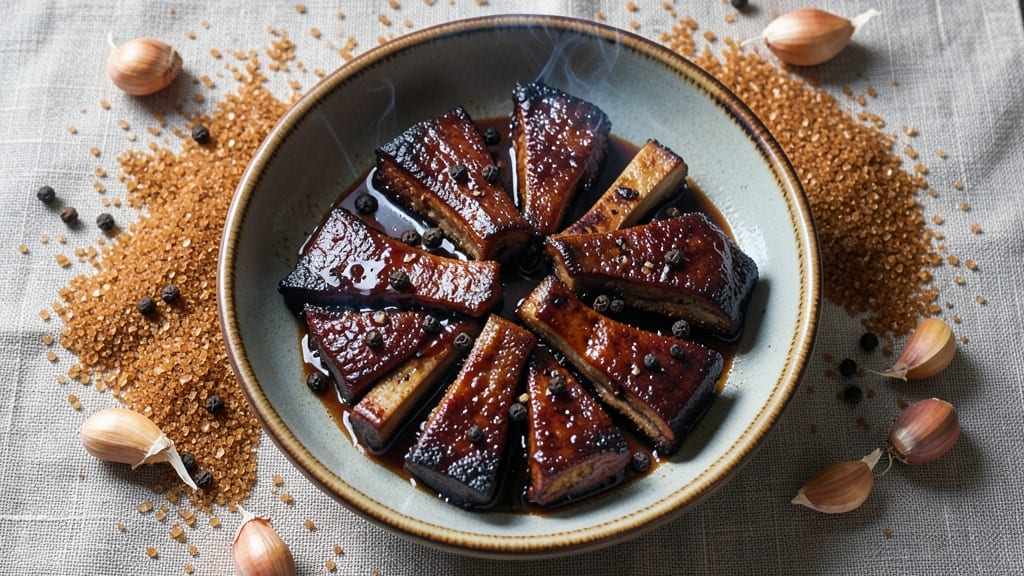
Creating marinated beef spare ribs with a smoky-sweet bark and fall-apart tenderness is where slow-cooked comfort meets restaurant-quality results. The secret lies in a balanced marinade of brown sugar, liquid smoke, and bold spices that penetrates the meat while building that coveted crust.
I developed this recipe after years of testing—because ribs deserve more than just salt and heat.
This method transforms tough spare ribs into melt-in-your-mouth perfection using a 3-4 hour marinating period followed by low-and-slow cooking (either oven, smoker, or grill). The marinade doesn't just flavor—it tenderizes, ensuring every bite delivers that ideal balance of smoky depth and caramelized sweetness.
No fancy equipment needed, just patience and precision.
By the time you're done, you'll have ribs with a glossy mahogany bark that cracks under gentle pressure, revealing tender meat that practically dissolves on your tongue.
The aroma alone will have your kitchen smelling like a BBQ joint, and the first bite will make you wonder why you ever bought pre-marinated ribs. Serve with classic sides or let the ribs shine as the star.
Perfect for game day, family gatherings, or when you're craving that restaurant-worthy experience at home. The technique is foolproof once you master the timing—just follow the steps, and you'll have ribs that impress even the most critical eaters. Let's get cooking!
Ingredients for marinated beef spare ribs
Four pounds of beef spare ribs meet a smoky-sweet marinade for ribs with restaurant-quality bark and melt-in-your-mouth tenderness.
| Ingredient | Amount | Notes |
|---|---|---|
| Beef Spare Ribs 🍖 | 4 lb | Bone-in, meaty spare ribs preferred |
| Brown Sugar 🍚 | ½ cup | Light or dark, packed measurement |
| Liquid Smoke 💨 | 1 tbsp | Pure, no additives preferred |
| Kosher Salt 🧂 | 2 tbsp | Diamond Crystal preferred |
| Black Peppercorns 🌶️ | 1 tbsp | Freshly cracked preferred |
| Garlic Cloves 🧄 | 8 cloves | Freshly minced, not pre-minced |
| Yellow Onion 🧅 | 1 whole | Medium, sliced into strips |
| Apple Cider Vinegar 🍎 | ¼ cup | For tangy depth |
| Smoked Paprika 🌶️ | 1 tbsp | For authentic smoky flavor |
| Ground Cumin 🌿 | 1 tsp | Toasted for richer flavor |
| Mustard Powder 🟡 | 1 tsp | For subtle tang |
| Extra-Virgin Olive Oil 🫒 | ¼ cup | For moisture and richness |
| Honey 🍯 | 2 tbsp | Wildflower preferred |
The ribs are the star, so don't cut corners. Beef spare ribs (not pork) give that beefy richness, and you want at least 4 pounds for 4 servings—these aren't small. Look for meaty cuts with good marbling at Costco or your local butcher. If you're buying a full packer, trim off any excess fat or silver skin for better bark development. The brown sugar is non-negotiable—it's what creates that caramelized crust. I grab the light variety from Whole Foods because it's finer and dissolves better, but regular grocery store sugar works too.
No liquid smoke? Smoked paprika plus a splash of Worcestershire sauce gets you close, though it won't be identical. Fresh garlic and onion are ideal, but pre-minced jarred garlic works in a pinch (just drain it first). The apple cider vinegar adds that tangy depth—substitute red wine vinegar if that's what you've got. For the spices, toasted cumin makes a huge difference—just dry-toast the whole seeds in a pan for 30 seconds, then grind them. The honey balances the smokiness, so don't skip it unless you're diabetic (in which case, use monk fruit sweetener).
Marinate these ribs for at least 3 hours, but overnight is best. Store the marinade in a sealed container in the fridge—it keeps for up to 5 days. The ribs themselves? Keep them in a sealed bag with the marinade, turning occasionally. Once cooked, they reheat beautifully—just wrap them in foil and warm in the oven at 300°F for 15 minutes. Leftovers? They're even better the next day—store in the fridge for 3 days or freeze for up to 3 months. Portion them into meal-sized bundles for easy reheating.
Why You'll Love This Recipe
- Five-Ingredient Magic: Honestly, I swear by this combo—just ribs, brown sugar, liquid smoke, salt, and peppercorns. No fancy prep, no chopping, no stress. The liquid smoke does all the work while you’re busy with the rest of dinner.
- Smoky Sweet Obsession: That caramelized brown sugar crust? It’s ridiculously good—sticky, smoky, with just enough heat from the peppercorns to keep it interesting. The ribs fall apart at the touch of a fork, and I’ll fight anyone who says they’re not worth the wait.
- Tailgate or Tuesday: Between us, these ribs are my go-to for game day and lazy nights. Serve them with baked beans and crusty bread for a crowd, or wrap two in a tortilla for a quick lunch. My college-aged son still texts me for leftovers—no joke.
- Leftovers That Last: I make a double batch every time because they reheat like a dream. The brown sugar keeps them moist, and the smoky flavor only gets deeper overnight. Plus, they’re cheap—beef ribs stretch farther than you’d think, and the ingredients won’t break the bank.
Step-by-step instructions for marinated beef spare ribs
Here's how to transform tough ribs into melt-in-your-mouth perfection using just 13 simple ingredients.
Prepare the Dry Rub and Wet Marinade
In a medium bowl, combine the 0.5 cup brown sugar, 2 tbsp kosher salt, 1 tbsp smoked paprika, 1 tsp ground cumin, 1 tsp mustard powder, and 1 tbsp freshly cracked black peppercorns. Mix thoroughly until the sugar crystals are evenly distributed and no dry spots remain. This dry rub will form the foundation of your smoky-sweet bark.
In a separate bowl, whisk together the 0.25 cup extra-virgin olive oil, 0.25 cup apple cider vinegar, 2 tbsp honey, 1 tbsp liquid smoke, and 8 cloves freshly minced garlic. The vinegar and honey will create a tangy-sweet balance that tenderizes the meat while the liquid smoke adds depth without overpowering. Taste the marinade—it should be bold but not cloying, with a perfect harmony of sweet, smoky, and acidic notes.
Coat and Marinate the Ribs
Pat the 4 lb beef spare ribs completely dry with paper towels, removing any surface moisture. This step is critical—wet ribs won't develop that coveted crispy bark. Working in batches if needed, generously coat each rib with the dry rub mixture, pressing it firmly into the meat so it adheres evenly. The rub should feel gritty to the touch and cover every exposed surface.
Place the rubbed ribs in a large resealable plastic bag and pour the wet marinade over them. Seal the bag tightly, removing as much air as possible, then massage the bag gently to ensure every rib is fully coated. Refrigerate for at least 4 hours, but I recommend marinating overnight for maximum tenderness. The acid in the vinegar and the sugar in the rub will begin breaking down the connective tissue now, setting you up for fall-apart meat later.
Preheat and Cook the Ribs Low and Slow
Preheat your oven to 275°F. Line a large baking dish with heavy-duty aluminum foil and place a wire rack inside. This setup allows hot air to circulate around the ribs while preventing them from sitting in their own juices. Arrange the marinated ribs on the rack, bone-side down, and cover the dish tightly with another layer of foil. This creates a steam environment that keeps the meat moist during the long cook.
Bake for 3 hours, then remove the foil and increase the oven temperature to 325°F. Return the ribs to the oven, uncovered, for an additional 1 to 1.5 hours until the internal temperature reaches 195-203°F and the meat pulls away from the bones with just gentle pressure. You'll know they're ready when the edges develop a deep mahogany bark and the meat is fork-tender. The high heat at the end caramelizes the sugars in the rub, creating that irresistible crust we're after.
Rest and Serve with Confidence
Transfer the ribs to a cutting board and tent loosely with foil. Let them rest for 15 minutes before slicing between the bones. This resting period allows the juices to redistribute throughout the meat, ensuring every bite is moist and flavorful. The ribs should practically fall apart when you lift them with tongs, with a glossy sheen from the rendered fat and a perfect balance of sweet, smoky, and savory flavors.
Serve immediately with the pan juices spooned over the top. These ribs are best enjoyed fresh from the oven when the bark is still crisp and the meat is at its most tender. For extra presentation, garnish with thinly sliced yellow onion strips that you've quickly sautéed in a little olive oil until caramelized. The contrast of the crispy onions against the tender ribs makes every bite even more satisfying.
Pro Tips For Making Marinated Beef Spare Ribs
- Trim the Fat First: Cut away the thick fat cap on the underside of the ribs before marinating—it doesn’t render out well and can make the meat greasy. I learned this the hard way when my ribs turned soggy instead of crispy.
- Marinate Overnight, Not Hours: Skip the "quick marinade" temptation—let the ribs soak for at least 12 hours. The brown sugar and liquid smoke need time to penetrate, and the salt will properly break down the fibers. (Yes, even if you’re impatient like me.)
- Watch the Liquid Smoke: Start with half the recommended amount and taste the marinade before adding more—too much can taste artificial. I once overdid it and ended up with ribs that tasted like a campfire log instead of real beef.
- Dry Before Cooking: Pat the ribs thoroughly with paper towels after marinating, even if they feel wet. A dry surface = better browning and crispier edges. (This isn’t the prettiest step, but it’s non-negotiable for flavor.)
Common mistakes when making perfect results
Skipping the Dry
One of the biggest mistakes I see is skipping the dry rub step entirely. The sugar and spices in that initial coating create the Maillard reaction that builds that irresistible bark. If you just marinate without rubbing, you'll end up with flavorful but bland ribs that lack texture.
I learned this the hard way—my first attempt with just wet marinade left me with ribs that tasted great but looked like they'd been boiled. 🔥
Inconsistent Marinating
Don't just dump the ribs in the marinade and forget about them. You need to massage the marinade into every crevice and turn them occasionally. I've had ribs come out unevenly seasoned because they sat in one spot.
For best results, marinate in a sealed bag and flip the ribs every 2 hours. If you're short on time, at least turn them once halfway through the 4-hour minimum.
Overlooking Rest Time
Skipping the 15-minute rest is a surefire way to end up with dry, stringy ribs. The meat continues cooking off the heat, and those juices need time to redistribute. I once sliced into ribs immediately after cooking and was met with a sad, dry interior.
Trust the process—cover them loosely with foil and let them sit. The wait is worth it for that first perfect bite. ⏰
Temperature Swings
Ribs are all about low-and-slow cooking, but I've seen too many cooks who crank the heat too high too soon. If you increase the temperature too quickly before the meat reaches 165°F, you'll end up with tough, chewy ribs.
The key is that 3-hour cook at 275°F first, then a gentle increase to 325°F. Use a good meat thermometer—I recommend the ThermoWorks Smoke—to track internal temperature accurately.
Not Trimming Excess Fat
While fat adds flavor, too much can prevent proper bark formation. Before marinating, trim off any excess silver skin or thick fat caps—especially along the edges. I used to leave this fat on, thinking it would add richness, but it actually created uneven cooking and a greasy bark.
Trim to about ¼-inch fat thickness for best results. This also helps the rub stick better to the meat.
Using the Wrong Vinegar
The apple cider vinegar in this marinade isn't just for flavor—it's a tenderizer. If you substitute with white vinegar or skip it entirely, your ribs will be tougher. The acidity helps break down connective tissue.
For a quick fix, use red wine vinegar, but apple cider gives that subtle sweetness that complements the smoky flavors perfectly. I keep a bottle of Bragg Organic on hand specifically for this purpose. 🍎
Nutrition facts
Frequently asked questions
Can I substitute beef spare ribs with pork ribs?
While pork ribs are more common, beef spare ribs offer a richer, beefier flavor that pairs beautifully with this smoky-sweet marinade. If you must use pork, opt for pork baby back ribs instead of spare ribs—they're more tender and cook faster. The marinating time should be reduced to 2-3 hours for pork, and cooking time will be shorter (about 2.5 hours total). The texture and flavor will differ, but it can still be delicious!
How do I know when the ribs are fully cooked?
Use a meat thermometer to check the internal temperature—ribs are done when they reach 195-203°F. The meat should pull away from the bones with gentle pressure, and the edges should have a deep mahogany bark. If you don't have a thermometer, cut into the thickest part: if it's fork-tender and juices run clear, they're ready. Never rely on color alone—overcooked ribs can dry out!
Can I make this recipe in a slow cooker?
For a slow cooker version, marinate the ribs as directed, then place them in the slow cooker on low for 6-7 hours or high for 4-5 hours. Add ½ cup apple juice or broth to prevent drying. In the last 30 minutes, increase to high heat to caramelize the bark. The texture will be slightly different (more tender, less crisp), but still incredibly flavorful. Perfect for hands-off cooking!
What sides pair best with these ribs?
These smoky-sweet ribs shine with classic sides like creamy mac and cheese, tangy coleslaw, or buttery cornbread. For a lighter option, try a fresh green salad with a citrus vinaigrette to cut through the richness. My go-to is smoky baked beans—the sweetness complements the ribs perfectly. Don't forget the classic pickles to balance the flavors with a briny tang!
Can I reuse the leftover marinade?
Never reuse marinade that's touched raw meat—it can contain harmful bacteria. However, you can save the unused marinade (from the bowl before it touched the ribs) for up to 5 days in the fridge. Use it as a glaze for grilled chicken or as a base for a quick sauce. For extra flavor, simmer it with a splash of water to reduce it slightly before using. Just don't risk cross-contamination!