
Main Courses
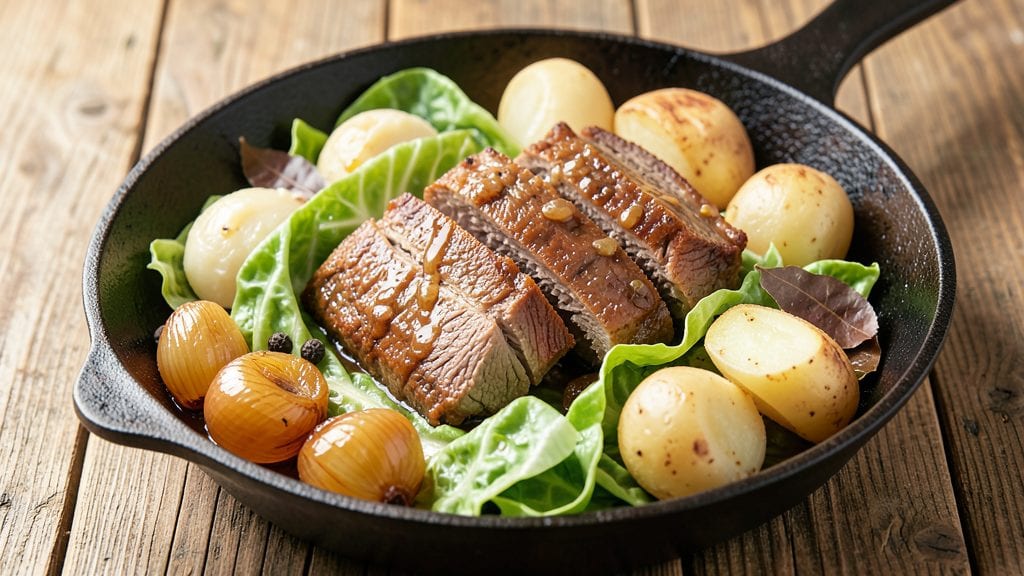
This old-fashioned canned corned beef and cabbage recipe brings back the comforting flavors of Sunday dinners from decades past. The beauty of this dish lies in its simplicity—just a can of corned beef, fresh cabbage, and a few pantry staples simmered together until tender and flavorful.
I remember my grandmother’s version, where the slow-cooked meat fell apart at the touch of a fork and the cabbage absorbed just enough of the savory broth to become perfectly tender.
The key to perfecting this dish is patience. Canned corned beef may not have the same depth as brined versions, but with the right seasonings—bay leaves, peppercorns, and a touch of onion—it develops rich, aromatic flavors that turn a simple meal into something truly special.
The cabbage and potatoes cook down in the same pot, creating a hearty, one-dish wonder that’s ideal for feeding a crowd or enjoying a nostalgic family meal.
By the time it’s done, you’ll have tender corned beef that shreds easily, cabbage with just the right bite, and a fragrant broth that’s perfect for soaking up with crusty bread. The dish carries all the warmth of a classic pot roast, but with half the effort.
Serve it with mustard, pickles, or a side of coleslaw to round out the meal—this is comfort food at its finest.
Ready in just 90 minutes, this recipe delivers restaurant-quality results with minimal prep. The slow simmer ensures every bite is packed with flavor, making it the perfect dish for chilly evenings or special gatherings. Let’s get cooking!
Ingredients for old fashioned canned corned beef and cabbage
Six simple ingredients transform into nostalgic comfort food with just 90 minutes of simmering.
| Ingredient | Amount | Notes |
|---|---|---|
| Canned Corned Beef 🥩 | 2 lb | High-quality brand preferred |
| Green Cabbage 🥬 | 1 whole | Medium head, cut into wedges |
| Russet Potatoes 🥔 | 3 medium | Peeled, cut into chunks |
| Yellow Onion 🧅 | 1 whole | Quartered, skin on |
| Bay Leaves 🌿 | 4 whole | Dried, standard size |
| Black Peppercorns 🌶️ | 1 tsp | Whole, crushed lightly |
| Salt 🧂 | 1 ½ tsp | Kosher or sea salt |
| Water 💧 | 4 cups | Or low-sodium beef broth |
| Apple Cider Vinegar 🍏 | 1 tbsp | For brightness (optional) |
| Crusty Bread 🍞 | 6 slices | For serving, optional |
| Yellow Mustard 🍯 | 2 tbsp | For serving, optional |
The canned corned beef is the heart of this dish, so pick a quality brand—Libby's or Hormel are reliable. Look for cans with minimal additives, and if you can find it, the brined version adds better flavor than the water-packed kind. The cabbage should be firm and crisp, not wilted. Green cabbage is traditional, but red adds a nice color contrast. Potatoes? Russets hold up best to long cooking—their floury texture soaks up the broth perfectly. I always grab the biggest russets I can find at Trader Joe's or the regular supermarket produce section, but any baking potato works.
No bay leaves? Dried thyme at half the amount works in a pinch. Short on peppercorns? Crushed red pepper flakes add heat without the need to crush. The apple cider vinegar is optional but worth it—it brightens up the dish, especially if your corned beef is on the salty side. Substitute lemon juice if you don’t have vinegar. For the potatoes, if you forget to peel them, just scrub them well—the skins add texture and nutrients. The onion? No need to peel it—just quarter it skin-on for extra flavor. And if you’re feeding a crowd, double the potatoes and cabbage without changing the cooking time.
This dish tastes even better the next day—honestly, leftovers are the best part. Store in the fridge for up to 5 days, or freeze portions for 3 months. The broth thickens as it cools, so add a splash of water when reheating. For serving, I like to keep the crusty bread and mustard on the table—sourdough or rye works best for soaking up the broth. If you’re making this ahead for a gathering, assemble everything in the pot the night before and refrigerate uncovered. The flavors meld beautifully overnight.
Why You'll Love This Recipe
- Pantry-to-Table Magic: I swear by this recipe when I’m staring into a bare fridge at 6:30pm. No fancy prep, no last-minute grocery runs—just open that can of corned beef, chop the veggies, and let the pot do the work. The cabbage softens into tender layers while the potatoes absorb all that savory juice, and honestly? It’s the kind of meal that makes you feel like you’ve earned a break.
- Salty-Sweet Perfection: That first bite of the potatoes—crispy edges, fluffy inside—paired with the briny, slightly sweet corned beef? It’s the kind of balance that makes you pause mid-bite. I’ll be real: the onions caramelize just enough to add depth without overpowering, and the bay leaves? They turn this into something that tastes like a hug from your grandma’s kitchen.
- Leftovers That Beg Repeat: This dish actually improves the next day. The flavors meld into something richer, and I’ve turned cold slices into sandwiches, hash, or even loaded baked potatoes. Between us, I make a double batch on Sundays just so I can grab it for lunch all week—no guilt, no fuss.
- Budget-Friendly Crowd-Pleaser: Feed six people for what you’d spend on takeout for two. The canned beef cuts costs, the cabbage and potatoes stretch it out, and everyone—kids included—will ask for seconds. I’ve served this at game nights, potlucks, and even a last-minute dinner for unexpected guests. It’s my secret weapon for making meals feel special without breaking the bank.
Step-by-step instructions for old-fashioned corned beef and cabbage
This classic comfort food comes together with minimal effort but maximum flavor.
Prepare the Potatoes and Onion
Peel the 3 medium russet potatoes and cut them into 1-inch chunks. The skin can stay on if you prefer, but peeling ensures tender texture. Quarter the 1 whole yellow onion, leaving the skin on for added flavor as it cooks.
Place both the potato chunks and onion quarters into a large Dutch oven or heavy pot. This gives them a head start on softening while you handle the other ingredients. You want them to be partially cooked before adding the corned beef to ensure everything finishes at the same time.
Add the Corned Beef and Seasonings
Drain the 2 lb canned corned beef and add it to the pot with the potatoes and onion. The meat should be mostly submerged but not completely covered. Add the 4 whole bay leaves and the 1 tsp lightly crushed black peppercorns. These aromatic elements will infuse the dish with deep, savory notes.
Pour in the 4 cups water and the 1 tbsp apple cider vinegar. The vinegar adds a subtle tang that brightens the rich flavors of the corned beef. Sprinkle the 1.5 tsp salt over everything, making sure it reaches the bottom of the pot where it can dissolve completely. This ensures even seasoning throughout the dish.
Cook the Cabbage and Potatoes
Core the 1 whole green cabbage and cut it into 8 wedges, keeping the leaves attached. This shape ensures the cabbage cooks evenly while maintaining its structure. Add the cabbage wedges to the pot, arranging them around the corned beef so they'll soften without falling apart.
Bring the pot to a boil over medium-high heat, then reduce to a gentle simmer. Cover with a tight-fitting lid and let it cook for 45 minutes. You're looking for the potatoes to be fork-tender and the cabbage to be just beginning to soften at the core. Stir occasionally to prevent sticking and ensure even cooking.
Finish and Rest the Dish
After 45 minutes, check the potatoes by piercing them with a fork. They should slide in easily but still have a slight resistance. If they're not quite tender, continue simmering for another 10-15 minutes, covered. The cabbage should be tender but still hold its shape—overcooking will make it mushy.
Once everything is perfectly tender, remove the pot from heat and let the dish rest, covered, for 10 minutes. This resting period allows the flavors to meld together and the juices to redistribute. The corned beef will continue to absorb the cooking liquid, making each bite even more flavorful.
Serve with Classic Sides
Scoop the corned beef and cabbage onto serving plates, making sure each portion has a generous helping of potatoes and cabbage. The meat should be fork-tender with a rich, savory flavor that's been enhanced by the slow cooking process.
Serve with the 6 slices crusty bread and the 2 tbsp yellow mustard on the side. The bread soaks up the delicious juices from the pot, and the mustard adds a tangy contrast to the hearty flavors. This dish tastes even better the next day as the flavors continue to develop.
Pro Tips For Making Old Fashioned Canned Corned Beef And Cabbage
- COOK POTATOES SEPARATELY: I learned this the hard way—dumping potatoes in with the canned beef means they’ll turn to mush while the cabbage stays tough. Simmer them in their own pot with a pinch of salt and a bay leaf until fork-tender (about 15 minutes), then add them last. Your dish will have proper texture instead of a sad, gluey mess.
- SHRED CABBAGE THIN: Thick cabbage wedges take forever to soften and end up waterlogged. Use a sharp knife to slice leaves into ¼-inch strips—this cuts cooking time by half and keeps them crisp enough to hold their shape. (Yes, even if you’re impatient like me.)
- SKIP THE CROWDED POT: After burning three batches, I finally figured out: cramming everything in a small pot means uneven cooking and a soggy onion. Use a deep pot and layer ingredients loosely—cabbage on the bottom, beef on top, potatoes around the sides. This lets heat circulate and prevents a sticky, uneven disaster.
- ADD CARROTS (TRUST ME): Sounds weird, but it works: toss in 2-3 sliced carrots with the cabbage. They sweeten the dish, balance the saltiness, and disappear before anyone notices. My grandmother swore by this, and she was right—it’s the thing that makes this meal feel homemade, not just canned.
Wine and beer pairings for this dish
Red Wine Classics
For this hearty dish, a bold red wine cuts through the richness of the corned beef while complementing its savory depth. I reach for a Cabernet Sauvignon from Napa Valley—its dark fruit notes and earthy undertones mirror the cabbage’s earthiness.
A Malbec from Argentina adds a touch of smokiness that pairs beautifully with the slow-cooked meat. Both wines should be served slightly chilled (60-65°F) to enhance their aromas without overwhelming the dish. 🍷
Crisp White Wines
A dry Riesling from Germany or Alsace is my go-to white wine choice—its bright acidity and hints of green apple balance the dish’s saltiness. For something lighter, a Sauvignon Blanc from New Zealand brings citrusy freshness that brightens the cabbage.
Serve these whites at 45-50°F to preserve their crispness and let their flavors shine alongside the corned beef’s richness.
Beer Pairings
When it comes to beer, I turn to dark ales or stouts for their malty depth. A Guinness or Samuel Smith’s Nut Brown Ale adds a toasty, caramel-like sweetness that complements the potatoes and onions.
For something lighter, a Belgian-style witbier with its peppery notes and citrus brightness provides a refreshing contrast. Serve beers at 45-50°F to let their flavors stand out. 🍺
Non-Alcoholic Options
Don’t overlook non-alcoholic pairings! A sparkling apple cider from Martinelli’s adds a crisp, fruity contrast that cleanses the palate between bites. For something more robust, try a ginger beer like Feather’s—its spicy kick balances the dish’s saltiness. Serve both chilled (40-45°F) to enhance their refreshing qualities.
Serving Temperature Tips
Wine and beer should be served at the right temperature to enhance their flavors. Red wines like Cabernet Sauvignon and Malbec should be slightly chilled (60-65°F) to soften their tannins.
White wines and beers, on the other hand, should be served colder (45-50°F) to highlight their crispness. I always use an ice bucket for quick chilling or a wine fridge for longer storage. 💡
Make It a Pairing Party
Turn your meal into a tasting experience by offering multiple options. Set out a wine decanter for reds, a beer flight with different styles, and a sparkling cider pitcher for non-drinkers.
Pair each with a small side of pickles or mustard to let guests explore how different flavors interact with the dish. This approach makes the meal even more memorable and fun! 🎉
Nutrition facts
Frequently asked questions
Why does my cabbage turn mushy when cooking?
Overcooking is the most common cause. Aim for 45-60 minutes of simmering—cabbage should be tender but still hold its shape. If using wedges, keep them intact to maintain structure. For extra firmness, add a splash of vinegar (like apple cider) to the water to help preserve texture.
Can I use water-packed corned beef instead of brined?
Yes, but the flavor will be milder. For better taste, add 1 extra bay leaf and ½ tsp of sugar to compensate. Water-packed versions also need slightly more salt—check the package first. Brined corned beef has deeper flavor due to its curing process.
How do I make this dish ahead of time?
This recipe actually tastes better the next day! Assemble everything in the pot, refrigerate uncovered overnight, then simmer for 1.5 hours the next day. The flavors meld beautifully. For freezing, store in portions for up to 3 months—reheat gently with a splash of water.
What's the best way to serve leftover corned beef?
Transform leftovers into corned beef hash by dicing and pan-frying with potatoes and onions. Or make corned beef sandwiches with rye bread, mustard, and sauerkraut. The meat keeps well for 5 days in the fridge—just reheat with a splash of broth to restore moisture.
Can I substitute sauerkraut for fresh cabbage?
Sauerkraut adds tangy depth and works perfectly. Use 1 (14 oz) jar drained but with 2 tbsp of its liquid. Add it with the potatoes and simmer for 30 minutes instead of 45. The shorter cook time preserves its texture and flavor.