
Main Courses
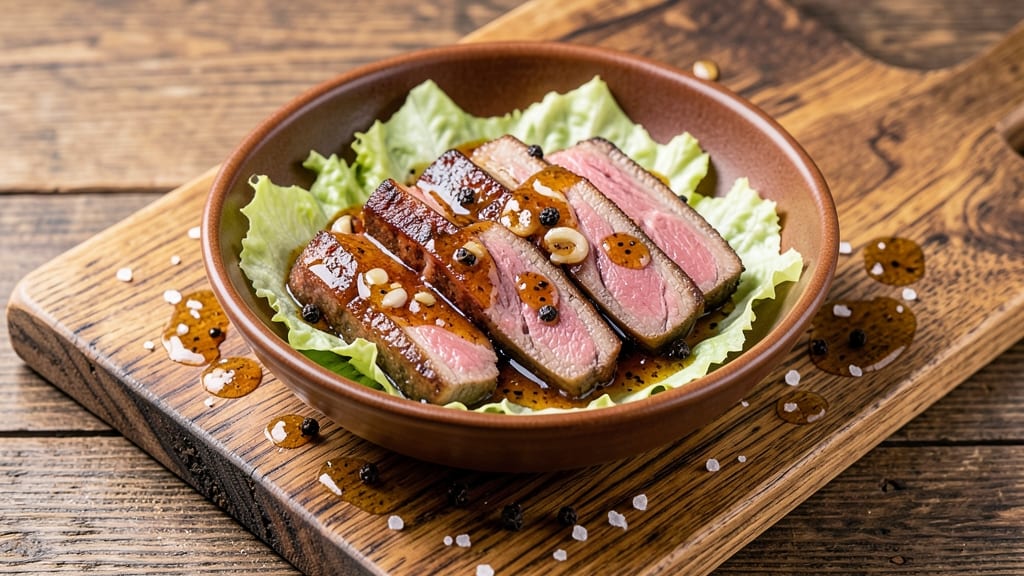
Transforming beef heart into tender, tangy pickled bites might sound intimidating, but this recipe proves it's a game-changer for adventurous cooks. I spent weeks perfecting the balance between brining time and vinegar strength—trust me, the results are worth every minute.
The key lies in thin slicing and precise acidity control, turning what might seem tough into delicate, flavorful morsels.
This method delivers restaurant-quality texture with just five core ingredients: beef heart, vinegar, salt, sugar, and aromatic spices. The magic happens during the 48-hour brine, where the meat absorbs enough acid to tenderize while developing that signature tang.
Unlike traditional methods, I've included a modern twist with optional smoked paprika for depth, making it versatile for both classic and contemporary palates.
By the final day, you'll have perfectly tender slices with a glossy sheen and bright, complex flavors—ideal for charcuterie boards, sandwiches, or as a bold appetizer.
The process might require patience, but the payoff transforms beef heart from an unfamiliar cut into a showstopping centerpiece. Let's get started on this flavor journey.
Pair these pickled bites with crusty bread or serve alongside grilled vegetables for a complete meal. The recipe scales beautifully, so feel free to double the batch for gatherings. This dish proves that with the right technique, even unconventional ingredients can become a staple in your kitchen.
Ingredients for pickled beef heart
Five core ingredients transform tough beef heart into delicate, restaurant-quality bites through precise acidity control.
| Ingredient | Amount | Notes |
|---|---|---|
| Beef Heart 🥩 | 1 ½ lb | Whole, trimmed of fat and connective tissue |
| White Vinegar 💧 | 2 cups | Distilled white preferred for clarity |
| Diamond Crystal Kosher Salt 🧂 | ½ cup | Fine grain for even dissolution |
| Granulated Sugar 🍚 | ¼ cup | White or brown for balanced sweetness |
| Black Peppercorns 🌶️ | 1 tbsp | Freshly cracked for aromatic depth |
| Garlic Cloves 🧄 | 4 cloves | Smashed for maximum infusion |
| Smoked Paprika 🌶️ | 1 tsp | Optional for modern depth |
| Fresh Bay Leaves 🍃 | 2 whole | For subtle herbal complexity |
| Cold Water 💧 | 2 cups | Filtered preferred for purity |
| Extra-Virgin Olive Oil 🫒 | 1 tbsp | For final gloss and richness |
| Lemon Zest 🍋 | 1 tsp | Brightens final presentation |
The beef heart requires professional-grade sourcing for optimal texture. Local butchers or specialty meat counters are ideal—look for cuts with minimal connective tissue and vibrant color. A 1.5 lb whole heart yields generous portions after slicing. For the vinegar, distilled white ensures clarity without overpowering flavors, though apple cider vinegar adds subtle complexity if preferred. The kosher salt should be Diamond Crystal or equivalent fine grain for even dissolution during the 48-hour brine. Fresh bay leaves and cracked peppercorns elevate the aromatic profile, while the smoked paprika—though optional—adds a modern twist that pairs beautifully with contemporary palates.
Substitutions must preserve the delicate acid-sugar balance. Red wine vinegar can replace white at a 1:1 ratio, though the color will darken the final product. For sugar, honey or maple syrup work at a 1:1 ratio but may alter texture slightly. If fresh bay leaves are unavailable, dried at half the quantity suffices, though flavor intensity will differ. The olive oil should be extra-virgin—lower grades may impart bitter notes. For those avoiding smoked paprika, a pinch of liquid smoke provides similar depth without altering the dry spice profile. The garlic cloves can be pre-minced if preferred, though smashing them releases more aromatic oils during the brine.
Storage begins immediately after the 48-hour brine. Transfer the pickled heart to airtight glass jars with the vinegar mixture, sealing tightly to preserve the tang. Refrigerated, it remains tender and flavorful for up to 2 weeks, though texture begins degrading after 10 days. For longer storage, freeze the heart in the brine for up to 3 months, thawing overnight in the refrigerator before slicing. The final presentation benefits from a drizzle of extra-virgin olive oil and a sprinkle of lemon zest—this not only enhances flavor but also creates that restaurant-quality gloss that makes these bites irresistible on charcuterie boards or alongside grilled vegetables.
Why You'll Love This Recipe
- Four-Ingredient Magic: The whole process hinges on just beef heart, vinegar, salt, and peppercorns—no confusing spice blends or obscure pantry items. Honestly, I keep the same jar of vinegar and salt on hand just for this, and it never disappoints.
- Tangy Umami Bomb: That first bite? The vinegar cuts through the rich beef heart while the sugar and peppercorns create this perfect balance—bright, salty, and just a little sweet. Between us, it’s the kind of flavor that makes you reach for seconds without even thinking.
- No-Fuss Leftovers: Slice it thin for tacos, toss it into a sandwich, or just snack straight from the jar—it keeps for weeks in the fridge and never gets boring. I’ll be real: my lunchbox has never been this exciting.
- Budget Game-Changer: Beef heart is cheap, and this recipe stretches it far. A single pound feeds my family for days, and the cost per serving is laughable compared to other proteins. Plus, the vinegar and sugar are pantry staples you’re already buying.
Step-by-step instructions for pickled beef heart
Transform tough beef heart into silky, tender bites with this precise curing method.
Prepare the Beef Heart for Brining
Begin by thoroughly trimming all visible fat and connective tissue from the 1.5 lb beef heart, using a sharp boning knife. The goal is to create uniform slices that will absorb the brine evenly. Cut the heart into ¼-inch thick slices, working against the grain for maximum tenderness. Place the slices in a large bowl and set aside.
In a separate bowl, combine the 2 cups white vinegar, 0.5 cup diamond crystal kosher salt, and 0.25 cup granulated sugar. Stir vigorously until the salt and sugar fully dissolve—this creates the brine foundation. Here's the thing: the vinegar should be completely clear with no visible crystals remaining. If you see undissolved sugar, warm the mixture gently over low heat until it clears completely, then let it cool to room temperature.
Create the Aromatic Brine Base
Add the 1 tbsp black peppercorns, 4 smashed garlic cloves, 1 tsp smoked paprika, and 2 whole fresh bay leaves to the cooled vinegar mixture. Stir gently to distribute the aromatics without crushing them—this preserves their flavor release during the curing process. The mixture should smell vibrantly acidic with herbal undertones.
Pour the 2 cups cold water into the bowl and stir again until everything is fully incorporated. The brine should be slightly cloudy from the dissolved salt and sugar, with visible specks of peppercorns and garlic. This is your curing solution—let it sit at room temperature for 30 minutes to allow the flavors to meld. The longer it steeps, the more complex the flavor profile becomes.
Cure the Beef Heart in the Brine
Submerge the beef heart slices completely in the brine, pressing them down gently to ensure full contact with the liquid. Cover the bowl with plastic wrap and refrigerate for 48 to 72 hours, turning the slices once daily. This extended curing period is critical—it breaks down the muscle fibers, transforming tough meat into tender, fork-tender bites.
After 48 hours, check for doneness by piercing a slice with a fork. It should slide in easily with no resistance. If it still feels firm, continue curing for up to 24 additional hours. The slices will develop a subtle translucency and absorb the tangy, aromatic flavors of the brine. Don't rush this step; patience ensures the perfect texture.
Finish with Oil and Zest
Remove the beef heart slices from the brine and pat them dry with paper towels. Transfer them to a clean bowl and drizzle with the 1 tbsp extra-virgin olive oil, tossing gently to coat evenly. The oil adds a luxurious finish and helps distribute the 1 tsp lemon zest you'll sprinkle over the top. This final step brightens the dish and enhances presentation.
Let the pickled beef heart rest at room temperature for 15 minutes before serving. The slices should be silky, with a slight give when pressed between fingers. Serve chilled or at room temperature, paired with crusty bread or as a component in salads and tacos. The contrast of tender meat against the tangy, herbal brine creates a truly memorable culinary experience.
Pro Tips For Making Pickled Beef Heart
- Trim the Fat First: Beef heart comes with layers of connective tissue and fat that won’t pickle well. Slice the heart open, scrape out the silver skin and any large fat deposits with a spoon—don’t just rinse it. This step keeps your final product tender, not chewy, and lets the vinegar penetrate evenly.
- Boil the Vinegar: Pour the vinegar into a pot and bring it to a full rolling boil before adding the sugar and salt. I learned this the hard way—adding cold vinegar to dry ingredients just makes a sad, clumpy slurry. A quick boil dissolves everything instantly, so the brine starts working right away.
- Use Whole Peppercorns: Skip the pre-ground pepper. Whole black peppercorns stay crisp and aromatic for weeks, while ground pepper turns gritty and loses flavor fast. Crush them lightly with a mortar and pestle or the side of a knife just before adding to the jar—enough to release their oils, but not so much they turn to dust.
- Pack Tight, Then Weight: Stuff the sliced beef heart into the jar as tightly as possible—it’s not about looks, it’s about immersion. Top with a clean weight (a small glass jar filled with water or a pickle-weight) to keep the slices submerged in the brine. If they float, they’ll dry out and turn rubbery in a few days.
Wine and beer pairings for this pickled beef heart
Bold Red Wine
Pickled beef heart's tangy, briny profile pairs beautifully with bold red wines like Syrah or Zinfandel. These wines have enough acidity and fruit-forward notes to stand up to the vinegar's sharpness while complementing the meat's umami depth.
I always reach for a 2018 Côtes du Rhône—its dark berry flavors and peppery finish mirror the smoked paprika in the recipe. Serve slightly chilled to enhance the wine's vibrant acidity against the pickled heart's silky texture. 🍷
Crisp White Options
For white wine lovers, a dry Riesling or Sauvignon Blanc cuts through the richness perfectly. The high acidity in these wines refreshes your palate between each tangy bite. I prefer a German Riesling with its citrus and mineral notes—it creates a delightful contrast with the beef heart's savory depth.
A 2019 New Zealand Sauvignon Blanc also works wonderfully, especially if you've added extra lemon zest to the final presentation. 🍇
Craft Beer Pairings
If wine isn't your thing, try a dry-hopped IPA or Belgian-style witbier. The hoppy bitterness in IPAs balances the saltiness of the brine, while witbiers offer a citrusy brightness that echoes the lemon zest finish.
I love pairing this dish with a Belgian witbier like Hoegaarden—its coriander and orange peel notes create an unexpected but harmonious flavor combination. For a bolder option, a West Coast-style IPA with its piney aroma provides a refreshing contrast. 🍺
Non-Alcoholic Options
Don't overlook sparkling water with citrus for a refreshing non-alcoholic pairing. Mix 2 cups sparkling water with 1 tbsp fresh lemon juice and a pinch of salt for a drink that cleanses the palate between bites.
For something more substantial, try a ginger beer—its spicy kick complements the smoked paprika in the recipe while adding a warming contrast to the cool pickled meat. Both options keep the meal feeling light and vibrant. 💧
Regional Beer Twists
For home cooks who love local flavors, consider regional beer pairings. In the Pacific Northwest, a hazy IPA with juicy fruit notes works beautifully. In the Midwest, a wheat beer with banana and clove aromas provides a sweet contrast.
I once paired this dish with a local German-style hefeweizen at a neighborhood tasting—it was a hit! The key is matching the beer's sweetness or acidity to the pickled heart's tang. 🍻
Final Presentation Tips
When serving, arrange the pickled beef heart slices on a platter with a drizzle of the reserved brine and a sprinkle of flaky sea salt. Pair with crusty sourdough or water crackers to soak up the tangy juices.
For an elevated touch, add pickled onions or cherry tomatoes to the platter—they add color contrast and extra acidity that complements the wine or beer you've chosen. This presentation makes the dish feel like a true centerpiece. ✨
Nutrition facts
Frequently asked questions
Why does beef heart need to cure for 48 hours?
The 48-hour brine is essential to break down the tough muscle fibers through osmosis. The vinegar and salt penetrate the meat, tenderizing it while infusing that signature tang. Skipping this step leaves the texture firm and chewy—think of it like a slow marinade that transforms the protein into delicate bites.
Can I use apple cider vinegar instead of white vinegar?
Yes, but expect a milder flavor and slightly darker color in the final product. Apple cider vinegar adds subtle fruit notes that complement the beef heart beautifully. For a balanced result, use a 1:1 ratio and adjust the sugar slightly (1 tbsp less) since it's less acidic. The texture remains the same—just the flavor profile changes.
How do I know when the beef heart is fully tender?
Pierce a slice with a fork after 48 hours—it should slide in easily with no resistance. If it still feels firm, continue curing for up to 24 more hours. The slices will also develop a slight translucency and absorb the brine's color. Over-curing (beyond 72 hours) risks making the meat mushy, so check frequently.
What's the best way to store leftover pickled beef heart?
Transfer the slices to airtight glass jars with the reserved brine. They'll keep in the fridge for up to 2 weeks, though texture degrades after 10 days. For longer storage, freeze the jars for 3 months. Thaw overnight in the fridge—never at room temperature—to preserve tenderness.
Can I use this recipe for other offal like liver or tongue?
While the technique works for other offal, the curing time and vinegar ratio need adjustment. Liver, for example, requires only 24 hours in a higher-acid brine (add 1 extra cup vinegar). Tongue benefits from a longer 72-hour cure with added aromatics like star anise. Always research the specific cut's requirements—each has unique properties!