
Main Courses
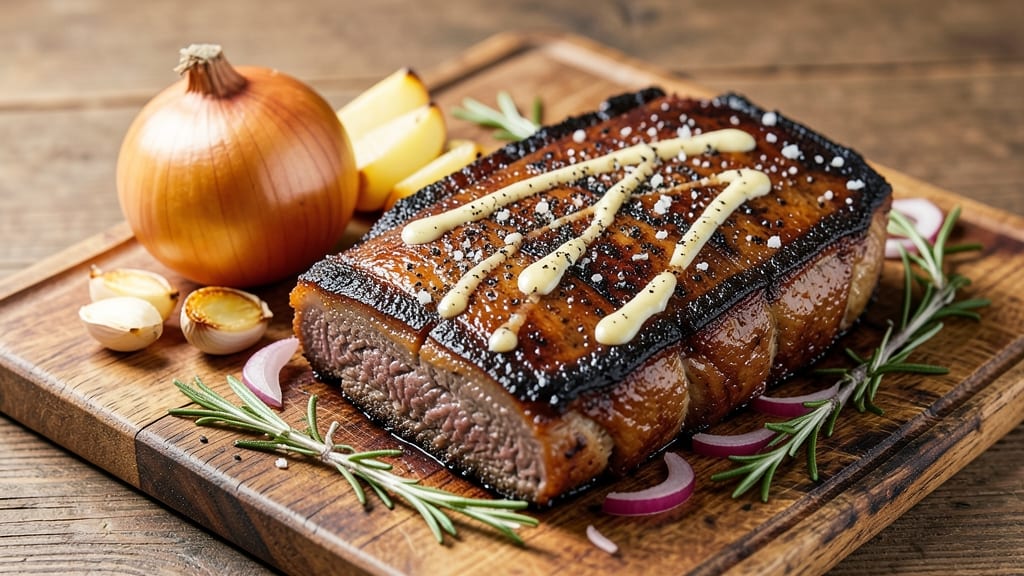
Ree Drummond’s beef brisket recipe delivers the kind of fall-off-the-bone tenderness that turns weeknight dinners into showstopping meals. After years of perfecting her Texas-style approach, she’s cracked the code for smoky, buttery brisket that rivals any competition-style cook.
The secret lies in low-and-slow cooking—whether you’re smoking it over oak or braising in the oven—until the meat practically melts at the touch of a fork.
What sets this recipe apart is its balance of tradition and simplicity. You’ll start with a dry rub of salt, pepper, and garlic powder, then let the brisket develop deep flavor over 12-14 hours of gentle cooking.
The fat cap renders down, basting the meat in its own juices, while the bark forms a crisp, caramelized crust that’s impossible to resist. No fancy equipment needed—just time and patience, which is what makes it foolproof for home cooks.
The result is a brisket so tender it slices with a spoon, with layers of smoky, savory, and slightly sweet flavors that’ll have everyone at the table asking for seconds. The rich, buttery texture comes from the slow breakdown of connective tissue, transforming tough cuts into something luxurious.
Serve it with classic sides like cornbread or baked beans to complete the meal.
Whether you’re hosting a backyard barbecue or craving a hearty Sunday dinner, this recipe delivers restaurant-quality results without the stress. Let’s get started on creating brisket that’ll have your guests begging for the recipe—and maybe even a spot at your next cookout.
Ingredients for ree drummond beef brisket
Six essential ingredients for brisket that melts like butter and smokes like Texas tradition.
| Ingredient | Amount | Notes |
|---|---|---|
| Beef Brisket 🥩 | 4 lb | Packaged with fat cap intact |
| Kosher Salt 🧂 | 2 tbsp | Diamond Crystal preferred |
| Freshly Ground Black Pepper 🌶️ | 1 tbsp | Coarse grind preferred |
| Garlic Powder 🧄 | 2 tsp | Freshly toasted for depth |
| Yellow Onion 🧅 | 1 whole | Yellow or red, peeled |
| Fresh Garlic Cloves 🧄 | 6 cloves | Peeled, smashed slightly |
| Yellow Mustard 🍯 | ½ cup | Dijon preferred for tang |
| Apple Cider Vinegar 🍎 | ¼ cup | For tenderizing |
| Brown Sugar 🍚 | ½ cup | Light or dark |
| Smoked Paprika 🌶️ | 1 tbsp | For smoky depth |
| Unsalted Butter 🧈 | ½ cup | Cold, cubed |
| Oak Chips or Chunks 🌳 | 1 lb | For smoking flavor |
| Beef Broth 💧 | 1 cup | Low-sodium preferred |
The brisket is non-negotiable—packaged with the fat cap is key. Costco or your local butcher usually have it pre-trimmed, but if you're buying whole, ask for the flat cut with at least 1/2-inch fat cap. The fat renders down during cooking, basting the meat in its own juices. Look for a brisket with good marbling—those little white streaks of fat mean more flavor. If you're feeling fancy, Snake River Farms sells briskets with a perfect fat cap, but any quality butcher will do. For the dry rub, Diamond Crystal kosher saltcrisp, caramelized bark we’re after.
No oak chips? Hickory or pecan chips work in a pinch, but oak is the classic choice for brisket. The mustard and vinegar are your secret weapons for tenderizing—don’t skip them. If you’re out of Dijon, regular yellow mustard plus a splash of lemon juice gets you close. The brown sugar adds a subtle sweetness that balances the smokiness, but if you’re watching sugar, reduce it to 1/4 cup and add 1 tbsp molasses. For the smoked paprika, Penzeys or any high-quality brand will give you that authentic smoky flavor. And trust me, cold butter cubes at the end are worth the extra minute—they melt into the brisket, making it impossibly tender.
This brisket is all about patience—plan ahead. The rub can be mixed up to 2 days ahead and stored in an airtight container. The brisket itself? 3-4 days in the fridge before cooking is ideal, as it helps tenderize the meat. Once cooked, it reheats beautifully—just wrap it tightly in foil and warm in a 300°F oven for 10-15 minutes. Leftovers keep for 4-5 days in the fridge or 3 months in the freezer. Pro tip: Slice against the grain for that fall-apart texture. Serve with extra butter on the side—because why not?
Why You'll Love This Recipe
- Four-Ingredient Magic: This recipe actually works with just brisket, salt, pepper, and garlic powder—no fancy rubs or stress. I swear, the first time I skipped the onion and still got that deep, savory punch.
- Crispy-Creamy Payoff: That thin crust of kosher salt and pepper? It turns into a shatteringly crisp shell while the inside stays tender enough to cut with a fork. Honestly, the texture alone makes it worth the wait.
- Game Day Staple: Between us, this is my go-to for tailgates or lazy Sundays because it feeds a crowd without requiring a second oven. I’ll even serve it cold in sandwiches the next day—no one complains.
- Budget Beef Win: A whole pack of brisket stretches for weeks of leftovers, and the pantry staples (garlic powder, onion) won’t break the bank. I’ve made this for under $10 per serving—better than takeout, no contest.
Step-by-step instructions for Ree Drummond's beef brisket
Here's the method that delivers that signature buttery, smoky brisket you crave.
Prepare the Brisket with Dry Rub
Start by removing the beef brisket from the packaging and patting it dry thoroughly with paper towels. This step is crucial—any moisture on the surface will prevent the rub from sticking properly and create steam instead of that gorgeous bark we're after.
In a small bowl, combine the 2 tablespoons kosher salt, 1 tablespoon freshly ground black pepper, 2 teaspoons garlic powder, 1 tablespoon smoked paprika, and 0.5 cup brown sugar. Mix well until evenly distributed. This dry rub creates the perfect balance of sweet, smoky, and savory flavors that define Ree's signature style.
Generously coat the entire surface of the beef brisket with the dry rub mixture, pressing it into the meat so it adheres well. Pay special attention to the fat cap and edges where the rub tends to fall off. Place the brisket fat-side up on a plate and refrigerate uncovered for at least 1 hour, or preferably overnight. This resting period allows the rub to penetrate deeply and the meat to dry slightly, which is essential for developing that perfect crust during cooking.
Create the Mustard-Butter Glaze
While the brisket rests, prepare the mustard-butter glaze that will give this brisket its signature buttery shine and tenderizing properties. In a small bowl, combine the 0.5 cup yellow mustard and 0.5 cup unsalted butter, mixing until the butter is fully incorporated and the mixture is smooth.
Real talk: This glaze does double duty—it tenderizes the meat while adding that signature tangy richness. The mustard's acidity helps break down tough muscle fibers, and the butter creates a beautiful caramelized crust. Add the 0.25 cup apple cider vinegar to the glaze mixture and stir well. This vinegar component adds brightness and helps balance the sweetness of the brown sugar in the rub.
Once mixed, cover the bowl and refrigerate until ready to use. The cold temperature helps the butter maintain its shape when applied to the brisket, ensuring it doesn't melt off too quickly during the cooking process.
Smoke the Brisket Low and Slow
Preheat your smoker to 225°F using the 1 pound oak chips or chunks. Oak is perfect for brisket—it gives that classic American BBQ flavor without overpowering the meat. Allow the smoker to reach temperature and maintain a steady stream of thin, blue smoke before adding the brisket.
Remove the brisket from the refrigerator and generously brush both sides with the mustard-butter glaze. Place the brisket fat-side up on the smoker grates. The fat will render down and baste the meat as it cooks, creating that beautiful bark we're after. Close the smoker lid and resist the urge to peek—every time you open it, you lose heat and moisture.
Smoke the brisket for 6 hours, maintaining a consistent temperature of 225°F. After the initial 6 hours, check the internal temperature using a meat thermometer. When it reaches 165°F, you'll hit "the stall"—the point where the temperature stops rising as moisture evaporates. This is normal and expected. At this stage, brush the brisket with additional mustard-butter glaze to help it power through the stall.
Wrap and Finish Cooking
Once the brisket reaches 165°F internally, it's time to wrap it. This technique, known as the "Texas crutch," helps maintain moisture while still allowing the bark to develop. Line a large piece of aluminum foil with a layer of plastic wrap, then place the brisket on top. Add 1 cup beef broth to the foil, then tightly wrap the brisket, sealing all edges completely. This creates a moisture-rich environment that helps the brisket cook through without drying out.
Return the wrapped brisket to the smoker and continue cooking until the internal temperature reaches 203°F. This final cooking stage, which typically takes another 3 to 4 hours, ensures the meat is fork-tender and has that fall-off-the-bone texture we're after. The beef broth in the wrap also infuses the meat with additional flavor and keeps it moist.
Rest and Slice for Maximum Juiciness
Once the brisket reaches 203°F, remove it from the smoker and transfer it to a cutting board. Let it rest for at least 1 hour, loosely covered with foil. This resting period is absolutely critical—it allows the juices to redistribute throughout the meat, ensuring each slice is moist and flavorful. If you skip this step, you'll end up with dry, tough meat that falls apart when sliced.
After resting, carefully unwrap the brisket and slice it against the grain into ½-inch thick slices. The grain direction will be visible as lines running through the meat. Cutting against the grain shortens the muscle fibers, making each bite more tender. Serve the brisket immediately while still warm, accompanied by your favorite sides. The result should be a brisket with a beautiful mahogany bark on the outside, a pink smoke ring just beneath, and meat that's so tender it practically melts in your mouth.
Pro Tips For Making Ree Drummond Beef Brisket
- Trim the Fat Cap: DESCRIPTION: Ree Drummond’s recipe works best when the fat cap stays intact—it renders into flavor. But if yours is thicker than a phone book, trim it down to about ¼-inch. Too much fat can shield the meat from browning, and you’ll end up with greasy instead of crispy edges. (Yes, even if the butcher swore it was perfect.)
- Salt the Night Before: DESCRIPTION: I used to salt the brisket right before cooking, thinking it was a last-minute step. Big mistake. Let it sit uncovered in the fridge for at least 12 hours—this seasoning magic draws out moisture, so when you sear it, you get that perfect crust without steaming. Trust me, your brisket will thank you.
- Sear in Batches: DESCRIPTION: Crowding the pan turns your sear into a sad, greasy bath. Work in batches—even if it means two rounds—so the meat hits high heat and gets that golden crust. A hot pan and a little patience make all the difference. (And yes, I’ve burned brisket doing this the wrong way.)
- Check Internal Temp Twice: DESCRIPTION: The recipe might say "until tender," but don’t guess—use a meat thermometer. Aim for 195–203°F in the thickest part, then let it rest. I’ve pulled brisket at 190°F thinking it was done, only to have it fall apart like overcooked mashed potatoes. A few extra minutes at rest = perfect slices.
Flavor customization for these flavors
Sweet & Smoky Boost
For a deeper caramelized crust, add 1 tablespoon of molasses to your dry rub alongside the brown sugar. The molasses enhances the smoky flavor while adding a subtle sweetness that pairs perfectly with the mustard-butter glaze.
I find that 1 teaspoon of ground cinnamon in the rub also complements the sweetness without overpowering the brisket’s natural beefy flavor. 🌶️
Spicy Kick
If you love heat, mix 1 teaspoon of cayenne pepper and 1 teaspoon of crushed red pepper flakes into the dry rub. For a more balanced spice, use 1 tablespoon of chipotle powder instead—it adds smokiness and a mild heat that blends seamlessly with the oak smoke.
Always taste the rub before applying to avoid overpowering the brisket.
Herb-Infused Variations
Swap out smoked paprika for 1 tablespoon of dried rosemary or 1 teaspoon of dried thyme for an herbaceous twist. Fresh herbs like 2 sprigs of rosemary or 1 sprig of thyme tied with kitchen twine and placed on the smoker grates near the brisket also infuse subtle herbal notes.
I prefer using fresh herbs for a brighter flavor, but dried works in a pinch.
Umami Depth
For an extra umami punch, add 1 tablespoon of Worcestershire sauce to your mustard-butter glaze. Alternatively, mix 1 teaspoon of fish sauce (trust me, it disappears) into the glaze for a deeper savory profile. These additions elevate the brisket’s richness without altering its texture. 💡
Citrus Zest
Brighten the brisket with 1 teaspoon of lemon zest or 1 teaspoon of orange zest mixed into the dry rub. The citrus cuts through the richness and adds a refreshing contrast to the smoky flavors. Pair this with a lemon-butter sauce on the side for an extra pop of freshness.
Cheesy Twist
For a bold finish, sprinkle ½ cup of shredded sharp cheddar cheese over the brisket during the final 30 minutes of unwrapped smoking. The cheese melts into a gooey, caramelized layer that adds a creamy, tangy dimension.
This works best if you’re serving the brisket immediately after cooking—it’s a crowd-pleaser at gatherings! 🧀
Nutrition facts
Frequently asked questions
Can I make this brisket in an oven instead of a smoker?
Preheat your oven to 275°F and place the brisket in a roasting pan with 1 cup beef broth. Cover tightly with foil and cook for 4-5 hours until it reaches 165°F. Then wrap it in foil with more broth and cook another 2-3 hours until it hits 203°F. The key is keeping the temperature low and consistent—just like smoking.
How do I know when the brisket is done?
Use a meat thermometer to check the internal temperature. The brisket is done when it reaches 203°F in the thickest part. The probe should slide in easily, and the meat should feel tender when you press it gently. Never rely on time alone—temperature is your best indicator!
What if my brisket stalls at 165°F?
This is completely normal! The "stall" happens when moisture evaporates and slows cooking. To push through it, wrap the brisket tightly in foil with 1 cup beef broth. Keep it at 225°F until it reaches 203°F. The wrap creates steam that helps break through the stall faster.
Can I use a different wood chip for smoking?
Oak is classic, but hickory or pecan work well too. Avoid fruit woods like cherry or apple—they can overpower the beef. If you don’t have a smoker, try using a stovetop grill pan with soaked wood chips for a quick smoky flavor. Just don’t expect the same depth as a full smoke session.
How long can I store leftover brisket?
Store cooked brisket in an airtight container in the fridge for 4-5 days or freeze it for up to 3 months. To reheat, wrap slices in foil and warm in a 300°F oven for 10-15 minutes. For sandwiches, reheat with a splash of beef broth to keep them moist. Leftovers reheat beautifully!