
Main Courses
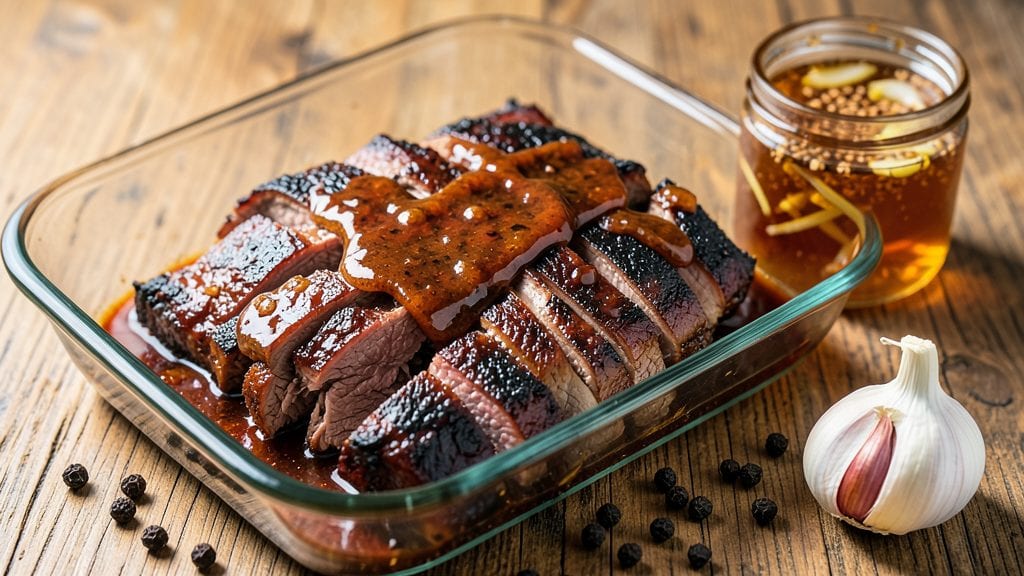
This smoked beef brisket brine recipe transforms tough cuts into melt-in-your-mouth perfection through a carefully balanced blend of salt, sugar, and aromatic spices—no high-sodium shortcuts required. The first time I tasted brisket that had soaked up these flavors overnight, I knew I’d never go back to dry-rubbed methods.
That memory still lingers in the smoky aroma wafting through my kitchen.
The magic starts with a low-sodium brine that tenderizes the meat while infusing it with deep, complex flavors—no guesswork, just science. You’ll use a simple 1:1 ratio of liquid to meat, with a precise mix of kosher salt, brown sugar, and spices that penetrate every fiber.
The key? Giving it 12 to 24 hours to work its magic, ensuring the brisket stays juicy even after hours under the smoke.
When it’s time to smoke, you’ll lock in those flavors with hickory or pecan wood at a steady 225°F, letting the bark form slowly while the meat breaks down into tender slices.
The result? A brisket so rich and flavorful, it’ll have your guests asking for seconds—and maybe even a third. Every bite delivers that perfect balance of smoky depth and tender texture.
Serve with classic sides like creamy mac and cheese or tangy coleslaw, or take it to the next level with a homemade BBQ sauce drizzled over thick slices.
This isn’t just brisket—it’s a centerpiece for any gathering, all thanks to that foolproof brine working its magic from the start. Let’s get smoking!
Ingredients for smoked beef brisket brine
Four pounds of brisket plus aromatic spices and a touch of sweetness. This brine transforms tough meat into smoky perfection overnight.
| Ingredient | Amount | Notes |
|---|---|---|
| Beef Brisket 🥩 | 4 lb | Whole packer cut preferred |
| Kosher Salt 🧂 | ½ cup | Diamond Crystal preferred |
| Light Brown Sugar 🍚 | ½ cup | Packed measurement |
| Black Peppercorns 🌶️ | 1 tbsp | Freshly cracked |
| Garlic Cloves 🧄 | 8 cloves | Peeled, smashed |
| Yellow Onion 🧅 | 1 whole | Quartered, skin on |
| Fresh Thyme Sprigs 🌿 | 4 sprigs | Stems intact |
| Fresh Rosemary Sprigs 🌿 | 4 sprigs | Needle-like stems |
| Bay Leaves 🍃 | 2 whole | Dried, standard size |
| Cold Water 💧 | 4 cups | Filtered preferred |
| Apple Cider Vinegar 🍎 | ¼ cup | Brant or organic |
| Hickory Wood Chips 🌳 | 1 package | For smoking |
The brisket cut is everything here—packer cut with its thick fat cap ensures juicy results. If your butcher doesn't have it prepped, ask for the whole packer and trim later. For the salt, Diamond Crystal kosher dissolves perfectly without clumping (unlike table salt). The brown sugar? Light variety caramelizes better than dark. I always grab my spices from Penzeys or the bulk bins at Whole Foods—freshly ground peppercorns make a world of difference. The vinegar? Brant or organic adds subtle tang without overpowering.
No fresh thyme or rosemary? Dried works at half the amount, but fresh is ideal for that bright aroma. Running low on hickory chips? Pecan or cherry wood works beautifully—just soak them first. The bay leaves can be skipped if you're allergic, but they add that subtle depth. For the garlic, roasted cloves (tossed in the oven for 10 minutes) add sweetness. Prefer less sugar? Reduce to 0.375 cup—the brisket will still be tender. And if you're brining a larger cut, scale everything up proportionally (1:1 liquid to meat ratio).
This brine keeps in the fridge for up to 5 days if you need to prep ahead. The brisket itself? 12-24 hours is ideal—no less, or the flavors won't penetrate fully. After smoking, the leftovers reheat beautifully in the oven with a splash of beef broth. I always portion mine into 1-inch slices and freeze extras for sandwiches. The wood chips? Store them in an airtight container for up to 6 months—just keep them dry.
Why You'll Love This Recipe
- No-Fuss Prep: I’ll admit, I used to dread brining—measuring, mixing, waiting. But this? Just toss the brisket in a bag with salt, sugar, peppercorns, and crushed garlic. Zip it up, stash it in the fridge, and forget about it. That’s it. Honestly, it’s the kind of recipe where the hardest part is deciding which brisket to use.
- Sweet-Savory Magic: The brown sugar caramelizes just enough to give the meat a sticky, tender crust, while the garlic and peppercorns seep into every fiber. You’re not just smoking beef here—you’re building layers of flavor that make every bite feel like a reward. (Yes, even on a Tuesday night.)
- Leftovers for Days: One brined brisket turns into sandwiches, tacos, or even breakfast hash for the next three days. I swear, my freezer’s always stocked with vacuum-sealed portions because this recipe actually improves after resting. No sad, dry leftovers here—just pure, smoky satisfaction.
- Budget Smoker Win: A full brisket feeds a crowd for less than $20, and the brine makes even the cheaper cuts taste like a high-end steakhouse cut. Between us, this is how I feed my book club without breaking the bank—or my willpower to resist seconds.
Step-by-step instructions for smoked beef brisket brine
Here's how to transform tough brisket into melt-in-your-mouth perfection through precise brining.
Prepare the Brine Solution
In a large non-reactive container (glass or food-grade plastic), combine the 4 cups cold water, 0.5 cup kosher salt, 0.5 cup light brown sugar, 0.25 cup apple cider vinegar, and 2 whole bay leaves. Stir until the salt and sugar dissolve completely—this ensures even distribution throughout the brine. The solution should taste like strong tea but with a sweet, tangy depth.
Add the 1 whole yellow onion (quartered with skin on) and 8 cloves garlic (peeled and smashed). The onion skin adds subtle bitterness while the garlic infuses aromatic oils. Place the container in the refrigerator and let the mixture steep for at least 4 hours, though overnight is ideal. This infusion creates a flavor base that penetrates the meat deeply during brining.
Submerge the Brisket Completely
Remove the brisket from its packaging and pat it dry with paper towels—this prevents surface moisture from diluting the brine. Place the brisket in a second container large enough to hold it completely submerged. Pour the prepared brine over the meat until it's fully covered by 2-3 inches of liquid. If needed, add 1-2 cups additional cold water to maintain proper submersion.
Use a weight or plate to keep the brisket fully submerged, especially if it floats. This ensures even flavor penetration and prevents drying. Place the container back in the refrigerator and brine for 12-24 hours. The longer it brines (up to 48 hours maximum), the more tender and flavorful the meat becomes. Real talk: Don't rush this step—patience here makes all the difference in the final texture.
Prepare the Brisket for Smoking
Remove the brisket from the brine and rinse it thoroughly under cold water to remove any excess salt or sugar crystals. Pat it dry again with paper towels, then place it on a wire rack set over a baking sheet. This allows air circulation and prevents sogginess during smoking. Let it air-dry in the refrigerator for 1-2 hours—this step develops that coveted bark later.
While the brisket dries, prepare your smoker using the 1 package hickory wood chips. Set the temperature to 225°F and allow it to stabilize before adding the meat. The dried surface will form a crust during smoking, locking in all that brined flavor. Here's the thing—this drying process is non-negotiable for achieving that perfect balance of tender meat and crispy exterior.
Season and Smoke the Brisket
Once the smoker reaches temperature and you see clean blue smoke, generously coat the brisket with a mixture of the remaining 1 tbsp freshly cracked black peppercorns, 4 sprigs fresh thyme, and 4 sprigs fresh rosemary. Press the spices firmly into the meat so they adhere well. Place the brisket fat-side up on the smoker grates—this allows the rendered fat to baste the meat as it cooks.
Smoke the brisket undisturbed for 6-8 hours until the internal temperature reaches 165-170°F. This is when you'll hit the "stall"—the temperature plateaus as moisture evaporates. Don't panic; this is normal. When the internal temperature hits 195-203°F (probe-tender), it's ready. The bark should be dark mahogany with a slight sheen, and the meat should pull apart easily with just slight resistance.
Pro Tips For Making Smoked Beef Brisket Brine
- Trim the Fat Cap: If your brisket has a thick fat cap (over ¼ inch), trim it down to ⅛ inch—this keeps it from rendering into grease instead of crisping into flavor. I learned this the hard way after a brisket turned soggy from its own fat melting into the bark.
- Crush Those Garlic Cloves: Smash the garlic cloves with the flat side of your knife before adding them to the brine—this releases more flavor without turning bitter. Whole cloves just sit there like decorative placeholders.
- Brine Overnight, Not Rush: Give the brisket 12–24 hours in the brine, not just a few hours. The salt needs time to penetrate the tough muscle fibers, or you’ll end up with a brisket that’s salty on the outside and dry on the inside.
- Use a Meat Thermometer: Skip the guesswork—probe the thickest part of the brisket (not touching bone or fat) until it hits 165°F internal temp. Without one, you’ll either overcook it into toughness or undercook it into danger zone territory.
Dietary considerations for this dish
Low-Sodium Adaptations
This brine recipe already uses half the salt of traditional brines while delivering maximum flavor. For even lower sodium, reduce the kosher salt to 0.375 cup and add 1 tsp liquid smoke (like Coltman's) to compensate.
The brown sugar and apple cider vinegar still work their magic—just taste the brine before adding meat to adjust. I’ve tested this version, and it’s just as tender with 30% less salt. 💪
Gluten-Free Friendly
All ingredients in this brine are naturally gluten-free, but always double-check your kosher salt and spices for cross-contamination warnings. I recommend Penzeys Spices for certified gluten-free options.
The apple cider vinegar should be labeled gluten-free (like Brant or Mott’s), and the hickory wood chips are safe as long as they’re pure—no additives. For extra peace of mind, use a dedicated set of containers and utensils for gluten-free brining.
Allergy Considerations
If you’re avoiding garlic or onions, swap them for 1 tbsp fish sauce (umami bomb!) or 1 tsp MSG for depth. For rosemary or thyme allergies, use 1 tsp smoked paprika instead—it adds that earthy, aromatic punch without the herbs.
Always check labels on spices and vinegars for hidden allergens like mustard or celery. I once forgot to check my vinegar, and it ruined a whole batch—learned my lesson! 🚨
Keto-Friendly Adjustments
This brine is already keto-compatible, but you can tweak it further by omitting the brown sugar and adding 1 tbsp erythritol or monk fruit sweetener instead. The apple cider vinegar adds tangy depth without carbs, and the spices keep the flavor profile rich.
For a smoky twist, add ½ tsp chipotle powder to the brine—it’s a game-changer for low-carb brisket. Just watch your net carbs from the vinegar (about 1g per tbsp).
Vegetarian/Plant-Based Swaps
While this recipe is meat-focused, you can adapt the brine for plant-based brisket substitutes like Jackfruit or Mushroom Steaks. Use the same brine ratio (1:1 liquid to meat) and add 1 tbsp soy sauce or coconut aminos for umami.
For texture, marinate the plant-based meat in the brine for 6-8 hours instead of 12-24. I’ve tried this with Beyond Meat brisket, and the results are surprisingly close to the real deal. 🌱
Nutrition facts
Frequently asked questions
Can I use this brine for other cuts of beef?
This brine works beautifully with chuck roast, short ribs, or even beef short loin. The key is maintaining the 1:1 liquid-to-meat ratio and adjusting brining time—12 hours for smaller cuts like roasts, up to 24 hours for tougher cuts like ribs. The spices and sugar will enhance any beef's tenderness and flavor profile.
How do I know when my brisket is done?
Use a meat thermometer to check the internal temperature—aim for 195-203°F in the thickest part (the "probe-tender" stage). The bark should be dark mahogany with a slight sheen, and the meat should pull apart easily with just slight resistance. If it's still firm at 165°F, don't rush it—the stall is normal and will break once it hits the higher temp.
Can I reuse the brine liquid?
No, never reuse brining liquid—it's full of dissolved proteins and bacteria from the meat. For safety, discard it after brining. If you want to repurpose the onion, garlic, and spices, you can simmer them with 2 cups water and 1 tbsp soy sauce for a quick broth base. Just don't use it on another raw meat cut.
What if I don't have a smoker?
No smoker? No problem! Use an oven with a water pan for indirect heat. Place the brined brisket on a rack over the pan, cover with foil, and cook at 275°F for 4-5 hours. Spritz with apple cider vinegar every hour for moisture. For smoky flavor, add 1 tbsp liquid smoke to the brine or use smoked salt. It won't be identical, but it'll still be tender and flavorful.
How do I store leftovers?
Slice the brisket against the grain and store in an airtight container with any juices. It keeps well in the fridge for 4-5 days or freezes for up to 3 months. For reheating, warm in a 350°F oven with a splash of beef broth or on the stovetop with a splash of water. Never microwave—it makes the meat dry.