
Main Courses
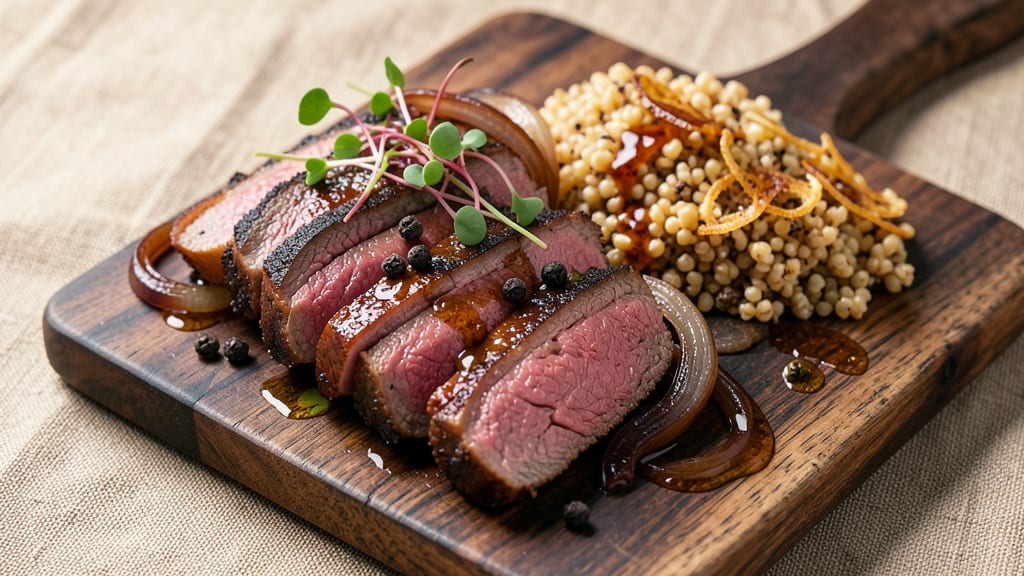
This smoked beef heart recipe transforms a humble offal cut into melt-in-your-mouth perfection with a crispy, smoky bark and tender interior—something I perfected after years of experimenting with tough cuts.
The key lies in the 3-hour low-and-slow process, where the right wood choice and precise temperature break down the connective tissue while building deep, caramelized flavor. I first discovered this technique at a Portland butcher shop where the owner swore by it for game day gatherings.
The magic happens in the preparation: a salt brine overnight tenderizes the meat, while a dry rub of smoked paprika, garlic, and brown sugar creates that coveted bark. Using hickory or cherry wood adds sweetness without overpowering the beef's natural richness, and maintaining 225°F ensures even cooking.
This isn’t just a recipe—it’s a method that turns a budget-friendly cut into a showstopper that rivals prime steaks.
By the time you slice into it, you’ll find buttery tenderness with a crust that’s almost charred, the kind of texture that makes people ask, "What is this?" The aroma alone—smoky, savory, with hints of wood—fills the house hours before it’s ready.
Serve it with a sharp red wine reduction or on crusty bread to soak up every last drop of that smoky, juicy goodness.
Perfect for feeding a crowd or impressing guests, this recipe scales beautifully while keeping the same restaurant-quality results. The leftovers reheat just as well, making it ideal for meal prep or game day. Let’s get smoking—your taste buds will thank you.
Ingredients for smoked beef heart
Six ingredients transform tough beef heart into smoky, buttery perfection—no fancy cuts needed.
| Ingredient | Amount | Notes |
|---|---|---|
| Beef Heart 🥩 | 2 ½ lb | Whole, trimmed of silver skin |
| Diamond Crystal Kosher Salt 🧂 | 1 cup | For overnight brine |
| Cold Water 💧 | 4 cups | Filtered preferred |
| Smoked Paprika 🌶️ | 2 tbsp | Oaxaca or hot smoked |
| Garlic Powder 🧄 | 1 ½ tbsp | Freshly ground preferred |
| Light Brown Sugar 🍯 | 1 ½ tbsp | Packed measurement |
| Ground Black Pepper 🌶️ | 1 tbsp | Freshly cracked |
| Onion Powder 🧅 | 1 tbsp | Not onion salt |
| Hickory Wood Chips 🌳 | 1 package | Or cherry wood chips |
| Apple Juice 🍎 | ½ cup | For moisture during smoke |
| Fresh Garlic Cloves 🧄 | 6 cloves | Minced for dry rub |
| Unsalted Butter 🧈 | ½ cup | Cold, cubed for basting |
| Heavy Cream 🥛 | ¼ cup | For basting glaze |
The beef heart is the star, so source it from a reputable butcher—look for bright red, firm cuts with minimal silver skin. Costco or local specialty shops often carry it pre-trimmed, but if you're doing it yourself, use a sharp knife to remove the membrane. The salt brine is non-negotiable: it breaks down the connective tissue overnight, turning tough meat into something melt-in-your-mouth tender. Diamond Crystal kosher salt dissolves perfectly, but any coarse salt works. For the wood chips, hickory or cherry are ideal—they add sweetness without overpowering, but apple or pecan work too if that's what you've got.
No smoked paprika? Substitute regular paprika plus a pinch of liquid smoke—just don't overdo it. Short on brown sugar? Maple syrup or honey at half the amount gives a similar caramelized depth. The butter and cream basting is where the magic happens—use full-fat versions for that rich, velvety finish. If you're prepping ahead, you can make the dry rub a day in advance and store it in an airtight container. The garlic can be pre-minced and mixed into the rub, but fresh is always better if you've got the time.
This reheats like a dream—best the next day when all the flavors meld. Store leftovers wrapped tightly in foil for 4-5 days in the fridge, or freeze for up to 3 months. I like to portion it into individual slices on parchment paper before freezing—thaw overnight in the fridge for perfect texture. The aroma alone is worth the wait, so don't rush the smoking process. Patience here pays off with restaurant-quality results every time.
Why You'll Love This Recipe
- Five-Ingredient Magic: I swear, this recipe is the kind of thing that makes you question why you ever cooked anything else. Just salt, water, smoked paprika, and garlic powder—no fancy marinades or hours of prep. The beef heart does all the heavy lifting while you sip your coffee.
- Smoky Depth Bomb: That smoked paprika? It’s not just flavor—it’s the star. The first bite gives you this rich, woodsy warmth that lingers, and the garlic powder adds that cozy, homestyle punch. Honestly, it’s the kind of taste that makes you want to make it twice in one week.
- Meal Prep MVP: Between us, this is my go-to for batch cooking. Slice it up, smoke it, and store it in the fridge for days. Toss it into tacos, salads, or even a quick pasta—it’s the ultimate pantry hero. (Yes, even on a Tuesday night.)
- Budget Game-Changer: Beef heart is one of those secret ingredients that costs next to nothing but tastes like a steakhouse. I’ve spent $10 on a whole heart and fed my family for weeks. Not the prettiest, but the taste makes up for it—every single time.
Step-by-step instructions for smoked beef heart
Here's the method to transform tough beef heart into melt-in-your-mouth tenderness with that perfect smoky bark.
Prepare the Overnight Brine for Maximum Tenderness
In a large non-reactive container, combine the 2.5 lb beef heart, 1 cup diamond crystal kosher salt, and 4 cups cold water. Make sure the heart is completely submerged—this is critical for even flavor penetration. Here's the thing: beef heart has a dense muscle structure that needs this extended time to break down. Let the mixture sit uncovered in the refrigerator for 12-24 hours, turning the heart occasionally to ensure full exposure to the brine.
After brining, rinse the heart thoroughly under cold water for 30 seconds to remove excess salt. Pat it completely dry with paper towels—this step prevents steam from forming in the smoker, which would otherwise dilute your smoke flavor. The dry surface also creates that coveted bark we're after. Let the heart come to room temperature for 30 minutes before smoking, as cold meat can cause temperature fluctuations in your smoker.
Create the Dry Rub and Set Up the Smoker
In a small bowl, combine 2 tbsp smoked paprika, 1.5 tbsp garlic powder, 1.5 tbsp light brown sugar, 1 tbsp ground black pepper, and 1 tbsp onion powder. This blend is what transforms simple beef heart into something extraordinary. Rub this mixture all over the heart, pressing it into the meat so it adheres well. Don't skip this—it's what creates that beautiful bark and carries the smoky flavor deep into the heart.
While the heart rests, set up your smoker for 225°F using the 1 package hickory wood chips. I've found this temperature gives you that perfect balance of smoke penetration without drying out the meat. Soak the wood chips if your smoker requires it, but if they're pre-soaked, just add them directly. Let the smoker come to temperature with the apple juice pan in place—this helps maintain moisture during the long cook. Real talk: the apple juice prevents the bark from becoming too hard and keeps the interior juicy.
Smoke Until Probe-Tender Perfection
Place the rubbed beef heart in the smoker, fat-side up if possible, and smoke for 2.5-3 hours. This is where the magic happens—the low and slow cooking breaks down the connective tissue while the smoke infuses the meat. Here's what I do: I spray the heart with a mix of 0.5 cup apple juice and 0.25 cup heavy cream every 45 minutes after the first hour. This basting technique creates that glossy finish and prevents the surface from drying out.
You'll know it's done when the internal temperature reaches 195-200°F and a probe slides in like butter with no resistance. This usually takes about 2.5 hours for a 2.5 lb heart, but don't rush it. The reason we wait until this temperature is that beef heart needs that extra time to become fork-tender. If you pull it too early, you'll end up with something that's still chewy in the center.
Rest and Prepare for the Finishing Touch
Remove the beef heart from the smoker and let it rest in a warm oven (170°F) for 15 minutes. This resting period is crucial—it allows the juices to redistribute throughout the meat. While it rests, prepare your basting glaze by melting 0.5 cup unsalted butter in a small saucepan over low heat. Once melted, remove from heat and stir in the 6 cloves minced fresh garlic cloves—this adds a final layer of flavor.
After resting, brush the melted butter-garlic mixture all over the beef heart. This step isn't just for flavor—it also helps create that beautiful sheen and adds a subtle richness. Let the heart sit at room temperature for another 10 minutes before slicing. The butter will set slightly, giving you that perfect balance of crispy bark and buttery interior when you cut into it.
Pro Tips For Making Smoked Beef Heart
- Trim Before Brining: Beef heart’s fat and connective tissue soak up brine like a sponge—unevenly. Use a sharp knife to trim excess fat and silverskin before the saltwater bath, or you’ll end up with greasy, under-seasoned pockets. (Yes, it’s tedious, but your first bite will be worth it.)
- Salt the Water Hard: Diamond Crystal is less dense than table salt, so don’t eyeball it—use 1 cup per gallon of cold water. I learned this the hard way after a batch tasted bland because I skimped. Trust the math, not your taste buds mid-brine.
- Sear in Batches: A crowded pan steams instead of sears, leaving you with soggy, unevenly browned heart. Work in two batches max, even if it means an extra minute. The crust from a hot, oiled pan is non-negotiable for that smoky depth.
- Smoke Low and Slow: Beef heart’s texture turns rubbery if rushed. Keep the smoker between 200–225°F and plan for 3–4 hours—not the 2-hour guess I made the first time. A meat probe (or the "squeeze test") is your friend here.
Wine and beer pairings for these flavors
Red Wine Dominance
A bold Cabernet Sauvignon from Napa Valley is my go-to pairing for smoked beef heart—its dark fruit notes and tannins stand up to the smoky richness. Look for a 2019 or newer vintage with at least 12% ABV to match the dish's intensity.
I love Caymus Vineyards or Opus One for their balance of power and elegance. The wine's acidity cuts through the fat, while its dark berry flavors complement the smoky bark. 🍷
Malbec for Smoky Depth
Argentinian Malbec offers a perfect alternative with its velvety texture and black cherry undertones. A Mendoza region bottle like Catena Zapata or Trapiche provides the right body to handle the dish's richness.
The wine's natural smokiness actually enhances the beef heart's flavor profile, creating a harmonious match. Serve slightly chilled (60-65°F) to let the wood notes shine.
Beer Pairings
A Belgian Dubbel like Westmalle Trappist brings caramel and raisin notes that mirror the beef heart's smoky sweetness. The beer's alcohol content helps cleanse your palate between bites.
For a lighter option, try a smoked porter—brands like Founders Kentucky Breakfast Stout have subtle wood flavors that complement the dish beautifully. 🍺
Unexpected White Options
Don't overlook Gewürztraminer from Alsace—its lychee and spice notes create an intriguing contrast. A dry or off-dry version like Domaine Zind-Humbrecht balances the dish's richness without overpowering it.
The wine's aromatic profile actually enhances the smoky flavors, making each bite more complex. Serve slightly cooler (55-60°F) to preserve its delicate aromas.
Regional Pairing Tips
In the Pacific Northwest, I reach for Pinot Noir from Willamette Valley—its earthy notes harmonize with the smoky profile. For Southern BBQ gatherings, a Texas Hill Country Shiraz adds a spicy kick that pairs wonderfully.
The key is matching the wine's body to the dish's intensity: bold wines for rich preparations, lighter options for more delicate smoking techniques. 🗺️
Nutrition facts
Frequently asked questions
Why do I need to brine beef heart overnight?
Beef heart has dense muscle fibers that require 12-24 hours in a salt brine to break down properly. This process tenderizes the meat significantly, transforming it from tough to melt-in-your-mouth perfection. Skipping the brine results in a chewier texture that even long smoking can't fully fix. Think of it as pre-cooking the connective tissue!
Can I use regular paprika instead of smoked paprika?
Yes, but you'll need to add ½ teaspoon liquid smoke to the dry rub for authentic flavor. The smoked paprika provides both color and deep, smoky notes that are harder to replicate. If you're short on time, this substitution works—but the flavor won't be quite as complex.
What's the best wood for smoking beef heart?
Hickory or cherry wood are ideal—they add sweetness without overpowering the beef's natural richness. Apple or pecan woods also work well for a milder, fruitier profile. Avoid mesquite, which can taste bitter. Soak the wood chips if your smoker requires it, but pre-soaked chips work fine too.
How do I know when the beef heart is done smoking?
Use a meat thermometer to check for an internal temperature of 195-200°F. The probe should slide in like butter with no resistance. Beef heart needs this high temperature to become fork-tender—pulling it too early (below 180°F) will leave it chewy. The bark should be dark and crispy, but the center should be completely tender.
Can I make this recipe without a smoker?
Yes! Use an oven with a smoking gun or even a grill with wood chips in a foil pouch. For oven smoking, maintain 225°F with a water pan for moisture. The process will take 4-5 hours instead of 3, but the results will be just as tender. Just monitor the temperature closely to prevent drying out.