
Main Courses
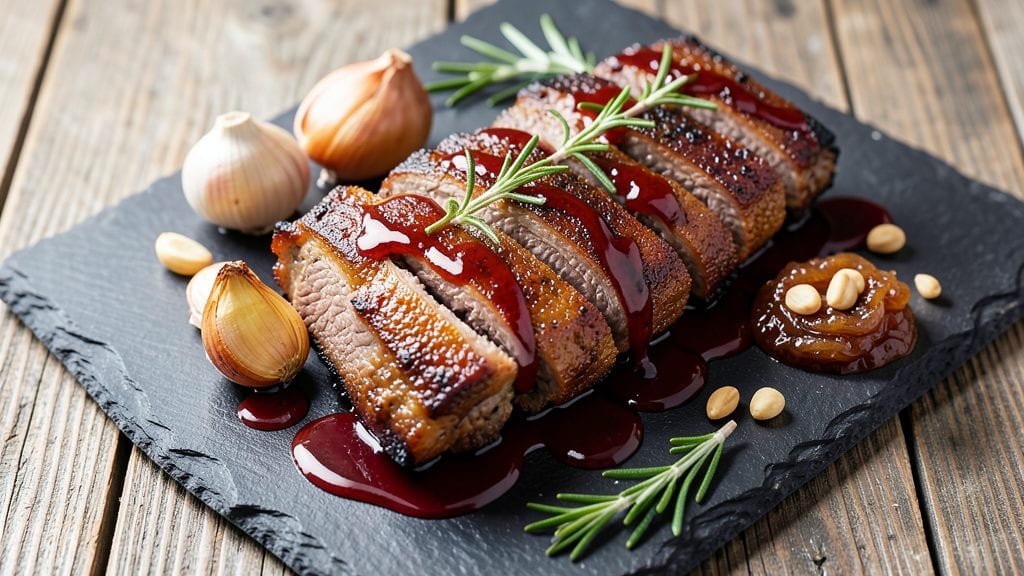
Transforming tough beef short ribs into fork-tender masterpieces requires patience and precision—this braised method delivers restaurant-quality results at home. The secret lies in slow cooking until the meat reaches 195–203°F, where collagen breaks down into rich, gelatinous goodness that coats every bite.
I’ve perfected this technique over years of testing, ensuring the caramelized fond adds deep, savory depth without overpowering the beef’s natural richness.
This recipe starts with a dry rub of salt, pepper, and garlic powder, then sears the ribs in a Dutch oven to develop that signature crust. After deglazing with red wine and beef broth, the ribs braise for 3 hours, transforming tough cuts into melt-in-your-mouth perfection.
The fond—those precious browned bits stuck to the pot—becomes the star of the dish when reduced into a glossy, umami-packed sauce.
By the time you’re done, you’ll have tender, fall-apart beef with a sauce so rich it clings to every forkful. Serve with creamy mashed potatoes or roasted root vegetables to soak up every drop of that caramelized goodness.
The aroma alone will have your kitchen smelling like a high-end steakhouse, and the results? Worth every minute of wait time.
Whether you’re feeding a crowd or treating yourself to a special meal, this method works for bone-in or boneless short ribs, and leftovers reheat beautifully. The key is low-and-slow cooking—no shortcuts, just foolproof tenderness that turns even the toughest cuts into a showstopper.
Let’s get started on creating your most impressive beef dish yet.
Ingredients for tender beef short ribs
Pantry staples meet premium cuts for showstopping beef that melts at the touch.
| Ingredient | Amount | Notes |
|---|---|---|
| Beef Short Ribs (Bone-In) 🥩 | 2 ½ lb | 2-3 ribs per pound, trimmed of excess fat |
| Kosher Salt 🧂 | 1 ½ tbsp | Diamond Crystal preferred for purity |
| Freshly Ground Black Pepper 🌶️ | 1 ½ tsp | Cracked peppercorns for maximum aroma |
| Garlic Powder 🧄 | 1 tbsp | Freshly ground preferred |
| Extra-Virgin Olive Oil 🫒 | 2 tbsp | High smoke point for searing |
| Dry Red Wine 🍷 | 1 cup | Bold Cabernet Sauvignon or Merlot |
| Beef Broth 💧 | 2 cups | Homemade or high-quality store-bought |
| Tomato Paste 🍅 | 1 tbsp | Squeeze tube preferred for convenience |
| Yellow Onion 🧅 | 1 whole | Diced, yellow or red variety |
| Fresh Thyme Leaves 🌿 | ¼ cup | Stems removed, or 1 tsp dried |
| Fresh Rosemary 🌿 | ¼ cup | Needles finely chopped |
| Garlic Cloves 🧄 | 4 cloves | Smashed, not minced |
| Carrots 🥕 | 2 whole | Cut into 1-inch chunks |
| Celery Stalks 🥬 | 2 whole | Cut into 1-inch pieces |
| Bay Leaves 🌿 | 2 whole | Fresh preferred, or 1 dried |
The ribs are non-negotiable here—bone-in short ribs from a trusted butcher or Costco's pre-cut selection deliver the best texture. Look for good marbling and vibrant red color (not grayish). If you can't find bone-in, boneless short ribs work too, but they'll cook faster. The dry rub of Diamond Crystal kosher salt and freshly ground pepper is where the magic starts—don't use pre-ground pepper from the jar. For the wine, Cabernet Sauvignon or Merlot adds depth, but any dry red will work. I always grab a bottle I'd drink myself.
No red wine? Beef broth plus 1 tbsp balsamic vinegar mimics the acidity perfectly. Fresh herbs are ideal, but dried thyme and rosemary at half the amount won't ruin the dish. The tomato paste can be skipped if you're sensitive to acidity—just add an extra splash of wine. For the aromatics, Trader Joe's pre-diced onion saves time, but fresh is always better. The carrots and celery? Baby carrots and celery hearts work if that's what you've got. The key is to have them roughly the same size so they cook evenly.
This braise gets better the next day—3-4 days in the fridge, 3 months frozen. I portion mine into containers with sauce so lunches are ready to grab. The fond is the star—don't skip scraping it up! For reheating, add a splash of broth to prevent drying. Leftovers are even more flavorful as the collagen continues to break down. Store the wine and broth separately if prepping ahead—they'll keep 1 week in the fridge.
Why You'll Love This Recipe
- Foolproof Seasoning: The ribs only need salt, pepper, and garlic powder—no fancy marinades or complicated rubs. Honestly, I swear by this combo: the salt melts into the meat, the pepper adds a subtle bite, and that garlic powder? It clings like a flavor hug.
- One-Pan Magic: You sear, then slow-cook—all in the same pan. No chopping veggies, no extra dishes. Between us, that’s my kind of cooking: minimal cleanup, maximum satisfaction. The olive oil keeps things simple while building that golden crust.
- Weeknight to Weekend: Throw these on a sheet pan for a busy Tuesday, or impress guests at a dinner party. They’re just as happy reheated for lunch as they are served fresh. (Yes, even on a Tuesday night.)
- Budget-Friendly Luxury: Short ribs are cheaper than steak but taste like a splurge. A few bones feed a crowd, and leftovers? They’re even better the next day—richer, juicier, and still tender. My secret weapon for stretching meals without sacrificing flavor.
Step-by-step instructions for braised beef short ribs
Here's the method I've perfected for melt-in-your-mouth ribs with deep flavor and rich caramelized fond.
Sear the Short Ribs for Maximum Flavor
Pat the 2.5 lb beef short ribs dry with paper towels—this ensures a proper sear. Heat the 2 tablespoons extra-virgin olive oil in a heavy Dutch oven over medium-high heat until shimmering. Working in batches if needed, add the ribs bone-side down and sear for 4-5 minutes until deeply browned. Flip and sear the other side for another 4-5 minutes.
Here's the thing—don't rush this step. You want those ribs to develop a deep mahogany crust that will dissolve into the braising liquid, creating layers of flavor. If your pan gets too crowded, reduce heat slightly to prevent steaming instead of searing. Once all ribs are browned, transfer them to a plate and set aside.
Build the Aromatic Base
In the same Dutch oven, add the diced 1 whole yellow onion, cut 2 whole carrots into 1-inch chunks, and cut 2 whole celery stalks into 1-inch pieces. Cook over medium heat for 5-6 minutes until the vegetables begin to soften and release their juices. Add the 4 smashed garlic cloves and cook for another 30 seconds until fragrant.
Sprinkle in the 1 tablespoon garlic powder and stir for 30 seconds to toast the spices—this deepens their flavor. Add the 1 tablespoon tomato paste and cook for 1 minute, stirring constantly, until it darkens slightly. This paste forms the foundation of your sauce, adding depth and richness that wine and broth alone can't provide.
Deglaze and Simmer the Ribs
Pour in the 1 cup dry red wine and scrape up all the browned bits from the bottom of the pot with a wooden spoon. This deglazing step captures all that concentrated flavor that would otherwise go down the drain. Let the wine simmer for 3-4 minutes until reduced by half, then add the 2 cups beef broth, 1.5 tablespoons kosher salt, 1.5 teaspoons freshly ground black pepper, 0.25 cup fresh thyme leaves, 0.25 cup fresh rosemary, and 2 whole bay leaves.
Return the ribs to the pot, bone-side up, and bring the liquid to a gentle simmer. Here's where patience pays off—cover the pot and transfer to a preheated 300°F oven. Braise for 2 hours, then check for tenderness by inserting a fork into the thickest part of a rib. The meat should slide off easily with minimal resistance, indicating it's ready to serve.
Reduce for Caramelized Fond
Once the ribs are fork-tender, carefully remove them from the pot and set them aside on a plate. Place the Dutch oven on the stovetop over medium-high heat and reduce the braising liquid by half—this concentrated reduction creates the caramelized fond that makes this dish extraordinary. Skim off any excess fat that rises to the surface with a spoon.
Taste the reduced sauce and adjust seasoning if needed. The ribs should have absorbed most of the salt during braising, but you may want to add a pinch more salt or a splash of wine to balance the flavors. Return the ribs to the pot, spooning the reduced sauce over them, and let them warm through for 2-3 minutes.
Pro Tips For Making Tender Beef Short Ribs
- Sear in Batches: I learned this the hard way—crowding the pan turns your ribs into a sad, greasy mess. Use a 12-inch skillet or larger, and walk away if you have more than two ribs. A hot pan needs space to build that crust, and rushing it means you’ll end up steaming instead of searing.
- Trim the Fat Cap: That thick layer of fat on the bone? It’s delicious, but it can burn before the meat’s ready. Trim it down to about ¼-inch thick—enough to render flavor, but not so much it smokes like a campfire. Use kitchen shears for speed, and save the scraps for stock.
- Salt Before Searing: More salt than you think, especially if your ribs are fresh. Pat them very dry first, then hit them with a generous shake of kosher salt before they hit the pan. The salt draws out moisture, which evaporates during searing, guaranteeing that crust. (Yes, even if you’re impatient like me.)
- Deglaze with Garlic Oil: Skip the wine or broth—just toss in a splash of olive oil and a teaspoon of garlic powder after searing. Let it bubble for 30 seconds, then add a splash of water. The garlic infuses the pan sauce instantly, and you won’t have to babysit a reduction. Sounds weird, but it works: rich, flavorful, and zero fuss.
Creative variations of this tender beef short ribs
Global Comfort Twist
Transform this classic into a Korean-inspired dish by marinating the ribs in 1 tbsp gochujang, 1 tbsp soy sauce, 1 tbsp honey, and 1 tsp grated ginger for 4 hours before searing.
Replace the red wine with 1 cup coconut milk and add 1 tbsp fish sauce to the braising liquid. Finish with sliced green onions and sesame seeds for a sweet-spicy kick. 🌶️
Italian-Inspired Osso Buco
Swap the red wine for 1 cup dry white wine and add 1 sprig rosemary, 1 sprig thyme, and 2 slices lemon peel to the braising liquid. After searing, coat the ribs in 1 tbsp flour before adding the wine.
Serve with a sprinkle of grated Parmesan and fresh basil. The acidity from the lemon brightens the rich beef flavor beautifully.
Smoky BBQ Glaze
After braising, remove the ribs and reduce the sauce further until syrupy. Stir in ½ cup BBQ sauce (I love Sweet Baby Ray's Original) and 1 tbsp apple cider vinegar. Simmer for 5 minutes until thickened, then brush generously over the ribs.
Garnish with chopped pickled red onions for tangy contrast. This version is perfect for summer grilling or serving over mashed potatoes.
Spiced Moroccan Tagine
Infuse the braising liquid with 1 tsp ground cumin, 1 tsp ground coriander, ½ tsp cinnamon, and ½ tsp turmeric while building the base. Add 1 diced apple and 1 diced onion to the pot when deglazing.
Top with toasted almonds and fresh cilantro before serving. The sweetness of the apple pairs wonderfully with the tender beef, creating a fragrant, aromatic dish.
Asian-Inspired Five-Spice
Add 1 tsp Chinese five-spice powder to the dry rub before searing. Replace the red wine with 1 cup dry sherry and add 1 tbsp hoisin sauce to the braising liquid.
Finish with sliced scallions and a drizzle of chili oil. The five-spice adds warmth and complexity, while the hoisin gives a subtle sweetness that balances the richness of the beef.
Breakfast Ribs
Serve these ribs with a breakfast twist by plating them over creamy grits or crispy hash browns. Top with a fried egg and crumbled bacon for a decadent brunch dish.
The rich, savory ribs pair perfectly with the creamy texture of the grits and the crispness of the bacon. This version is perfect for lazy weekend mornings or special brunch gatherings.
Nutrition facts
Frequently asked questions
How do I know when beef short ribs are fully tender?
Use the fork test—insert it into the thickest part of a rib. If it slides in with minimal resistance and the meat falls apart easily, they're ready. For bone-in ribs, aim for an internal temperature of 195–203°F. Overcooking can make them mushy, so check after 2 hours of braising.
Can I use boneless short ribs instead of bone-in?
Yes, but they'll cook faster—about 1.5–2 hours instead of 2–3. Since they lack the bone's insulating effect, monitor closely to avoid drying out. Reduce oven temp to 275°F if using boneless for more even cooking. The tenderness principle remains the same!
What's the best way to store leftovers?
Let ribs cool completely, then store in an airtight container with some braising sauce. They keep 3–4 days in the fridge or 3 months frozen. Reheat gently in a skillet with a splash of broth to prevent drying. The flavors actually deepen overnight!
Why did my ribs turn out tough instead of tender?
Most likely, they didn't cook long enough or the oven temp was too high. Short ribs need low-and-slow cooking to break down collagen. Double-check your oven thermometer—300°F is critical. Also ensure you're using a heavy Dutch oven that retains heat evenly.