
Sauces & Condiments
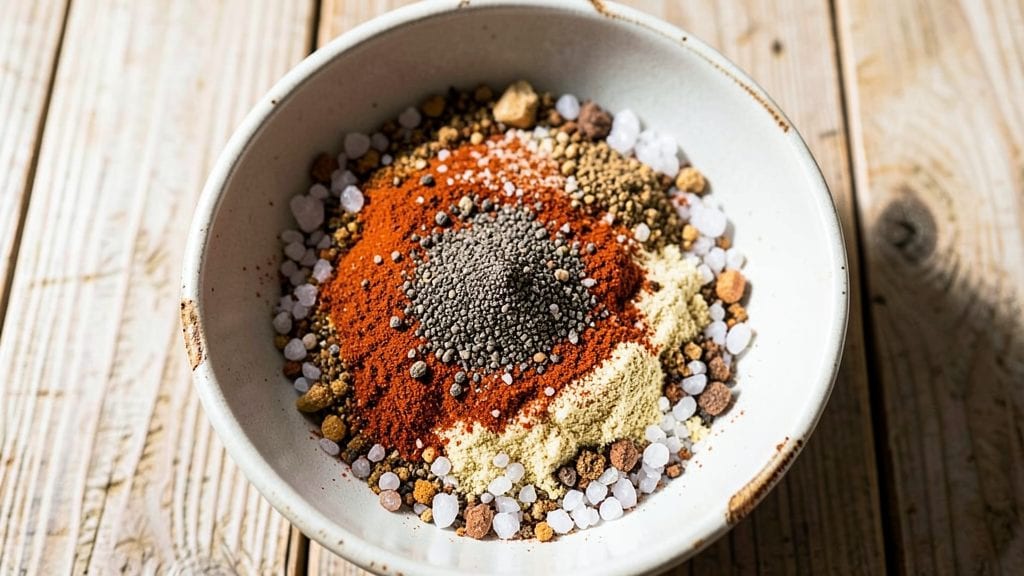
Creating the perfect Texas beef brisket starts with a dry rub that delivers deep, smoky flavors and a crust that stands up to hours of heat. This precise blend of spices transforms tough brisket into tender, aromatic perfection—every bite packed with smoky-sweet complexity.
I’ve refined this recipe over countless cookouts, ensuring each tablespoon delivers maximum flavor penetration.
The foundation of this rub is a balanced mix of coarse kosher salt and black pepper, which form the base for flavor development. From there, smoked paprika and chili powder bring the signature Texas smokiness, while garlic powder and onion powder add aromatic depth.
A touch of cayenne pepper introduces subtle heat, and mustard powder contributes a tangy brightness that cuts through the richness.
What makes this blend exceptional is its ability to create a hard, flavorful bark on the brisket’s exterior while allowing the meat to remain tender inside. The spices are intentionally coarse to maximize surface area and adhesion—no fine powders here.
Simply mix these ingredients thoroughly in a bowl, then store in an airtight container for up to three months, ready to elevate any brisket you cook.
Use this rub generously—about 1/4 cup per pound of brisket—and let it cure on the meat for at least 4 hours (overnight is ideal) before cooking. The result? A brisket with a crisp, aromatic crust that shatters with every bite, revealing juicy, flavorful meat beneath.
This is the dry rub that turns good brisket into unforgettable Texas-style masterpieces.
Ingredients for texas beef brisket dry rub
Eight essential spices transform brisket into Texas-style perfection with smoky-sweet complexity.
| Ingredient | Amount | Notes |
|---|---|---|
| Coarse Kosher Salt 🧂 | ½ cup | Diamond Crystal preferred for texture |
| Freshly Ground Black Pepper 🌶️ | ¼ cup | Coarse grind for adhesion |
| Smoked Paprika 🌶️ | ¼ cup | Honduran or Spanish for depth |
| Chili Powder 🌶️ | ⅛ cup | Medium heat blend preferred |
| Garlic Powder 🧄 | 2 tbsp | Freshly milled for potency |
| Onion Powder 🧅 | 2 tbsp | Granulated for even dispersion |
| Cayenne Pepper 🔥 | 1 tbsp | Adjust for desired heat level |
| Mustard Powder 🌿 | 1 tbsp | Yellow mustard powder preferred |
The foundation begins with Diamond Crystal kosher salt—its coarse texture creates the ideal crust adhesion. Penzeys Spices or Simply Organic bulk bins offer premium quality, but any reputable brand's coarse salt works. For smoked paprika, Honduran or Spanish varieties deliver the most authentic Texas smoke profile, though McCormick or Badia provide solid alternatives. The black pepper must be freshly ground and coarse—pre-ground pepper loses potency within weeks. Mustard powder adds tangy brightness; yellow mustard powder (not Dijon) ensures proper flavor balance without bitterness. All spices should be stored in airtight containers away from light to preserve their aromatic oils.
No smoked paprika? Substitute equal parts chili powder and a pinch of liquid smoke—though nothing replicates authentic smoke flavor. Short on cayenne? Red pepper flakes at half the amount provide similar heat. For garlic powder, fresh minced garlic at double the amount (2 tbsp) offers superior depth, though it requires refrigeration. Onion powder can be replaced with 2 tbsp onion salt, but reduce the kosher salt by 1 tbsp to maintain balance. The mustard powder is non-negotiable for that signature tang—Dijon mustard powder works but lacks the clean brightness of yellow. Always sift spices together to eliminate clumps and ensure even distribution on the brisket's surface.
This dry rub maintains peak potency for up to three months when stored in an airtight container in a cool, dark place. For long-term storage beyond three months, freeze the mixed rub in ice cube trays—each cube yields approximately 1 tbsp. The coarse texture is intentional; avoid grinding any ingredients finer than coarse. When applying to brisket, use 1/4 cup per pound of meat, pressing firmly to ensure adhesion. The rub works best when applied 4-24 hours before cooking, allowing flavors to penetrate the meat without overpowering it.
Why You'll Love This Recipe
- Five-Ingredient Magic: I swear by this combo—just salt, pepper, smoked paprika, chili powder, and garlic powder. No fancy blends, no guesswork. Honestly, it’s the kind of simplicity that makes me feel like a real cook.
- Smoky-Spicy Crust: That smoked paprika and chili powder? They cling to the brisket like a second skin, delivering deep, smoky heat with every bite. Between us, it’s the kind of flavor that makes people ask for seconds before you even finish serving.
- Game Day Ready: Whether it’s a tailgate, a potluck, or just a lazy Sunday, this rub turns a simple brisket into the star. I’ve used it for everything from pulled sandwiches to sliced platters—it’s that reliable.
- Leftovers That Shine: The best part? The next day’s even better. The rub deepens, the meat gets tender, and suddenly you’ve got a week’s worth of lunches or tacos. My freezer’s always stocked with it—because who doesn’t love easy meals?
Step-by-step instructions for creating Texas beef brisket dry rub
This method ensures a balanced, flavorful blend that develops a deep crust during smoking.
Combine Base Seasonings for Even Distribution
In a large mixing bowl, add the 0.5 cup coarse kosher salt and 0.25 cup freshly ground black pepper. Use a whisk to thoroughly combine these foundational ingredients. The coarse texture of the salt helps create adhesion during application, while the pepper provides a sharp contrast to the smoky elements. I find that whisking for 1-2 minutes ensures no clumping occurs—this prevents uneven flavor distribution later.
Next, incorporate the 0.25 cup smoked paprika and 0.125 cup chili powder. These ingredients carry the signature Texas profile—smoked paprika delivers that campfire aroma while chili powder adds warmth. I recommend using a silicone spatula to fold these dry powders into the salt and pepper mixture, breaking up any potential lumps. The goal is a uniform, sand-like texture that will cling perfectly to the brisket's surface.
Add Aromatic and Heat Components
Measure out the 2 tablespoons garlic powder and 2 tablespoons onion powder into the bowl. These powders provide depth without overpowering the primary flavors. I like to sprinkle them directly over the mixture and gently fold with a rubber spatula—this prevents creating dust clouds while ensuring even dispersion. The garlic and onion powders should be completely incorporated before moving to the next step.
Now add the 1 tablespoon cayenne pepper and 1 tablespoon mustard powder. The cayenne introduces heat that will develop beautifully during the smoking process, while the mustard powder adds a subtle tang that rounds out the flavor profile. Here's where it gets critical: use a fine-mesh sieve to sift these ingredients over the mixture. This prevents clumping and ensures the heat and acidity are evenly distributed throughout the rub. After sifting, fold everything together until the color becomes uniformly deep and rich.
Test and Adjust for Perfect Balance
Transfer the dry rub to a fine-mesh strainer and gently shake to break up any remaining clumps. I find that this final sifting step is crucial—it ensures the rub will apply smoothly to the brisket without leaving powdery residue. Once through the strainer, return the rub to your mixing bowl and give it one final stir with a clean spoon.
Here's the professional touch: taste the rub before applying it to your brisket. You should detect all components—smoky, spicy, savory, and slightly tangy—without any single element dominating. If you find it needs more heat, add a pinch of cayenne. If it lacks depth, incorporate a small amount of additional smoked paprika. The goal is a well-rounded blend that enhances rather than overpowers the natural beef flavor. Once satisfied, transfer the rub to an airtight container for storage.
Pro Tips For Making Texas Beef Brisket Dry Rub
- Salt First, Then Wait: Coat the brisket with kosher salt at least 24 hours before cooking—I learned this the hard way when my first attempt got a salty crust but dry meat inside. Let it sit uncovered in the fridge so the salt penetrates evenly and forms that coveted crust without rushing.
- Grind Your Own Pepper: Freshly ground black pepper makes a real difference—store-bought pre-ground loses potency fast. Use a coffee grinder (dedicated to spices only) right before mixing, and don’t skimp: about 1 tablespoon per pound of brisket. The aroma alone changes the game.
- Skip the Crowding: If you’re cooking on a grill or smoker, resist the urge to stack briskets or cover them too early. Let that first side sear uncovered for 45 minutes—even if it looks messy, it builds the crust you’re after. Crowding steams the meat instead of browning it.
- Mix Rub in Stages: Combine the dry rub ingredients in a bowl, but don’t dump it all on at once. Start with half the smoked paprika and chili powder, coat the brisket, then add the rest—this prevents clumping and lets the spices adhere better. Save the garlic powder for the last pass before cooking.
Perfect pairings for texas beef brisket dry rub
Smoky Bark Enhancers
To intensify that signature Texas brisket bark, pair your dry rub with a light layer of yellow mustard before applying the spices. The acidity helps the rub adhere better and creates a darker, crispier crust.
I use Dijon mustard mixed with 1 tablespoon apple cider vinegar per pound of brisket—just spread it on with a brush, then apply the rub. This technique became a staple at Franklin Barbecue in Austin, where the bark is legendary. 🌶️
Sweet Contrast Sides
Balance the smoky heat with sweet sides that complement the brisket’s depth. Classic Texas-style white beans cooked with ham hocks and smoked paprika provide a creamy, savory contrast.
For a lighter option, try grilled peach slices with a sprinkle of flaky sea salt—the natural sweetness cuts through the richness perfectly. I also love serving cornbread with honey butter, which adds a Southern touch that rounds out the meal.
Beverage Pairings
For drinks, nothing beats a Texas-style beer like Lone Star Beer or Shiner Bock. The malty sweetness and slight bitterness cleanse your palate between bites of brisket. If you prefer wine, a bold Zinfandel with its dark fruit notes and spice complements the smoky flavors beautifully.
For non-alcoholic options, sweet tea with lemon is a Southern classic that refreshes without overpowering the brisket’s depth.
Sauce Complements
While the brisket’s bark is the star, a simple BBQ sauce on the side lets guests customize their experience. I recommend a vinegar-based sauce with a touch of molasses—like Stubb’s Original—to enhance the smoky flavors without competing.
For a tangier option, a chipotle-lime aioli adds brightness that pairs perfectly with the rub’s heat. Serve sauces in small bowls so everyone can add just the right amount.
Garnish Finishing Touches
Elevate your brisket presentation with fresh cilantro and sliced jalapeños on the side. The cilantro adds a bright, herbaceous note, while the jalapeños let guests add heat as desired. For a more elegant touch, sprinkle the finished brisket with crumbled cotija cheese and a drizzle of hot honey.
This combination adds texture and a subtle sweetness that enhances the rub’s complexity. 💫
Nutrition facts
Frequently asked questions about Texas-style beef brisket dry rub
Why is coarse salt better than fine salt in this rub?
Coarse salt creates a better crust adhesion to the brisket, forming that signature hard bark during smoking. Fine salt dissolves too quickly, while coarse crystals cling to the meat's surface, locking in flavors as they caramelize. Diamond Crystal is preferred for its larger flakes, but any kosher salt works if it's coarse.
Can I make this rub spicier or milder?
For extra heat, add 1-2 teaspoons more cayenne pepper per batch. For a milder version, reduce the cayenne by half and replace with 1 teaspoon sweet paprika. Always taste before applying—adjust gradually to avoid overpowering the beef's natural flavor.
How long should I let the rub cure on the brisket?
For best results, apply the rub at least 4 hours before cooking and let it sit uncovered in the fridge. Overnight (8-12 hours) is ideal—this allows the spices to penetrate the meat's surface, creating deeper flavor without over-seasoning. Pat the brisket dry first to help the rub stick.
What's the best way to store leftover rub?
Transfer the mixed rub to an airtight container (like a mason jar) and store in a cool, dark place for up to 3 months. For longer storage, freeze in ice cube trays—each cube yields about 1 tablespoon. Always label with the date to track freshness.
Can I use this rub on other meats?
Yes! This blend works beautifully on pork shoulder, chicken thighs, or even ribs. For poultry, reduce the cayenne to ½ tablespoon to avoid overpowering delicate flavors. The smoky-sweet profile enhances any slow-cooked meat, though brisket remains the star application.