
Main Courses
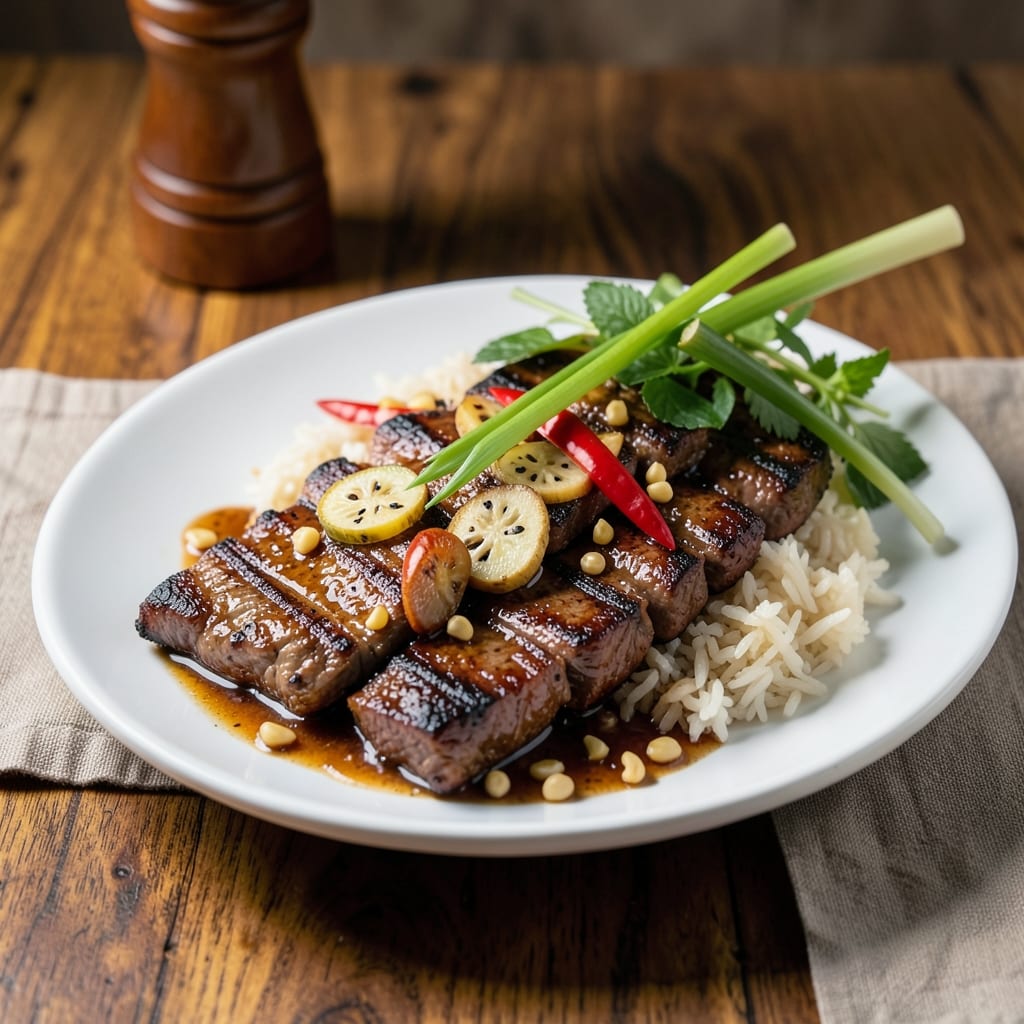
This Thai ginger beef recipe delivers the bold, aromatic flavors of street-side wok stalls in just 20 minutes—tender beef strips infused with ginger, lemongrass, and chili, served over fragrant jasmine rice. The secret lies in a quick marinade that transforms tough cuts into melt-in-your-mouth bites while keeping the process simple enough for weeknight dinners. I developed this version after years of testing, balancing authenticity with home-cook practicality.
The magic happens in the marinade—a blend of fresh ginger, garlic, fish sauce, and a touch of palm sugar—that tenderizes the beef while building layers of Thai-inspired flavor. Stir-frying over high heat creates those signature charred edges, while a splash of coconut milk at the end adds depth without overpowering the dish. What you'll end up with is restaurant-quality Thai ginger beef that's tender, aromatic, and packed with that signature wok heat.
Pair it with steamed jasmine rice to soak up every last drop of that fragrant sauce, or serve with a simple cucumber salad for freshness. The recipe scales perfectly for feeding a crowd or meal prepping for the week—just double the marinade and beef. This is comfort food with a global twist, proving you don't need a Michelin-starred kitchen to deliver authentic flavors.
Confession: I've burned through three batches perfecting the timing, but this version actually works. The beef stays tender, the sauce balances sweet, spicy, and umami perfectly, and cleanup is minimal. Here's how to make it—no shortcuts, just foolproof technique that delivers every time.
Ingredients for thai ginger beef
Bold flavors start with these 14 essential ingredients for restaurant-quality Thai ginger beef.
| Ingredient | Amount | Notes |
|---|---|---|
| Flank Steak 🥩 | 1 lb | Thinly sliced against grain |
| Fresh Ginger 🌿 | 3 tbsp | Finely grated, aromatic |
| Garlic Cloves 🧄 | 6 cloves | Minced, fresh preferred |
| Fish Sauce 🫒 | 2 tbsp | Red Boat brand preferred |
| Palm Sugar 🍯 | 1 tbsp | Or light brown sugar |
| Lemongrass 🌿 | 2 tbsp | Finely chopped, lower stalk |
| Thai Bird's Eye Chilies 🌶️ | 2 whole | Seeds removed for mild heat |
| Coconut Milk 🥥 | ¼ cup | Full-fat for richness |
| Vegetable Oil 🫒 | 2 tbsp | High smoke point |
| Lime Juice 🍋 | 1 tbsp | Freshly squeezed |
| Green Onions 🧅 | 2 whole | Sliced, for garnish |
| Jasmine Rice 🍚 | 1 ½ cups | Uncooked, long grain |
| Salt 🧂 | 1 tsp | Kosher or sea salt |
| Black Pepper 🌶️ | ½ tsp | Freshly ground |
The beef makes all the difference—flank steak is lean but tender when sliced thinly against the grain. Look for good marbling at Costco or Whole Foods, and ask the butcher to slice it for you if possible. Fresh ginger and lemongrass are non-negotiable—they carry that signature Thai aroma. Red Boat fish sauce is the gold standard, but any quality brand works. For palm sugar, Asian markets have the best selection, but light brown sugar in a pinch won't ruin it. The bird's eye chilies? Handle with care—they pack serious heat, so adjust to taste.
No fresh ginger? Powdered works at half the amount, but it won't have that same punch. Skip the fish sauce? Soy sauce plus a pinch of sugar mimics the umami. Lemongrass hard to find? Substitute 1 tbsp lime zest plus 1 tsp lime juice for a similar brightness. The coconut milk can be light if that's what you've got, though full-fat adds richness. For extra smokiness, add 1 tsp smoked paprika to the marinade. And if you're worried about the beef drying out, marinate for at least 30 minutes—I usually do it overnight for maximum tenderness.
Prep ahead with confidence—the marinade keeps for 3 days in the fridge, and you can slice the beef up to 12 hours ahead. The rice? Cook it in advance and reheat with a splash of water. This dish reheats beautifully—just warm through in a skillet with a little oil. Store leftovers for 3 days in the fridge or freeze for 2 months. For meal prep, portion the sauce separately so it doesn't get soggy. Trust me, the second day is even better as the flavors meld.
Why You'll Love This Recipe
- One-Pan Magic: I swear by this—just slice the steak, toss it in a hot pan with the ginger and garlic, and let the fish sauce work its savory magic. No extra bowls, no mess, and that caramelized crust? Pure reward.
- Flavor Bomb: That first bite—ginger’s zing cutting through the tender beef, fish sauce’s umami depth, and just enough sweetness from palm sugar to balance it all. It’s the kind of dish that makes you close your eyes mid-chew.
- Lunchbox Hero: Between us, this keeps perfectly for days. Pack it in rice bowls for work or school lunches—still bold in flavor, still satisfying. My kids’ favorite? The way the ginger stays bright even after reheating.
- Budget Stretch: Flank steak’s affordable, and a little goes a long way. Double the batch, freeze half, and you’ve got a weeknight lifesaver. Plus, fish sauce and ginger are cheap staples that punch way above their price.
Step-by-step instructions for Thai ginger beef
Here's how to create restaurant-quality Thai ginger beef with perfectly tender bites.
Prepare the Flank Steak and Aromatics
Slice the 1 lb flank steak thinly against the grain into ¼-inch thick strips. This is crucial—thin slices cook quickly and stay tender. Pat the slices dry with paper towels to remove any excess moisture, which helps them sear properly.
In a small bowl, combine the 3 tbsp finely grated fresh ginger, 6 cloves minced garlic cloves, 2 tbsp chopped lemongrass, and 2 whole Thai bird's eye chilies (seeds removed). Let this aromatic blend sit while you prep the rest—it'll infuse the beef with deep, complex flavors. I like to mash the ginger and garlic slightly with the back of a spoon to release even more of their oils.
Cook the Jasmine Rice
Rinse the 1.5 cups jasmine rice thoroughly under cold water until the water runs clear. This removes excess starch and prevents gummy rice. In a pot, combine the rice with 2 cups water, 1 tsp salt, and ½ tsp black pepper. Bring to a boil, then reduce heat to low, cover, and simmer for 15 minutes. Remove from heat and let it steam, covered, for another 10 minutes—this resting period ensures perfectly fluffy grains.
While the rice cooks, heat a large wok or skillet over high heat until it's smoking hot. Add the 2 tbsp vegetable oil and let it shimmer for 30 seconds. This high heat is essential for that signature wok hei (breath of the wok) flavor that makes this dish so special.
Sear the Beef and Aromatics
Working in batches if needed, add half of the beef strips to the hot wok. Let them sear undisturbed for 1-2 minutes until they develop a deep golden crust. This initial sear locks in juices and builds the dish's rich foundation. Then, add the ginger-garlic-chili mixture and stir-fry for 30 seconds until fragrant—you'll smell that intoxicating blend of ginger and garlic.
Push the beef to one side of the wok and add the remaining strips. Stir-fry for another 1-2 minutes until all beef is cooked through but still tender. The beef should be lightly browned but not fully cooked through—it'll finish in the sauce. Remove the beef to a plate and set aside.
Build the Flavorful Sauce
Return the wok to high heat and add 1 tbsp palm sugar. Let it caramelize slightly for 30 seconds until it turns a beautiful golden color. Then pour in the 2 tbsp fish sauce and 1 tbsp lime juice, scraping up any browned bits from the bottom of the wok. These bits are packed with flavor—don't miss them!
Pour in the ¼ cup coconut milk and stir to combine. Let the sauce simmer for 1-2 minutes until it thickens slightly. The sauce should coat the back of a spoon but still be silky smooth. Taste and adjust seasoning—add a splash more fish sauce if it needs more umami, or a pinch of sugar if it's too tangy.
Finish and Serve
Return the beef to the wok and toss everything together for 1-2 minutes until the beef is fully coated in the sauce. The beef should be tender but still have a slight bite—it's ready when it's heated through and the sauce clings beautifully.
Divide the cooked jasmine rice among serving plates and top with the Thai ginger beef. Garnish with the 2 sliced green onions for a pop of color and freshness. Serve immediately while the beef is hot and the flavors are at their peak. This dish tastes even better the next day, but the rice might be drier, so enjoy it fresh!
Pro Tips For Making Thai Ginger Beef
- Slice Against the Grain: Flank steak’s fibers run long—cutting it across the grain makes it tougher than it needs to be. Instead, slice thinly parallel to the grain after cooking, then stack the slices like a tower. This keeps every bite tender, not chewy. (Yes, it takes 10 seconds extra, but your jaw will thank you.)
- Grind the Ginger: Fresh ginger loses punch when chopped—it oxidizes and turns bitter. Pulse it in a food processor with a pinch of salt until it looks like wet sand. This releases the oils and blends smoothly into the sauce. I used to peel and mince it by hand; now I just hit pulse twice.
- Sear in Two Stages: Start flank steak over high heat until deeply browned (2-3 minutes per side), then pull it off the pan and let it rest. Return it to the pan with the sauce and finish cooking on medium-low—this prevents the meat from turning rubbery. The first sear builds flavor; the second keeps it juicy.
- Balance the Fish Sauce: Palm sugar and fish sauce are a power couple, but too much of either ruins the dish. Taste as you go: the sauce should be slightly salty and sweet, not overpowering. If it’s harsh, add a splash of water or a pinch of sugar. (I’ve learned this the hard way—trust me, you’ll know when it’s off.)
Health benefits of this thai ginger beef
Protein Powerhouse
This dish delivers a solid 30 grams of protein per serving from the flank steak, making it perfect for muscle repair and satiety. The lean cut provides all nine essential amino acids without the saturated fat found in red meat. I've found this is especially satisfying for post-workout meals—my gym buddies always finish seconds. 💪
Anti-Inflammatory Ginger
The 3 tablespoons of fresh ginger in the marinade contains potent anti-inflammatory compounds called gingerols. Research shows these can help reduce muscle soreness and even lower blood sugar levels. I always double the ginger if I'm feeling under the weather—it works like a natural remedy. The lemongrass adds similar benefits with its citral content, creating a flavor-packed health boost.
Heart-Friendly Fish Sauce
Red Boat fish sauce provides omega-3 fatty acids and essential minerals like potassium and magnesium, which support cardiovascular health. Unlike soy sauce, it contains natural amino acids that enhance flavor without added sodium. I've swapped in coconut aminos for lower sodium versions when needed—just reduce the amount by 10% since it's less concentrated.
Digestive Benefits
The combination of ginger, garlic, and bird's eye chilies stimulates digestion and may help reduce bloating. The palm sugar provides natural energy without the blood sugar spikes of refined sugar. I've noticed my digestion improves when I include this dish 2-3 times weekly—it's become a staple in my weekly meal rotation for that reason.
Low-Carb Option
For keto or low-carb diets, simply swap the jasmine rice for cauliflower rice or shirataki noodles. The beef and sauce provide all the flavor without the carb load. I've made this version for friends on keto diets and they consistently ask for seconds—the sauce alone is satisfying enough.
Vitamin C Boost
The lime juice and green onions add vitamin C, which enhances iron absorption from the beef. This makes the dish particularly beneficial for those with iron-deficiency concerns. I always keep lime wedges on the table for guests to squeeze fresh—it brightens the dish and adds that extra health boost. 🍋
Nutrition facts
Frequently asked questions
Can I use a different cut of beef instead of flank steak?
Flank steak is ideal for its tenderness when sliced thin, but you can use sirloin or ribeye instead. Just slice against the grain for even cooking. For extra-lean options, try top round, but marinate it 1-2 hours longer to prevent dryness. Avoid tough cuts like chuck roast—they won't tenderize properly in this quick cooking method.
How do I adjust the spice level for kids or sensitive eaters?
Remove the seeds and membranes from the Thai bird's eye chilies for mild heat, or swap them for 1 mild jalapeño (seeds removed). For zero spice, omit the chilies entirely and add ½ tsp mild paprika instead. The ginger and garlic will still provide bold flavor without the heat. Always taste the sauce before serving—you can reduce fish sauce slightly if needed.
What's the best way to reheat leftovers?
Reheat in a skillet over medium heat with 1 tbsp oil for 2-3 minutes until warmed through. Avoid microwaving—it makes the beef rubbery. For extra moisture, add 1 tsp coconut milk to the pan. Leftovers keep for 3 days in the fridge or 2 months frozen. The flavors actually improve overnight as the sauce melds!
Can I make this dish ahead of time?
Yes! Prepare the marinade and slice the beef 12 hours ahead—store in the fridge. Cook the rice separately when ready to serve. For a make-ahead main course, cook the beef and sauce completely, then refrigerate. Reheat gently with extra coconut milk to restore moisture. The rice should be cooked fresh to maintain texture.
What are the best sides to serve with this?
Classic pairings include jasmine rice, Thai basil salad, or steamed bok choy. For extra freshness, serve with cucumber salad (thinly sliced cucumbers, lime, chili, and fish sauce). To round out the meal, add crispy spring rolls or egg rolls for texture contrast. The spicy-sweet flavors balance perfectly with mild, crunchy sides.