
Main Courses
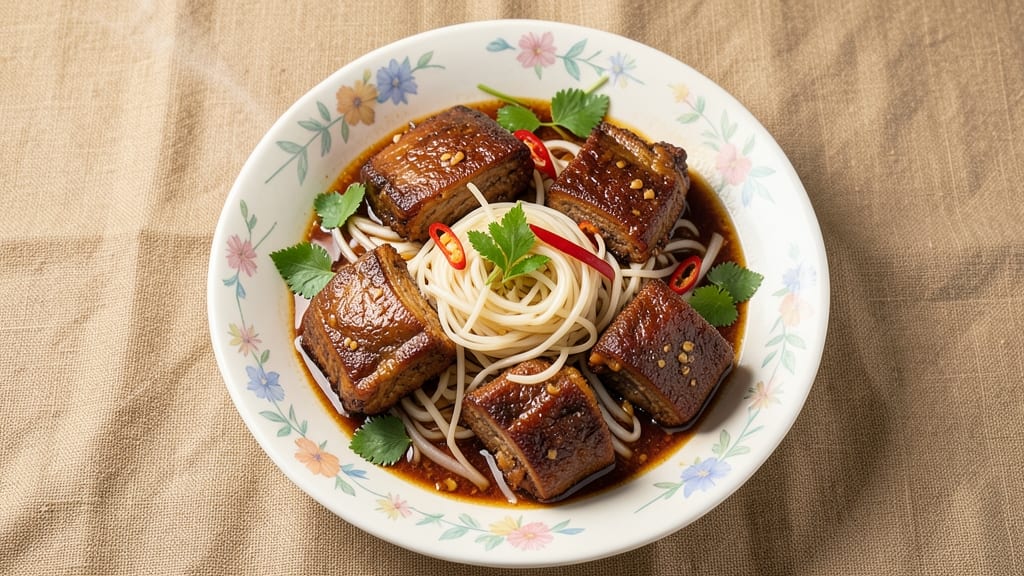
This Vietnamese beef short ribs recipe transforms tough cuts into melt-in-your-mouth perfection using a one-pot caramelized fish sauce technique that balances sweet, salty, and umami flavors. The secret lies in slow-braising the ribs until they're fork-tender while developing a glossy, aromatic sauce that clings to every bite.
I've perfected this method after years of testing, and it delivers restaurant-quality results without requiring special equipment.
The process begins with a simple marinade that tenderizes the meat, followed by a 30-minute sear to build deep flavor before the long braise. What makes this recipe special is how the fish sauce caramelizes into a sticky glaze during cooking, creating a sauce that's both complex and addictive.
The ribs develop a rich mahogany color and develop layers of flavor that keep improving as they rest.
By the time you're done, you'll have fall-apart tender beef swimming in a glossy sauce that's perfectly balanced between sweet, salty, and tangy. The aroma alone will have everyone gathering at the table, and each bite delivers that perfect combination of caramelized exterior and tender interior.
Serve over steamed jasmine rice with fresh herbs and lime wedges for the full Vietnamese dining experience.
This recipe works equally well for weeknight dinners or special occasions, and the leftovers actually improve overnight as the flavors meld further. The technique is straightforward but yields professional results that will impress even the most discerning palates. Let's get cooking—your taste buds will thank you.
Ingredients for vietnamese beef short ribs
Fourteen ingredients masterfully balanced for restaurant-quality Vietnamese beef short ribs with caramelized fish sauce.
| Ingredient | Amount | Notes |
|---|---|---|
| Beef Short Ribs 🥩 | 2 lb | Bone-in, 1-1.5 inches thick |
| Fish Sauce 🍶 | ½ cup | Red Boat brand preferred |
| Brown Sugar 🍚 | ½ cup | Light or dark, packed |
| Lime Juice 🍋 | ¼ cup | Freshly squeezed, seeds removed |
| Garlic Cloves 🧄 | 8 cloves | Minced, skin-on preferred |
| Ginger Root 🌿 | 2 tbsp | Freshly grated, peeled |
| Coconut Aminos 🥢 | ¼ cup | Or soy sauce substitute |
| Honey 🍯 | ¼ cup | Wildflower preferred |
| Thai Bird's Eye Chilies 🌶️ | 2 whole | Seeds removed for mild heat |
| Fresh Cilantro 🌿 | ¼ cup | Chopped, stems removed |
| Fresh Thai Basil 🌿 | ¼ cup | Or regular basil in pinch |
| Jasmine Rice 🍚 | 1 ½ cups | Uncooked, long-grain |
| Vegetable Oil 🫒 | ½ cup | High smoke point |
| Diamond Crystal Kosher Salt 🧂 | 1 ½ tsp | Adjust to taste |
| Freshly Ground Black Pepper 🌶️ | 1 tsp | Coarsely ground |
The beef short ribs are the foundation—look for bone-in cuts with good marbling for maximum flavor. Whole Foods or Asian markets typically carry the best quality, though most grocery stores stock them too. If you can't find bone-in, use chuck roast cut into 1.5-inch cubes. The Red Boat fish sauce is non-negotiable for authentic umami depth; avoid cheaper brands that can taste harsh. Fresh ginger and garlic should be vibrant and firm—no shriveled roots or discolored cloves. For the chilies, Thai Bird's Eye delivers authentic heat, but serrano peppers work in a pinch (adjust quantity accordingly).
No fish sauce? Coconut aminos or soy sauce can substitute, though the flavor profile shifts slightly. Running short on brown sugar? Maple syrup works in a bind, but reduce to 3 tbsp—it's sweeter. Fresh Thai basil is ideal, but regular basil or cilantro can stand in (use double the amount). The honey should be wildflower or clover for balanced sweetness; avoid processed varieties with additives. For the rice, jasmine rice is standard, but long-grain white rice will suffice if unavailable. The vegetable oil should have a high smoke point (like avocado or peanut oil) to prevent burning during the sear.
Store the ribs uncovered in the fridge for 24 hours before cooking to enhance tenderness. The caramelized sauce thickens as it cools—reheat gently on the stove with a splash of water if needed. Leftovers keep for 4-5 days in the fridge or 3 months frozen. For serving, steam the rice while the ribs braise to save time. The sauce freezes beautifully—portion into ice cube trays for easy reheating later. Fresh herbs like cilantro and Thai basil should be stored in damp paper towels in sealed bags for up to 5 days.
Why You'll Love This Recipe
- One-Pot Magic: I swear by this recipe when I don’t want to deal with multiple pans. The ribs simmer right in the same pot as the sauce—no extra cleanup, just rich, caramelized flavor with that perfect balance of sweet and tangy from the brown sugar and lime.
- Umami Bomb: That fish sauce and garlic combo? It’s like a flavor explosion in your mouth. The ribs get this irresistible glaze that’s sticky, savory, and just a little funky—exactly how Vietnamese comfort food should taste.
- Leftover Hero: Between us, this dish tastes even better the next day. The flavors meld together, and the ribs get even more tender. I always make extra because it’s my go-to for quick lunches or a lazy dinner.
- Budget Flex: Short ribs might sound fancy, but they’re actually affordable and go a long way. A few pounds feed my family for days, and the sauce is cheap to make. Plus, you can swap in chicken thighs if you’re pinching pennies—still delicious.
Step-by-step instructions for Vietnamese beef short ribs
Here's the method for tender, caramelized beef short ribs infused with bold Vietnamese flavors.
Prepare the Beef Short Ribs and Aromatics
Pat the 2 lb beef short ribs dry with paper towels, removing any excess moisture. This ensures the ribs develop a proper sear rather than steaming. In a small bowl, combine the 8 cloves garlic cloves (minced), 2 tablespoons ginger root (freshly grated), and 1 teaspoon freshly ground black pepper. The ginger should be finely grated to release its essential oils fully.
Using your fingers or a clean kitchen towel, rub this aromatic mixture evenly over all surfaces of the beef short ribs. Press gently to help the seasoning adhere. Let the seasoned ribs sit at room temperature for 30 minutes while you prepare the remaining ingredients. This resting period allows the spices to penetrate the meat slightly, enhancing flavor distribution.
Sear the Beef Short Ribs
Heat a large Dutch oven or heavy pot over medium-high heat until it's hot. Add the 0.5 cup vegetable oil and swirl to coat the bottom evenly. Once the oil shimmers but isn't smoking, carefully add the beef short ribs in a single layer. Do not overcrowd the pan—work in batches if necessary to maintain proper heat.
Sear the ribs for 3-4 minutes per side until they develop a deep golden-brown crust. This caramelization creates the foundation for the rich sauce. Once browned, remove the ribs from the pot and set them aside on a plate. The residual heat will keep them warm while you build the sauce.
Build the Vietnamese Caramel Sauce
With the pot still on medium heat, add the 0.5 cup brown sugar and let it melt completely, stirring occasionally to prevent burning. This step creates a caramelized base that will develop into a glossy, complex sauce. After about 2 minutes, pour in the 0.5 cup fish sauce and 0.25 cup coconut aminos, stirring constantly to incorporate the browned bits from the bottom of the pot.
Add the 0.25 cup honey and 0.25 cup lime juice, stirring well to combine. The mixture should bubble gently as it begins to reduce. Here's where the magic happens: carefully add the 2 whole Thai bird's eye chilies (seeds removed) and let them infuse for 1 minute. The chilies will add subtle heat without overpowering the dish. Remove the chilies before serving if you prefer a milder flavor.
Simmer the Ribs in Flavorful Sauce
Return the seared beef short ribs to the pot, along with any accumulated juices. Pour in 3 cups of water (enough to partially submerge the ribs) and bring the mixture to a gentle simmer. Cover the pot with a tight-fitting lid and reduce the heat to low. The ribs should simmer gently for 2 hours, maintaining a low bubble without vigorous boiling.
After 2 hours, check for tenderness by inserting a fork into the thickest part of a rib. The meat should be fork-tender with no resistance. If it's not quite tender enough, continue simmering for another 30 minutes. The sauce should have reduced significantly, coating the ribs in a glossy, caramelized glaze. This slow cooking process transforms tough short ribs into melt-in-your-mouth morsels.
Finish and Serve with Jasmine Rice
While the ribs simmer, prepare the jasmine rice according to package instructions using the 1.5 cups uncooked jasmine rice. The rice should be fluffy and slightly sticky when finished. In the final 10 minutes of cooking the ribs, stir in the 0.25 cup chopped fresh cilantro and 0.25 cup chopped fresh Thai basil. This adds freshness and brightness to the rich, caramelized sauce.
Once the ribs are tender and the sauce has thickened to your desired consistency, remove the pot from heat. Let the ribs rest for 5 minutes before serving. Spoon the ribs and sauce over the prepared jasmine rice, garnishing with additional fresh Thai basil if desired. Each bite should deliver perfectly tender beef with a complex sauce that balances sweet, salty, tangy, and umami flavors.
Pro Tips For Making Vietnamese Beef Short Ribs
- Sear the Ribs First: Hit the ribs with a screaming-hot pan for 3-4 minutes per side before braising—the crust locks in flavor and keeps them from turning mushy. I used to skip this and ended up with tender but bland ribs; the Maillard reaction is non-negotiable here.
- Blend Your Marinade: Puree the garlic with fish sauce and brown sugar first—this dissolves the sugar fully and makes the sauce cling to the meat. I tried adding whole garlic cloves once, and they just sat there like stubborn little rocks.
- Deglaze Aggressively: After searing, splash in a splash of water or broth and scrape the browned bits off the pan with a wooden spoon—those bits are pure flavor gold. Skipping this step means missing out on half the depth of the sauce.
- Simmer Low and Slow: Keep the heat at a gentle simmer (not a boil) for at least 2 hours—this breaks down the collagen without turning the ribs into shredded beef. My first attempt at high heat left me with tough, chewy results, and I refused to make that mistake again.
Essential equipment for great vietnamese beef short ribs
Dutch Oven Essentials
A heavy-duty Dutch oven is your secret weapon for this recipe—it distributes heat evenly and locks in moisture during the long braise. I recommend a Le Creuset 5.5-quart or Lodge 6-quart cast iron Dutch oven for its durability and heat retention.
The deep sides prevent spills while building the caramelized sauce, and the tight lid traps steam to tenderize the ribs. If you don’t own one, a stainless steel pot with a tight-fitting lid works too, though it may require more attention to prevent boiling over. 🔥
Precision Thermometer
Invest in a meat thermometer like the Thermoworks Smoke or Meater to monitor both the ribs’ internal temperature and the sauce’s reduction. The ribs should reach 195-203°F for fork-tender perfection, while the sauce thickens as it simmers.
A thermometer ensures you avoid overcooking while achieving that perfect glaze. I’ve ruined ribs by guessing—don’t make my mistake! The Thermoworks model also has a backlit display for easy reading in dim kitchens.
Tongs for Handling
Use long-handled tongs (like OXO Good Grips) to safely flip the ribs during searing and retrieve them from the pot. The long handles keep your fingers away from the hot oil and steam, while the silicon tips grip slippery ribs securely.
Avoid forks—they pierce the meat, causing juices to escape. I also keep a heat-resistant glove nearby for extra protection when adjusting the pot on the stove.
Knife Kit
A sharp chef’s knife (like Mac Knife 8-inch) and a paring knife are essential for mincing garlic, grating ginger, and chopping herbs. The Mac Knife glides through ginger like butter, while a microplane speeds up zesting.
For the ribs, a boning knife helps trim excess fat if needed. I swear by Wüsthof for precision—dull knives make prep frustrating and unsafe. 💡
Measuring Tools
Precision matters in Vietnamese cooking, so use stainless steel measuring cups (like OXO Good Grips) for liquids and dry measuring spoons for spices. The Red Boat fish sauce and brown sugar ratios are critical—off measurements throw off the balance of sweet, salty, and umami.
I also keep a digital scale handy for weighing ingredients like ginger or garlic when exact measurements are crucial. A spoon rest keeps utensils organized and clean during prep.
Nutrition facts
Frequently asked questions
Can I use beef chuck roast instead of short ribs?
Yes! Cut the chuck roast into 1.5-inch cubes to mimic short rib size. The cooking time remains the same, but chuck may need 10 extra minutes to reach tenderness. The flavor will be slightly milder but still delicious.
How do I adjust the heat level in this recipe?
Remove the Thai chilies before serving for a milder version. For extra heat, add 1 extra chili or 1/2 teaspoon of chili flakes to the sauce. The caramelized sweetness balances the spice beautifully.
Why does the sauce need to caramelize?
The caramelization creates the signature glossy, complex flavor that defines Vietnamese beef dishes. The brown sugar and fish sauce combination develops deep umami notes and a sticky texture that clings perfectly to the meat. Skipping this step results in a thinner, less flavorful sauce.
What's the best way to reheat leftovers?
Gently reheat in a saucepan over low heat with 1-2 tablespoons of water. The sauce will thicken again, and the ribs will stay tender. Avoid microwaving—it makes the meat tough and the sauce watery.
Can I make this in an Instant Pot?
Yes! Sear the ribs first, then cook on high pressure for 60 minutes with all sauce ingredients. Release pressure naturally, then reduce the sauce on the stove for 5 minutes to achieve the same caramelized effect. The texture will be slightly different but still delicious.